Screenshot

























































Summary
IntroductionBlue Prince, developed by Dogubomb and released on April 10, 2025, for PC, PS5, and Xbox Series X|S, emerges as a genre-defying puzzle adventure that blends roguelike elements with intricate exploration. Published by Raw Fury, this debut title introduces players to the shifting halls of Mt. Holly, where the goal is to uncover the mysterious Room 46 within a 45-room mansion. Priced at $29.99 for the base game and $39.99 for the Deluxe Edition, it gained attention through a Steam demo and GDC 2024 previews, showcasing its unique drafting mechanics and atmospheric design. Early access feedback highlights its innovative approach, though concerns about randomness and difficulty persist. This review delves into its narrative, world, gameplay, and technical execution to assess its impact within the puzzle genre as a standout experience.Narrative & StorytellingBlue Prince crafts its narrative through environmental storytelling and player discovery rather than a traditional campaign. Players step into the role of Simon, tasked with inheriting the Mt. Holly estate by finding the elusive Room 46, as stipulated in his great-uncle’s will. The story unfolds organically through notes, objects, and room interactions, revealing a tapestry of family secrets, political intrigue, and a missing author’s legacy. This gradual unveiling creates a sense of mystery that deepens with each run, encouraging players to piece together the past.The lack of a linear storyline might challenge those seeking a guided narrative, as the experience relies on emergent tales—unexpected room connections or breakthrough puzzle solutions—that evolve with player progress. The narrative’s strength lies in its atmospheric depth and the slow burn of uncovering Mt. Holly’s history, though its replayability hinges on the player’s willingness to engage with its cryptic clues, making it a rewarding journey for those who embrace its enigmatic nature.World & EnvironmentsThe world of Blue Prince centers on the ever-changing Mt. Holly mansion, a 5x9 grid of rooms drafted by the player, each with distinct designs—cozy dens, eerie boiler rooms, and cryptic parlors—rendered in a warm, cel-shaded art style. The mansion’s shifting layout, reset daily, introduces a dynamic environment where no two runs are identical, enhanced by subtle details like tipped candlesticks or trundling hamsters that hint at deeper stories. Lighting and shadow play a key role, creating a haunting yet inviting atmosphere, while sound design—creaking floors and distant echoes—amplifies immersion.However, the reliance on a single location might limit environmental variety over time, as the mansion’s aesthetic, while rich, repeats core elements across runs. The focus on a contained, evolving space prioritizes puzzle integration over expansive exploration, which could feel restrictive for players seeking broader settings. Community feedback praises the atmospheric design and dynamic shifts, though some note the lack of external areas, suggesting a world that excels in intimacy but may benefit from occasional variety to sustain long-term engagement.Gameplay MechanicsCore LoopThe core loop revolves around daily expeditions into Mt. Holly, where players draft rooms, explore, and solve puzzles within a limited energy pool, lasting 20-40 minutes per session. The cycle of planning, discovery, and reset drives a compelling rhythm, encouraging strategic evolution over multiple runs.On-Field MechanicsThe gameplay hinges on a drafting system, where players choose from three random room options at each door, each with unique exits, resources, and puzzles—ranging from logic challenges to environmental riddles. Energy management and item use, like keys or gems, add tactical depth, though the randomness can lead to dead ends or unsolvable states. The mechanics reward observation and planning, demanding patience to master their nuances.Mode-Specific FeaturesThe primary mode focuses on the Room 46 quest, with permanent upgrades and knowledge carryover providing progression. Puzzles vary from standalone tasks—like math-based dartboards—to multi-room mysteries requiring notes and memory, offering a rich challenge. The lack of additional modes keeps the focus narrow, but the depth of the core experience compensates, though balance adjustments for randomization lag, a point raised in early play.Progression & MultiplayerProgression comes through unlocking room upgrades and accumulating lore, balancing grind with intellectual reward in a system that feels satisfying based on initial play. The game lacks traditional multiplayer, but its solitary nature fosters a personal journey, though the absence of co-op or competitive elements might limit social appeal. The progression system thrives on individual discovery, requiring refinement to enhance accessibility.Technical ExecutionBlue Prince delivers a visually striking experience with its cel-shaded graphics, detailed room props, and dynamic lighting, though mid-range systems might face occasional frame drops during complex runs. Post-launch patches have addressed stability, but minor UI freezes during drafting persist. Audio impresses with immersive ambient sounds and puzzle-specific cues, though occasional repetition of effects can detract.Controls are intuitive with precise navigation and interaction, offering a natural feel across controllers, though the lack of multiplayer limits testing under varied conditions. Ongoing patches are refining core systems, but initial technical hiccups suggest continued optimization is needed. The execution supports the puzzle focus, with visuals and audio as highlights amid polish challenges.Community FeedbackBlue Prince is cultivating an enthusiastic community, with early praise for its drafting mechanics, puzzle depth, and atmospheric world, though concerns about randomness and difficulty surface from player discussions. Excitement for the Room 46 mystery and note-taking aspect is widespread, but frustration with RNG and lack of save points persists. Community feedback drives development, sustaining interest, and player retention is expected to remain strong, fueled by the game’s unique appeal.Criticism centers on technical stability and design choices, with players noting UI lag and a desire for more control over randomization, alongside debates over puzzle difficulty. The community’s active input shapes patches, reflecting a group eager to see the game evolve into a polished gem.Final VerdictBlue Prince offers a captivating puzzle adventure with its innovative drafting system and atmospheric storytelling, celebrating the thrill of discovery. Its dynamic world and puzzle depth shine, though randomness and technical issues pose challenges. It’s a must-play for puzzle enthusiasts, with patience required as updates refine the experience.
Rating
Introduction
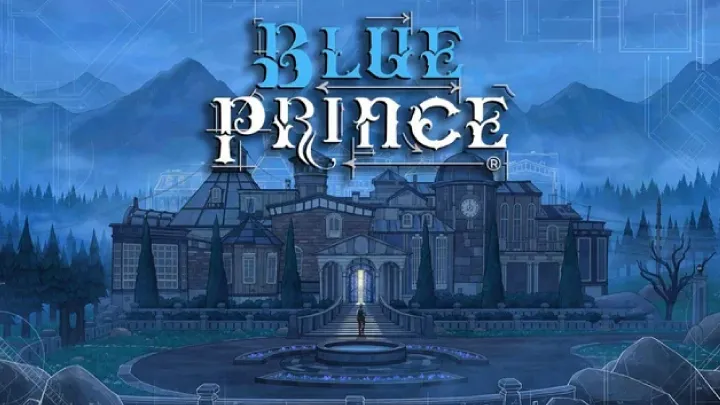
Blue Prince, developed by Dogubomb and released on April 10, 2025, for PC, PS5, and Xbox Series X|S, emerges as a genre-defying puzzle adventure that blends roguelike elements with intricate exploration. Published by Raw Fury, this debut title introduces players to the shifting halls of Mt. Holly, where the goal is to uncover the mysterious Room 46 within a 45-room mansion. Priced at $29.99 for the base game and $39.99 for the Deluxe Edition, it gained attention through a Steam demo and GDC 2024 previews, showcasing its unique drafting mechanics and atmospheric design. Early access feedback highlights its innovative approach, though concerns about randomness and difficulty persist. This review delves into its narrative, world, gameplay, and technical execution to assess its impact within the puzzle genre as a standout experience.
Narrative & Storytelling
Blue Prince crafts its narrative through environmental storytelling and player discovery rather than a traditional campaign. Players step into the role of Simon, tasked with inheriting the Mt. Holly estate by finding the elusive Room 46, as stipulated in his great-uncle’s will. The story unfolds organically through notes, objects, and room interactions, revealing a tapestry of family secrets, political intrigue, and a missing author’s legacy. This gradual unveiling creates a sense of mystery that deepens with each run, encouraging players to piece together the past.
The lack of a linear storyline might challenge those seeking a guided narrative, as the experience relies on emergent tales—unexpected room connections or breakthrough puzzle solutions—that evolve with player progress. The narrative’s strength lies in its atmospheric depth and the slow burn of uncovering Mt. Holly’s history, though its replayability hinges on the player’s willingness to engage with its cryptic clues, making it a rewarding journey for those who embrace its enigmatic nature.
World & Environments
The world of Blue Prince centers on the ever-changing Mt. Holly mansion, a 5x9 grid of rooms drafted by the player, each with distinct designs—cozy dens, eerie boiler rooms, and cryptic parlors—rendered in a warm, cel-shaded art style. The mansion’s shifting layout, reset daily, introduces a dynamic environment where no two runs are identical, enhanced by subtle details like tipped candlesticks or trundling hamsters that hint at deeper stories. Lighting and shadow play a key role, creating a haunting yet inviting atmosphere, while sound design—creaking floors and distant echoes—amplifies immersion.
However, the reliance on a single location might limit environmental variety over time, as the mansion’s aesthetic, while rich, repeats core elements across runs. The focus on a contained, evolving space prioritizes puzzle integration over expansive exploration, which could feel restrictive for players seeking broader settings. Community feedback praises the atmospheric design and dynamic shifts, though some note the lack of external areas, suggesting a world that excels in intimacy but may benefit from occasional variety to sustain long-term engagement.
Gameplay Mechanics
Core Loop
The core loop revolves around daily expeditions into Mt. Holly, where players draft rooms, explore, and solve puzzles within a limited energy pool, lasting 20-40 minutes per session. The cycle of planning, discovery, and reset drives a compelling rhythm, encouraging strategic evolution over multiple runs.
On-Field Mechanics
The gameplay hinges on a drafting system, where players choose from three random room options at each door, each with unique exits, resources, and puzzles—ranging from logic challenges to environmental riddles. Energy management and item use, like keys or gems, add tactical depth, though the randomness can lead to dead ends or unsolvable states. The mechanics reward observation and planning, demanding patience to master their nuances.
Mode-Specific Features
The primary mode focuses on the Room 46 quest, with permanent upgrades and knowledge carryover providing progression. Puzzles vary from standalone tasks—like math-based dartboards—to multi-room mysteries requiring notes and memory, offering a rich challenge. The lack of additional modes keeps the focus narrow, but the depth of the core experience compensates, though balance adjustments for randomization lag, a point raised in early play.
Progression & Multiplayer
Progression comes through unlocking room upgrades and accumulating lore, balancing grind with intellectual reward in a system that feels satisfying based on initial play. The game lacks traditional multiplayer, but its solitary nature fosters a personal journey, though the absence of co-op or competitive elements might limit social appeal. The progression system thrives on individual discovery, requiring refinement to enhance accessibility.
Technical Execution
Blue Prince delivers a visually striking experience with its cel-shaded graphics, detailed room props, and dynamic lighting, though mid-range systems might face occasional frame drops during complex runs. Post-launch patches have addressed stability, but minor UI freezes during drafting persist. Audio impresses with immersive ambient sounds and puzzle-specific cues, though occasional repetition of effects can detract.
Controls are intuitive with precise navigation and interaction, offering a natural feel across controllers, though the lack of multiplayer limits testing under varied conditions. Ongoing patches are refining core systems, but initial technical hiccups suggest continued optimization is needed. The execution supports the puzzle focus, with visuals and audio as highlights amid polish challenges.
Community Feedback
Blue Prince is cultivating an enthusiastic community, with early praise for its drafting mechanics, puzzle depth, and atmospheric world, though concerns about randomness and difficulty surface from player discussions. Excitement for the Room 46 mystery and note-taking aspect is widespread, but frustration with RNG and lack of save points persists. Community feedback drives development, sustaining interest, and player retention is expected to remain strong, fueled by the game’s unique appeal.
Criticism centers on technical stability and design choices, with players noting UI lag and a desire for more control over randomization, alongside debates over puzzle difficulty. The community’s active input shapes patches, reflecting a group eager to see the game evolve into a polished gem.
Final Verdict
Blue Prince offers a captivating puzzle adventure with its innovative drafting system and atmospheric storytelling, celebrating the thrill of discovery. Its dynamic world and puzzle depth shine, though randomness and technical issues pose challenges. It’s a must-play for puzzle enthusiasts, with patience required as updates refine the experience.
Get Game Links
All trademarks belong to their respective owners.
Latest Reviews

Gorilla Tag
When Gorilla Tag was first released by developer Another Axiom in early access back in early 2021, few could have predicted the meteoric rise it would enjoy. The concept was almost childishly simple: you play as a gorilla in VR, using only your arms to move, jump, and climb, and the core game mode is… tag. That’s it. No complicated weapon systems. No sprawling maps with scripted events. No ultra-realistic graphics or heavy lore drops. Instead, it’s an unapologetically low-poly, physics-driven playground where movement is the mechanic.And yet, this stripped-down design has transformed Gorilla Tag from an experimental indie project into one of the most popular VR multiplayer games of all time. It’s a case study in how constraints can inspire innovation — and how social interaction, player creativity, and unconventional mechanics can create a phenomenon that defies traditional AAA wisdom.In this review, I’ll dissect Gorilla Tag from the perspective of a games analyst, covering its movement system, game design philosophy, social dynamics, competitive meta, community growth, technical execution, monetization strategy, and the future potential of the title. I’ll also touch on its cultural footprint and what it means for the VR industry as a whole.

Bloody Finger Jump
Is your finger faster then the others? Will your finger crush other enemies? Take up the challenge, compete and check how fast your fingers are. You can be sure that there will be blood...

Grand Theft Auto V
Grand Theft Auto V isn't simply a game; it is an economic, social, and cultural document of the 21st century. Taking the familiar chaotic sandbox of its predecessors, it expands it into a living, breathing world of San Andreas—teeming with meticulous detail and a biting, satirical wit. Whether you are pulled into its high-stakes criminal economy or its deep social simulation, GTA V delivers a profound and unforgettable masterclass in open-world design.

EA SPORTS FC™ 26
EA SPORTS FC™ 26 marks the third installment in the EA Sports FC era and is poised for release in September 2025. Developed by EA Vancouver and EA Romania, the game continues to showcase realism, player expression, and fidelity that fans expect—now with deeper gameplay variety and tactical richness. Covering multiple platforms—from next-gen consoles to PCs and even the new Nintendo Switch 2—FC 26 seeks to refine core mechanics while layering in strategic and narrative depth.
My Voice Zoo
MyVoiceZoo is a voice-focused platform/app designed to help users work with audio and voice-related tasks in a convenient, easy-to-use way. Instead of making everything complicated, MyVoiceZoo typically follows a simple workflow where users can get results faster, adjust key options, and reuse the tool for different voice needs. If you’re searching for a voice tool that feels practical and customization-friendly, MyVoiceZoo is worth considering.