Screenshot




















































Brother Hai's Pho Restaurant Summary
IntroductionBrother Hai's Pho Restaurant is an indie game that blends cooking simulation, narrative exploration, and psychological horror into a unique experience. Set in a small Vietnamese village, the game places players in the role of a worker at a modest pho restaurant. During the day, players prepare and serve bowls of Pho to customers, managing orders and ensuring that the restaurant runs smoothly. However, once night falls, the tone of the game shifts dramatically as players begin to uncover strange events and hidden secrets within the village.Rather than functioning purely as a restaurant management simulator, the game combines everyday activities with elements of mystery and investigation. Through interactions with characters and exploration of the environment, players gradually piece together the story behind the village and its unusual happenings. This review analyzes the game's gameplay mechanics, visual style, audio design, narrative elements, and its overall contribution to the indie gaming scene.Gameplay MechanicsCore Gameplay LoopThe gameplay of Brother Hai's Pho Restaurant revolves around two primary phases: running the pho restaurant during the day and exploring mysteries at night.Cooking and Serving PhoDuring the daytime, players work inside the restaurant preparing and serving dishes. Gameplay tasks include:preparing ingredientsassembling bowls of pho according to customer ordersgiving customers the correct changeThe cooking mechanics are simple but engaging, capturing the atmosphere of working in a small street-side restaurant.Customer InteractionPlayers interact with a variety of customers who visit the restaurant. Each character has their own personality, and conversations sometimes reveal hints related to the larger story unfolding in the game.Exploration and InvestigationAfter closing the restaurant, players are free to explore the surrounding village. During these nighttime sequences, unusual and sometimes unsettling events begin to occur. Players investigate clues, talk to characters, and uncover pieces of a deeper mystery.Multiple EndingsThe choices players make throughout the game can lead to multiple possible endings, encouraging replayability and allowing players to experience different narrative outcomes.Visuals and Art StyleGraphicsThe game features a relatively simple but effective visual style that helps establish its atmosphere.Environment Design: The restaurant, village streets, and surrounding areas reflect elements commonly found in Vietnamese neighborhoods.Cultural Details: Small details such as plastic chairs, simple tables, and street-side food stalls contribute to a sense of authenticity.AtmosphereLighting plays an important role in shaping the mood. Daytime scenes feel warm and lively, while nighttime scenes become darker and more suspenseful, reinforcing the game’s horror elements.Audio DesignSound EffectsSound design plays a key role in immersing players in the experience.Examples include:boiling broth and cooking sounds in the kitchencustomer chatter inside the restauranteerie ambient noises during nighttime explorationThese elements help build tension and enhance the transition between normal daily life and mysterious events.MusicThe background music adapts to the game’s changing tone. Light and relaxed music accompanies daytime restaurant activities, while darker, suspenseful music appears during investigation and horror segments.Narrative and StoryPlayer-Driven NarrativeThe game does not rely on a strictly linear storyline. Instead, players gradually uncover the narrative through:conversations with charactersenvironmental cluesevents triggered by player actionsThis approach allows players to actively participate in discovering the story rather than simply watching it unfold.Cultural ThemesOne of the most distinctive aspects of the game is its incorporation of Vietnamese cultural elements. The restaurant setting, local characters, and everyday routines reflect aspects of Vietnamese street food culture and village life.Challenges and TensionTime ManagementDuring busy hours at the restaurant, players must prepare food and serve customers efficiently, creating a sense of urgency.Mystery and SuspenseThe nighttime exploration introduces tension and uncertainty, contrasting sharply with the calm routine of daytime restaurant work. This balance between ordinary tasks and unsettling discoveries creates a unique gameplay experience.Criticisms and Areas for ImprovementRepetitive Cooking GameplayAlthough the cooking mechanics are enjoyable, they may feel repetitive over time if players focus heavily on restaurant tasks.Technical LimitationsAs an indie game, occasional technical issues or minor performance problems may occur.Short PlaytimeCompared with larger narrative games, the overall playtime is relatively short, which may leave some players wishing for additional content.Future ProspectsWith further updates or expansions, the game could introduce:additional story contentnew exploration areasmore gameplay variations within the restaurantSuch additions could increase replay value and deepen the overall experience.ConclusionBrother Hai's Pho Restaurant offers a distinctive blend of cooking simulation and psychological horror. By contrasting the ordinary routine of running a pho restaurant with mysterious nighttime events, the game creates an experience that feels both familiar and unsettling.While the game has some limitations in gameplay depth and overall length, its atmospheric storytelling and cultural setting make it a memorable indie title. For players interested in narrative-driven indie games with unique cultural themes, Brother Hai's P
Rating
Introduction
Brother Hai's Pho Restaurant is an indie game that blends cooking simulation, narrative exploration, and psychological horror into a unique experience. Set in a small Vietnamese village, the game places players in the role of a worker at a modest pho restaurant. During the day, players prepare and serve bowls of Pho to customers, managing orders and ensuring that the restaurant runs smoothly. However, once night falls, the tone of the game shifts dramatically as players begin to uncover strange events and hidden secrets within the village.
Rather than functioning purely as a restaurant management simulator, the game combines everyday activities with elements of mystery and investigation. Through interactions with characters and exploration of the environment, players gradually piece together the story behind the village and its unusual happenings. This review analyzes the game's gameplay mechanics, visual style, audio design, narrative elements, and its overall contribution to the indie gaming scene.
Gameplay Mechanics
Core Gameplay Loop
The gameplay of Brother Hai's Pho Restaurant revolves around two primary phases: running the pho restaurant during the day and exploring mysteries at night.
Cooking and Serving Pho
During the daytime, players work inside the restaurant preparing and serving dishes. Gameplay tasks include:
- preparing ingredients
- assembling bowls of pho according to customer orders
- giving customers the correct change
The cooking mechanics are simple but engaging, capturing the atmosphere of working in a small street-side restaurant.
Customer Interaction
Players interact with a variety of customers who visit the restaurant. Each character has their own personality, and conversations sometimes reveal hints related to the larger story unfolding in the game.
Exploration and Investigation
After closing the restaurant, players are free to explore the surrounding village. During these nighttime sequences, unusual and sometimes unsettling events begin to occur. Players investigate clues, talk to characters, and uncover pieces of a deeper mystery.
Multiple Endings
The choices players make throughout the game can lead to multiple possible endings, encouraging replayability and allowing players to experience different narrative outcomes.
Visuals and Art Style
Graphics
The game features a relatively simple but effective visual style that helps establish its atmosphere.
- Environment Design: The restaurant, village streets, and surrounding areas reflect elements commonly found in Vietnamese neighborhoods.
- Cultural Details: Small details such as plastic chairs, simple tables, and street-side food stalls contribute to a sense of authenticity.
Atmosphere
Lighting plays an important role in shaping the mood. Daytime scenes feel warm and lively, while nighttime scenes become darker and more suspenseful, reinforcing the game’s horror elements.
Audio Design
Sound Effects
Sound design plays a key role in immersing players in the experience.
Examples include:
- boiling broth and cooking sounds in the kitchen
- customer chatter inside the restaurant
- eerie ambient noises during nighttime exploration
These elements help build tension and enhance the transition between normal daily life and mysterious events.
Music
The background music adapts to the game’s changing tone. Light and relaxed music accompanies daytime restaurant activities, while darker, suspenseful music appears during investigation and horror segments.
Narrative and Story
Player-Driven Narrative
The game does not rely on a strictly linear storyline. Instead, players gradually uncover the narrative through:
- conversations with characters
- environmental clues
- events triggered by player actions
This approach allows players to actively participate in discovering the story rather than simply watching it unfold.
Cultural Themes
One of the most distinctive aspects of the game is its incorporation of Vietnamese cultural elements. The restaurant setting, local characters, and everyday routines reflect aspects of Vietnamese street food culture and village life.
Challenges and Tension
Time Management
During busy hours at the restaurant, players must prepare food and serve customers efficiently, creating a sense of urgency.
Mystery and Suspense
The nighttime exploration introduces tension and uncertainty, contrasting sharply with the calm routine of daytime restaurant work. This balance between ordinary tasks and unsettling discoveries creates a unique gameplay experience.
Criticisms and Areas for Improvement
Repetitive Cooking Gameplay
Although the cooking mechanics are enjoyable, they may feel repetitive over time if players focus heavily on restaurant tasks.
Technical Limitations
As an indie game, occasional technical issues or minor performance problems may occur.
Short Playtime
Compared with larger narrative games, the overall playtime is relatively short, which may leave some players wishing for additional content.
Future Prospects
With further updates or expansions, the game could introduce:
- additional story content
- new exploration areas
- more gameplay variations within the restaurant
Such additions could increase replay value and deepen the overall experience.
Conclusion
Brother Hai's Pho Restaurant offers a distinctive blend of cooking simulation and psychological horror. By contrasting the ordinary routine of running a pho restaurant with mysterious nighttime events, the game creates an experience that feels both familiar and unsettling.
While the game has some limitations in gameplay depth and overall length, its atmospheric storytelling and cultural setting make it a memorable indie title. For players interested in narrative-driven indie games with unique cultural themes, Brother Hai's P
Get Game Links
All trademarks belong to their respective owners.
Latest Reviews

Gorilla Tag
When Gorilla Tag was first released by developer Another Axiom in early access back in early 2021, few could have predicted the meteoric rise it would enjoy. The concept was almost childishly simple: you play as a gorilla in VR, using only your arms to move, jump, and climb, and the core game mode is… tag. That’s it. No complicated weapon systems. No sprawling maps with scripted events. No ultra-realistic graphics or heavy lore drops. Instead, it’s an unapologetically low-poly, physics-driven playground where movement is the mechanic.And yet, this stripped-down design has transformed Gorilla Tag from an experimental indie project into one of the most popular VR multiplayer games of all time. It’s a case study in how constraints can inspire innovation — and how social interaction, player creativity, and unconventional mechanics can create a phenomenon that defies traditional AAA wisdom.In this review, I’ll dissect Gorilla Tag from the perspective of a games analyst, covering its movement system, game design philosophy, social dynamics, competitive meta, community growth, technical execution, monetization strategy, and the future potential of the title. I’ll also touch on its cultural footprint and what it means for the VR industry as a whole.

Bloody Finger Jump
Is your finger faster then the others? Will your finger crush other enemies? Take up the challenge, compete and check how fast your fingers are. You can be sure that there will be blood...
Grand Theft Auto V
Grand Theft Auto V isn't simply a game; it is an economic, social, and cultural document of the 21st century. Taking the familiar chaotic sandbox of its predecessors, it expands it into a living, breathing world of San Andreas—teeming with meticulous detail and a biting, satirical wit. Whether you are pulled into its high-stakes criminal economy or its deep social simulation, GTA V delivers a profound and unforgettable masterclass in open-world design.

EA SPORTS FC™ 26
EA SPORTS FC™ 26 marks the third installment in the EA Sports FC era and is poised for release in September 2025. Developed by EA Vancouver and EA Romania, the game continues to showcase realism, player expression, and fidelity that fans expect—now with deeper gameplay variety and tactical richness. Covering multiple platforms—from next-gen consoles to PCs and even the new Nintendo Switch 2—FC 26 seeks to refine core mechanics while layering in strategic and narrative depth.
My Voice Zoo
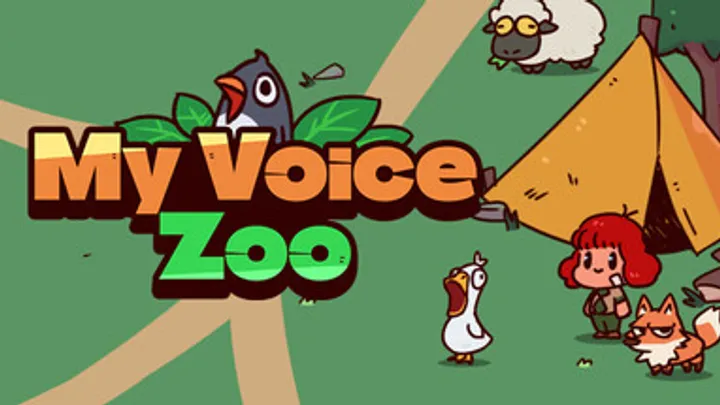
MyVoiceZoo is a voice-focused platform/app designed to help users work with audio and voice-related tasks in a convenient, easy-to-use way. Instead of making everything complicated, MyVoiceZoo typically follows a simple workflow where users can get results faster, adjust key options, and reuse the tool for different voice needs. If you’re searching for a voice tool that feels practical and customization-friendly, MyVoiceZoo is worth considering.