Screenshot














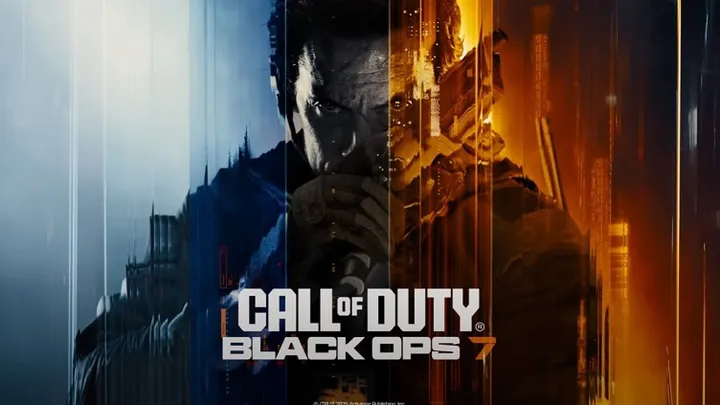















Call of Duty®: Black Ops 7 Summary
IntroductionCall of Duty: Black Ops 7 arrives with high expectations, continuing one of the most popular sub-series in the franchise. However, instead of delivering a universally praised experience, it has sparked one of the most divided reactions in recent Call of Duty history. This review takes a balanced, fact-based approach—breaking down what the game does well, where it struggles, and whether it’s actually worth your time.1. Campaign – Ambitious but Deeply FlawedThe campaign in Call of Duty: Black Ops 7 is arguably its most controversial element. On one hand, the developers clearly aimed for something bold:A more experimental narrativeHeavier psychological and futuristic themesIntegration with Warzone-style mechanicsHowever, execution is where things fall apart. Key Issues:Inconsistent storytelling – The plot often feels disjointed and hard to followOver-the-top tone – Some moments feel exaggerated rather than immersiveAlways-online structure – Limits accessibility and disrupts pacingFor many players, the campaign feels like a departure from the grounded storytelling that made earlier Black Ops titles memorable.Verdict: Ambitious, but ultimately one of the weaker campaigns in the series.2. Multiplayer – Still the Core StrengthDespite criticism elsewhere, multiplayer remains a reliable pillar of the experience. What Works:Fast-paced, responsive gunplayFamiliar mechanics that longtime fans expectA wide range of maps and modesThe game sticks closely to the established formula, which works in its favor. While it doesn’t introduce groundbreaking innovations, it delivers consistent and enjoyable gameplay loops.What Doesn’t:Limited innovationSome balance issues at launchOccasional matchmaking inconsistenciesVerdict: Not revolutionary, but still highly playable and engaging.3. Zombies Mode – A Solid HighlightZombies mode stands out as one of the most positively received features. Strengths:Creative map designStrong replayabilityEngaging progression systemsIt successfully blends classic elements with newer mechanics, making it appealing to both veterans and newcomers.Verdict: One of the best reasons to play the game.4. Graphics and Performance – Mixed ResultsVisually, Black Ops 7 delivers solid presentation:Detailed environmentsSmooth animationsStrong lighting effectsHowever, technical performance has been inconsistent. Reported Issues:Frame drops on some systemsOccasional crashesInput lag in certain scenariosWhile not universal, these issues have impacted player perception.Verdict: Visually strong, but technically uneven.5. Progression and Monetization – A Double-Edged SwordLike many modern titles, the game relies heavily on:Battle passesUnlock systemsCosmetic microtransactionsSome players describe the system as a “dopamine loop”, encouraging continuous play rather than meaningful progression.Verdict: Engaging, but can feel excessive over time.6. Community Reception – Why It’s So DividedOne of the most important aspects of this game is how polarized the reception has been. Critics:Generally rate it as average (mid-tier)Appreciate multiplayer and content volumePlayers:More negative overallStrong backlash toward campaign and performanceThis gap explains why the game feels so controversial—it’s not universally bad or good, but highly inconsistent.7. What the Game Gets RightStrong core gunplaySolid multiplayer foundationEngaging Zombies modeHigh content volume8. Where It Falls ShortWeak and confusing campaignTechnical performance issuesHeavy reliance on grinding systemsLack of meaningful innovation9. Who Should Play This GameYou’ll likely enjoy it if:You primarily play multiplayerYou enjoy Zombies modeYou’re already a Call of Duty fanYou may want to skip if:You care deeply about story campaignsYou dislike grind-heavy progressionYou expect major innovationFinal VerdictCall of Duty: Black Ops 7 is not a complete failure—but it’s also far from the best in the franchise. It delivers a solid core experience through multiplayer and Zombies, but is held back by a disappointing campaign and inconsistent technical performance. Final Score: 6.5/10ConclusionIn the end, Black Ops 7 is a game of contrasts. It proves that even within a well-established franchise, not every entry will hit the mark across all areas. If you approach it with the right expectations—focusing on its strengths rather than its flaws—you may still find plenty to enjoy.
Rating
Introduction
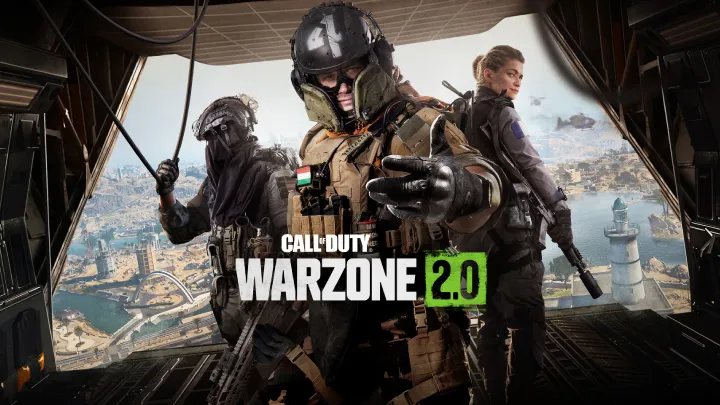
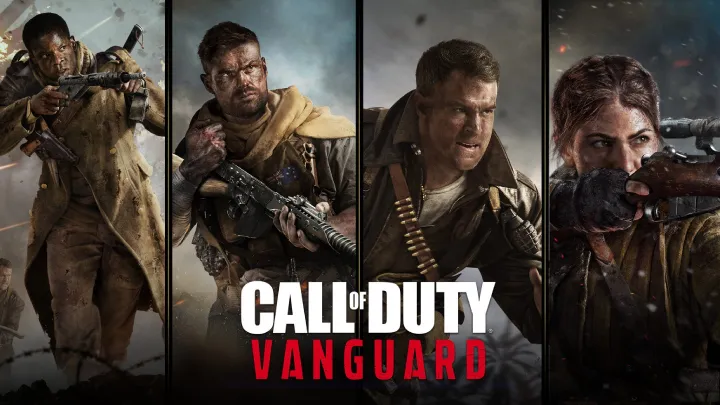
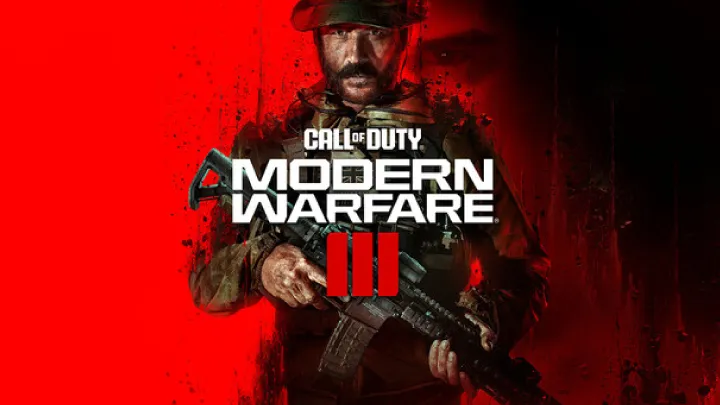
Call of Duty: Black Ops 7 arrives with high expectations, continuing one of the most popular sub-series in the franchise. However, instead of delivering a universally praised experience, it has sparked one of the most divided reactions in recent Call of Duty history.
This review takes a balanced, fact-based approach—breaking down what the game does well, where it struggles, and whether it’s actually worth your time.
1. Campaign – Ambitious but Deeply Flawed
The campaign in Call of Duty: Black Ops 7 is arguably its most controversial element.
On one hand, the developers clearly aimed for something bold:
- A more experimental narrative
- Heavier psychological and futuristic themes
- Integration with Warzone-style mechanics
However, execution is where things fall apart.
Key Issues:
- Inconsistent storytelling – The plot often feels disjointed and hard to follow
- Over-the-top tone – Some moments feel exaggerated rather than immersive
- Always-online structure – Limits accessibility and disrupts pacing
For many players, the campaign feels like a departure from the grounded storytelling that made earlier Black Ops titles memorable.
Verdict:
Ambitious, but ultimately one of the weaker campaigns in the series.
2. Multiplayer – Still the Core Strength
Despite criticism elsewhere, multiplayer remains a reliable pillar of the experience.
What Works:
- Fast-paced, responsive gunplay
- Familiar mechanics that longtime fans expect
- A wide range of maps and modes
The game sticks closely to the established formula, which works in its favor. While it doesn’t introduce groundbreaking innovations, it delivers consistent and enjoyable gameplay loops.
What Doesn’t:
- Limited innovation
- Some balance issues at launch
- Occasional matchmaking inconsistencies
Verdict:
Not revolutionary, but still highly playable and engaging.
3. Zombies Mode – A Solid Highlight
Zombies mode stands out as one of the most positively received features.
Strengths:
- Creative map design
- Strong replayability
- Engaging progression systems
It successfully blends classic elements with newer mechanics, making it appealing to both veterans and newcomers.
Verdict:
One of the best reasons to play the game.
4. Graphics and Performance – Mixed Results
Visually, Black Ops 7 delivers solid presentation:
- Detailed environments
- Smooth animations
- Strong lighting effects
However, technical performance has been inconsistent.
Reported Issues:
- Frame drops on some systems
- Occasional crashes
- Input lag in certain scenarios
While not universal, these issues have impacted player perception.
Verdict:
Visually strong, but technically uneven.
5. Progression and Monetization – A Double-Edged Sword
Like many modern titles, the game relies heavily on:
- Battle passes
- Unlock systems
- Cosmetic microtransactions
Some players describe the system as a “dopamine loop”, encouraging continuous play rather than meaningful progression.
Verdict:
Engaging, but can feel excessive over time.
6. Community Reception – Why It’s So Divided
One of the most important aspects of this game is how polarized the reception has been.
Critics:
- Generally rate it as average (mid-tier)
- Appreciate multiplayer and content volume
Players:
- More negative overall
- Strong backlash toward campaign and performance
This gap explains why the game feels so controversial—it’s not universally bad or good, but highly inconsistent.
7. What the Game Gets Right
- Strong core gunplay
- Solid multiplayer foundation
- Engaging Zombies mode
- High content volume
8. Where It Falls Short
- Weak and confusing campaign
- Technical performance issues
- Heavy reliance on grinding systems
- Lack of meaningful innovation
9. Who Should Play This Game
You’ll likely enjoy it if:
- You primarily play multiplayer
- You enjoy Zombies mode
- You’re already a Call of Duty fan
You may want to skip if:
- You care deeply about story campaigns
- You dislike grind-heavy progression
- You expect major innovation
Final Verdict
Call of Duty: Black Ops 7 is not a complete failure—but it’s also far from the best in the franchise.
It delivers a solid core experience through multiplayer and Zombies, but is held back by a disappointing campaign and inconsistent technical performance.
Final Score: 6.5/10
Conclusion
In the end, Black Ops 7 is a game of contrasts. It proves that even within a well-established franchise, not every entry will hit the mark across all areas.
If you approach it with the right expectations—focusing on its strengths rather than its flaws—you may still find plenty to enjoy.
Get Game Links
All trademarks belong to their respective owners.
Latest Reviews

Gorilla Tag
When Gorilla Tag was first released by developer Another Axiom in early access back in early 2021, few could have predicted the meteoric rise it would enjoy. The concept was almost childishly simple: you play as a gorilla in VR, using only your arms to move, jump, and climb, and the core game mode is… tag. That’s it. No complicated weapon systems. No sprawling maps with scripted events. No ultra-realistic graphics or heavy lore drops. Instead, it’s an unapologetically low-poly, physics-driven playground where movement is the mechanic.And yet, this stripped-down design has transformed Gorilla Tag from an experimental indie project into one of the most popular VR multiplayer games of all time. It’s a case study in how constraints can inspire innovation — and how social interaction, player creativity, and unconventional mechanics can create a phenomenon that defies traditional AAA wisdom.In this review, I’ll dissect Gorilla Tag from the perspective of a games analyst, covering its movement system, game design philosophy, social dynamics, competitive meta, community growth, technical execution, monetization strategy, and the future potential of the title. I’ll also touch on its cultural footprint and what it means for the VR industry as a whole.

Bloody Finger Jump
Is your finger faster then the others? Will your finger crush other enemies? Take up the challenge, compete and check how fast your fingers are. You can be sure that there will be blood...
Grand Theft Auto V
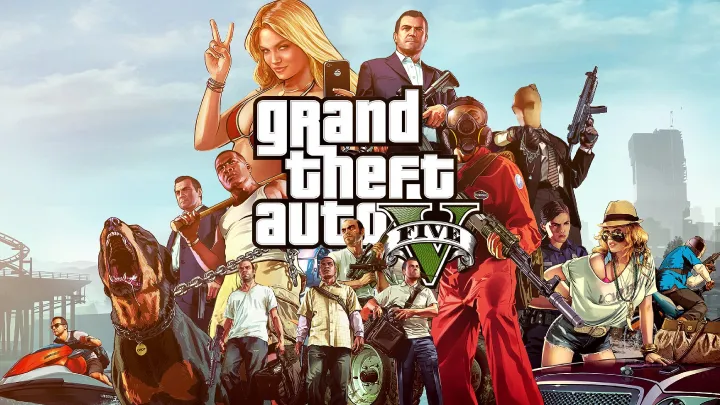
Grand Theft Auto V isn't simply a game; it is an economic, social, and cultural document of the 21st century. Taking the familiar chaotic sandbox of its predecessors, it expands it into a living, breathing world of San Andreas—teeming with meticulous detail and a biting, satirical wit. Whether you are pulled into its high-stakes criminal economy or its deep social simulation, GTA V delivers a profound and unforgettable masterclass in open-world design.
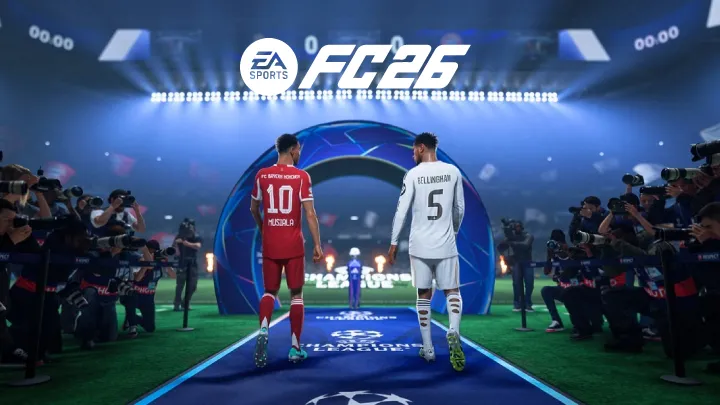
EA SPORTS FC™ 26
EA SPORTS FC™ 26 marks the third installment in the EA Sports FC era and is poised for release in September 2025. Developed by EA Vancouver and EA Romania, the game continues to showcase realism, player expression, and fidelity that fans expect—now with deeper gameplay variety and tactical richness. Covering multiple platforms—from next-gen consoles to PCs and even the new Nintendo Switch 2—FC 26 seeks to refine core mechanics while layering in strategic and narrative depth.

My Voice Zoo
MyVoiceZoo is a voice-focused platform/app designed to help users work with audio and voice-related tasks in a convenient, easy-to-use way. Instead of making everything complicated, MyVoiceZoo typically follows a simple workflow where users can get results faster, adjust key options, and reuse the tool for different voice needs. If you’re searching for a voice tool that feels practical and customization-friendly, MyVoiceZoo is worth considering.