Screenshot

















Summary
IntroductionDota 2 is one of the most celebrated multiplayer online battle arena (MOBA) games in the world, developed by Valve Corporation. Building on the foundations laid by the original Defense of the Ancients (DotA) mod for Warcraft III, Dota 2 has become a cultural phenomenon, attracting millions of players and spectators at its professional esports events. Known for its depth, complexity, and strategic gameplay, Dota 2 requires not only individual skill but also teamwork and coordination. This review aims to explore the various elements of Dota 2, including its gameplay mechanics, art and sound design, competitive scene, community dynamics, and its strengths and weaknesses.Core Gameplay MechanicsBasic StructureAt its core, Dota 2 features two teams of five players, each vying to destroy the opponent's Ancient, a large structure located within their base. Players choose from a roster of over 120 diverse heroes, each with unique abilities and roles, contributing to the game's strategic depth.Hero Selection:The hero pool is a defining feature of Dota 2. Players must select heroes that complement their team's composition and counter the opposing heroes.The draft phase not only involves picking heroes but also banning them to limit the opponent's options, adding layers of strategy and mind games.Lane Structure:The map is divided into three primary lanes (top, mid, and bottom), along with a jungle area that offers additional resources. Each lane has varying strategies and dynamics, encouraging players to adapt their tactics based on their lane assignment.Different roles, including carry, support, and offlane heroes, fulfill specific functions that are crucial for team success.Last Hitting and Denying:A fundamental mechanic in Dota 2 is the concept of last hitting, where players aim to land the final blow on enemy creeps to earn gold. Successful last-hitting is essential for developing a strong economy.Additionally, players can deny their own creeps—preventing enemy heroes from earning gold and experience—adding depth to lane control.Skill Progression:Players earn experience points (XP) throughout the match, which allows heroes to level up and unlock or enhance their abilities. This system creates a sense of progression as matches unfold.The decision of when and how to allocate skill points contributes to intra-game strategy, requiring players to adapt to the flow of battle.Items and Economy:Dota 2 features a complex item system where players can purchase items using gold earned from various activities. This economy system significantly influences gameplay and requires players to make strategic decisions on purchases.Items can grant new abilities, enhance attributes, or provide crucial advantages, making item selection as vital as hero choice.Unique MechanicsAbility System: Each hero possesses four abilities: three regular skills and one ultimate. Players must master their hero's abilities, understanding not only their mechanics but also how they synergize with the team and counter opponents.Map Control and Vision: Vision control through wards and other vision-denying tactics is critical for securing map dominance. Teams must navigate how and when to use vision to outmaneuver their opponents effectively.Team Dynamics: Communication and teamwork are indispensable in Dota 2. Coordinating attacks, setting up ganks, and executing team fights requires precise communication and collaboration.Visuals and Art StyleGraphicsDota 2 features a visually striking art style that sets it apart from other MOBAs:Stylized Aesthetics: The game employs a colorful and distinct visual style that combines a fantasy theme with a vibrant color palette. Each hero and map exudes their personality through intricate designs.Detailed Environments: The maps are richly detailed, with unique designs for each lane and jungle area. The environments not only serve gameplay purposes but also contribute to the immersive experience.Hero Design: Each hero is uniquely designed, with animations and effects that reflect their lore and abilities, enhancing player attachment to their character choices.User ExperienceThe user interface is clean, intuitive, and functional. Key elements such as health bars, ability tooltips, and items are well-organized, allowing players to focus on the game without being overwhelmed by information. The interface is customizable, allowing players to modify their HUD elements to suit their preferences.Audio DesignSoundtrack and EffectsAudio plays an essential role in the Dota 2 experience:Immersive Soundtrack: The game's soundtrack adapts to the match's pace, enhancing tension during team fights and creating an epic atmosphere that matches the action's intensity.Sound Effects: Clear and distinct sound effects help players gauge the state of the game—each hero's abilities have unique sounds, contributing to gameplay awareness. The soundscape helps players strategize by providing audio cues about enemy movements or actions.Voice Lines: The heroes are voiced with unique lines that enhance personality and engage players. These voice lines contribute depth to the storytelling aspect of the game, building connections between players and characters.Competitive SceneEsports LandscapeDota 2 boasts one of the most robust competitive gaming scenes in the world, exemplified by The International (TI), which features one of the largest prize pools in esports:The International:The annual championship showcases the best teams worldwide, featuring intense matches that captivate audiences both online and offline. The scale of the event garners massive viewership, further solidifying Dota 2's position in the esports landscape.Professional Scene:The professional circuit is supported by a variety of leagues, tournaments, and qualifiers that provide opportunities for teams to showcase their skills. This continuous cycle of competition elevates the game and keeps the community engaged.Team Dynamics:Successful teams often evolve their playstyles and rosters, emphasizing strategy, teamwork, and synergy. Watching professionals can offer valuable insights into gameplay mechanics and strategies, inspiring players across all skill levels.Community EngagementFan Base:The Dota 2 community is passionate and highly active, driven by fans who support professional teams, engage in discussions, and share content on various platforms, including Reddit, YouTube, and Twitch.Guides and Resources:Resources such as guides, tutorials, and hero discussions abound, aiding new players in improving their skills and understanding the complexities of the game.Creative Contributions:Players contribute custom content through the Steam Workshop, creating skins, mods, and even new game modes that enhance the game's longevity and creativity.Narrative DepthThemes and StorytellingWhile Dota 2 primarily focuses on competitive gameplay, it also offers a rich narrative and themes:Lore and Character Backgrounds: Each hero has a unique backstory and lore that adds depth to the game. The connections between heroes and the unfolding world contribute to a rich tapestry that players can explore.Conflict and Heroism: Themes of conflict, teamwork, and individuality run throughout the game, resonating with both casual players and hardcore competitors. The struggles between factions align with players' experiences in matches, drawing parallels between in-game actions and larger narratives.Strengths and WeaknessesStrengthsDeep Gameplay Mechanics: The complexity of hero abilities, itemization, and map control offers endless strategic options for players.Rich Competitive Scene: Dota 2 supports a thriving esports ecosystem, offering competitive opportunities and showcasing high-level play.Vibrant Community: The passionate player base contributes to a culture of sharing and learning, fostering engagement and creativity.High Replayability: With a vast roster of heroes and ever-evolving strategies, no two matches feel the same, encouraging continual play.Robust Spectator Experience: The game's design allows for enjoyable viewing, making it accessible and engaging for casual and competitive audiences alike.WeaknessesSteep Learning Curve: New players may feel overwhelmed due to the game's complexity, which can deter initial engagement.Potential for Toxicity: The competitive environment may foster toxic behavior among players, especially in ranked matches, impacting the experience for newcomers.Balancing Challenges: Ongoing balance issues can emerge as the meta evolves, requiring constant adjustments to maintain fair play.Time Commitment: Matches can be lengthy, and the investment required to improve can be daunting for casual players.Limited Single-Player Content: The focus on multiplayer may leave solo players wanting more narrative-driven or tutorial experiences.Future ProspectsUpdates and ExpansionsValve is known for its commitment to continuous development, and Dota 2 is likely to receive ongoing updates characterized by:Balance Changes: Regular patches can adjust hero abilities and item stats based on player feedback and trends observed in professional play, leading to a dynamically balanced game.New Content: The addition of new heroes, events, and modes can enhance gameplay and keep the community excited and engaged.Community EngagementEncouraging player-driven content through tools for creating and sharing custom gameplay experiences can bolster community involvement and creativity, as has been seen with previous Dota titles.Exploring Narrative DepthFuture updates could explore more narrative-driven content that immerses players in the lore and expands character backgrounds. In-depth storylines or events that highlight hero interactions might deepen player connections to the game.ConclusionDota 2 is more than just a game; it is a profound experience that brings together strategy, teamwork, and personal expression. The combination of deep mechanics, a vibrant community, and a dynamic esports scene makes it a significant title in the gaming world. It not only rewards skill but fosters camaraderie among players, contributing to its longevity and relevance in the modern gaming landscape.Final ThoughtsIn summary, Dota 2 stands as a pillar of competitive gaming, inviting players to immerse themselves in a rich tapestry of gameplay, strategy, and teamwork. While it may present a steep learning curve and challenges related to community dynamics, its strengths in gameplay depth, artistic design, and community engagement make it a must-play for both newcomers and experienced gamers. Whether aiming for glory in ranked matches or enjoying casual games with friends, Dota 2 offers an unparalleled journey through a world where every match is a new story waiting to unfold. Prepare to choose your hero, rally your team, and ready yourself for the challenges that lie ahead!
Rating
Introduction
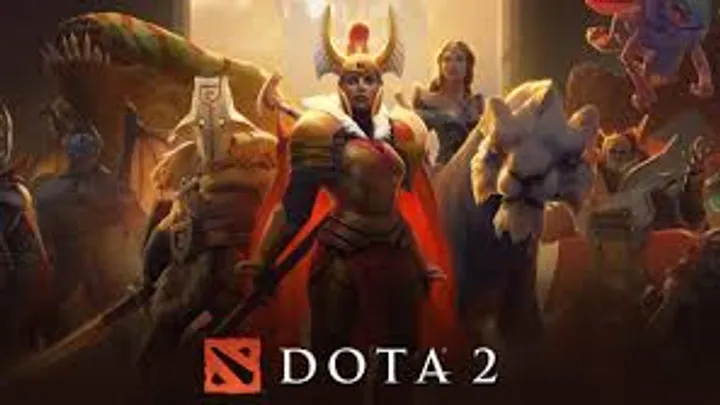
Dota 2 is one of the most celebrated multiplayer online battle arena (MOBA) games in the world, developed by Valve Corporation. Building on the foundations laid by the original Defense of the Ancients (DotA) mod for Warcraft III, Dota 2 has become a cultural phenomenon, attracting millions of players and spectators at its professional esports events. Known for its depth, complexity, and strategic gameplay, Dota 2 requires not only individual skill but also teamwork and coordination. This review aims to explore the various elements of Dota 2, including its gameplay mechanics, art and sound design, competitive scene, community dynamics, and its strengths and weaknesses.
Core Gameplay Mechanics
Basic Structure
At its core, Dota 2 features two teams of five players, each vying to destroy the opponent's Ancient, a large structure located within their base. Players choose from a roster of over 120 diverse heroes, each with unique abilities and roles, contributing to the game's strategic depth.
- Hero Selection:
- The hero pool is a defining feature of Dota 2. Players must select heroes that complement their team's composition and counter the opposing heroes.
- The draft phase not only involves picking heroes but also banning them to limit the opponent's options, adding layers of strategy and mind games.
- Lane Structure:
- The map is divided into three primary lanes (top, mid, and bottom), along with a jungle area that offers additional resources. Each lane has varying strategies and dynamics, encouraging players to adapt their tactics based on their lane assignment.
- Different roles, including carry, support, and offlane heroes, fulfill specific functions that are crucial for team success.
- Last Hitting and Denying:
- A fundamental mechanic in Dota 2 is the concept of last hitting, where players aim to land the final blow on enemy creeps to earn gold. Successful last-hitting is essential for developing a strong economy.
- Additionally, players can deny their own creeps—preventing enemy heroes from earning gold and experience—adding depth to lane control.
- Skill Progression:
- Players earn experience points (XP) throughout the match, which allows heroes to level up and unlock or enhance their abilities. This system creates a sense of progression as matches unfold.
- The decision of when and how to allocate skill points contributes to intra-game strategy, requiring players to adapt to the flow of battle.
- Items and Economy:
- Dota 2 features a complex item system where players can purchase items using gold earned from various activities. This economy system significantly influences gameplay and requires players to make strategic decisions on purchases.
- Items can grant new abilities, enhance attributes, or provide crucial advantages, making item selection as vital as hero choice.
Unique Mechanics
- Ability System:
- Each hero possesses four abilities: three regular skills and one ultimate. Players must master their hero's abilities, understanding not only their mechanics but also how they synergize with the team and counter opponents.
- Map Control and Vision:
- Vision control through wards and other vision-denying tactics is critical for securing map dominance. Teams must navigate how and when to use vision to outmaneuver their opponents effectively.
- Team Dynamics:
- Communication and teamwork are indispensable in Dota 2. Coordinating attacks, setting up ganks, and executing team fights requires precise communication and collaboration.
Visuals and Art Style
Graphics
Dota 2 features a visually striking art style that sets it apart from other MOBAs:
- Stylized Aesthetics:
- The game employs a colorful and distinct visual style that combines a fantasy theme with a vibrant color palette. Each hero and map exudes their personality through intricate designs.
- Detailed Environments:
- The maps are richly detailed, with unique designs for each lane and jungle area. The environments not only serve gameplay purposes but also contribute to the immersive experience.
- Hero Design:
- Each hero is uniquely designed, with animations and effects that reflect their lore and abilities, enhancing player attachment to their character choices.
User Experience
The user interface is clean, intuitive, and functional. Key elements such as health bars, ability tooltips, and items are well-organized, allowing players to focus on the game without being overwhelmed by information. The interface is customizable, allowing players to modify their HUD elements to suit their preferences.
Audio Design
Soundtrack and Effects
Audio plays an essential role in the Dota 2 experience:
- Immersive Soundtrack:
- The game's soundtrack adapts to the match's pace, enhancing tension during team fights and creating an epic atmosphere that matches the action's intensity.
- Sound Effects:
- Clear and distinct sound effects help players gauge the state of the game—each hero's abilities have unique sounds, contributing to gameplay awareness. The soundscape helps players strategize by providing audio cues about enemy movements or actions.
- Voice Lines:
- The heroes are voiced with unique lines that enhance personality and engage players. These voice lines contribute depth to the storytelling aspect of the game, building connections between players and characters.
Competitive Scene
Esports Landscape
Dota 2 boasts one of the most robust competitive gaming scenes in the world, exemplified by The International (TI), which features one of the largest prize pools in esports:
- The International:
- The annual championship showcases the best teams worldwide, featuring intense matches that captivate audiences both online and offline. The scale of the event garners massive viewership, further solidifying Dota 2's position in the esports landscape.
- Professional Scene:
- The professional circuit is supported by a variety of leagues, tournaments, and qualifiers that provide opportunities for teams to showcase their skills. This continuous cycle of competition elevates the game and keeps the community engaged.
- Team Dynamics:
- Successful teams often evolve their playstyles and rosters, emphasizing strategy, teamwork, and synergy. Watching professionals can offer valuable insights into gameplay mechanics and strategies, inspiring players across all skill levels.
Community Engagement
- Fan Base:
- The Dota 2 community is passionate and highly active, driven by fans who support professional teams, engage in discussions, and share content on various platforms, including Reddit, YouTube, and Twitch.
- Guides and Resources:
- Resources such as guides, tutorials, and hero discussions abound, aiding new players in improving their skills and understanding the complexities of the game.
- Creative Contributions:
- Players contribute custom content through the Steam Workshop, creating skins, mods, and even new game modes that enhance the game's longevity and creativity.
Narrative Depth
Themes and Storytelling
While Dota 2 primarily focuses on competitive gameplay, it also offers a rich narrative and themes:
- Lore and Character Backgrounds:
- Each hero has a unique backstory and lore that adds depth to the game. The connections between heroes and the unfolding world contribute to a rich tapestry that players can explore.
- Conflict and Heroism:
- Themes of conflict, teamwork, and individuality run throughout the game, resonating with both casual players and hardcore competitors. The struggles between factions align with players' experiences in matches, drawing parallels between in-game actions and larger narratives.
Strengths and Weaknesses
Strengths
- Deep Gameplay Mechanics: The complexity of hero abilities, itemization, and map control offers endless strategic options for players.
- Rich Competitive Scene: Dota 2 supports a thriving esports ecosystem, offering competitive opportunities and showcasing high-level play.
- Vibrant Community: The passionate player base contributes to a culture of sharing and learning, fostering engagement and creativity.
- High Replayability: With a vast roster of heroes and ever-evolving strategies, no two matches feel the same, encouraging continual play.
- Robust Spectator Experience: The game's design allows for enjoyable viewing, making it accessible and engaging for casual and competitive audiences alike.
Weaknesses
- Steep Learning Curve: New players may feel overwhelmed due to the game's complexity, which can deter initial engagement.
- Potential for Toxicity: The competitive environment may foster toxic behavior among players, especially in ranked matches, impacting the experience for newcomers.
- Balancing Challenges: Ongoing balance issues can emerge as the meta evolves, requiring constant adjustments to maintain fair play.
- Time Commitment: Matches can be lengthy, and the investment required to improve can be daunting for casual players.
- Limited Single-Player Content: The focus on multiplayer may leave solo players wanting more narrative-driven or tutorial experiences.
Future Prospects
Updates and Expansions
Valve is known for its commitment to continuous development, and Dota 2 is likely to receive ongoing updates characterized by:
- Balance Changes:
- Regular patches can adjust hero abilities and item stats based on player feedback and trends observed in professional play, leading to a dynamically balanced game.
- New Content:
- The addition of new heroes, events, and modes can enhance gameplay and keep the community excited and engaged.
Community Engagement
Encouraging player-driven content through tools for creating and sharing custom gameplay experiences can bolster community involvement and creativity, as has been seen with previous Dota titles.
Exploring Narrative Depth
Future updates could explore more narrative-driven content that immerses players in the lore and expands character backgrounds. In-depth storylines or events that highlight hero interactions might deepen player connections to the game.
Conclusion
Dota 2 is more than just a game; it is a profound experience that brings together strategy, teamwork, and personal expression. The combination of deep mechanics, a vibrant community, and a dynamic esports scene makes it a significant title in the gaming world. It not only rewards skill but fosters camaraderie among players, contributing to its longevity and relevance in the modern gaming landscape.
Final Thoughts
In summary, Dota 2 stands as a pillar of competitive gaming, inviting players to immerse themselves in a rich tapestry of gameplay, strategy, and teamwork. While it may present a steep learning curve and challenges related to community dynamics, its strengths in gameplay depth, artistic design, and community engagement make it a must-play for both newcomers and experienced gamers. Whether aiming for glory in ranked matches or enjoying casual games with friends, Dota 2 offers an unparalleled journey through a world where every match is a new story waiting to unfold. Prepare to choose your hero, rally your team, and ready yourself for the challenges that lie ahead!
Get Game Links
All trademarks belong to their respective owners.
Latest Reviews
Gorilla Tag
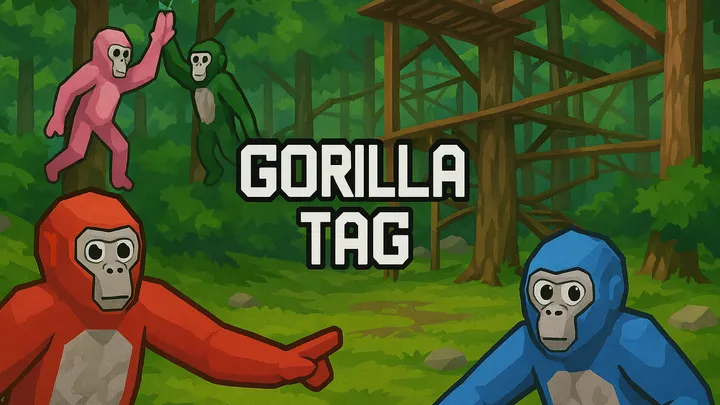
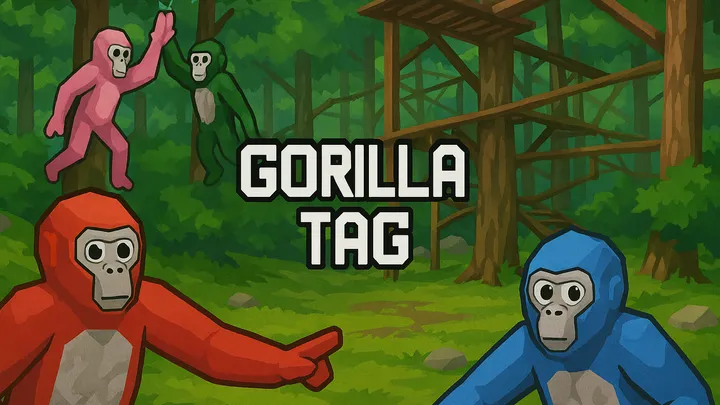
When Gorilla Tag was first released by developer Another Axiom in early access back in early 2021, few could have predicted the meteoric rise it would enjoy. The concept was almost childishly simple: you play as a gorilla in VR, using only your arms to move, jump, and climb, and the core game mode is… tag. That’s it. No complicated weapon systems. No sprawling maps with scripted events. No ultra-realistic graphics or heavy lore drops. Instead, it’s an unapologetically low-poly, physics-driven playground where movement is the mechanic.And yet, this stripped-down design has transformed Gorilla Tag from an experimental indie project into one of the most popular VR multiplayer games of all time. It’s a case study in how constraints can inspire innovation — and how social interaction, player creativity, and unconventional mechanics can create a phenomenon that defies traditional AAA wisdom.In this review, I’ll dissect Gorilla Tag from the perspective of a games analyst, covering its movement system, game design philosophy, social dynamics, competitive meta, community growth, technical execution, monetization strategy, and the future potential of the title. I’ll also touch on its cultural footprint and what it means for the VR industry as a whole.

Bloody Finger Jump
Is your finger faster then the others? Will your finger crush other enemies? Take up the challenge, compete and check how fast your fingers are. You can be sure that there will be blood...
Grand Theft Auto V
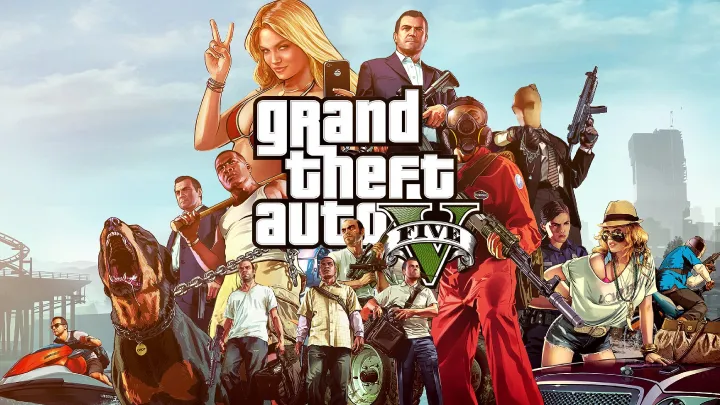
Grand Theft Auto V isn't simply a game; it is an economic, social, and cultural document of the 21st century. Taking the familiar chaotic sandbox of its predecessors, it expands it into a living, breathing world of San Andreas—teeming with meticulous detail and a biting, satirical wit. Whether you are pulled into its high-stakes criminal economy or its deep social simulation, GTA V delivers a profound and unforgettable masterclass in open-world design.
EA SPORTS FC™ 26
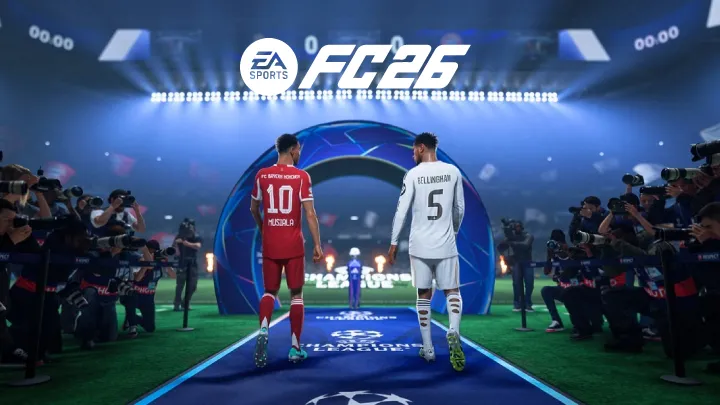
EA SPORTS FC™ 26 marks the third installment in the EA Sports FC era and is poised for release in September 2025. Developed by EA Vancouver and EA Romania, the game continues to showcase realism, player expression, and fidelity that fans expect—now with deeper gameplay variety and tactical richness. Covering multiple platforms—from next-gen consoles to PCs and even the new Nintendo Switch 2—FC 26 seeks to refine core mechanics while layering in strategic and narrative depth.
My Voice Zoo
MyVoiceZoo is a voice-focused platform/app designed to help users work with audio and voice-related tasks in a convenient, easy-to-use way. Instead of making everything complicated, MyVoiceZoo typically follows a simple workflow where users can get results faster, adjust key options, and reuse the tool for different voice needs. If you’re searching for a voice tool that feels practical and customization-friendly, MyVoiceZoo is worth considering.