Screenshot

























Escape from Tarkov Summary
Introduction: The Unforgiving Standard of Tactical FPSSince its initial closed beta entry in July 2017, Escape from Tarkov (EFT), developed by Battlestate Games, has evolved from a niche Russian indie project into a global phenomenon that defined the "Extraction Shooter" sub-genre. It is a game that defies modern gaming conventions by offering no hand-holding, a punishing learning curve, and a high-stakes economy where seconds determine hours of progress.As of early 2026, Tarkov remains in a state of continuous evolution. While the community still anticipates the mythical "Version 1.0" release, the game has expanded significantly with the introduction of complex maps like Streets of Tarkov and the highly debated Unheard Edition. Priced from $44.99 to over $200 for premium editions, Tarkov is not just a game—it is a military simulation hobby that demands absolute dedication.Narrative Design: The Ghost of the Norvinsk RegionThe lore of Tarkov is grounded in realistic political friction. Set in the fictional Norvinsk Special Economic Zone, the city of Tarkov has become a battleground between two Private Military Corporations (PMCs): USEC (Western-backed) and BEAR (Russian-backed). The narrative isn't handed to you in cutscenes; it is discovered through the cryptic dialogues of Traders like Prapor and Therapist, and the literal "environmental storytelling" of blood-stained hallways and abandoned bunkers.Every raid is a self-contained story. The narrative arc of a player usually moves from "The Scavenger"—desperately looking for lightbulbs and crackers—to "The Warlord," hunting down bosses like Killa or Tagilla in the bowels of the Interchange or Factory. The introduction of the permanent PvE mode in late 2024 allowed players to experience this lore without the constant threat of veteran "chads" resetting their progress, adding a new layer to the Tarkov saga.World & Environments: A Masterclass in Atmospheric GrimeThe environments in Escape from Tarkov are arguably the most detailed in the FPS genre. From the sprawling urban ruins of Streets of Tarkov to the claustrophobic, high-tech corridors of The Lab, every map feels lived-in and decayed.Environmental Fidelity:Ballistics and Penetration: Walls aren't just visual barriers; depending on the material (wood, metal, concrete) and your ammo caliber, bullets will behave realistically, ricocheting or penetrating cover.Soundscapes: Tarkov uses a sophisticated binaural audio system. Hearing the crunch of glass under a boot three floors above you is a core gameplay mechanic, not just flavor.Dynamic Time and Weather: A raid might start in a beautiful sunrise and end in a torrential downpour that masks the sound of your footsteps, completely changing your tactical approach mid-game.Gameplay Mechanics: Complexity Beyond ComparisonThe core loop of Tarkov is simple to describe but nearly impossible to master: Gear up, enter a Raid, complete objectives, and reach an Extraction point. If you die, you lose everything you brought with you.On-Field Mechanics:Weapon Modification: With thousands of real-world parts, you can strip a rifle down to its firing pin. You don't just "add a scope"; you choose the specific mount, eye relief, and rail system.Medical System: Damage is localized. If your leg is "blacked out," you cannot run until you perform surgery on yourself with a CMS kit. If you have a heavy bleed, you will leave a trail of blood for other players to track.Ballistics: There are over 100 types of ammunition. Choosing the wrong bullet for the enemy’s armor class is a death sentence.Progression: The Hideout and the MarketOutside of raids, Tarkov is a management simulator. The Hideout serves as your base of operations. Starting as a literal damp basement, you upgrade it into a high-tech facility with a Bitcoin farm, a water filtration system, and a shooting range.The Persistent Economy:The Flea Market: A player-driven auction house where the laws of supply and demand dictate the price of everything from elite ammunition to a pack of sugar.Trader Loyalty: Completing quests for NPCs unlocks better gear at lower prices, creating a long-term incentive to brave the most dangerous maps.Technical Execution: Power and ProblemsTarkov is a technical heavyweight. Built on a heavily modified Unity engine, it pushes PC hardware to its limits. To play effectively, especially on maps like Streets of Tarkov, 32GB of RAM and a powerful CPU are no longer optional—they are mandatory.Performance & Stability:Desync & Networking: Despite years of patches, "desync" (latency between what you see and what the server sees) remains the game’s "final boss."Visuals: The weapon models and lighting are industry-leading, but the optimization often lags behind, leading to frame-rate inconsistencies.Anti-Cheat: The battle against cheaters is a constant war. While BSG implements frequent "ban waves," the high-stakes nature of the game makes it a prime target for hackers.Community Feedback & The 2024 ControversyThe Tarkov community is one of the most passionate and vocal in gaming. In 2024, the game faced a massive crisis with the launch of the Unheard Edition, which initially locked a new PvE mode behind a $250 paywall, even for those who were promised "all future DLC."The resulting backlash forced Battlestate Games to pivot, eventually granting PvE access to more players and introducing "compensation" rewards. This event highlighted the delicate relationship between the developers and a community that feels a deep sense of ownership over the game's hardcore vision.Mode Diversity: PMC, Scav, and ArenaTarkov offers three distinct ways to play:PMC (Main): Using your own gear, risking it all for progression.Scav: Entering a raid as a local inhabitant with random gear. Anything you find is "free" profit.Arena: A standalone session-based combat game linked to your main character, focusing on pure PvP skill without the extraction mechanics.Final Verdict: The King of the HillEscape from Tarkov remains the undisputed king of extraction shooters. Despite its technical flaws and controversial development choices, no other developer has managed to replicate its specific blend of terror, triumph, and tactical depth. It is a masterpiece of game design that is often held back by its own ambition. For those with a powerful PC and nerves of steel, Tarkov is not just a game—it's an obsession.
Rating
Introduction: The Unforgiving Standard of Tactical FPS
Since its initial closed beta entry in July 2017, Escape from Tarkov (EFT), developed by Battlestate Games, has evolved from a niche Russian indie project into a global phenomenon that defined the "Extraction Shooter" sub-genre. It is a game that defies modern gaming conventions by offering no hand-holding, a punishing learning curve, and a high-stakes economy where seconds determine hours of progress.
As of early 2026, Tarkov remains in a state of continuous evolution. While the community still anticipates the mythical "Version 1.0" release, the game has expanded significantly with the introduction of complex maps like Streets of Tarkov and the highly debated Unheard Edition. Priced from $44.99 to over $200 for premium editions, Tarkov is not just a game—it is a military simulation hobby that demands absolute dedication.
Narrative Design: The Ghost of the Norvinsk Region
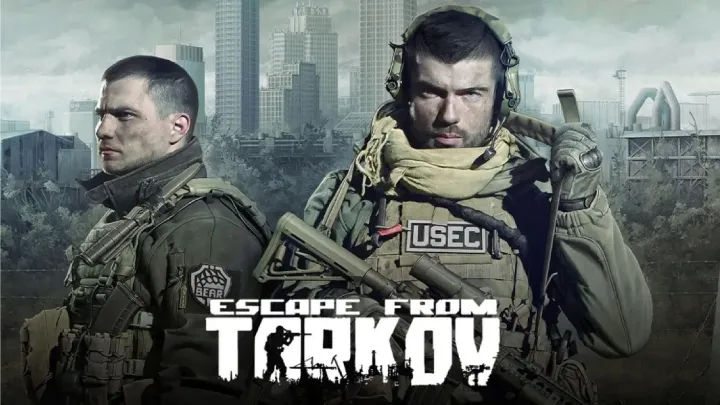
The lore of Tarkov is grounded in realistic political friction. Set in the fictional Norvinsk Special Economic Zone, the city of Tarkov has become a battleground between two Private Military Corporations (PMCs): USEC (Western-backed) and BEAR (Russian-backed). The narrative isn't handed to you in cutscenes; it is discovered through the cryptic dialogues of Traders like Prapor and Therapist, and the literal "environmental storytelling" of blood-stained hallways and abandoned bunkers.
Every raid is a self-contained story. The narrative arc of a player usually moves from "The Scavenger"—desperately looking for lightbulbs and crackers—to "The Warlord," hunting down bosses like Killa or Tagilla in the bowels of the Interchange or Factory. The introduction of the permanent PvE mode in late 2024 allowed players to experience this lore without the constant threat of veteran "chads" resetting their progress, adding a new layer to the Tarkov saga.
World & Environments: A Masterclass in Atmospheric Grime
The environments in Escape from Tarkov are arguably the most detailed in the FPS genre. From the sprawling urban ruins of Streets of Tarkov to the claustrophobic, high-tech corridors of The Lab, every map feels lived-in and decayed.
Environmental Fidelity:
- Ballistics and Penetration: Walls aren't just visual barriers; depending on the material (wood, metal, concrete) and your ammo caliber, bullets will behave realistically, ricocheting or penetrating cover.
- Soundscapes: Tarkov uses a sophisticated binaural audio system. Hearing the crunch of glass under a boot three floors above you is a core gameplay mechanic, not just flavor.
- Dynamic Time and Weather: A raid might start in a beautiful sunrise and end in a torrential downpour that masks the sound of your footsteps, completely changing your tactical approach mid-game.
Gameplay Mechanics: Complexity Beyond Comparison
The core loop of Tarkov is simple to describe but nearly impossible to master: Gear up, enter a Raid, complete objectives, and reach an Extraction point. If you die, you lose everything you brought with you.
On-Field Mechanics:
- Weapon Modification: With thousands of real-world parts, you can strip a rifle down to its firing pin. You don't just "add a scope"; you choose the specific mount, eye relief, and rail system.
- Medical System: Damage is localized. If your leg is "blacked out," you cannot run until you perform surgery on yourself with a CMS kit. If you have a heavy bleed, you will leave a trail of blood for other players to track.
- Ballistics: There are over 100 types of ammunition. Choosing the wrong bullet for the enemy’s armor class is a death sentence.
Progression: The Hideout and the Market
Outside of raids, Tarkov is a management simulator. The Hideout serves as your base of operations. Starting as a literal damp basement, you upgrade it into a high-tech facility with a Bitcoin farm, a water filtration system, and a shooting range.
The Persistent Economy:
- The Flea Market: A player-driven auction house where the laws of supply and demand dictate the price of everything from elite ammunition to a pack of sugar.
- Trader Loyalty: Completing quests for NPCs unlocks better gear at lower prices, creating a long-term incentive to brave the most dangerous maps.
Technical Execution: Power and Problems
Tarkov is a technical heavyweight. Built on a heavily modified Unity engine, it pushes PC hardware to its limits. To play effectively, especially on maps like Streets of Tarkov, 32GB of RAM and a powerful CPU are no longer optional—they are mandatory.
Performance & Stability:
- Desync & Networking: Despite years of patches, "desync" (latency between what you see and what the server sees) remains the game’s "final boss."
- Visuals: The weapon models and lighting are industry-leading, but the optimization often lags behind, leading to frame-rate inconsistencies.
- Anti-Cheat: The battle against cheaters is a constant war. While BSG implements frequent "ban waves," the high-stakes nature of the game makes it a prime target for hackers.
Community Feedback & The 2024 Controversy
The Tarkov community is one of the most passionate and vocal in gaming. In 2024, the game faced a massive crisis with the launch of the Unheard Edition, which initially locked a new PvE mode behind a $250 paywall, even for those who were promised "all future DLC."
The resulting backlash forced Battlestate Games to pivot, eventually granting PvE access to more players and introducing "compensation" rewards. This event highlighted the delicate relationship between the developers and a community that feels a deep sense of ownership over the game's hardcore vision.
Mode Diversity: PMC, Scav, and Arena
Tarkov offers three distinct ways to play:
- PMC (Main): Using your own gear, risking it all for progression.
- Scav: Entering a raid as a local inhabitant with random gear. Anything you find is "free" profit.
- Arena: A standalone session-based combat game linked to your main character, focusing on pure PvP skill without the extraction mechanics.
Final Verdict: The King of the Hill
Escape from Tarkov remains the undisputed king of extraction shooters. Despite its technical flaws and controversial development choices, no other developer has managed to replicate its specific blend of terror, triumph, and tactical depth. It is a masterpiece of game design that is often held back by its own ambition. For those with a powerful PC and nerves of steel, Tarkov is not just a game—it's an obsession.
Get Game Links
All trademarks belong to their respective owners.
Latest Reviews
Gorilla Tag
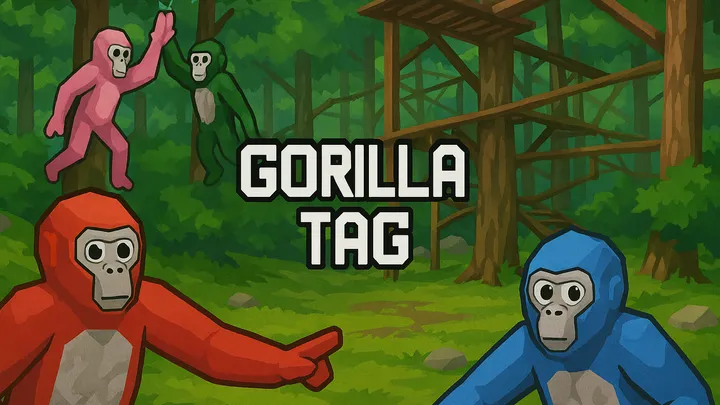
When Gorilla Tag was first released by developer Another Axiom in early access back in early 2021, few could have predicted the meteoric rise it would enjoy. The concept was almost childishly simple: you play as a gorilla in VR, using only your arms to move, jump, and climb, and the core game mode is… tag. That’s it. No complicated weapon systems. No sprawling maps with scripted events. No ultra-realistic graphics or heavy lore drops. Instead, it’s an unapologetically low-poly, physics-driven playground where movement is the mechanic.And yet, this stripped-down design has transformed Gorilla Tag from an experimental indie project into one of the most popular VR multiplayer games of all time. It’s a case study in how constraints can inspire innovation — and how social interaction, player creativity, and unconventional mechanics can create a phenomenon that defies traditional AAA wisdom.In this review, I’ll dissect Gorilla Tag from the perspective of a games analyst, covering its movement system, game design philosophy, social dynamics, competitive meta, community growth, technical execution, monetization strategy, and the future potential of the title. I’ll also touch on its cultural footprint and what it means for the VR industry as a whole.

Bloody Finger Jump
Is your finger faster then the others? Will your finger crush other enemies? Take up the challenge, compete and check how fast your fingers are. You can be sure that there will be blood...
Grand Theft Auto V
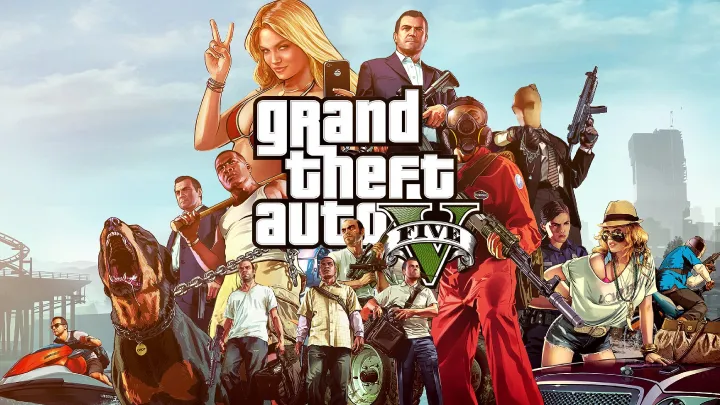
Grand Theft Auto V isn't simply a game; it is an economic, social, and cultural document of the 21st century. Taking the familiar chaotic sandbox of its predecessors, it expands it into a living, breathing world of San Andreas—teeming with meticulous detail and a biting, satirical wit. Whether you are pulled into its high-stakes criminal economy or its deep social simulation, GTA V delivers a profound and unforgettable masterclass in open-world design.

EA SPORTS FC™ 26
EA SPORTS FC™ 26 marks the third installment in the EA Sports FC era and is poised for release in September 2025. Developed by EA Vancouver and EA Romania, the game continues to showcase realism, player expression, and fidelity that fans expect—now with deeper gameplay variety and tactical richness. Covering multiple platforms—from next-gen consoles to PCs and even the new Nintendo Switch 2—FC 26 seeks to refine core mechanics while layering in strategic and narrative depth.
My Voice Zoo
MyVoiceZoo is a voice-focused platform/app designed to help users work with audio and voice-related tasks in a convenient, easy-to-use way. Instead of making everything complicated, MyVoiceZoo typically follows a simple workflow where users can get results faster, adjust key options, and reuse the tool for different voice needs. If you’re searching for a voice tool that feels practical and customization-friendly, MyVoiceZoo is worth considering.