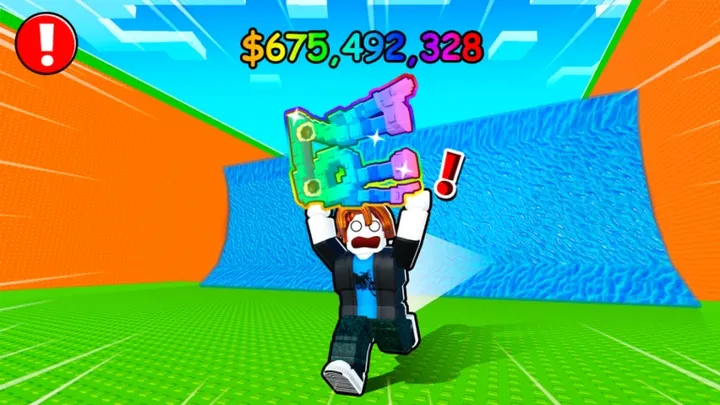
Roblox: Escape Tsunami For Brainrots!
All trademarks belong to their respective owners.
Screenshot
































Roblox: Escape Tsunami For Brainrots! Summary
IntroductionEscape Tsunami for Brainrots is a fast-paced Roblox game built around a simple but engaging concept: players must run, climb, and survive while escaping a massive tsunami chasing them from behind. Developed by a Roblox creator group (commonly associated with community groups like Wave of Brainrots), the game combines elements of obby (parkour), survival runner, and light tycoon mechanics. Players collect “Brainrots” as they progress, return to base to generate income, and upgrade their abilities to survive longer runs.At first glance, the gameplay loop feels addictive and exciting. However, beneath this fast-paced surface lies a significant issue: the game prioritizes speed and repetition over depth and long-term engagement. This article explores how the core gameplay loop, while initially fun, becomes shallow over time due to limited evolution and lack of meaningful variation.1. Core Gameplay Overview and MechanicsEscape Tsunami for Brainrots revolves around a simple loop: run forward, avoid obstacles, collect Brainrots, and escape the rising tsunami. The further players progress, the more rewards they earn.The game blends multiple genres into one experience, making it accessible but also somewhat repetitive.Basic gameplay features:Endless running with a pursuing tsunamiObstacle avoidance and parkour movementBrainrot collection systemBase return and passive income generationDespite this variety, all mechanics feed into a single repetitive loop.2. The Initial Excitement of Survival GameplayWhen players first start, the game feels intense and engaging. The constant pressure of the tsunami creates urgency, forcing players to react quickly and make fast decisions.This adrenaline-driven gameplay is one of the game’s biggest strengths, especially for casual players looking for quick entertainment.Early-game appeal:High-speed actionSimple controlsImmediate feedback (win or lose quickly)However, this excitement fades as players become familiar with the mechanics.3. Repetition in the Core Gameplay LoopOver time, players realize that the game loop rarely changes. Every run feels similar, with only minor differences in distance or rewards.The lack of variation makes the gameplay predictable, reducing long-term engagement.Core loop pattern:Run forwardAvoid obstaclesCollect BrainrotsReturn to baseUpgrade statsRepeatThis loop lacks meaningful transformation over time.4. Limited Map and Obstacle VarietyOne of the key issues lies in the environment design. While the map may extend in length, the types of obstacles and challenges do not significantly evolve.Players quickly learn how to overcome obstacles, which removes the challenge factor.Map-related limitations:Repetitive obstacle patternsMinimal environmental changesPredictable level designAs a result, the game becomes more about endurance than skill.5. Shallow Progression SystemThe upgrade system allows players to improve speed, carrying capacity, and efficiency. While this adds a sense of progression, it lacks depth.Upgrades do not fundamentally change how the game is played — they only make existing actions easier.Progression weaknesses:No new abilities unlockedNo gameplay-changing mechanicsLinear upgrade systemThis creates a feeling of “grinding” rather than meaningful growth.6. Brainrot Collection: Quantity Over StrategyCollecting Brainrots is a central mechanic, but it lacks strategic depth. Players simply pick up items along their path without making meaningful decisions.There is little risk-reward balance, as the optimal strategy is usually just “collect everything.”Collection issues:No prioritization systemNo rare mechanics affecting gameplayMinimal decision-making involvedThis reduces the mechanic to a repetitive task rather than a strategic element.7. The Role of the Tsunami MechanicThe tsunami acts as the main threat, pushing players forward and creating urgency. While effective early on, it becomes predictable over time.Players learn how fast it moves and how to avoid it, reducing tension.Tsunami limitations:Fixed behavior patternsNo dynamic difficulty scalingPredictable pressure systemWithout variation, the core threat loses impact.8. Lack of Meaningful Player ChoiceA major issue in the game is the absence of meaningful choices. Players are not required to make decisions that significantly impact gameplay outcomes.Most runs follow the same strategy regardless of player preference.Missing decision elements:No branching pathsNo skill-based buildsNo alternative playstylesThis limits replayability and player creativity.9. Dependence on Grinding for ProgressProgress in Escape Tsunami for Brainrots is heavily tied to grinding. Players must repeat the same actions multiple times to accumulate enough resources for upgrades.While grinding is common in many games, here it replaces skill-based progression.Grinding problems:Time-consuming progressionLow variation in gameplayReduced motivation over timeThis can lead to player burnout.10. Potential Improvements for Deeper GameplayTo enhance the experience, the game could introduce more depth and variation without sacrificing its accessibility.Suggested improvements:Dynamic obstacle systemsMultiple paths with different risks and rewardsUnique abilities or power-upsSmarter AI behavior for the tsunamiEvent-based gameplay changesThese changes would help balance speed with strategic depth.ConclusionEscape Tsunami for Brainrots succeeds in delivering fast-paced, accessible gameplay that is easy to understand and immediately engaging. Its combination of survival running, obby mechanics, and light tycoon elements makes it appealing to a wide audience, especially within the Roblox community.However, the game’s reliance on repetition, lack of meaningful progression, and limited gameplay variation prevent it from maintaining long-term engagement. By focusing too heavily on speed and simplicity, the game sacrifices depth and strategic complexity.With thoughtful improvements, Escape Tsunami for Brainrots has the potential to evolve into a more dynamic and rewarding experience that keeps players engaged beyond the initial excitement.
Rating
CONS
- ▶Cons 1 No new abilities unlocked
- ▶Cons 2 No gameplay-changing mechanics
- ▶Cons 3 Linear upgrade system
Introduction
Escape Tsunami for Brainrots is a fast-paced Roblox game built around a simple but engaging concept: players must run, climb, and survive while escaping a massive tsunami chasing them from behind. Developed by a Roblox creator group (commonly associated with community groups like Wave of Brainrots), the game combines elements of obby (parkour), survival runner, and light tycoon mechanics. Players collect “Brainrots” as they progress, return to base to generate income, and upgrade their abilities to survive longer runs.
At first glance, the gameplay loop feels addictive and exciting. However, beneath this fast-paced surface lies a significant issue: the game prioritizes speed and repetition over depth and long-term engagement. This article explores how the core gameplay loop, while initially fun, becomes shallow over time due to limited evolution and lack of meaningful variation.
1. Core Gameplay Overview and Mechanics
Escape Tsunami for Brainrots revolves around a simple loop: run forward, avoid obstacles, collect Brainrots, and escape the rising tsunami. The further players progress, the more rewards they earn.
The game blends multiple genres into one experience, making it accessible but also somewhat repetitive.
Basic gameplay features:
- Endless running with a pursuing tsunami
- Obstacle avoidance and parkour movement
- Brainrot collection system
- Base return and passive income generation
Despite this variety, all mechanics feed into a single repetitive loop.
2. The Initial Excitement of Survival Gameplay
When players first start, the game feels intense and engaging. The constant pressure of the tsunami creates urgency, forcing players to react quickly and make fast decisions.
This adrenaline-driven gameplay is one of the game’s biggest strengths, especially for casual players looking for quick entertainment.
Early-game appeal:
- High-speed action
- Simple controls
- Immediate feedback (win or lose quickly)
However, this excitement fades as players become familiar with the mechanics.
3. Repetition in the Core Gameplay Loop
Over time, players realize that the game loop rarely changes. Every run feels similar, with only minor differences in distance or rewards.
The lack of variation makes the gameplay predictable, reducing long-term engagement.
Core loop pattern:
- Run forward
- Avoid obstacles
- Collect Brainrots
- Return to base
- Upgrade stats
- Repeat
This loop lacks meaningful transformation over time.
4. Limited Map and Obstacle Variety
One of the key issues lies in the environment design. While the map may extend in length, the types of obstacles and challenges do not significantly evolve.
Players quickly learn how to overcome obstacles, which removes the challenge factor.
Map-related limitations:
- Repetitive obstacle patterns
- Minimal environmental changes
- Predictable level design
As a result, the game becomes more about endurance than skill.
5. Shallow Progression System
The upgrade system allows players to improve speed, carrying capacity, and efficiency. While this adds a sense of progression, it lacks depth.
Upgrades do not fundamentally change how the game is played — they only make existing actions easier.
Progression weaknesses:
- No new abilities unlocked
- No gameplay-changing mechanics
- Linear upgrade system
This creates a feeling of “grinding” rather than meaningful growth.
6. Brainrot Collection: Quantity Over Strategy
Collecting Brainrots is a central mechanic, but it lacks strategic depth. Players simply pick up items along their path without making meaningful decisions.
There is little risk-reward balance, as the optimal strategy is usually just “collect everything.”
Collection issues:
- No prioritization system
- No rare mechanics affecting gameplay
- Minimal decision-making involved
This reduces the mechanic to a repetitive task rather than a strategic element.
7. The Role of the Tsunami Mechanic
The tsunami acts as the main threat, pushing players forward and creating urgency. While effective early on, it becomes predictable over time.
Players learn how fast it moves and how to avoid it, reducing tension.
Tsunami limitations:
- Fixed behavior patterns
- No dynamic difficulty scaling
- Predictable pressure system
Without variation, the core threat loses impact.
8. Lack of Meaningful Player Choice
A major issue in the game is the absence of meaningful choices. Players are not required to make decisions that significantly impact gameplay outcomes.
Most runs follow the same strategy regardless of player preference.
Missing decision elements:
- No branching paths
- No skill-based builds
- No alternative playstyles
This limits replayability and player creativity.
9. Dependence on Grinding for Progress
Progress in Escape Tsunami for Brainrots is heavily tied to grinding. Players must repeat the same actions multiple times to accumulate enough resources for upgrades.
While grinding is common in many games, here it replaces skill-based progression.
Grinding problems:
- Time-consuming progression
- Low variation in gameplay
- Reduced motivation over time
This can lead to player burnout.
10. Potential Improvements for Deeper Gameplay
To enhance the experience, the game could introduce more depth and variation without sacrificing its accessibility.
Suggested improvements:
- Dynamic obstacle systems
- Multiple paths with different risks and rewards
- Unique abilities or power-ups
- Smarter AI behavior for the tsunami
- Event-based gameplay changes
These changes would help balance speed with strategic depth.
Conclusion
Escape Tsunami for Brainrots succeeds in delivering fast-paced, accessible gameplay that is easy to understand and immediately engaging. Its combination of survival running, obby mechanics, and light tycoon elements makes it appealing to a wide audience, especially within the Roblox community.
However, the game’s reliance on repetition, lack of meaningful progression, and limited gameplay variation prevent it from maintaining long-term engagement. By focusing too heavily on speed and simplicity, the game sacrifices depth and strategic complexity.
With thoughtful improvements, Escape Tsunami for Brainrots has the potential to evolve into a more dynamic and rewarding experience that keeps players engaged beyond the initial excitement.
Get Game Links
All trademarks belong to their respective owners.
Latest Reviews
Gorilla Tag
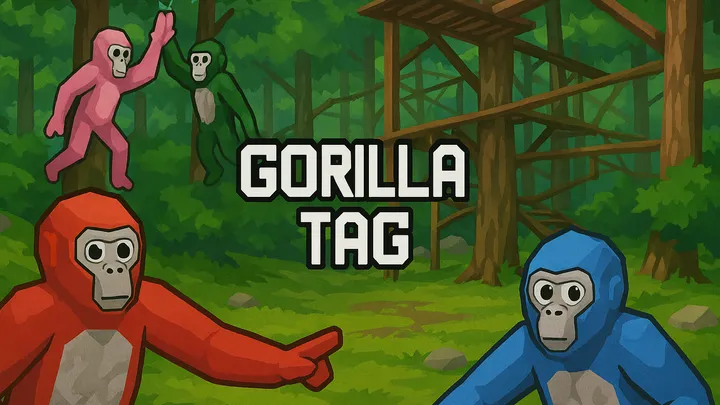
When Gorilla Tag was first released by developer Another Axiom in early access back in early 2021, few could have predicted the meteoric rise it would enjoy. The concept was almost childishly simple: you play as a gorilla in VR, using only your arms to move, jump, and climb, and the core game mode is… tag. That’s it. No complicated weapon systems. No sprawling maps with scripted events. No ultra-realistic graphics or heavy lore drops. Instead, it’s an unapologetically low-poly, physics-driven playground where movement is the mechanic.And yet, this stripped-down design has transformed Gorilla Tag from an experimental indie project into one of the most popular VR multiplayer games of all time. It’s a case study in how constraints can inspire innovation — and how social interaction, player creativity, and unconventional mechanics can create a phenomenon that defies traditional AAA wisdom.In this review, I’ll dissect Gorilla Tag from the perspective of a games analyst, covering its movement system, game design philosophy, social dynamics, competitive meta, community growth, technical execution, monetization strategy, and the future potential of the title. I’ll also touch on its cultural footprint and what it means for the VR industry as a whole.

Bloody Finger Jump
Is your finger faster then the others? Will your finger crush other enemies? Take up the challenge, compete and check how fast your fingers are. You can be sure that there will be blood...

Grand Theft Auto V
Grand Theft Auto V isn't simply a game; it is an economic, social, and cultural document of the 21st century. Taking the familiar chaotic sandbox of its predecessors, it expands it into a living, breathing world of San Andreas—teeming with meticulous detail and a biting, satirical wit. Whether you are pulled into its high-stakes criminal economy or its deep social simulation, GTA V delivers a profound and unforgettable masterclass in open-world design.

EA SPORTS FC™ 26
EA SPORTS FC™ 26 marks the third installment in the EA Sports FC era and is poised for release in September 2025. Developed by EA Vancouver and EA Romania, the game continues to showcase realism, player expression, and fidelity that fans expect—now with deeper gameplay variety and tactical richness. Covering multiple platforms—from next-gen consoles to PCs and even the new Nintendo Switch 2—FC 26 seeks to refine core mechanics while layering in strategic and narrative depth.
My Voice Zoo
MyVoiceZoo is a voice-focused platform/app designed to help users work with audio and voice-related tasks in a convenient, easy-to-use way. Instead of making everything complicated, MyVoiceZoo typically follows a simple workflow where users can get results faster, adjust key options, and reuse the tool for different voice needs. If you’re searching for a voice tool that feels practical and customization-friendly, MyVoiceZoo is worth considering.