Screenshot







FATAL FURY: City of the Wolves Summary
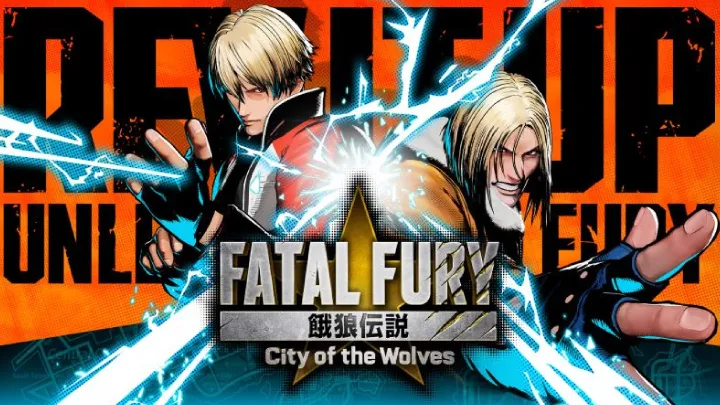
IntroductionAfter decades of silence, SNK has revived one of its most iconic franchises with Fatal Fury: City of the Wolves. First teased during EVO 2022, the game serves as both a nostalgic return for fans of the classic Fatal Fury and an ambitious evolution of the fighting genre. With modern visuals, innovative mechanics, and a reimagined roster, City of the Wolves positions itself as SNK’s bold step into the new era of competitive fighting games.The Legacy of Fatal FuryThe Fatal Fury series helped define SNK’s identity in the 1990s, introducing characters like Terry Bogard, Geese Howard, and Mai Shiranui—icons who later became staples in King of Fighters. The return of Fatal Fury isn’t just another fighting game release; it’s a revival of history, a continuation of Garou: Mark of the Wolves, and a statement that SNK still has plenty to contribute to the fighting game landscape.Setting and AtmosphereCity of the Wolves immerses players in Southtown, a gritty urban landscape brimming with crime, rivalries, and martial arts battles. Unlike the flashy arenas of other fighting franchises, Southtown feels like a living, breathing city with narrative weight.Every stage—whether it’s a neon-lit street corner or an underground fighting pit—reflects the series’ tone of survival, ambition, and defiance.Gameplay MechanicsRevamped Combat FlowCity of the Wolves balances traditional 2D fighting fundamentals with modern mechanics:Rev System: A meter-based feature that enables enhanced moves and cancels.Dynamic Combos: Fluid chaining that makes gameplay more accessible without losing depth.Parry & Dodge: Defensive mechanics give strategic counterplay.Accessibility for New PlayersSNK introduces simplified inputs, allowing newcomers to enjoy the game without sacrificing the technical mastery veterans expect.Character RosterThe roster blends returning legends with new challengers:Terry Bogard: The face of Fatal Fury, returning with iconic moves like Power Geyser.Rock Howard: A fan favorite from Garou: Mark of the Wolves, carrying his father’s legacy.New Fighters: Fresh characters expand the lore while diversifying playstyles.Each fighter features distinct mechanics, animations, and personality, ensuring the cast feels both familiar and innovative.Visuals and PresentationCity of the Wolves adopts a stylized, anime-inspired 3D art style, merging fluid animation with bold color palettes.Cinematic Intros: Characters exchange dialogue before battles, adding narrative flair.Detailed Stages: Neon lights, bustling streets, and moody alleys enhance atmosphere.Modern Polish: Effects like particle bursts, smooth transitions, and enhanced hit impacts bring energy to each match.The presentation respects the series’ roots while embracing modern graphics standards.Story Mode and NarrativeUnlike purely competitive fighters, City of the Wolves invests in narrative:Character Arcs: Each fighter has personal stakes tied to Southtown’s underworld.Legacy Connections: Fans of Mark of the Wolves will see direct story continuations.Cinematic Sequences: Storytelling is delivered through voiced cutscenes and in-game interactions.This approach ensures the game appeals to both casual players and lore enthusiasts.Multiplayer and Competitive PlaySNK designed City of the Wolves with esports in mind:Rollback Netcode: Smooth online play across regions.Ranked & Casual Modes: Competitive ladders and relaxed matchmaking options.Training Tools: Frame data, replay systems, and combo trials for serious competitors.By addressing past criticisms of SNK’s online infrastructure, the game sets a strong foundation for competitive longevity.Soundtrack and Audio DesignMusic has always been central to Fatal Fury, and City of the Wolves continues this legacy:Character Themes: Each fighter has a unique track that reflects their style and personality.Urban Beats: Jazz, hip-hop, and electronic influences tie into Southtown’s gritty vibe.Voice Acting: Multilingual performances bring authenticity to the cast.The soundtrack not only energizes battles but also enriches the atmosphere of Southtown.Strengths of Fatal Fury: City of the WolvesFaithful revival of a legendary franchise.Balanced mechanics for both veterans and newcomers.Strong character roster mixing classics with newcomers.Esports-ready with rollback netcode and competitive tools.Stylish visuals and memorable soundtrack.Weaknesses of Fatal Fury: City of the WolvesRoster size at launch may feel limited compared to competitors.Story mode depth uncertain compared to narrative-rich fighters.Accessibility features risk oversimplifying advanced play.Competing against giants like Street Fighter 6 and Tekken 8.Final VerdictFatal Fury: City of the Wolves is both a celebration of SNK’s history and a confident stride into the future. With polished mechanics, stylish presentation, and a roster that pays homage to its roots, the game positions itself as a serious contender in the modern fighting scene. While it faces stiff competition, its unique identity ensures it won’t be overlooked.
Rating
Introduction
After decades of silence, SNK has revived one of its most iconic franchises with Fatal Fury: City of the Wolves. First teased during EVO 2022, the game serves as both a nostalgic return for fans of the classic Fatal Fury and an ambitious evolution of the fighting genre. With modern visuals, innovative mechanics, and a reimagined roster, City of the Wolves positions itself as SNK’s bold step into the new era of competitive fighting games.
The Legacy of Fatal Fury
The Fatal Fury series helped define SNK’s identity in the 1990s, introducing characters like Terry Bogard, Geese Howard, and Mai Shiranui—icons who later became staples in King of Fighters. The return of Fatal Fury isn’t just another fighting game release; it’s a revival of history, a continuation of Garou: Mark of the Wolves, and a statement that SNK still has plenty to contribute to the fighting game landscape.
Setting and Atmosphere
City of the Wolves immerses players in Southtown, a gritty urban landscape brimming with crime, rivalries, and martial arts battles. Unlike the flashy arenas of other fighting franchises, Southtown feels like a living, breathing city with narrative weight.
Every stage—whether it’s a neon-lit street corner or an underground fighting pit—reflects the series’ tone of survival, ambition, and defiance.
Gameplay Mechanics
Revamped Combat Flow
City of the Wolves balances traditional 2D fighting fundamentals with modern mechanics:
- Rev System: A meter-based feature that enables enhanced moves and cancels.
- Dynamic Combos: Fluid chaining that makes gameplay more accessible without losing depth.
- Parry & Dodge: Defensive mechanics give strategic counterplay.
Accessibility for New Players
SNK introduces simplified inputs, allowing newcomers to enjoy the game without sacrificing the technical mastery veterans expect.
Character Roster
The roster blends returning legends with new challengers:
- Terry Bogard: The face of Fatal Fury, returning with iconic moves like Power Geyser.
- Rock Howard: A fan favorite from Garou: Mark of the Wolves, carrying his father’s legacy.
- New Fighters: Fresh characters expand the lore while diversifying playstyles.
Each fighter features distinct mechanics, animations, and personality, ensuring the cast feels both familiar and innovative.
Visuals and Presentation
City of the Wolves adopts a stylized, anime-inspired 3D art style, merging fluid animation with bold color palettes.
- Cinematic Intros: Characters exchange dialogue before battles, adding narrative flair.
- Detailed Stages: Neon lights, bustling streets, and moody alleys enhance atmosphere.
- Modern Polish: Effects like particle bursts, smooth transitions, and enhanced hit impacts bring energy to each match.
The presentation respects the series’ roots while embracing modern graphics standards.
Story Mode and Narrative
Unlike purely competitive fighters, City of the Wolves invests in narrative:
- Character Arcs: Each fighter has personal stakes tied to Southtown’s underworld.
- Legacy Connections: Fans of Mark of the Wolves will see direct story continuations.
- Cinematic Sequences: Storytelling is delivered through voiced cutscenes and in-game interactions.
This approach ensures the game appeals to both casual players and lore enthusiasts.
Multiplayer and Competitive Play
SNK designed City of the Wolves with esports in mind:
- Rollback Netcode: Smooth online play across regions.
- Ranked & Casual Modes: Competitive ladders and relaxed matchmaking options.
- Training Tools: Frame data, replay systems, and combo trials for serious competitors.
By addressing past criticisms of SNK’s online infrastructure, the game sets a strong foundation for competitive longevity.
Soundtrack and Audio Design
Music has always been central to Fatal Fury, and City of the Wolves continues this legacy:
- Character Themes: Each fighter has a unique track that reflects their style and personality.
- Urban Beats: Jazz, hip-hop, and electronic influences tie into Southtown’s gritty vibe.
- Voice Acting: Multilingual performances bring authenticity to the cast.
The soundtrack not only energizes battles but also enriches the atmosphere of Southtown.
Strengths of Fatal Fury: City of the Wolves
- Faithful revival of a legendary franchise.
- Balanced mechanics for both veterans and newcomers.
- Strong character roster mixing classics with newcomers.
- Esports-ready with rollback netcode and competitive tools.
- Stylish visuals and memorable soundtrack.
Weaknesses of Fatal Fury: City of the Wolves
- Roster size at launch may feel limited compared to competitors.
- Story mode depth uncertain compared to narrative-rich fighters.
- Accessibility features risk oversimplifying advanced play.
- Competing against giants like Street Fighter 6 and Tekken 8.
Final Verdict
Fatal Fury: City of the Wolves is both a celebration of SNK’s history and a confident stride into the future. With polished mechanics, stylish presentation, and a roster that pays homage to its roots, the game positions itself as a serious contender in the modern fighting scene. While it faces stiff competition, its unique identity ensures it won’t be overlooked.
Get Game Links
All trademarks belong to their respective owners.
Latest Reviews
Gorilla Tag
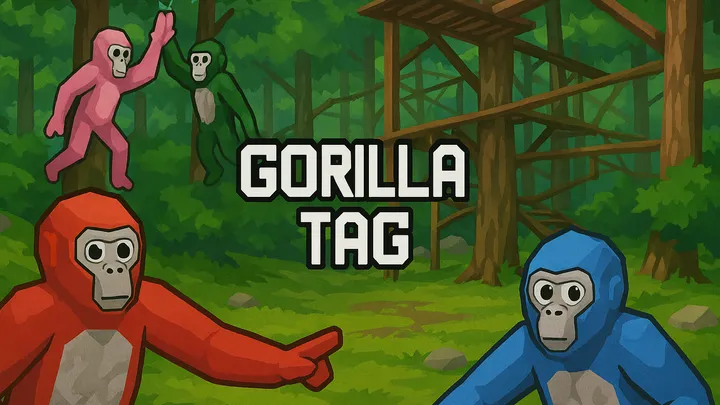
When Gorilla Tag was first released by developer Another Axiom in early access back in early 2021, few could have predicted the meteoric rise it would enjoy. The concept was almost childishly simple: you play as a gorilla in VR, using only your arms to move, jump, and climb, and the core game mode is… tag. That’s it. No complicated weapon systems. No sprawling maps with scripted events. No ultra-realistic graphics or heavy lore drops. Instead, it’s an unapologetically low-poly, physics-driven playground where movement is the mechanic.And yet, this stripped-down design has transformed Gorilla Tag from an experimental indie project into one of the most popular VR multiplayer games of all time. It’s a case study in how constraints can inspire innovation — and how social interaction, player creativity, and unconventional mechanics can create a phenomenon that defies traditional AAA wisdom.In this review, I’ll dissect Gorilla Tag from the perspective of a games analyst, covering its movement system, game design philosophy, social dynamics, competitive meta, community growth, technical execution, monetization strategy, and the future potential of the title. I’ll also touch on its cultural footprint and what it means for the VR industry as a whole.

Bloody Finger Jump
Is your finger faster then the others? Will your finger crush other enemies? Take up the challenge, compete and check how fast your fingers are. You can be sure that there will be blood...
Grand Theft Auto V
Grand Theft Auto V isn't simply a game; it is an economic, social, and cultural document of the 21st century. Taking the familiar chaotic sandbox of its predecessors, it expands it into a living, breathing world of San Andreas—teeming with meticulous detail and a biting, satirical wit. Whether you are pulled into its high-stakes criminal economy or its deep social simulation, GTA V delivers a profound and unforgettable masterclass in open-world design.
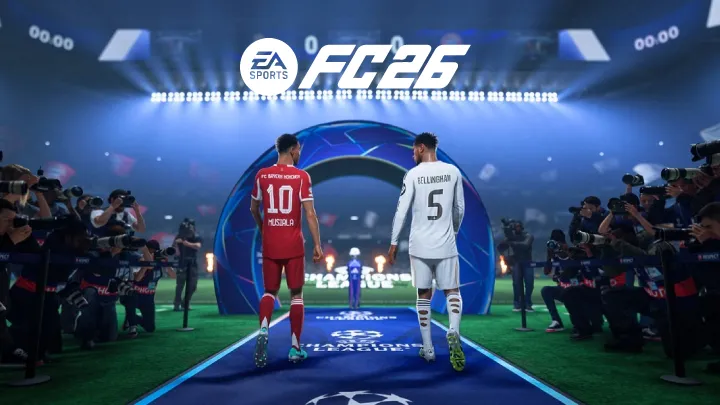
EA SPORTS FC™ 26
EA SPORTS FC™ 26 marks the third installment in the EA Sports FC era and is poised for release in September 2025. Developed by EA Vancouver and EA Romania, the game continues to showcase realism, player expression, and fidelity that fans expect—now with deeper gameplay variety and tactical richness. Covering multiple platforms—from next-gen consoles to PCs and even the new Nintendo Switch 2—FC 26 seeks to refine core mechanics while layering in strategic and narrative depth.
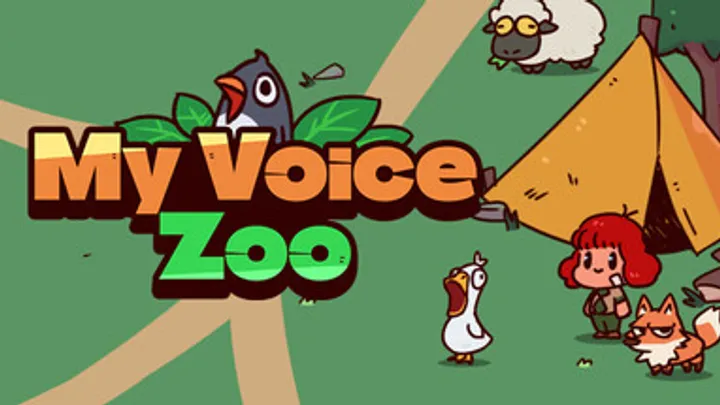
My Voice Zoo
MyVoiceZoo is a voice-focused platform/app designed to help users work with audio and voice-related tasks in a convenient, easy-to-use way. Instead of making everything complicated, MyVoiceZoo typically follows a simple workflow where users can get results faster, adjust key options, and reuse the tool for different voice needs. If you’re searching for a voice tool that feels practical and customization-friendly, MyVoiceZoo is worth considering.