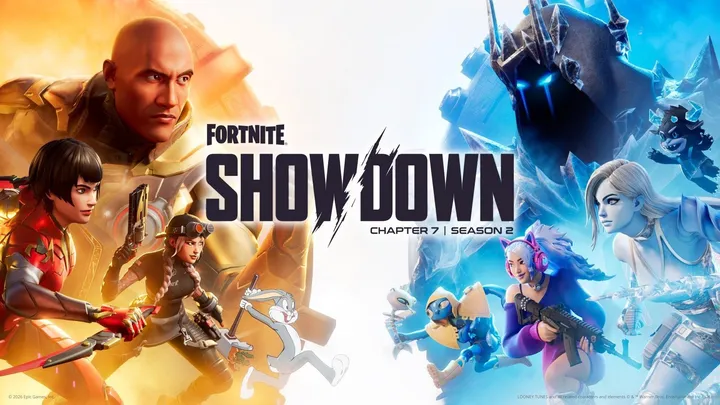
Fortnite Chapter 7 Season 2: Showdown
All trademarks belong to their respective owners.
Screenshot





























Fortnite Chapter 7 Season 2: Showdown Summary
Introduction Fortnite Chapter 7 Season 2: Showdown is a season-focused update that pushes Fortnite toward high‑intensity, spectator‑ready gameplay. Building on Fortnite’s constant evolution, this season centers on “Showdown” mechanics—fast matches, tuned combat, and event-driven map changes—designed to create dramatic moments for both players and viewers. Whether you’re a competitive player, streamer, or casual seeking fresh content, Showdown reshapes rotations, loot, and objectives to emphasize skill and spectacle.Core FeaturesShowdown ThemeEvent-Focused Modes: The season features Showdown playlists and limited-time modes that spotlight quick eliminations, clutch finales, and bracket-style competition.High-Drama Rulesets: Timed modifiers and special objectives increase the stakes of each match, encouraging aggressive plays and decisive endgames.New POIs & ArenasShowdown Locations: Chapter 7 Season 2 adds temporary POIs and dedicated arenas built for intense encounters—vertical layouts, interactive elements, and choke points that funnel engagements.Dynamic Map Events: Periodic map alterations and triggered events keep rotations unpredictable and force adaptive strategies.Rule Modifiers & Gameplay ChangesCombat-First Adjustments: Modified storm timers, altered material limits, and curated weapon spawns shift focus away from long build battles toward faster gunfights and positioning.Special Items & Spawn Rules: Season-specific weapon drops and modifiers (e.g., limited healing or unique throwables) change how teams prepare for endgame.Seasonal Battle Pass & RewardsShowdown-Themed Cosmetics: New skins, emotes, pickaxes, and loadout cosmetics reflect the Showdown theme, with progression challenges geared toward competitive play.Performance Challenges: Weekly and seasonal objectives reward high-skill play and event participation, incentivizing players to engage with competitive modes.Tournaments & EventsIntegrated Tournaments: Quick qualifiers, showmatches, and streamer events are woven into the season, offering structure for competitive and community-driven activities.Spectator Tools: Improved replay and spectator features make it easier for creators and viewers to capture highlights and analyze plays.Strengths and WeaknessesStrengthsCompetitive, Skill-Focused Design: Rules and POI layouts reward positioning, aim, and decision-making, making Showdown ideal for players wanting a higher-skill experience.Spectator-Ready Matches: Shorter, drama-filled matches produce clear highlights and are well-suited for streaming and event coverage.Fresh Meta & Variety: Modifiers and temporary content shake up standard Fortnite play, encouraging new strategies and preventing stale metas.Engaging Seasonal Rewards: Themed cosmetics and performance-based challenges give players meaningful goals tied to the season’s identity.Event Ecosystem: Built-in tournament support and streamer-friendly events strengthen community engagement and competitive opportunities.WeaknessesLess Accessible for Casuals: The competitive emphasis, faster pace, and pressure to perform can be intimidating for players seeking relaxed play.Balance Concerns: If modifiers or weapon spawns aren’t tuned correctly, dominant strategies or overpowered items can emerge and reduce variety.Technical Sensitivity: Competitive formats expose issues like lag, hit‑registration problems, and matchmaking imbalances more starkly than casual play.Seasonality of Content: Many Showdown POIs, modifiers, and event items are temporary—when the season ends, some of the unique experiences vanish.Increased Risk of Toxicity: The high‑stakes environment may foster negative behavior unless robust moderation and reporting systems are maintained.Conclusion Fortnite Chapter 7 Season 2: Showdown refocuses Fortnite toward high‑skill, high‑drama gameplay designed for players who want intense, spectator‑friendly matches. With tailored POIs, combat‑first modifiers, and integrated events, the season provides a compelling platform for competitive play and streaming. However, its competitive tilt may leave casual players feeling pressured, and technical/balance tuning will be crucial to ensuring Showdown feels fair and fun.Final Thoughts If you relish fast, high‑stakes Fortnite matches and enjoy producing or watching highlight‑driven gameplay, Chapter 7 Season 2: Showdown delivers a season tailored to that appetite. For those who prefer a more relaxed sandbox or creative experience, consider splitting time between Showdown modes and standard playlists—this season rewards practice, adaptability, and a willingness to lean into the chaos of the Showdown.
Rating
Introduction
Fortnite Chapter 7 Season 2: Showdown is a season-focused update that pushes Fortnite toward high‑intensity, spectator‑ready gameplay. Building on Fortnite’s constant evolution, this season centers on “Showdown” mechanics—fast matches, tuned combat, and event-driven map changes—designed to create dramatic moments for both players and viewers. Whether you’re a competitive player, streamer, or casual seeking fresh content, Showdown reshapes rotations, loot, and objectives to emphasize skill and spectacle.
Core Features
Showdown Theme
- Event-Focused Modes: The season features Showdown playlists and limited-time modes that spotlight quick eliminations, clutch finales, and bracket-style competition.
- High-Drama Rulesets: Timed modifiers and special objectives increase the stakes of each match, encouraging aggressive plays and decisive endgames.
New POIs & Arenas
- Showdown Locations: Chapter 7 Season 2 adds temporary POIs and dedicated arenas built for intense encounters—vertical layouts, interactive elements, and choke points that funnel engagements.
- Dynamic Map Events: Periodic map alterations and triggered events keep rotations unpredictable and force adaptive strategies.
Rule Modifiers & Gameplay Changes
- Combat-First Adjustments: Modified storm timers, altered material limits, and curated weapon spawns shift focus away from long build battles toward faster gunfights and positioning.
- Special Items & Spawn Rules: Season-specific weapon drops and modifiers (e.g., limited healing or unique throwables) change how teams prepare for endgame.
Seasonal Battle Pass & Rewards
- Showdown-Themed Cosmetics: New skins, emotes, pickaxes, and loadout cosmetics reflect the Showdown theme, with progression challenges geared toward competitive play.
- Performance Challenges: Weekly and seasonal objectives reward high-skill play and event participation, incentivizing players to engage with competitive modes.
Tournaments & Events
- Integrated Tournaments: Quick qualifiers, showmatches, and streamer events are woven into the season, offering structure for competitive and community-driven activities.
- Spectator Tools: Improved replay and spectator features make it easier for creators and viewers to capture highlights and analyze plays.
Strengths and Weaknesses
Strengths
- Competitive, Skill-Focused Design: Rules and POI layouts reward positioning, aim, and decision-making, making Showdown ideal for players wanting a higher-skill experience.
- Spectator-Ready Matches: Shorter, drama-filled matches produce clear highlights and are well-suited for streaming and event coverage.
- Fresh Meta & Variety: Modifiers and temporary content shake up standard Fortnite play, encouraging new strategies and preventing stale metas.
- Engaging Seasonal Rewards: Themed cosmetics and performance-based challenges give players meaningful goals tied to the season’s identity.
- Event Ecosystem: Built-in tournament support and streamer-friendly events strengthen community engagement and competitive opportunities.
Weaknesses
- Less Accessible for Casuals: The competitive emphasis, faster pace, and pressure to perform can be intimidating for players seeking relaxed play.
- Balance Concerns: If modifiers or weapon spawns aren’t tuned correctly, dominant strategies or overpowered items can emerge and reduce variety.
- Technical Sensitivity: Competitive formats expose issues like lag, hit‑registration problems, and matchmaking imbalances more starkly than casual play.
- Seasonality of Content: Many Showdown POIs, modifiers, and event items are temporary—when the season ends, some of the unique experiences vanish.
- Increased Risk of Toxicity: The high‑stakes environment may foster negative behavior unless robust moderation and reporting systems are maintained.
Conclusion
Fortnite Chapter 7 Season 2: Showdown refocuses Fortnite toward high‑skill, high‑drama gameplay designed for players who want intense, spectator‑friendly matches. With tailored POIs, combat‑first modifiers, and integrated events, the season provides a compelling platform for competitive play and streaming. However, its competitive tilt may leave casual players feeling pressured, and technical/balance tuning will be crucial to ensuring Showdown feels fair and fun.
Final Thoughts
If you relish fast, high‑stakes Fortnite matches and enjoy producing or watching highlight‑driven gameplay, Chapter 7 Season 2: Showdown delivers a season tailored to that appetite. For those who prefer a more relaxed sandbox or creative experience, consider splitting time between Showdown modes and standard playlists—this season rewards practice, adaptability, and a willingness to lean into the chaos of the Showdown.
Get Game Links
All trademarks belong to their respective owners.
Latest Reviews

Gorilla Tag
When Gorilla Tag was first released by developer Another Axiom in early access back in early 2021, few could have predicted the meteoric rise it would enjoy. The concept was almost childishly simple: you play as a gorilla in VR, using only your arms to move, jump, and climb, and the core game mode is… tag. That’s it. No complicated weapon systems. No sprawling maps with scripted events. No ultra-realistic graphics or heavy lore drops. Instead, it’s an unapologetically low-poly, physics-driven playground where movement is the mechanic.And yet, this stripped-down design has transformed Gorilla Tag from an experimental indie project into one of the most popular VR multiplayer games of all time. It’s a case study in how constraints can inspire innovation — and how social interaction, player creativity, and unconventional mechanics can create a phenomenon that defies traditional AAA wisdom.In this review, I’ll dissect Gorilla Tag from the perspective of a games analyst, covering its movement system, game design philosophy, social dynamics, competitive meta, community growth, technical execution, monetization strategy, and the future potential of the title. I’ll also touch on its cultural footprint and what it means for the VR industry as a whole.

Bloody Finger Jump
Is your finger faster then the others? Will your finger crush other enemies? Take up the challenge, compete and check how fast your fingers are. You can be sure that there will be blood...
Grand Theft Auto V
Grand Theft Auto V isn't simply a game; it is an economic, social, and cultural document of the 21st century. Taking the familiar chaotic sandbox of its predecessors, it expands it into a living, breathing world of San Andreas—teeming with meticulous detail and a biting, satirical wit. Whether you are pulled into its high-stakes criminal economy or its deep social simulation, GTA V delivers a profound and unforgettable masterclass in open-world design.
EA SPORTS FC™ 26
EA SPORTS FC™ 26 marks the third installment in the EA Sports FC era and is poised for release in September 2025. Developed by EA Vancouver and EA Romania, the game continues to showcase realism, player expression, and fidelity that fans expect—now with deeper gameplay variety and tactical richness. Covering multiple platforms—from next-gen consoles to PCs and even the new Nintendo Switch 2—FC 26 seeks to refine core mechanics while layering in strategic and narrative depth.
My Voice Zoo
MyVoiceZoo is a voice-focused platform/app designed to help users work with audio and voice-related tasks in a convenient, easy-to-use way. Instead of making everything complicated, MyVoiceZoo typically follows a simple workflow where users can get results faster, adjust key options, and reuse the tool for different voice needs. If you’re searching for a voice tool that feels practical and customization-friendly, MyVoiceZoo is worth considering.