Screenshot























Geometry Dash Summary
Geometry Dash: The Ultimate Rhythm-Based Platformer That Defies GravityGeometry Dash is more than just a simple tap-to-jump game — it's a visually stimulating, rhythm-based platformer that has captivated millions of players around the globe since its launch. With its electrifying soundtrack, intense gameplay, and near-impossible levels, Geometry Dash offers both a rewarding challenge and an addictive loop of retries and triumphs. In this in-depth review, we’ll explore the game's evolution, gameplay mechanics, community, updates, and why it remains one of the most iconic indie games on mobile and PC platforms.1. The Birth of Geometry DashA One-Man Indie Success StoryGeometry Dash was developed and published by Robert Topala, under the game studio RobTop Games, and released in August 2013. Unlike most mobile games at the time, Geometry Dash did not rely on freemium elements or ads, but instead focused entirely on pure, skill-based gameplay.Concept and InspirationThe inspiration for the game came from a simple prototype Robert created, which involved a cube that could jump over spikes. As development progressed, the concept of synchronizing movement with music became central, and thus, a rhythm-based platformer was born. The blend of tight platforming and pulsating beats gave Geometry Dash its unique identity.2. Understanding the Core GameplaySimple Controls, Brutal DifficultyAt its core, Geometry Dash uses one-touch controls — players tap to make the character jump or fly. However, this simplicity is deceptive. The game is notoriously difficult, requiring perfect timing and memorization to survive each level.Game Modes and MechanicsAs the game progressed through updates, it introduced different vehicle forms:Cube: The basic form that jumps.Ship: Flies and responds to touch like Flappy Bird.Ball: Flips gravity when tapped.UFO, Wave, Robot, Spider: Each introduces unique physics and challenges.Switching between these mid-level adds an extra layer of complexity.3. The Role of Music in GameplaySynced Levels with EDM BeatsGeometry Dash levels are closely tied to electronic music tracks, mostly from artists like DJVI, F-777, and Waterflame. The beats and drops act as visual and timing cues, reinforcing player muscle memory.Audio as a Gameplay ToolEach jump, obstacle, and portal is strategically placed to match the music, making rhythm not just a feature but an essential gameplay mechanic. Players often memorize the music to navigate difficult segments.4. Game Modes and Level TypesOfficial Levels vs. User-Created LevelsThe base game contains a series of official levels designed by RobTop. Each one introduces new mechanics and gradually increases in difficulty.Practice Mode and Custom ChallengesPlayers can:Use Practice Mode to place checkpoints.Explore Demon-rated levels (hardest difficulty).Play Daily, Weekly, and Gauntlet Challenges.These additional modes offer near-infinite content and keep gameplay fresh.5. Community-Created Content and Level EditorThe Power of User LevelsSince version 1.9, Geometry Dash includes a level editor, allowing players to design and upload their own levels. This feature exploded in popularity, turning Geometry Dash into a community-driven platform.Top Creations and Verified ChallengesSome user-created levels rival or even surpass the difficulty and creativity of official levels. Notable examples include:Bloodbath by RiotSonic Wave by CyclicTartarus by DolphyThese extreme demons often require hundreds of hours to complete and are seen as badges of honor in the community.6. Major Updates Over the YearsFrom 1.0 to 2.2 — A Decade of EvolutionRobTop has released major updates that introduced new levels, game mechanics, and editor tools:v1.6: Introduced the wave formv1.9: Introduced the level editor and user levelsv2.0: Brought dramatic visual improvementsv2.1: Added the spider mode and daily levelsv2.2 (2023): The most awaited update, adding platformer mode, camera controls, and multiplayer featuresUpdate 2.2 – The Biggest Leap YetAfter nearly six years of delay, update 2.2 completely transformed Geometry Dash into a semi-platformer game with free-movement sections and vertical level designs. This update revitalized the player base and introduced new creative possibilities.7. The Geometry Dash CommunityGlobal Fanbase and CreatorsThe Geometry Dash fanbase is passionate and global. YouTube creators like GuitarHeroStyles, Nexus, and Wulzy have built massive followings by showcasing level completions, editor guides, and fan-made content.Competitions and LeaderboardsPlayers compete for:Leaderboard rankingsFastest completions of Extreme DemonsTop creator awardsCommunities on Discord and Reddit continue to thrive with thousands of active members.8. Spin-Offs and VariantsGeometry Dash Lite, SubZero, Meltdown, WorldRobTop released free-to-play variants with exclusive levels and soundtracks:Lite: A demo with fewer levelsMeltdown: Features F-777’s musicWorld: Introduces daily levelsSubZero: Highlights new 2.2 mechanicsThese spin-offs serve as onboarding experiences and also showcase different musical artists.Console or PC Expansion?Although primarily a mobile game, Geometry Dash is also available on Steam for Windows and macOS. The PC version offers enhanced controls via keyboard and a larger screen, making it ideal for custom level creators.9. Final Rating: 9.3/10 Geometry Dash is more than a game—it’s a global platform for creativity, challenge, and rhythm-based fun. It rewards players who persist through failure and allows creators to shape entire worlds of their own design. Even a decade after its release, it remains relevant, vibrant, and addictive.Whether you're in it to beat Deadlocked or design the next viral Demon level, Geometry Dash is a must-play title for fans of precision platformers and rhythm gaming alike.
Rating
Geometry Dash: The Ultimate Rhythm-Based Platformer That Defies Gravity
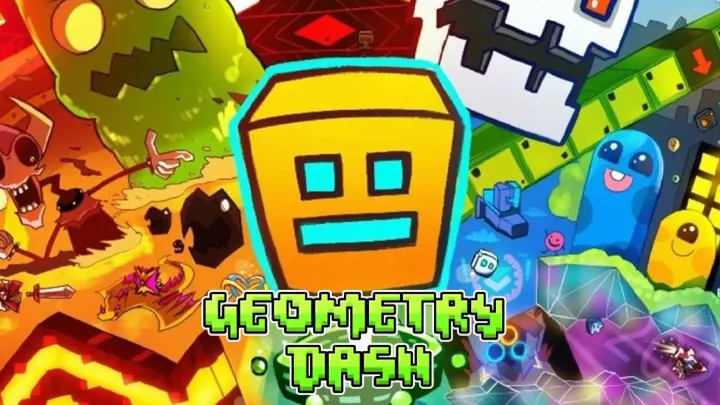
Geometry Dash is more than just a simple tap-to-jump game — it's a visually stimulating, rhythm-based platformer that has captivated millions of players around the globe since its launch. With its electrifying soundtrack, intense gameplay, and near-impossible levels, Geometry Dash offers both a rewarding challenge and an addictive loop of retries and triumphs. In this in-depth review, we’ll explore the game's evolution, gameplay mechanics, community, updates, and why it remains one of the most iconic indie games on mobile and PC platforms.
1. The Birth of Geometry Dash
A One-Man Indie Success Story
Geometry Dash was developed and published by Robert Topala, under the game studio RobTop Games, and released in August 2013. Unlike most mobile games at the time, Geometry Dash did not rely on freemium elements or ads, but instead focused entirely on pure, skill-based gameplay.
Concept and Inspiration
The inspiration for the game came from a simple prototype Robert created, which involved a cube that could jump over spikes. As development progressed, the concept of synchronizing movement with music became central, and thus, a rhythm-based platformer was born. The blend of tight platforming and pulsating beats gave Geometry Dash its unique identity.
2. Understanding the Core Gameplay
Simple Controls, Brutal Difficulty
At its core, Geometry Dash uses one-touch controls — players tap to make the character jump or fly. However, this simplicity is deceptive. The game is notoriously difficult, requiring perfect timing and memorization to survive each level.
Game Modes and Mechanics
As the game progressed through updates, it introduced different vehicle forms:
- Cube: The basic form that jumps.
- Ship: Flies and responds to touch like Flappy Bird.
- Ball: Flips gravity when tapped.
- UFO, Wave, Robot, Spider: Each introduces unique physics and challenges.
Switching between these mid-level adds an extra layer of complexity.
3. The Role of Music in Gameplay
Synced Levels with EDM Beats
Geometry Dash levels are closely tied to electronic music tracks, mostly from artists like DJVI, F-777, and Waterflame. The beats and drops act as visual and timing cues, reinforcing player muscle memory.
Audio as a Gameplay Tool
Each jump, obstacle, and portal is strategically placed to match the music, making rhythm not just a feature but an essential gameplay mechanic. Players often memorize the music to navigate difficult segments.
4. Game Modes and Level Types
Official Levels vs. User-Created Levels
The base game contains a series of official levels designed by RobTop. Each one introduces new mechanics and gradually increases in difficulty.
Practice Mode and Custom Challenges
Players can:
- Use Practice Mode to place checkpoints.
- Explore Demon-rated levels (hardest difficulty).
- Play Daily, Weekly, and Gauntlet Challenges.
These additional modes offer near-infinite content and keep gameplay fresh.
5. Community-Created Content and Level Editor
The Power of User Levels
Since version 1.9, Geometry Dash includes a level editor, allowing players to design and upload their own levels. This feature exploded in popularity, turning Geometry Dash into a community-driven platform.
Top Creations and Verified Challenges
Some user-created levels rival or even surpass the difficulty and creativity of official levels. Notable examples include:
- Bloodbath by Riot
- Sonic Wave by Cyclic
- Tartarus by Dolphy
These extreme demons often require hundreds of hours to complete and are seen as badges of honor in the community.
6. Major Updates Over the Years
From 1.0 to 2.2 — A Decade of Evolution
RobTop has released major updates that introduced new levels, game mechanics, and editor tools:
- v1.6: Introduced the wave form
- v1.9: Introduced the level editor and user levels
- v2.0: Brought dramatic visual improvements
- v2.1: Added the spider mode and daily levels
- v2.2 (2023): The most awaited update, adding platformer mode, camera controls, and multiplayer features
Update 2.2 – The Biggest Leap Yet
After nearly six years of delay, update 2.2 completely transformed Geometry Dash into a semi-platformer game with free-movement sections and vertical level designs. This update revitalized the player base and introduced new creative possibilities.
7. The Geometry Dash Community
Global Fanbase and Creators
The Geometry Dash fanbase is passionate and global. YouTube creators like GuitarHeroStyles, Nexus, and Wulzy have built massive followings by showcasing level completions, editor guides, and fan-made content.
Competitions and Leaderboards
Players compete for:
- Leaderboard rankings
- Fastest completions of Extreme Demons
- Top creator awards
Communities on Discord and Reddit continue to thrive with thousands of active members.
8. Spin-Offs and Variants
Geometry Dash Lite, SubZero, Meltdown, World
RobTop released free-to-play variants with exclusive levels and soundtracks:
- Lite: A demo with fewer levels
- Meltdown: Features F-777’s music
- World: Introduces daily levels
- SubZero: Highlights new 2.2 mechanics
These spin-offs serve as onboarding experiences and also showcase different musical artists.
Console or PC Expansion?
Although primarily a mobile game, Geometry Dash is also available on Steam for Windows and macOS. The PC version offers enhanced controls via keyboard and a larger screen, making it ideal for custom level creators.
9. Final Rating: 9.3/10
Geometry Dash is more than a game—it’s a global platform for creativity, challenge, and rhythm-based fun. It rewards players who persist through failure and allows creators to shape entire worlds of their own design. Even a decade after its release, it remains relevant, vibrant, and addictive.
Whether you're in it to beat Deadlocked or design the next viral Demon level, Geometry Dash is a must-play title for fans of precision platformers and rhythm gaming alike.
Get Game Links
All trademarks belong to their respective owners.
Latest Reviews
Gorilla Tag
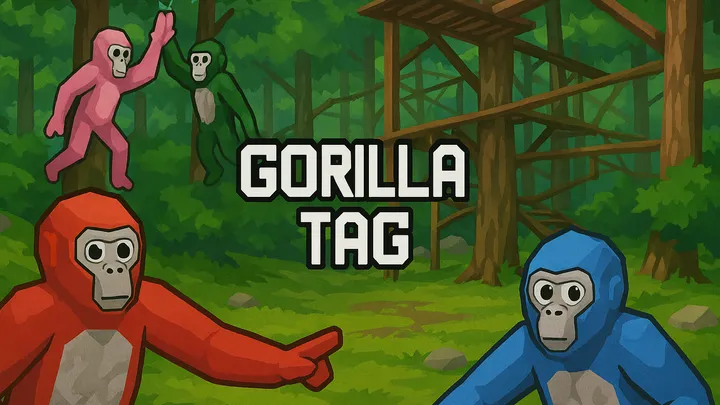
When Gorilla Tag was first released by developer Another Axiom in early access back in early 2021, few could have predicted the meteoric rise it would enjoy. The concept was almost childishly simple: you play as a gorilla in VR, using only your arms to move, jump, and climb, and the core game mode is… tag. That’s it. No complicated weapon systems. No sprawling maps with scripted events. No ultra-realistic graphics or heavy lore drops. Instead, it’s an unapologetically low-poly, physics-driven playground where movement is the mechanic.And yet, this stripped-down design has transformed Gorilla Tag from an experimental indie project into one of the most popular VR multiplayer games of all time. It’s a case study in how constraints can inspire innovation — and how social interaction, player creativity, and unconventional mechanics can create a phenomenon that defies traditional AAA wisdom.In this review, I’ll dissect Gorilla Tag from the perspective of a games analyst, covering its movement system, game design philosophy, social dynamics, competitive meta, community growth, technical execution, monetization strategy, and the future potential of the title. I’ll also touch on its cultural footprint and what it means for the VR industry as a whole.

Bloody Finger Jump
Is your finger faster then the others? Will your finger crush other enemies? Take up the challenge, compete and check how fast your fingers are. You can be sure that there will be blood...
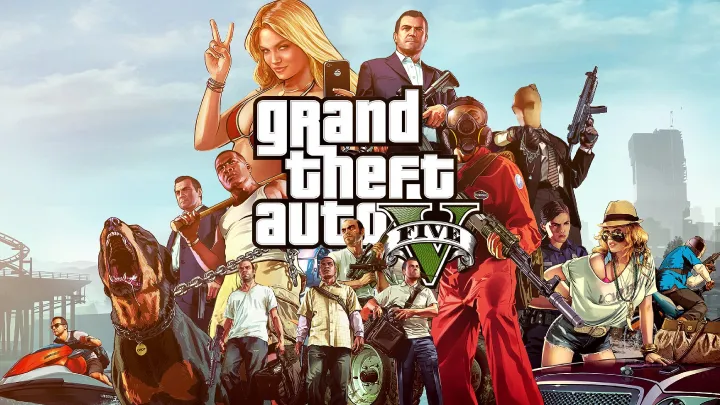
Grand Theft Auto V
Grand Theft Auto V isn't simply a game; it is an economic, social, and cultural document of the 21st century. Taking the familiar chaotic sandbox of its predecessors, it expands it into a living, breathing world of San Andreas—teeming with meticulous detail and a biting, satirical wit. Whether you are pulled into its high-stakes criminal economy or its deep social simulation, GTA V delivers a profound and unforgettable masterclass in open-world design.
EA SPORTS FC™ 26
EA SPORTS FC™ 26 marks the third installment in the EA Sports FC era and is poised for release in September 2025. Developed by EA Vancouver and EA Romania, the game continues to showcase realism, player expression, and fidelity that fans expect—now with deeper gameplay variety and tactical richness. Covering multiple platforms—from next-gen consoles to PCs and even the new Nintendo Switch 2—FC 26 seeks to refine core mechanics while layering in strategic and narrative depth.
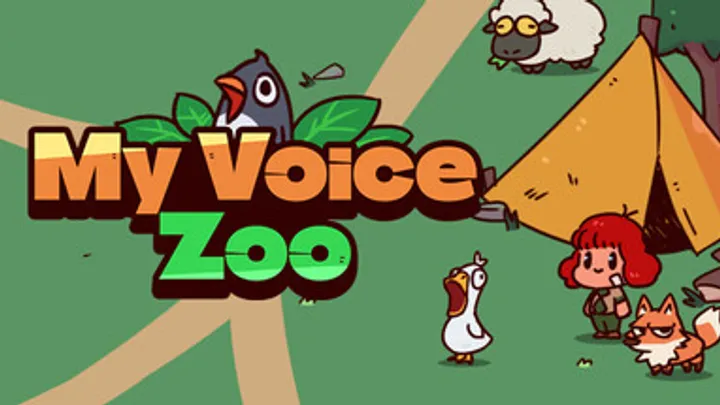
My Voice Zoo
MyVoiceZoo is a voice-focused platform/app designed to help users work with audio and voice-related tasks in a convenient, easy-to-use way. Instead of making everything complicated, MyVoiceZoo typically follows a simple workflow where users can get results faster, adjust key options, and reuse the tool for different voice needs. If you’re searching for a voice tool that feels practical and customization-friendly, MyVoiceZoo is worth considering.
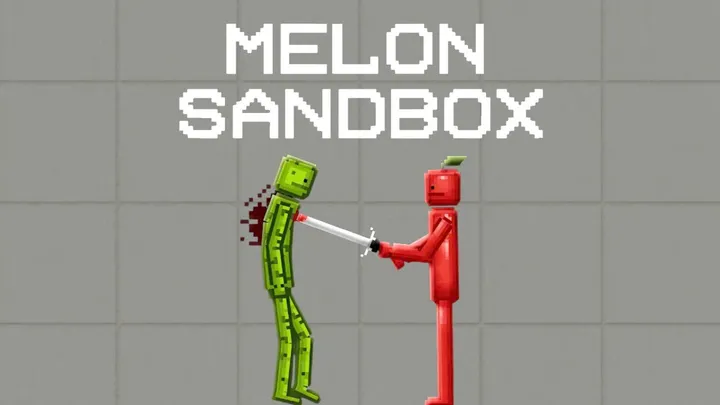
melon sandbox
Melon Sandbox is a chaotic, physics-based sandbox game where creativity meets destruction. While it’s primarily known as a single-player playground, you can imagine it as a chaotic, physics-based multiplayer co-op game (up to 4 players) focused on emergency response, developed by ArtDock—a concept that reflects the game’s unpredictable and experimental nature. In reality, it offers a free-form environment where players build, test, and destroy without limits using ragdoll physics and a wide range of tools.Core FeaturesOverall GameplayOpen-ended sandbox with no missions, rules, or objectivesFocus on experimentation, creativity, and physics-based interactionsRagdoll characters that react realistically to damage and environmentGame FeaturesMassive arsenal of weapons, tools, explosives, and vehiclesDrag-and-drop system to create custom scenarios easilyMultiple maps (city, desert, lab, etc.) for different experimentsRealistic physics engine with dynamic reactions and chain effectsModding and customization options for extended creativityStrengthsExtremely high creative freedom with no restrictionsFun and unpredictable physics interactionsWide variety of items and tools to experiment withEasy-to-use interface suitable for casual playHigh replayability due to endless possibilitiesWeaknessesLack of structured gameplay (no story, missions, or progression)Can become repetitive after extended play sessionsContains violent/gore elements not suitable for all playersPerformance issues or lag on some devicesAds and monetization can affect user experience (reported by players)ConclusionMelon Sandbox delivers a wildly creative and chaotic playground where players are free to experiment without limits. Its physics-based interactions and diverse toolset make it highly entertaining, especially for those who enjoy sandbox-style games. However, the lack of structured objectives and occasional performance issues may reduce long-term engagement. Overall, it’s a fun, creativity-driven experience best suited for casual play and experimentation rather than goal-oriented gameplay.