Screenshot





Grand Theft Auto: Vice City Summary
IntroductionFew video games capture an era as perfectly as Grand Theft Auto: Vice City. Released in 2002 by Rockstar Games, Vice City transported players into a neon-soaked, cocaine-fueled vision of 1980s Miami. At its time, the game revolutionized open-world storytelling, combining criminal drama, pop-culture references, and groundbreaking freedom of play. Today, more than two decades later, Vice City remains both a nostalgic masterpiece and a cultural touchstone in gaming history.The Cultural Impact of Vice CityVice City was more than just a game—it was an event. Launching on the PlayStation 2 just a year after Grand Theft Auto III changed the industry, Vice City amplified everything: style, story, and scope.Pop Culture Tribute: Inspired heavily by Scarface, Miami Vice, and the excesses of 1980s America.Music and Radio Stations: A curated soundtrack that defined the decade for millions of players.Mainstream Recognition: The game pushed video games into the cultural spotlight, for both praise and controversy.Storyline and Narrative DepthAt its heart, Vice City is a crime drama about ambition, betrayal, and empire-building.Tommy Vercetti’s RiseYou play as Tommy Vercetti, a mobster fresh out of prison, sent to Vice City to oversee a drug deal gone wrong. From there, Tommy builds his criminal empire through alliances, violence, and sheer willpower.Themes of Power and CorruptionThe narrative explores:The American Dream twisted by crime.The cost of ambition in a corrupt city.The betrayal and loyalty between gangsters.For 2002, the story’s cinematic presentation—with cutscenes, voice acting, and branching missions—was revolutionary.Setting: Welcome to Vice CityThe city itself is the game’s greatest character.Urban Design: Split between the glitzy mainland and the sun-soaked beach island.Neighborhoods: From Cuban gang territories to luxury mansions.Immersion: Blaring neon signs, fast cars, and beach culture make the world unforgettable.Vice City was one of the first open worlds that truly felt alive, with pedestrians, traffic, and dynamic weather creating an organic atmosphere.Gameplay MechanicsCore FreedomPlayers were given unprecedented freedom:Steal cars, bikes, boats, and helicopters.Engage in side activities like vigilante missions, cab driving, and pizza delivery.Build a criminal empire by purchasing properties and businesses.Combat and ActionGunplay, melee combat, and explosive chaos gave Vice City its chaotic edge. While clunky by modern standards, the arsenal of 80s-inspired weapons kept gameplay diverse.Vehicles and ExplorationVice City embraced its 1980s identity through vehicles:Sports Cars: Perfect for high-speed chases across neon-lit streets.Motorcycles: Introduced to the GTA series here, offering speed and mobility.Boats and Helicopters: Expanding gameplay beyond land for the first time.Exploration wasn’t just optional—it was rewarding. Players discovered hidden packages, stunt jumps, and Easter eggs that kept the city full of secrets.Soundtrack and Audio DesignPerhaps the most iconic feature of Vice City was its radio stations.Pop Hits: Michael Jackson, Blondie, and more.Rock Anthems: Motley Crüe, Judas Priest.Talk Radio: Satirical shows that parodied American culture.Each station captured the mood of the 80s, turning every car ride into a time machine. The soundtrack remains one of the most beloved in gaming history.Characters and Voice ActingThe cast of Vice City brought life to its story:Tommy Vercetti: Voiced by Ray Liotta, a charismatic yet ruthless protagonist.Lance Vance: A partner turned betrayer.Ricardo Diaz: A flamboyant drug lord.Ken Rosenberg: A crooked lawyer providing comic relief.Unlike the silent protagonist of GTA III, Tommy’s personality elevated Vice City’s story into cinematic territory.Influence on the Gaming IndustryVice City was pivotal for the industry:World-Building: Set new standards for open-world design.Mature Storytelling: Pushed video games into controversial but artistic territory.Legacy: Inspired countless successors, including GTA: San Andreas and GTA V.It showed the potential of video games as narrative-driven entertainment.Re-Releases and Modern ReceptionVice City has been re-released across multiple platforms:Mobile Versions: Introduced the game to a new generation.Definitive Edition (2021): A remaster that sparked debate due to technical flaws but rekindled nostalgia.Modding Community: Keeps the game alive with graphical overhauls and fan expansions.Even with its age, Vice City continues to resonate.Strengths of Vice CityA narrative-rich, character-driven story.Revolutionary open-world design for its time.Iconic soundtrack that defines an era.Memorable characters voiced by Hollywood talent.Endless replayability with side missions and property management.Weaknesses of Vice CityClunky shooting and driving by modern standards.Limited interior spaces compared to later GTAs.Smaller map than San Andreas or GTA V.Story pacing occasionally disrupted by grind-heavy missions.Final VerdictGrand Theft Auto: Vice City is not just a game—it’s a time capsule. By blending stylish visuals, an unforgettable soundtrack, and groundbreaking freedom, Rockstar delivered an experience that shaped modern gaming. While mechanics may feel dated, its cultural impact remains untouchable. For many, Vice City is the definitive GTA experience, a neon-drenched crime saga that never loses its charm.
Rating
Introduction
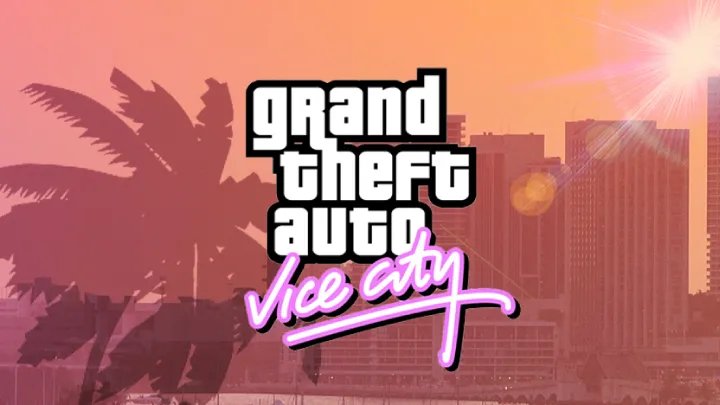
Few video games capture an era as perfectly as Grand Theft Auto: Vice City. Released in 2002 by Rockstar Games, Vice City transported players into a neon-soaked, cocaine-fueled vision of 1980s Miami. At its time, the game revolutionized open-world storytelling, combining criminal drama, pop-culture references, and groundbreaking freedom of play. Today, more than two decades later, Vice City remains both a nostalgic masterpiece and a cultural touchstone in gaming history.
The Cultural Impact of Vice City
Vice City was more than just a game—it was an event. Launching on the PlayStation 2 just a year after Grand Theft Auto III changed the industry, Vice City amplified everything: style, story, and scope.
- Pop Culture Tribute: Inspired heavily by Scarface, Miami Vice, and the excesses of 1980s America.
- Music and Radio Stations: A curated soundtrack that defined the decade for millions of players.
- Mainstream Recognition: The game pushed video games into the cultural spotlight, for both praise and controversy.
Storyline and Narrative Depth
At its heart, Vice City is a crime drama about ambition, betrayal, and empire-building.
Tommy Vercetti’s Rise
You play as Tommy Vercetti, a mobster fresh out of prison, sent to Vice City to oversee a drug deal gone wrong. From there, Tommy builds his criminal empire through alliances, violence, and sheer willpower.
Themes of Power and Corruption
The narrative explores:
- The American Dream twisted by crime.
- The cost of ambition in a corrupt city.
- The betrayal and loyalty between gangsters.
For 2002, the story’s cinematic presentation—with cutscenes, voice acting, and branching missions—was revolutionary.
Setting: Welcome to Vice City
The city itself is the game’s greatest character.
- Urban Design: Split between the glitzy mainland and the sun-soaked beach island.
- Neighborhoods: From Cuban gang territories to luxury mansions.
- Immersion: Blaring neon signs, fast cars, and beach culture make the world unforgettable.
Vice City was one of the first open worlds that truly felt alive, with pedestrians, traffic, and dynamic weather creating an organic atmosphere.
Gameplay Mechanics
Core Freedom
Players were given unprecedented freedom:
- Steal cars, bikes, boats, and helicopters.
- Engage in side activities like vigilante missions, cab driving, and pizza delivery.
- Build a criminal empire by purchasing properties and businesses.
Combat and Action
Gunplay, melee combat, and explosive chaos gave Vice City its chaotic edge. While clunky by modern standards, the arsenal of 80s-inspired weapons kept gameplay diverse.
Vehicles and Exploration
Vice City embraced its 1980s identity through vehicles:
- Sports Cars: Perfect for high-speed chases across neon-lit streets.
- Motorcycles: Introduced to the GTA series here, offering speed and mobility.
- Boats and Helicopters: Expanding gameplay beyond land for the first time.
Exploration wasn’t just optional—it was rewarding. Players discovered hidden packages, stunt jumps, and Easter eggs that kept the city full of secrets.
Soundtrack and Audio Design
Perhaps the most iconic feature of Vice City was its radio stations.
- Pop Hits: Michael Jackson, Blondie, and more.
- Rock Anthems: Motley Crüe, Judas Priest.
- Talk Radio: Satirical shows that parodied American culture.
Each station captured the mood of the 80s, turning every car ride into a time machine. The soundtrack remains one of the most beloved in gaming history.
Characters and Voice Acting
The cast of Vice City brought life to its story:
- Tommy Vercetti: Voiced by Ray Liotta, a charismatic yet ruthless protagonist.
- Lance Vance: A partner turned betrayer.
- Ricardo Diaz: A flamboyant drug lord.
- Ken Rosenberg: A crooked lawyer providing comic relief.
Unlike the silent protagonist of GTA III, Tommy’s personality elevated Vice City’s story into cinematic territory.
Influence on the Gaming Industry
Vice City was pivotal for the industry:
- World-Building: Set new standards for open-world design.
- Mature Storytelling: Pushed video games into controversial but artistic territory.
- Legacy: Inspired countless successors, including GTA: San Andreas and GTA V.
It showed the potential of video games as narrative-driven entertainment.
Re-Releases and Modern Reception
Vice City has been re-released across multiple platforms:
- Mobile Versions: Introduced the game to a new generation.
- Definitive Edition (2021): A remaster that sparked debate due to technical flaws but rekindled nostalgia.
- Modding Community: Keeps the game alive with graphical overhauls and fan expansions.
Even with its age, Vice City continues to resonate.
Strengths of Vice City
- A narrative-rich, character-driven story.
- Revolutionary open-world design for its time.
- Iconic soundtrack that defines an era.
- Memorable characters voiced by Hollywood talent.
- Endless replayability with side missions and property management.
Weaknesses of Vice City
- Clunky shooting and driving by modern standards.
- Limited interior spaces compared to later GTAs.
- Smaller map than San Andreas or GTA V.
- Story pacing occasionally disrupted by grind-heavy missions.
Final Verdict
Grand Theft Auto: Vice City is not just a game—it’s a time capsule. By blending stylish visuals, an unforgettable soundtrack, and groundbreaking freedom, Rockstar delivered an experience that shaped modern gaming. While mechanics may feel dated, its cultural impact remains untouchable. For many, Vice City is the definitive GTA experience, a neon-drenched crime saga that never loses its charm.
Get Game Links
All trademarks belong to their respective owners.
Latest Reviews
Gorilla Tag
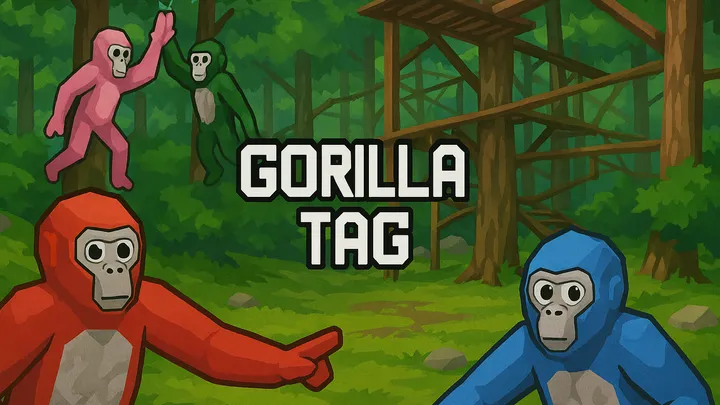
When Gorilla Tag was first released by developer Another Axiom in early access back in early 2021, few could have predicted the meteoric rise it would enjoy. The concept was almost childishly simple: you play as a gorilla in VR, using only your arms to move, jump, and climb, and the core game mode is… tag. That’s it. No complicated weapon systems. No sprawling maps with scripted events. No ultra-realistic graphics or heavy lore drops. Instead, it’s an unapologetically low-poly, physics-driven playground where movement is the mechanic.And yet, this stripped-down design has transformed Gorilla Tag from an experimental indie project into one of the most popular VR multiplayer games of all time. It’s a case study in how constraints can inspire innovation — and how social interaction, player creativity, and unconventional mechanics can create a phenomenon that defies traditional AAA wisdom.In this review, I’ll dissect Gorilla Tag from the perspective of a games analyst, covering its movement system, game design philosophy, social dynamics, competitive meta, community growth, technical execution, monetization strategy, and the future potential of the title. I’ll also touch on its cultural footprint and what it means for the VR industry as a whole.

Bloody Finger Jump
Is your finger faster then the others? Will your finger crush other enemies? Take up the challenge, compete and check how fast your fingers are. You can be sure that there will be blood...
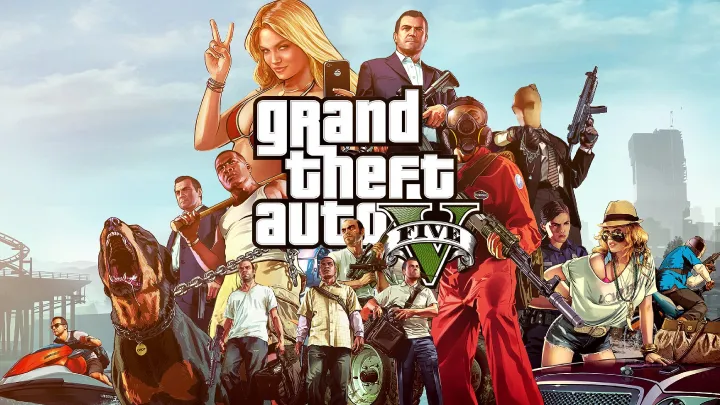
Grand Theft Auto V
Grand Theft Auto V isn't simply a game; it is an economic, social, and cultural document of the 21st century. Taking the familiar chaotic sandbox of its predecessors, it expands it into a living, breathing world of San Andreas—teeming with meticulous detail and a biting, satirical wit. Whether you are pulled into its high-stakes criminal economy or its deep social simulation, GTA V delivers a profound and unforgettable masterclass in open-world design.
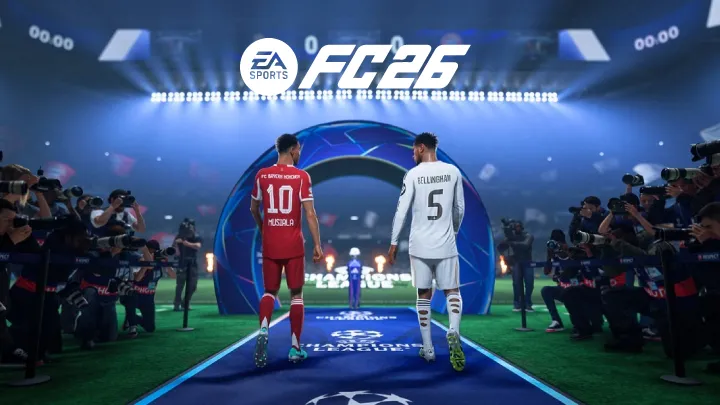
EA SPORTS FC™ 26
EA SPORTS FC™ 26 marks the third installment in the EA Sports FC era and is poised for release in September 2025. Developed by EA Vancouver and EA Romania, the game continues to showcase realism, player expression, and fidelity that fans expect—now with deeper gameplay variety and tactical richness. Covering multiple platforms—from next-gen consoles to PCs and even the new Nintendo Switch 2—FC 26 seeks to refine core mechanics while layering in strategic and narrative depth.
My Voice Zoo
MyVoiceZoo is a voice-focused platform/app designed to help users work with audio and voice-related tasks in a convenient, easy-to-use way. Instead of making everything complicated, MyVoiceZoo typically follows a simple workflow where users can get results faster, adjust key options, and reuse the tool for different voice needs. If you’re searching for a voice tool that feels practical and customization-friendly, MyVoiceZoo is worth considering.