Screenshot























Little Nightmares II Summary
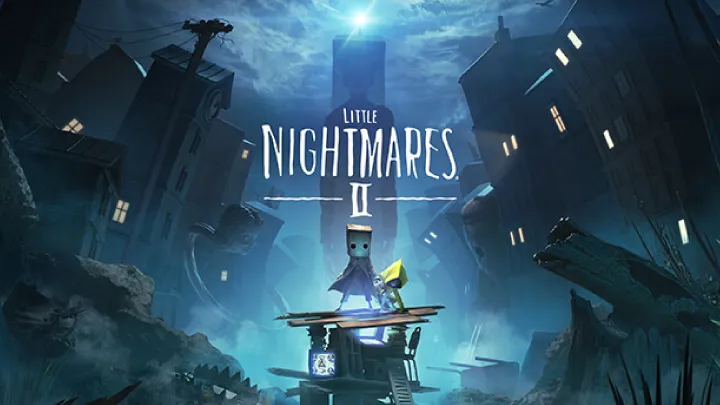
🧠 IntroductionLittle Nightmares II is a suspense-adventure puzzle platformer developed by Tarsier Studios and published by Bandai Namco Entertainment. As the sequel to the original Little Nightmares, this installment expands both the scale and psychological depth of its haunting world.You play as Mono, a mysterious boy trapped in a distorted reality known as the Pale City. Alongside Six—the protagonist from the first game—you must survive grotesque enemies, solve environmental puzzles, and uncover the truth behind a world consumed by a strange transmission.But the real question is: Does Little Nightmares II truly improve on the original, or is it just more of the same horror formula?🎮 Gameplay ReviewAt its core, Little Nightmares II builds on stealth, platforming, and puzzle-solving mechanics—but with noticeable improvements.🔹 What Works WellPuzzle Design: The puzzles are more dynamic and varied than in the first game. Many require coordination between Mono and Six, adding a layer of depth and engagement.Combat Mechanics: Unlike the original, Mono can pick up weapons (axes, pipes, etc.) to fight back. This adds tension but also introduces risk, as combat is intentionally clunky and timing-based.Atmosphere & Level Design: Each area—from the eerie school to the hospital—is meticulously crafted to create dread without relying on cheap jump scares.🔻 What Could Be BetterControls Can Feel Heavy: Movement and combat sometimes feel slightly delayed, which can be frustrating in tight situations.Trial-and-Error Gameplay: Some puzzles and chase sequences rely on memorization rather than intuition, leading to repeated deaths.👉 Overall, gameplay is more refined than the original, but still intentionally unforgiving.🌟 Key Features👁️ Deep Atmospheric Horror – Relies on tension and sound design rather than jump scares🧩 Creative Puzzle Mechanics – Often require observation and timing🤝 AI Companion System – Six actively helps you progress🔪 Light Combat System – Adds intensity but not full control🌆 Expanded World-Building – The Pale City feels alive and disturbing📖 Story Review (Spoiler-Free)The narrative of Little Nightmares II is told almost entirely without dialogue. Instead, it relies on environmental storytelling, symbolism, and visual cues.Mono’s journey through the Pale City reveals a society corrupted by obsession with screens and a mysterious broadcast signal. The game subtly critiques media consumption while maintaining its surreal horror tone.Six plays a crucial role—not just as a companion, but as a character whose behavior raises questions about trust and morality.👉 The story is:AbstractOpen to interpretationEmotionally impactfulBut not always easy to understand on the first playthrough.🔍 Ending Explained (Spoiler Warning)The ending of Little Nightmares II is widely considered one of the most shocking in modern indie horror.After a long journey, Mono saves Six multiple times—only to be betrayed by her at the final moment. She lets him fall into the abyss, leaving players questioning her true nature.Mono then becomes trapped in a time loop, eventually transforming into the Thin Man—the very entity chasing him throughout the game.👉 This creates a disturbing paradox:Mono is both the victim and the antagonistThe world is caught in a cycle of corruptionThe ending reinforces the game’s central theme: In a broken world, innocence cannot survive unchanged.🎯 Final Verdict – Is It Worth Playing in 2026?Little Nightmares II is not just a sequel—it’s a significant evolution of the original formula. While it doesn’t completely fix issues like clunky controls, it delivers a far richer and more haunting experience overall.If you enjoy:Psychological horrorAtmospheric storytellingPuzzle-platformer gameplayThen this game is absolutely worth your time.
Rating
🧠 Introduction
Little Nightmares II is a suspense-adventure puzzle platformer developed by Tarsier Studios and published by Bandai Namco Entertainment. As the sequel to the original Little Nightmares, this installment expands both the scale and psychological depth of its haunting world.
You play as Mono, a mysterious boy trapped in a distorted reality known as the Pale City. Alongside Six—the protagonist from the first game—you must survive grotesque enemies, solve environmental puzzles, and uncover the truth behind a world consumed by a strange transmission.
But the real question is:
Does Little Nightmares II truly improve on the original, or is it just more of the same horror formula?
🎮 Gameplay Review
At its core, Little Nightmares II builds on stealth, platforming, and puzzle-solving mechanics—but with noticeable improvements.
🔹 What Works Well
- Puzzle Design:
- The puzzles are more dynamic and varied than in the first game. Many require coordination between Mono and Six, adding a layer of depth and engagement.
- Combat Mechanics:
- Unlike the original, Mono can pick up weapons (axes, pipes, etc.) to fight back. This adds tension but also introduces risk, as combat is intentionally clunky and timing-based.
- Atmosphere & Level Design:
- Each area—from the eerie school to the hospital—is meticulously crafted to create dread without relying on cheap jump scares.
🔻 What Could Be Better
- Controls Can Feel Heavy:
- Movement and combat sometimes feel slightly delayed, which can be frustrating in tight situations.
- Trial-and-Error Gameplay:
- Some puzzles and chase sequences rely on memorization rather than intuition, leading to repeated deaths.
👉 Overall, gameplay is more refined than the original, but still intentionally unforgiving.
🌟 Key Features
- 👁️ Deep Atmospheric Horror – Relies on tension and sound design rather than jump scares
- 🧩 Creative Puzzle Mechanics – Often require observation and timing
- 🤝 AI Companion System – Six actively helps you progress
- 🔪 Light Combat System – Adds intensity but not full control
- 🌆 Expanded World-Building – The Pale City feels alive and disturbing
📖 Story Review (Spoiler-Free)
The narrative of Little Nightmares II is told almost entirely without dialogue. Instead, it relies on environmental storytelling, symbolism, and visual cues.
Mono’s journey through the Pale City reveals a society corrupted by obsession with screens and a mysterious broadcast signal. The game subtly critiques media consumption while maintaining its surreal horror tone.
Six plays a crucial role—not just as a companion, but as a character whose behavior raises questions about trust and morality.
👉 The story is:
- Abstract
- Open to interpretation
- Emotionally impactful
But not always easy to understand on the first playthrough.
🔍 Ending Explained (Spoiler Warning)
The ending of Little Nightmares II is widely considered one of the most shocking in modern indie horror.
After a long journey, Mono saves Six multiple times—only to be betrayed by her at the final moment. She lets him fall into the abyss, leaving players questioning her true nature.
Mono then becomes trapped in a time loop, eventually transforming into the Thin Man—the very entity chasing him throughout the game.
👉 This creates a disturbing paradox:
- Mono is both the victim and the antagonist
- The world is caught in a cycle of corruption
The ending reinforces the game’s central theme:
In a broken world, innocence cannot survive unchanged.
🎯 Final Verdict – Is It Worth Playing in 2026?
Little Nightmares II is not just a sequel—it’s a significant evolution of the original formula. While it doesn’t completely fix issues like clunky controls, it delivers a far richer and more haunting experience overall.
If you enjoy:
- Psychological horror
- Atmospheric storytelling
- Puzzle-platformer gameplay
Then this game is absolutely worth your time.
Get Game Links
All trademarks belong to their respective owners.
Latest Reviews
Gorilla Tag
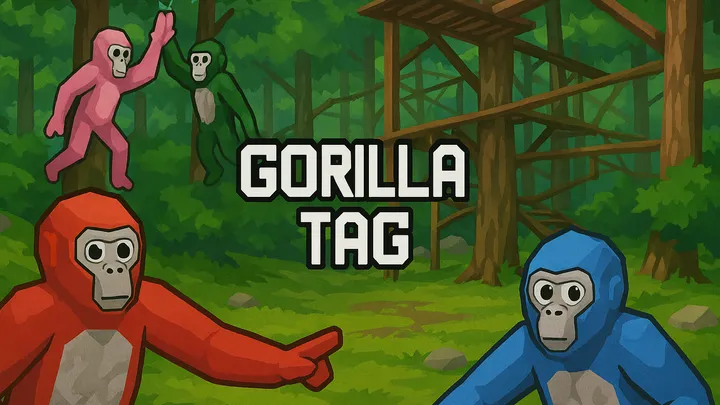
When Gorilla Tag was first released by developer Another Axiom in early access back in early 2021, few could have predicted the meteoric rise it would enjoy. The concept was almost childishly simple: you play as a gorilla in VR, using only your arms to move, jump, and climb, and the core game mode is… tag. That’s it. No complicated weapon systems. No sprawling maps with scripted events. No ultra-realistic graphics or heavy lore drops. Instead, it’s an unapologetically low-poly, physics-driven playground where movement is the mechanic.And yet, this stripped-down design has transformed Gorilla Tag from an experimental indie project into one of the most popular VR multiplayer games of all time. It’s a case study in how constraints can inspire innovation — and how social interaction, player creativity, and unconventional mechanics can create a phenomenon that defies traditional AAA wisdom.In this review, I’ll dissect Gorilla Tag from the perspective of a games analyst, covering its movement system, game design philosophy, social dynamics, competitive meta, community growth, technical execution, monetization strategy, and the future potential of the title. I’ll also touch on its cultural footprint and what it means for the VR industry as a whole.

Bloody Finger Jump
Is your finger faster then the others? Will your finger crush other enemies? Take up the challenge, compete and check how fast your fingers are. You can be sure that there will be blood...
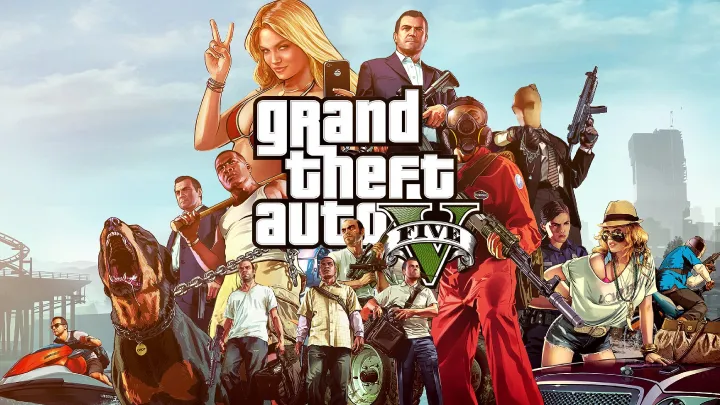
Grand Theft Auto V
Grand Theft Auto V isn't simply a game; it is an economic, social, and cultural document of the 21st century. Taking the familiar chaotic sandbox of its predecessors, it expands it into a living, breathing world of San Andreas—teeming with meticulous detail and a biting, satirical wit. Whether you are pulled into its high-stakes criminal economy or its deep social simulation, GTA V delivers a profound and unforgettable masterclass in open-world design.
EA SPORTS FC™ 26
EA SPORTS FC™ 26 marks the third installment in the EA Sports FC era and is poised for release in September 2025. Developed by EA Vancouver and EA Romania, the game continues to showcase realism, player expression, and fidelity that fans expect—now with deeper gameplay variety and tactical richness. Covering multiple platforms—from next-gen consoles to PCs and even the new Nintendo Switch 2—FC 26 seeks to refine core mechanics while layering in strategic and narrative depth.
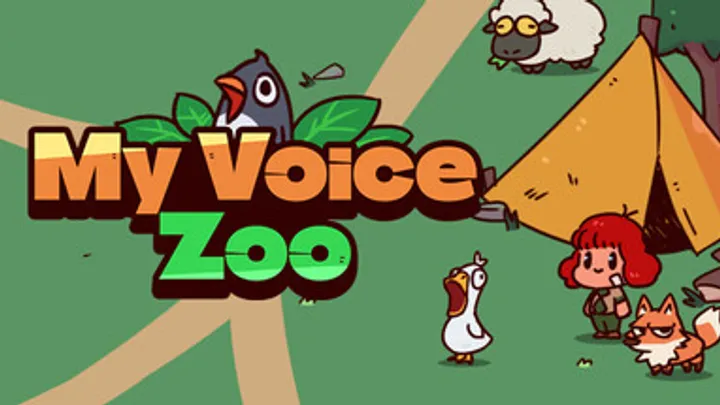
My Voice Zoo
MyVoiceZoo is a voice-focused platform/app designed to help users work with audio and voice-related tasks in a convenient, easy-to-use way. Instead of making everything complicated, MyVoiceZoo typically follows a simple workflow where users can get results faster, adjust key options, and reuse the tool for different voice needs. If you’re searching for a voice tool that feels practical and customization-friendly, MyVoiceZoo is worth considering.