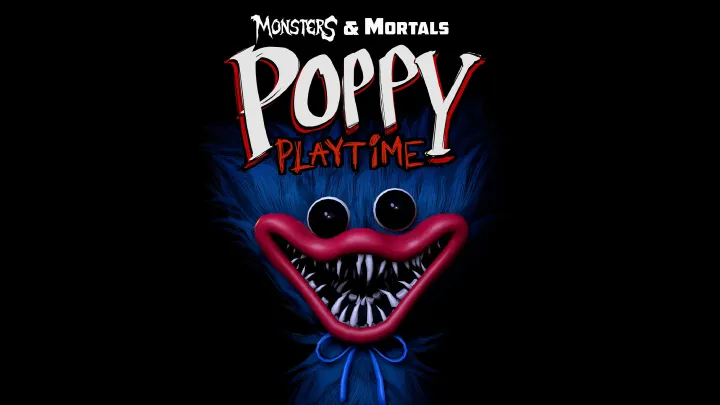
Monsters & Mortals - Poppy Playtime Panic DLC
All trademarks belong to their respective owners.
Screenshot




























Monsters & Mortals - Poppy Playtime Panic DLC Summary
Introduction: A Collision of Horror IconsSince its debut, Dark Deception: Monsters & Mortals, developed by Glowstick Entertainment, has carved out a unique space in the asymmetrical multiplayer horror genre. By inviting legendary horror IPs into its fast-paced arena, it creates a chaotic "super-smash" experience for horror fans. The release of the Poppy Playtime Panic DLC on May 3, 2024, marked one of the most anticipated crossovers in the game’s history, bringing the haunting atmosphere of Mob Entertainment’s Poppy Playtime into the fray.This DLC is far more than a simple aesthetic skin pack. It is a comprehensive expansion that integrates the mechanical DNA of Poppy Playtime—specifically its industrial traps and iconic GrabPack mechanics—into the competitive ecosystem of Monsters & Mortals. Whether you are a fan of the Blue Blur (Huggy Wuggy) or a veteran mortal player, this expansion offers a fresh, terrifying layer to the gameplay loop.Narrative Framework: The Nightmare at Playtime Co.In the lore of Monsters & Mortals, the "Monsters" and "Mortals" are trapped in a nightmare realm controlled by Malak. The Poppy Playtime Panic DLC suggests that the remnants of the Playtime Co. Toy Factory have been pulled into this dark dimension. The narrative isn't told through cutscenes but through the sheer terror of the environment.Players embody The Player (the protagonist from the original Poppy Playtime games), trapped in a twisted version of the factory. The sense of dread is heightened by the realization that these toys aren't just plastic—they are sentient, vengeful, and perfectly adapted to Malak's maze. This crossover effectively bridges the gap between Dark Deception’s supernatural horror and Poppy Playtime’s industrial "mascot horror."New Characters: The Monster RosterThe centerpiece of the DLC is the introduction of two of the most feared entities in modern indie horror. Unlike previous guests, these characters utilize "reach" and "agility" in unique ways.Huggy Wuggy (Monster Class)Huggy Wuggy is designed as a high-pressure chaser. His long, lanky limbs allow for a slightly extended melee range compared to other monsters.Signature Move: The Big Hug. A devastating grab that can quickly eliminate a weakened Mortal.Passive: Vent Stalker. Reflecting his behavior in the original game, Huggy gains a speed boost when navigating tight corridors or passing near vents.Mommy Long Legs (Monster Class)Replacing the rumors of Kissy Missy, Mommy Long Legs is the true secondary star. Her gameplay revolves around mobility and verticality.Web Swing: She can use her elastic limbs to traverse large sections of the map or pull herself toward a fleeing Mortal.Entangle: A ranged ability that slows down Mortals, making them easy prey for her or her teammates.The Mortal Experience: The Player & The GrabPackRepresenting the human side is The Player. Glowstick Entertainment has done an excellent job translating the first-person puzzle mechanics of the original game into a multiplayer survival kit.Key Mortal Mechanics:The GrabPack: Mortals are equipped with the iconic red and blue hands. This isn't just for show; it allows players to interact with distant switches or stun monsters from a safe distance.Agility-Based Survival: The Player is slightly more fragile than other Mortals but possesses superior stamina, reflecting the "run for your life" nature of the source material.World & Environments: The Playtime Co. MapThe new map is a meticulous recreation of the Playtime Co. Toy Factory. It is arguably one of the most complex maps in Monsters & Mortals due to its dynamic elements.Map Features:Conveyor Belts: The factory floor is lined with moving belts that can either accelerate your escape or lead you directly into a monster’s maw.Verticality: Multi-level rooms with catwalks provide opportunities for Mortals to lose their pursuers—or for Mommy Long Legs to strike from above.Industrial Soundscape: The rhythmic clanking of machinery and the distant giggles of small toys create a thick, suffocating atmosphere.Gameplay Integration: A Refreshing ChaosThe Poppy Playtime Panic DLC succeeds because it doesn't just add skins; it adds rhythm. The inclusion of Huggy Wuggy changes the "meta" of the game. Players can no longer simply outrun monsters in a straight line; they must account for Huggy's reach and Mommy’s tethering abilities.The matches on the Playtime Co. map feel significantly faster. The environmental hazards (like the conveyor belts) force constant movement, preventing the "camping" strategies that sometimes plague other maps. It turns every round into a frantic, high-speed chase that mirrors the most intense moments of the original Poppy Playtime chapters.Technical Execution: Visual and Audio FidelityGlowstick Entertainment has polished the Unreal Engine performance for this DLC. The lighting in the factory map is particularly impressive, using shadows to hide Huggy Wuggy’s massive frame until the very last second.Performance Notes:Animations: The "wobbly" yet threatening walk cycles of the toys are perfectly preserved.Audio: The screeching sound Huggy makes during a chase is ripped directly from the original game, providing a Pavlovian response of fear for anyone who has played the source material.Stability: Post-launch patches in mid-2024 have addressed early collision bugs on the conveyor belts, making for a smooth experience on most PC configurations.Progression & DLC ValueAt its price point, the DLC offers substantial value for fans. Beyond the characters and map, it includes new skins and "Mortals" variants.Rarity Unlocks: Players can earn unique "Poppy-themed" badges and profile customizations.Cross-Play Support: The DLC content is fully integrated into the matchmaking pool, meaning even players who don't own the DLC can play against those using Huggy Wuggy.Final Verdict: A Gold Standard CrossoverThe Poppy Playtime Panic DLC is a masterclass in how to handle a guest IP. It respects the source material while enhancing the host game’s mechanics. It brings a new level of "mascot horror" intensity to Monsters & Mortals, ensuring that the game remains relevant and exciting in a crowded market. Whether you're here for the toys or the tactical multiplayer, this expansion is an essential addition to your horror library.
Rating
Introduction: A Collision of Horror Icons
Since its debut, Dark Deception: Monsters & Mortals, developed by Glowstick Entertainment, has carved out a unique space in the asymmetrical multiplayer horror genre. By inviting legendary horror IPs into its fast-paced arena, it creates a chaotic "super-smash" experience for horror fans. The release of the Poppy Playtime Panic DLC on May 3, 2024, marked one of the most anticipated crossovers in the game’s history, bringing the haunting atmosphere of Mob Entertainment’s Poppy Playtime into the fray.
This DLC is far more than a simple aesthetic skin pack. It is a comprehensive expansion that integrates the mechanical DNA of Poppy Playtime—specifically its industrial traps and iconic GrabPack mechanics—into the competitive ecosystem of Monsters & Mortals. Whether you are a fan of the Blue Blur (Huggy Wuggy) or a veteran mortal player, this expansion offers a fresh, terrifying layer to the gameplay loop.
Narrative Framework: The Nightmare at Playtime Co.
In the lore of Monsters & Mortals, the "Monsters" and "Mortals" are trapped in a nightmare realm controlled by Malak. The Poppy Playtime Panic DLC suggests that the remnants of the Playtime Co. Toy Factory have been pulled into this dark dimension. The narrative isn't told through cutscenes but through the sheer terror of the environment.
Players embody The Player (the protagonist from the original Poppy Playtime games), trapped in a twisted version of the factory. The sense of dread is heightened by the realization that these toys aren't just plastic—they are sentient, vengeful, and perfectly adapted to Malak's maze. This crossover effectively bridges the gap between Dark Deception’s supernatural horror and Poppy Playtime’s industrial "mascot horror."
New Characters: The Monster Roster
The centerpiece of the DLC is the introduction of two of the most feared entities in modern indie horror. Unlike previous guests, these characters utilize "reach" and "agility" in unique ways.
Huggy Wuggy (Monster Class)
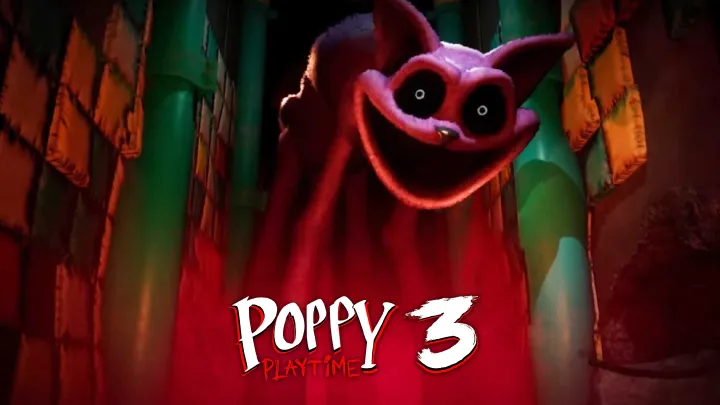
Huggy Wuggy is designed as a high-pressure chaser. His long, lanky limbs allow for a slightly extended melee range compared to other monsters.
- Signature Move: The Big Hug. A devastating grab that can quickly eliminate a weakened Mortal.
- Passive: Vent Stalker. Reflecting his behavior in the original game, Huggy gains a speed boost when navigating tight corridors or passing near vents.
Mommy Long Legs (Monster Class)
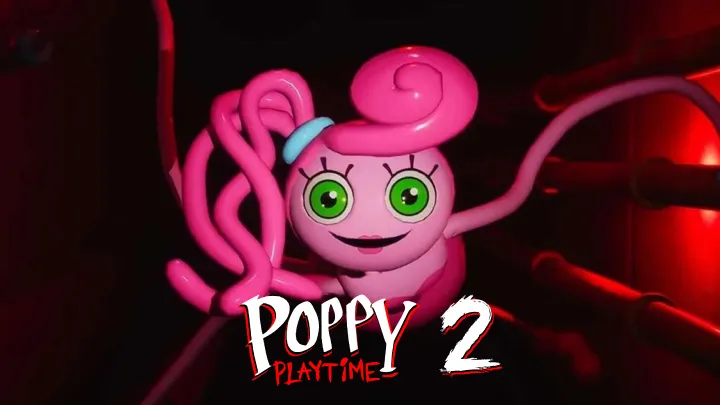
Replacing the rumors of Kissy Missy, Mommy Long Legs is the true secondary star. Her gameplay revolves around mobility and verticality.
- Web Swing: She can use her elastic limbs to traverse large sections of the map or pull herself toward a fleeing Mortal.
- Entangle: A ranged ability that slows down Mortals, making them easy prey for her or her teammates.
The Mortal Experience: The Player & The GrabPack
Representing the human side is The Player. Glowstick Entertainment has done an excellent job translating the first-person puzzle mechanics of the original game into a multiplayer survival kit.
Key Mortal Mechanics:
- The GrabPack: Mortals are equipped with the iconic red and blue hands. This isn't just for show; it allows players to interact with distant switches or stun monsters from a safe distance.
- Agility-Based Survival: The Player is slightly more fragile than other Mortals but possesses superior stamina, reflecting the "run for your life" nature of the source material.
World & Environments: The Playtime Co. Map
The new map is a meticulous recreation of the Playtime Co. Toy Factory. It is arguably one of the most complex maps in Monsters & Mortals due to its dynamic elements.
Map Features:
- Conveyor Belts: The factory floor is lined with moving belts that can either accelerate your escape or lead you directly into a monster’s maw.
- Verticality: Multi-level rooms with catwalks provide opportunities for Mortals to lose their pursuers—or for Mommy Long Legs to strike from above.
- Industrial Soundscape: The rhythmic clanking of machinery and the distant giggles of small toys create a thick, suffocating atmosphere.
Gameplay Integration: A Refreshing Chaos
The Poppy Playtime Panic DLC succeeds because it doesn't just add skins; it adds rhythm. The inclusion of Huggy Wuggy changes the "meta" of the game. Players can no longer simply outrun monsters in a straight line; they must account for Huggy's reach and Mommy’s tethering abilities.
The matches on the Playtime Co. map feel significantly faster. The environmental hazards (like the conveyor belts) force constant movement, preventing the "camping" strategies that sometimes plague other maps. It turns every round into a frantic, high-speed chase that mirrors the most intense moments of the original Poppy Playtime chapters.
Technical Execution: Visual and Audio Fidelity
Glowstick Entertainment has polished the Unreal Engine performance for this DLC. The lighting in the factory map is particularly impressive, using shadows to hide Huggy Wuggy’s massive frame until the very last second.
Performance Notes:
- Animations: The "wobbly" yet threatening walk cycles of the toys are perfectly preserved.
- Audio: The screeching sound Huggy makes during a chase is ripped directly from the original game, providing a Pavlovian response of fear for anyone who has played the source material.
- Stability: Post-launch patches in mid-2024 have addressed early collision bugs on the conveyor belts, making for a smooth experience on most PC configurations.
Progression & DLC Value
At its price point, the DLC offers substantial value for fans. Beyond the characters and map, it includes new skins and "Mortals" variants.
- Rarity Unlocks: Players can earn unique "Poppy-themed" badges and profile customizations.
- Cross-Play Support: The DLC content is fully integrated into the matchmaking pool, meaning even players who don't own the DLC can play against those using Huggy Wuggy.
Final Verdict: A Gold Standard Crossover
The Poppy Playtime Panic DLC is a masterclass in how to handle a guest IP. It respects the source material while enhancing the host game’s mechanics. It brings a new level of "mascot horror" intensity to Monsters & Mortals, ensuring that the game remains relevant and exciting in a crowded market. Whether you're here for the toys or the tactical multiplayer, this expansion is an essential addition to your horror library.
Get Game Links
All trademarks belong to their respective owners.
Latest Reviews

Gorilla Tag
When Gorilla Tag was first released by developer Another Axiom in early access back in early 2021, few could have predicted the meteoric rise it would enjoy. The concept was almost childishly simple: you play as a gorilla in VR, using only your arms to move, jump, and climb, and the core game mode is… tag. That’s it. No complicated weapon systems. No sprawling maps with scripted events. No ultra-realistic graphics or heavy lore drops. Instead, it’s an unapologetically low-poly, physics-driven playground where movement is the mechanic.And yet, this stripped-down design has transformed Gorilla Tag from an experimental indie project into one of the most popular VR multiplayer games of all time. It’s a case study in how constraints can inspire innovation — and how social interaction, player creativity, and unconventional mechanics can create a phenomenon that defies traditional AAA wisdom.In this review, I’ll dissect Gorilla Tag from the perspective of a games analyst, covering its movement system, game design philosophy, social dynamics, competitive meta, community growth, technical execution, monetization strategy, and the future potential of the title. I’ll also touch on its cultural footprint and what it means for the VR industry as a whole.

Bloody Finger Jump
Is your finger faster then the others? Will your finger crush other enemies? Take up the challenge, compete and check how fast your fingers are. You can be sure that there will be blood...

Grand Theft Auto V
Grand Theft Auto V isn't simply a game; it is an economic, social, and cultural document of the 21st century. Taking the familiar chaotic sandbox of its predecessors, it expands it into a living, breathing world of San Andreas—teeming with meticulous detail and a biting, satirical wit. Whether you are pulled into its high-stakes criminal economy or its deep social simulation, GTA V delivers a profound and unforgettable masterclass in open-world design.

EA SPORTS FC™ 26
EA SPORTS FC™ 26 marks the third installment in the EA Sports FC era and is poised for release in September 2025. Developed by EA Vancouver and EA Romania, the game continues to showcase realism, player expression, and fidelity that fans expect—now with deeper gameplay variety and tactical richness. Covering multiple platforms—from next-gen consoles to PCs and even the new Nintendo Switch 2—FC 26 seeks to refine core mechanics while layering in strategic and narrative depth.
My Voice Zoo
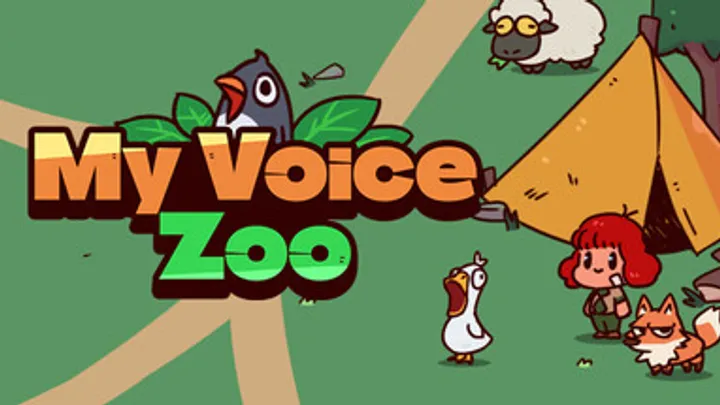
MyVoiceZoo is a voice-focused platform/app designed to help users work with audio and voice-related tasks in a convenient, easy-to-use way. Instead of making everything complicated, MyVoiceZoo typically follows a simple workflow where users can get results faster, adjust key options, and reuse the tool for different voice needs. If you’re searching for a voice tool that feels practical and customization-friendly, MyVoiceZoo is worth considering.
melon sandbox
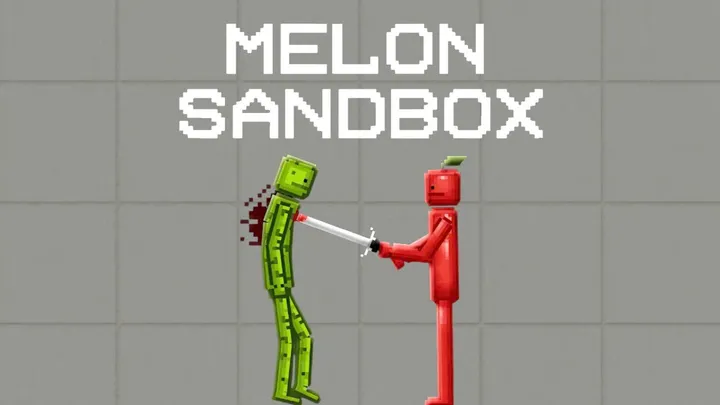
Melon Sandbox is a chaotic, physics-based sandbox game where creativity meets destruction. While it’s primarily known as a single-player playground, you can imagine it as a chaotic, physics-based multiplayer co-op game (up to 4 players) focused on emergency response, developed by ArtDock—a concept that reflects the game’s unpredictable and experimental nature. In reality, it offers a free-form environment where players build, test, and destroy without limits using ragdoll physics and a wide range of tools.Core FeaturesOverall GameplayOpen-ended sandbox with no missions, rules, or objectivesFocus on experimentation, creativity, and physics-based interactionsRagdoll characters that react realistically to damage and environmentGame FeaturesMassive arsenal of weapons, tools, explosives, and vehiclesDrag-and-drop system to create custom scenarios easilyMultiple maps (city, desert, lab, etc.) for different experimentsRealistic physics engine with dynamic reactions and chain effectsModding and customization options for extended creativityStrengthsExtremely high creative freedom with no restrictionsFun and unpredictable physics interactionsWide variety of items and tools to experiment withEasy-to-use interface suitable for casual playHigh replayability due to endless possibilitiesWeaknessesLack of structured gameplay (no story, missions, or progression)Can become repetitive after extended play sessionsContains violent/gore elements not suitable for all playersPerformance issues or lag on some devicesAds and monetization can affect user experience (reported by players)ConclusionMelon Sandbox delivers a wildly creative and chaotic playground where players are free to experiment without limits. Its physics-based interactions and diverse toolset make it highly entertaining, especially for those who enjoy sandbox-style games. However, the lack of structured objectives and occasional performance issues may reduce long-term engagement. Overall, it’s a fun, creativity-driven experience best suited for casual play and experimentation rather than goal-oriented gameplay.