Screenshot

































Poppy Playtime - Chapter 2 Summary
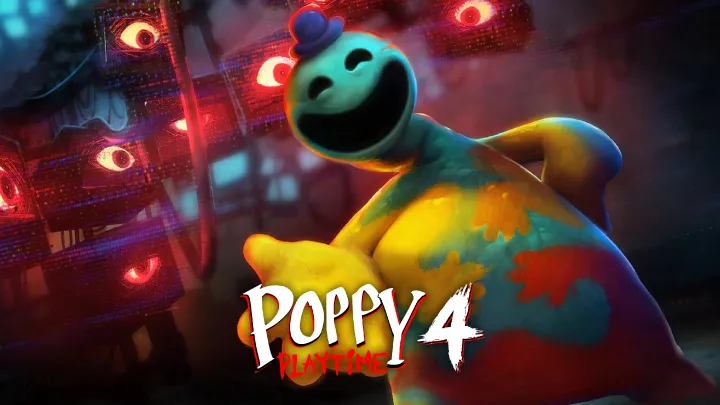
IntroductionAfter the chilling success of Poppy Playtime: Chapter 1, developer MOB Games continues the terrifying journey with Chapter 2: Fly in a Web. This installment expands the horror puzzle experience, introducing new characters, larger environments, and an even deeper sense of dread. Where Chapter 1 felt like a prologue, Chapter 2 establishes Poppy Playtime as one of the most unsettling indie horror titles of recent years.The big question: does Chapter 2 live up to the hype, or does it get tangled in its own web? Let’s dive in.Expanded World & NarrativeChapter 2 moves the story forward immediately after freeing Poppy in the factory. The environments are bigger, the narrative is clearer, and new horrors lurk in every corner.Bigger Scale – Unlike the short introduction of Chapter 1, this chapter stretches into multiple zones of the factory, from train stations to hidden toy assembly lines.Deeper Lore – The storyline introduces darker layers of Playtime Co., hinting at disturbing experiments and toy-human connections.New Villains – The standout antagonist is Mommy Long Legs, a twisted, spider-like toy that stalks players throughout.Gameplay & Puzzle DesignThe gameplay loop evolves while keeping the core mechanics intact.GrabPack Upgrades – New functionalities are introduced, giving players fresh ways to interact with the environment.Complex Puzzles – Challenges are more elaborate, requiring timing, exploration, and multi-step solutions.Balance of Fear & Thinking – Chapter 2 leans more heavily on puzzle-solving, though jump scares remain integral.This balance keeps players engaged, though some may feel the pacing slows compared to the fast terror of Chapter 1.Horror AtmosphereAtmosphere remains Poppy Playtime’s greatest strength.Mommy Long Legs – Her ability to crawl across walls and stretch unpredictably makes her one of the creepiest horror antagonists in recent memory.Sound Design – Creaking metal, childlike giggles, and sudden silences amplify the unease.Visual Variety – From bright, toy-like rooms to abandoned industrial corridors, the contrast enhances the horror.Technical PerformanceWhile visually impressive for an indie project, Chapter 2 isn’t without flaws.Optimization Issues – Some players reported frame drops and stuttering.Glitches – Occasional bugs can break immersion, such as AI pathing quirks.Polish Needed – Despite updates, it still feels less smooth compared to polished AAA horror titles.StrengthsEngaging continuation of the story.Mommy Long Legs is a standout villain.Larger environments with more variety.Puzzles are clever and more challenging.Atmosphere remains top-tier for indie horror.WeaknessesTechnical issues can disrupt immersion.Some pacing problems due to puzzle-heavy design.Short playtime for the price.A few jump scares feel predictable.Narrative still leaves many unanswered questions.Final VerdictPoppy Playtime: Chapter 2 successfully expands the series, delivering bigger scares, smarter puzzles, and one of horror gaming’s most memorable new villains in Mommy Long Legs. While technical hiccups and pacing concerns prevent it from being flawless, it’s still a must-play for fans of indie horror and a strong continuation of the saga.
Rating
Introduction
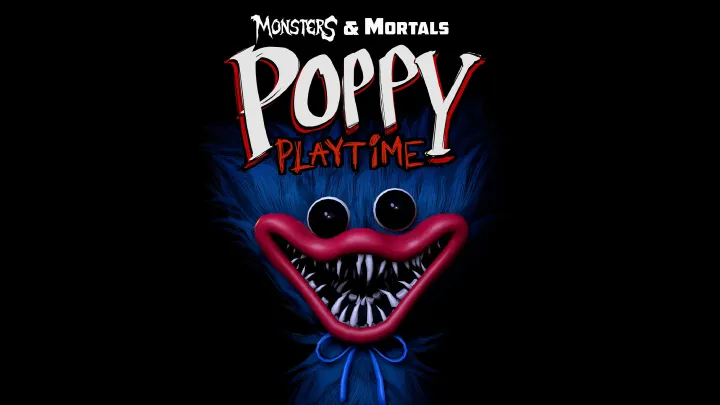
After the chilling success of Poppy Playtime: Chapter 1, developer MOB Games continues the terrifying journey with Chapter 2: Fly in a Web. This installment expands the horror puzzle experience, introducing new characters, larger environments, and an even deeper sense of dread. Where Chapter 1 felt like a prologue, Chapter 2 establishes Poppy Playtime as one of the most unsettling indie horror titles of recent years.
The big question: does Chapter 2 live up to the hype, or does it get tangled in its own web? Let’s dive in.
Expanded World & Narrative
Chapter 2 moves the story forward immediately after freeing Poppy in the factory. The environments are bigger, the narrative is clearer, and new horrors lurk in every corner.
- Bigger Scale – Unlike the short introduction of Chapter 1, this chapter stretches into multiple zones of the factory, from train stations to hidden toy assembly lines.
- Deeper Lore – The storyline introduces darker layers of Playtime Co., hinting at disturbing experiments and toy-human connections.
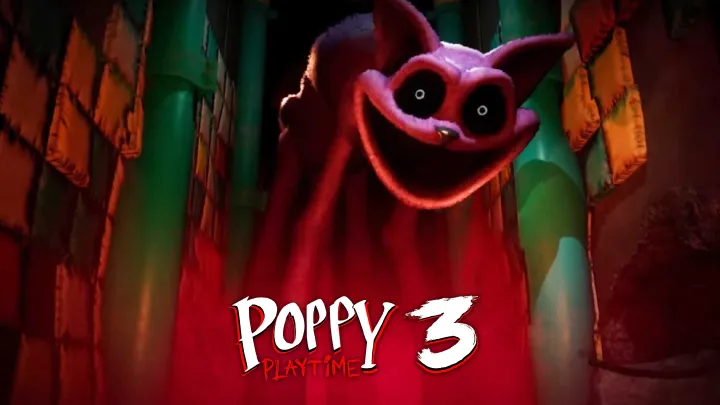
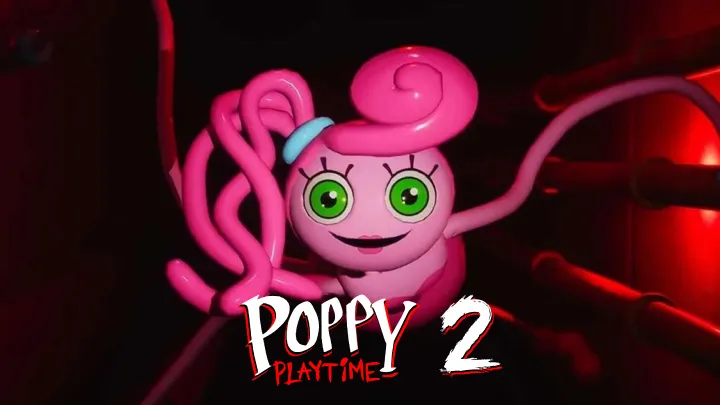
- New Villains – The standout antagonist is Mommy Long Legs, a twisted, spider-like toy that stalks players throughout.
Gameplay & Puzzle Design
The gameplay loop evolves while keeping the core mechanics intact.
- GrabPack Upgrades – New functionalities are introduced, giving players fresh ways to interact with the environment.
- Complex Puzzles – Challenges are more elaborate, requiring timing, exploration, and multi-step solutions.
- Balance of Fear & Thinking – Chapter 2 leans more heavily on puzzle-solving, though jump scares remain integral.
This balance keeps players engaged, though some may feel the pacing slows compared to the fast terror of Chapter 1.
Horror Atmosphere
Atmosphere remains Poppy Playtime’s greatest strength.
- Mommy Long Legs – Her ability to crawl across walls and stretch unpredictably makes her one of the creepiest horror antagonists in recent memory.
- Sound Design – Creaking metal, childlike giggles, and sudden silences amplify the unease.
- Visual Variety – From bright, toy-like rooms to abandoned industrial corridors, the contrast enhances the horror.
Technical Performance
While visually impressive for an indie project, Chapter 2 isn’t without flaws.
- Optimization Issues – Some players reported frame drops and stuttering.
- Glitches – Occasional bugs can break immersion, such as AI pathing quirks.
- Polish Needed – Despite updates, it still feels less smooth compared to polished AAA horror titles.
Strengths
- Engaging continuation of the story.
- Mommy Long Legs is a standout villain.
- Larger environments with more variety.
- Puzzles are clever and more challenging.
- Atmosphere remains top-tier for indie horror.
Weaknesses
- Technical issues can disrupt immersion.
- Some pacing problems due to puzzle-heavy design.
- Short playtime for the price.
- A few jump scares feel predictable.
- Narrative still leaves many unanswered questions.
Final Verdict
Poppy Playtime: Chapter 2 successfully expands the series, delivering bigger scares, smarter puzzles, and one of horror gaming’s most memorable new villains in Mommy Long Legs. While technical hiccups and pacing concerns prevent it from being flawless, it’s still a must-play for fans of indie horror and a strong continuation of the saga.
Get Game Links
All trademarks belong to their respective owners.
Latest Reviews
Gorilla Tag
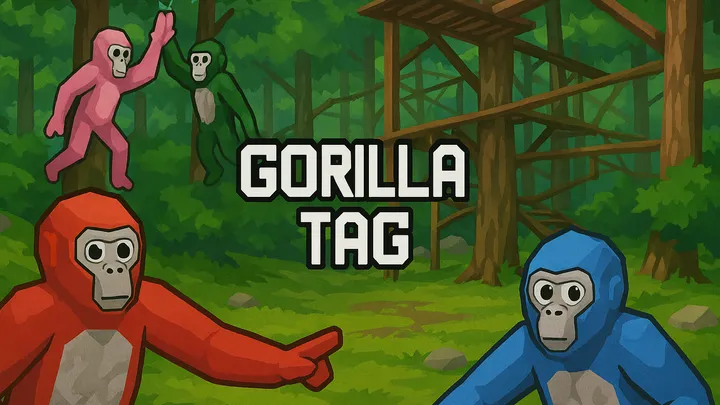
When Gorilla Tag was first released by developer Another Axiom in early access back in early 2021, few could have predicted the meteoric rise it would enjoy. The concept was almost childishly simple: you play as a gorilla in VR, using only your arms to move, jump, and climb, and the core game mode is… tag. That’s it. No complicated weapon systems. No sprawling maps with scripted events. No ultra-realistic graphics or heavy lore drops. Instead, it’s an unapologetically low-poly, physics-driven playground where movement is the mechanic.And yet, this stripped-down design has transformed Gorilla Tag from an experimental indie project into one of the most popular VR multiplayer games of all time. It’s a case study in how constraints can inspire innovation — and how social interaction, player creativity, and unconventional mechanics can create a phenomenon that defies traditional AAA wisdom.In this review, I’ll dissect Gorilla Tag from the perspective of a games analyst, covering its movement system, game design philosophy, social dynamics, competitive meta, community growth, technical execution, monetization strategy, and the future potential of the title. I’ll also touch on its cultural footprint and what it means for the VR industry as a whole.

Bloody Finger Jump
Is your finger faster then the others? Will your finger crush other enemies? Take up the challenge, compete and check how fast your fingers are. You can be sure that there will be blood...

Grand Theft Auto V
Grand Theft Auto V isn't simply a game; it is an economic, social, and cultural document of the 21st century. Taking the familiar chaotic sandbox of its predecessors, it expands it into a living, breathing world of San Andreas—teeming with meticulous detail and a biting, satirical wit. Whether you are pulled into its high-stakes criminal economy or its deep social simulation, GTA V delivers a profound and unforgettable masterclass in open-world design.

EA SPORTS FC™ 26
EA SPORTS FC™ 26 marks the third installment in the EA Sports FC era and is poised for release in September 2025. Developed by EA Vancouver and EA Romania, the game continues to showcase realism, player expression, and fidelity that fans expect—now with deeper gameplay variety and tactical richness. Covering multiple platforms—from next-gen consoles to PCs and even the new Nintendo Switch 2—FC 26 seeks to refine core mechanics while layering in strategic and narrative depth.
My Voice Zoo
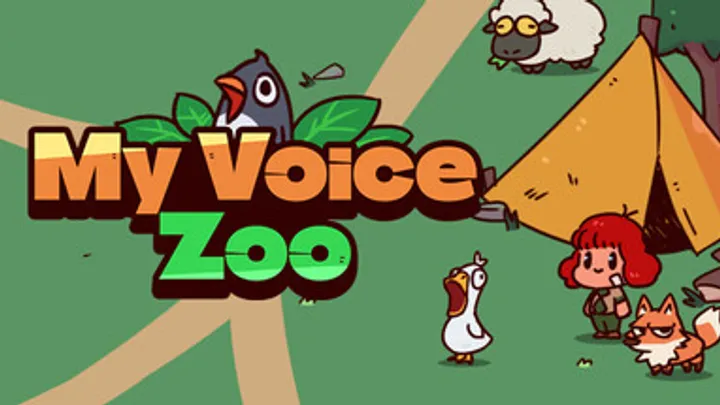
MyVoiceZoo is a voice-focused platform/app designed to help users work with audio and voice-related tasks in a convenient, easy-to-use way. Instead of making everything complicated, MyVoiceZoo typically follows a simple workflow where users can get results faster, adjust key options, and reuse the tool for different voice needs. If you’re searching for a voice tool that feels practical and customization-friendly, MyVoiceZoo is worth considering.