Screenshot
















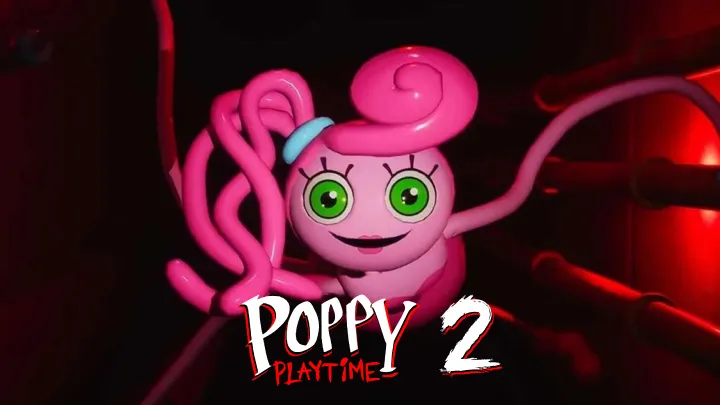













Poppy Playtime - Chapter 3 Summary
IntroductionFollowing the chilling events of Chapter 2: Fly in a Web, Poppy Playtime – Chapter 3: Deep Sleep pushes players deeper into the nightmare of Playtime Co. The factory grows darker, the story becomes more sinister, and new horrors stalk every step. MOB Games has clearly listened to community feedback, refining gameplay and atmosphere while introducing one of the franchise’s most disturbing new antagonists yet: CatNap.But does Chapter 3 truly elevate the Poppy Playtime experience, or does it get lost in its own shadow? Let’s dive in.Story & Lore DevelopmentThe third chapter significantly deepens the overarching mystery of Playtime Co.CatNap as the Main Villain – A haunting toy-creature that blends innocence with malice, embodying nightmare fuel.Narrative Expansion – The lore surrounding the orphan project becomes central, revealing disturbing truths about children used in toy experiments.Poppy’s Role – The doll becomes a more complex character, blurring the line between ally and manipulator.This chapter shifts the narrative tone from mysterious to outright tragic and horrifying.Gameplay EvolutionChapter 3 makes meaningful gameplay improvements over its predecessors.GrabPack Refinements – New mechanics and smoother interactions create more fluid puzzle-solving.Puzzle Balance – More variety in challenges, with a stronger mix of action, stealth, and problem-solving.Horror Integration – Puzzles are more seamlessly tied into the horror scenarios, reducing “stop-and-think” pacing breaks.For many players, this balance makes Chapter 3 feel more engaging and less fragmented than Chapter 2.Horror & AtmosphereIf Chapter 2 was eerie, Chapter 3 is terrifying.CatNap Encounters – His presence is relentless, unpredictable, and psychologically disturbing.Dreamlike Setting – The “Deep Sleep” theme creates surreal, almost nightmarish environments that feel more abstract and unsettling.Sound & Music – Whispered voices, distorted lullabies, and chilling audio cues make this chapter the scariest yet.Technical PerformanceMOB Games clearly invested in improving technical polish.Better Optimization – Fewer frame drops and smoother gameplay overall.Visual Improvements – Lighting, shadows, and animation fidelity are noticeably sharper.Minor Bugs – While improved, occasional clipping and AI hiccups remain.StrengthsCatNap is a terrifying and memorable new antagonist.Storytelling is darker, more emotional, and more engaging.Improved balance of puzzles, action, and horror.Stronger technical polish than previous chapters.Sound and visual design elevate the fear factor.WeaknessesStill relatively short compared to player expectations.Some puzzles may feel overly simple for returning players.A few technical quirks persist.Story remains cryptic, leaving many unresolved mysteries.Horror pacing may overwhelm players who prefer lighter tension.Final VerdictPoppy Playtime – Chapter 3: Deep Sleep represents a major step forward for the series. With its terrifying antagonist, darker storytelling, and improved technical execution, it stands as the best installment yet. It’s not perfect — still short, still mysterious — but for fans of horror, this chapter is essential.
Rating
Introduction
Following the chilling events of Chapter 2: Fly in a Web, Poppy Playtime – Chapter 3: Deep Sleep pushes players deeper into the nightmare of Playtime Co. The factory grows darker, the story becomes more sinister, and new horrors stalk every step. MOB Games has clearly listened to community feedback, refining gameplay and atmosphere while introducing one of the franchise’s most disturbing new antagonists yet: CatNap.
But does Chapter 3 truly elevate the Poppy Playtime experience, or does it get lost in its own shadow? Let’s dive in.
Story & Lore Development
The third chapter significantly deepens the overarching mystery of Playtime Co.
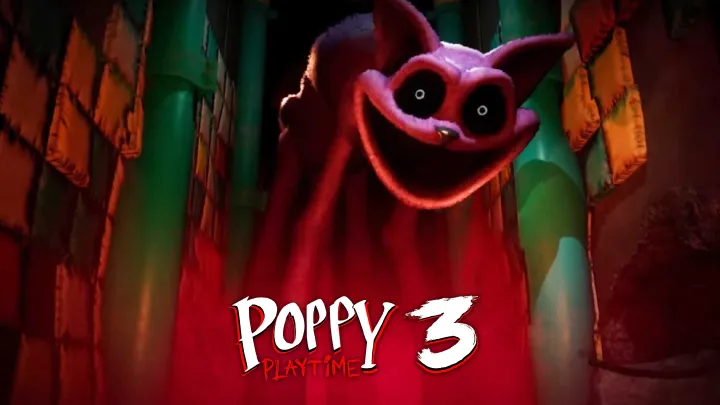
- CatNap as the Main Villain – A haunting toy-creature that blends innocence with malice, embodying nightmare fuel.
- Narrative Expansion – The lore surrounding the orphan project becomes central, revealing disturbing truths about children used in toy experiments.
- Poppy’s Role – The doll becomes a more complex character, blurring the line between ally and manipulator.
This chapter shifts the narrative tone from mysterious to outright tragic and horrifying.
Gameplay Evolution
Chapter 3 makes meaningful gameplay improvements over its predecessors.
- GrabPack Refinements – New mechanics and smoother interactions create more fluid puzzle-solving.
- Puzzle Balance – More variety in challenges, with a stronger mix of action, stealth, and problem-solving.
- Horror Integration – Puzzles are more seamlessly tied into the horror scenarios, reducing “stop-and-think” pacing breaks.
For many players, this balance makes Chapter 3 feel more engaging and less fragmented than Chapter 2.
Horror & Atmosphere
If Chapter 2 was eerie, Chapter 3 is terrifying.
- CatNap Encounters – His presence is relentless, unpredictable, and psychologically disturbing.
- Dreamlike Setting – The “Deep Sleep” theme creates surreal, almost nightmarish environments that feel more abstract and unsettling.
- Sound & Music – Whispered voices, distorted lullabies, and chilling audio cues make this chapter the scariest yet.
Technical Performance
MOB Games clearly invested in improving technical polish.
- Better Optimization – Fewer frame drops and smoother gameplay overall.
- Visual Improvements – Lighting, shadows, and animation fidelity are noticeably sharper.
- Minor Bugs – While improved, occasional clipping and AI hiccups remain.
Strengths
- CatNap is a terrifying and memorable new antagonist.
- Storytelling is darker, more emotional, and more engaging.
- Improved balance of puzzles, action, and horror.
- Stronger technical polish than previous chapters.
- Sound and visual design elevate the fear factor.
Weaknesses
- Still relatively short compared to player expectations.
- Some puzzles may feel overly simple for returning players.
- A few technical quirks persist.
- Story remains cryptic, leaving many unresolved mysteries.
- Horror pacing may overwhelm players who prefer lighter tension.
Final Verdict
Poppy Playtime – Chapter 3: Deep Sleep represents a major step forward for the series. With its terrifying antagonist, darker storytelling, and improved technical execution, it stands as the best installment yet. It’s not perfect — still short, still mysterious — but for fans of horror, this chapter is essential.
Get Game Links
All trademarks belong to their respective owners.
Latest Reviews
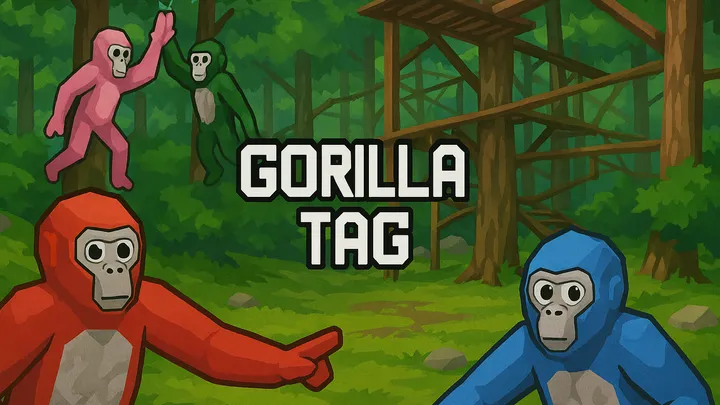
Gorilla Tag
When Gorilla Tag was first released by developer Another Axiom in early access back in early 2021, few could have predicted the meteoric rise it would enjoy. The concept was almost childishly simple: you play as a gorilla in VR, using only your arms to move, jump, and climb, and the core game mode is… tag. That’s it. No complicated weapon systems. No sprawling maps with scripted events. No ultra-realistic graphics or heavy lore drops. Instead, it’s an unapologetically low-poly, physics-driven playground where movement is the mechanic.And yet, this stripped-down design has transformed Gorilla Tag from an experimental indie project into one of the most popular VR multiplayer games of all time. It’s a case study in how constraints can inspire innovation — and how social interaction, player creativity, and unconventional mechanics can create a phenomenon that defies traditional AAA wisdom.In this review, I’ll dissect Gorilla Tag from the perspective of a games analyst, covering its movement system, game design philosophy, social dynamics, competitive meta, community growth, technical execution, monetization strategy, and the future potential of the title. I’ll also touch on its cultural footprint and what it means for the VR industry as a whole.
Bloody Finger Jump
Is your finger faster then the others? Will your finger crush other enemies? Take up the challenge, compete and check how fast your fingers are. You can be sure that there will be blood...

Grand Theft Auto V
Grand Theft Auto V isn't simply a game; it is an economic, social, and cultural document of the 21st century. Taking the familiar chaotic sandbox of its predecessors, it expands it into a living, breathing world of San Andreas—teeming with meticulous detail and a biting, satirical wit. Whether you are pulled into its high-stakes criminal economy or its deep social simulation, GTA V delivers a profound and unforgettable masterclass in open-world design.

EA SPORTS FC™ 26
EA SPORTS FC™ 26 marks the third installment in the EA Sports FC era and is poised for release in September 2025. Developed by EA Vancouver and EA Romania, the game continues to showcase realism, player expression, and fidelity that fans expect—now with deeper gameplay variety and tactical richness. Covering multiple platforms—from next-gen consoles to PCs and even the new Nintendo Switch 2—FC 26 seeks to refine core mechanics while layering in strategic and narrative depth.
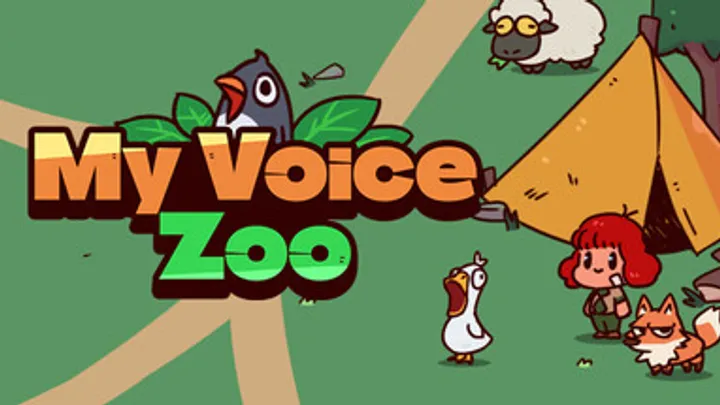
My Voice Zoo
MyVoiceZoo is a voice-focused platform/app designed to help users work with audio and voice-related tasks in a convenient, easy-to-use way. Instead of making everything complicated, MyVoiceZoo typically follows a simple workflow where users can get results faster, adjust key options, and reuse the tool for different voice needs. If you’re searching for a voice tool that feels practical and customization-friendly, MyVoiceZoo is worth considering.