Screenshot










Roblox: The Forge Summary
IntroductionThe Forge is a popular Roblox action RPG experience developed by a community team led by Fireatacck and published within the Roblox platform. Released in late 2025, the game quickly gained attention thanks to its deep crafting system, mining mechanics, and progression-based gameplay.In The Forge, players take on the role of a blacksmith, mining ores, forging weapons and armor, and battling enemies across different regions. The core gameplay loop revolves around mining → forging → combat → upgrading gear, creating a continuous progression cycle.While this system initially feels rewarding and engaging, it also introduces a major gameplay issue: the deeper the systems become, the more the game turns into a repetitive and grind-heavy experience. This article explores how complexity and progression design impact player enjoyment.1. Core Gameplay OverviewAt its core, The Forge is a mining and crafting RPG built around progression. Players explore caves, collect ores, and use them to craft stronger equipment.The game blends multiple systems, including combat, crafting, and exploration, creating a layered experience.Core gameplay features:Mining ores in different regionsForging weapons and armorCombat with enemies and bossesGear upgrades and enhancementsThis combination gives the game strong initial depth.2. The Mining → Forging → Combat LoopThe main gameplay loop defines the entire experience. Players mine resources, return to forge equipment, and then use that gear to fight stronger enemies.This loop repeats continuously as players progress to harder areas.Core loop:Mine oresForge equipmentFight enemiesUnlock new areasRepeatWhile effective early on, this loop rarely evolves.3. Depth of Crafting SystemOne of The Forge’s strongest features is its crafting system. Players can combine different ores to create unique weapons with varying stats and effects.The forging process even includes mini-games that affect item quality.Crafting highlights:Multiple ore combinationsUnique weapon outcomesSkill-based forging systemHowever, this depth can become overwhelming over time.4. RNG and Unpredictable ProgressionA major issue lies in the game’s reliance on RNG (randomness). The quality of items depends on ore combinations, forging performance, and random outcomes.This creates inconsistency in progression.RNG problems:Unpredictable gear qualityRandom stat outcomesLack of control over upgradesPlayers may feel progress is based on luck rather than skill.5. Grinding Becomes the Core ExperienceAs players advance, progression slows down significantly. Higher-tier gear requires rare ores and large amounts of resources.This forces players into repetitive grinding.Grinding issues:Long farming sessionsRepetitive mining tasksSlow progression speedInstead of feeling rewarding, progression becomes time-consuming.6. Combat System Feels SecondaryAlthough combat is part of the game, it is not as deep as the crafting system. Players use basic attacks, blocking, and parrying mechanics.Combat often feels like a supporting system rather than a core mechanic.Combat limitations:Simple attack patternsLimited enemy varietyRepetitive encountersThis reduces excitement during gameplay.7. Lack of Meaningful Gameplay EvolutionDespite multiple areas and upgrades, the core gameplay remains unchanged throughout the game.Players continue doing the same actions with stronger stats.Evolution problems:No new mechanics introducedSame loop at all stagesProgression = numbers increase onlyThis makes late-game content feel similar to early-game.8. Economic Imbalance and Resource ValueThe in-game economy can feel unbalanced. Players must invest significant time to obtain high-value items.Some players report that earning currency and upgrading gear takes too long compared to rewards.“pickaxes cost way too much… takes forever to mine”Economy issues:High cost of upgradesLow reward efficiencySlow return on effortThis discourages long-term engagement.9. Community Feedback: Fun but RepetitiveCommunity reactions highlight both the strengths and weaknesses of the game.Many players enjoy the crafting system but criticize the repetitive gameplay.“gameplay is quite repetitive and pretty grindy”Common feedback:Fun at the beginningRepetitive over timeGrind-heavy progressionThis shows a clear pattern in player experience.10. Potential Improvements for Better BalanceTo improve gameplay, The Forge needs to balance depth with variety and reduce reliance on grinding.Suggested improvements:Introduce new mechanics over timeReduce RNG impact on progressionImprove combat depthBalance resource economyAdd dynamic events or challengesThese changes could enhance long-term engagement.ConclusionThe Forge stands out as a deep and engaging Roblox RPG with strong crafting mechanics and a satisfying progression loop. Developed by a community team led by Fireatacck, it successfully combines mining, forging, and combat into a unified experience.However, its biggest issue lies in how that depth translates into gameplay. The heavy reliance on grinding, RNG-based progression, and limited gameplay evolution can make the experience feel repetitive over time.Ultimately, The Forge is a game with strong foundations but needs better balance between depth and variety to maintain long-term player interest.
Rating
Introduction
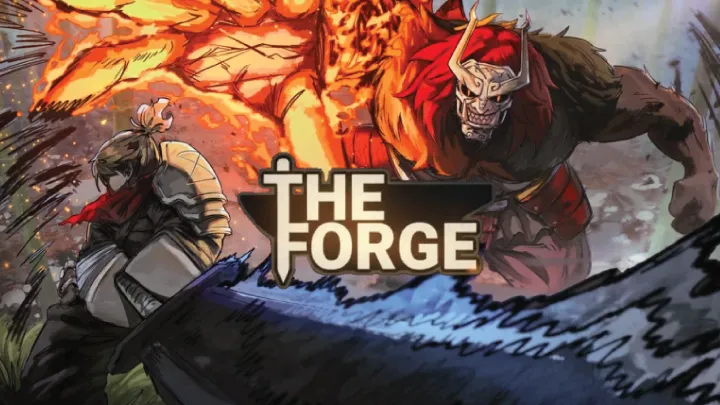
The Forge is a popular Roblox action RPG experience developed by a community team led by Fireatacck and published within the Roblox platform. Released in late 2025, the game quickly gained attention thanks to its deep crafting system, mining mechanics, and progression-based gameplay.
In The Forge, players take on the role of a blacksmith, mining ores, forging weapons and armor, and battling enemies across different regions. The core gameplay loop revolves around mining → forging → combat → upgrading gear, creating a continuous progression cycle.
While this system initially feels rewarding and engaging, it also introduces a major gameplay issue: the deeper the systems become, the more the game turns into a repetitive and grind-heavy experience. This article explores how complexity and progression design impact player enjoyment.
1. Core Gameplay Overview
At its core, The Forge is a mining and crafting RPG built around progression. Players explore caves, collect ores, and use them to craft stronger equipment.
The game blends multiple systems, including combat, crafting, and exploration, creating a layered experience.
Core gameplay features:
- Mining ores in different regions
- Forging weapons and armor
- Combat with enemies and bosses
- Gear upgrades and enhancements
This combination gives the game strong initial depth.
2. The Mining → Forging → Combat Loop
The main gameplay loop defines the entire experience. Players mine resources, return to forge equipment, and then use that gear to fight stronger enemies.
This loop repeats continuously as players progress to harder areas.
Core loop:
- Mine ores
- Forge equipment
- Fight enemies
- Unlock new areas
- Repeat
While effective early on, this loop rarely evolves.
3. Depth of Crafting System
One of The Forge’s strongest features is its crafting system. Players can combine different ores to create unique weapons with varying stats and effects.
The forging process even includes mini-games that affect item quality.
Crafting highlights:
- Multiple ore combinations
- Unique weapon outcomes
- Skill-based forging system
However, this depth can become overwhelming over time.
4. RNG and Unpredictable Progression
A major issue lies in the game’s reliance on RNG (randomness). The quality of items depends on ore combinations, forging performance, and random outcomes.
This creates inconsistency in progression.
RNG problems:
- Unpredictable gear quality
- Random stat outcomes
- Lack of control over upgrades
Players may feel progress is based on luck rather than skill.
5. Grinding Becomes the Core Experience
As players advance, progression slows down significantly. Higher-tier gear requires rare ores and large amounts of resources.
This forces players into repetitive grinding.
Grinding issues:
- Long farming sessions
- Repetitive mining tasks
- Slow progression speed
Instead of feeling rewarding, progression becomes time-consuming.
6. Combat System Feels Secondary
Although combat is part of the game, it is not as deep as the crafting system. Players use basic attacks, blocking, and parrying mechanics.
Combat often feels like a supporting system rather than a core mechanic.
Combat limitations:
- Simple attack patterns
- Limited enemy variety
- Repetitive encounters
This reduces excitement during gameplay.
7. Lack of Meaningful Gameplay Evolution
Despite multiple areas and upgrades, the core gameplay remains unchanged throughout the game.
Players continue doing the same actions with stronger stats.
Evolution problems:
- No new mechanics introduced
- Same loop at all stages
- Progression = numbers increase only
This makes late-game content feel similar to early-game.
8. Economic Imbalance and Resource Value
The in-game economy can feel unbalanced. Players must invest significant time to obtain high-value items.
Some players report that earning currency and upgrading gear takes too long compared to rewards.
“pickaxes cost way too much… takes forever to mine”
Economy issues:
- High cost of upgrades
- Low reward efficiency
- Slow return on effort
This discourages long-term engagement.
9. Community Feedback: Fun but Repetitive
Community reactions highlight both the strengths and weaknesses of the game.
Many players enjoy the crafting system but criticize the repetitive gameplay.
“gameplay is quite repetitive and pretty grindy”
Common feedback:
- Fun at the beginning
- Repetitive over time
- Grind-heavy progression
This shows a clear pattern in player experience.
10. Potential Improvements for Better Balance
To improve gameplay, The Forge needs to balance depth with variety and reduce reliance on grinding.
Suggested improvements:
- Introduce new mechanics over time
- Reduce RNG impact on progression
- Improve combat depth
- Balance resource economy
- Add dynamic events or challenges
These changes could enhance long-term engagement.
Conclusion
The Forge stands out as a deep and engaging Roblox RPG with strong crafting mechanics and a satisfying progression loop. Developed by a community team led by Fireatacck, it successfully combines mining, forging, and combat into a unified experience.
However, its biggest issue lies in how that depth translates into gameplay. The heavy reliance on grinding, RNG-based progression, and limited gameplay evolution can make the experience feel repetitive over time.
Ultimately, The Forge is a game with strong foundations but needs better balance between depth and variety to maintain long-term player interest.
Get Game Links
All trademarks belong to their respective owners.
Latest Reviews
Gorilla Tag
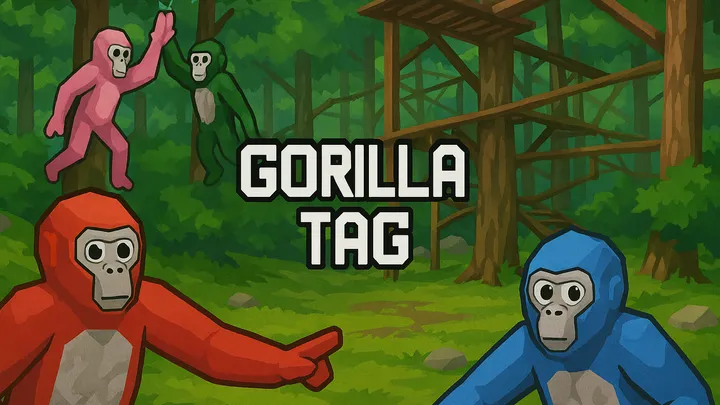
When Gorilla Tag was first released by developer Another Axiom in early access back in early 2021, few could have predicted the meteoric rise it would enjoy. The concept was almost childishly simple: you play as a gorilla in VR, using only your arms to move, jump, and climb, and the core game mode is… tag. That’s it. No complicated weapon systems. No sprawling maps with scripted events. No ultra-realistic graphics or heavy lore drops. Instead, it’s an unapologetically low-poly, physics-driven playground where movement is the mechanic.And yet, this stripped-down design has transformed Gorilla Tag from an experimental indie project into one of the most popular VR multiplayer games of all time. It’s a case study in how constraints can inspire innovation — and how social interaction, player creativity, and unconventional mechanics can create a phenomenon that defies traditional AAA wisdom.In this review, I’ll dissect Gorilla Tag from the perspective of a games analyst, covering its movement system, game design philosophy, social dynamics, competitive meta, community growth, technical execution, monetization strategy, and the future potential of the title. I’ll also touch on its cultural footprint and what it means for the VR industry as a whole.

Bloody Finger Jump
Is your finger faster then the others? Will your finger crush other enemies? Take up the challenge, compete and check how fast your fingers are. You can be sure that there will be blood...
Grand Theft Auto V
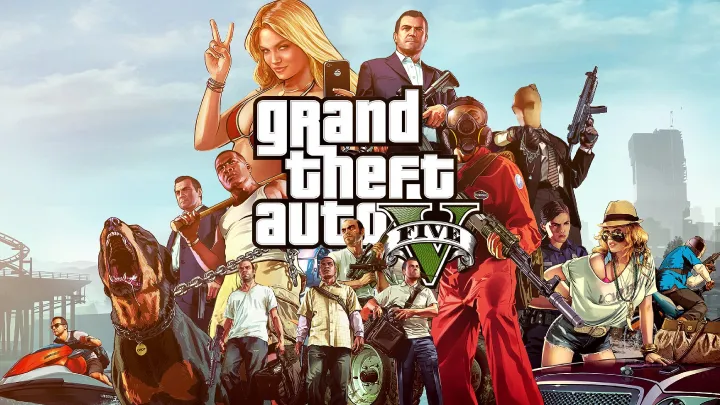
Grand Theft Auto V isn't simply a game; it is an economic, social, and cultural document of the 21st century. Taking the familiar chaotic sandbox of its predecessors, it expands it into a living, breathing world of San Andreas—teeming with meticulous detail and a biting, satirical wit. Whether you are pulled into its high-stakes criminal economy or its deep social simulation, GTA V delivers a profound and unforgettable masterclass in open-world design.
EA SPORTS FC™ 26
EA SPORTS FC™ 26 marks the third installment in the EA Sports FC era and is poised for release in September 2025. Developed by EA Vancouver and EA Romania, the game continues to showcase realism, player expression, and fidelity that fans expect—now with deeper gameplay variety and tactical richness. Covering multiple platforms—from next-gen consoles to PCs and even the new Nintendo Switch 2—FC 26 seeks to refine core mechanics while layering in strategic and narrative depth.
My Voice Zoo
MyVoiceZoo is a voice-focused platform/app designed to help users work with audio and voice-related tasks in a convenient, easy-to-use way. Instead of making everything complicated, MyVoiceZoo typically follows a simple workflow where users can get results faster, adjust key options, and reuse the tool for different voice needs. If you’re searching for a voice tool that feels practical and customization-friendly, MyVoiceZoo is worth considering.