Screenshot
































Rocket League® Summary
IntroductionSince its launch in 2015, Rocket League® has revolutionized the gaming landscape by merging two seemingly disparate worlds: soccer and rocket-powered vehicles. Developed by Psyonix, this unique title quickly gained popularity, becoming a staple in competitive gaming and eSports. With its engaging gameplay, vibrant visuals, and a dedicated community, Rocket League® offers an exhilarating experience that appeals to casual players and competitive gamers alike. In this review, we will explore the game’s mechanics, visuals, audio design, community aspects, and overall impact, providing a thorough analysis of what makes Rocket League® a standout title in the gaming world.Gameplay MechanicsCore Gameplay LoopAt its core, Rocket League® is built on a simple yet addictive gameplay loop that combines driving and soccer mechanics. Players control rocket-powered cars in an arena, aiming to score goals by hitting a large ball into the opposing team's net. Key components of the gameplay include:Driving Dynamics: The game features fluid driving mechanics that allow players to accelerate, steer, and jump with precision. Mastering these controls is essential for effective ball handling and positioning.Aerial Maneuvers: One of the defining features of Rocket League® is the ability to perform aerial maneuvers. Players can use their rocket boost to launch their cars into the air, enabling them to hit the ball at various angles and heights. This mechanic adds a layer of skill and depth to the gameplay, rewarding players who invest time in mastering it.Boost Management: Players must strategically manage their boost, which is essential for speed and aerial maneuvers. Boost pads are scattered throughout the arena, and players must decide when to collect them and how to use their boost effectively during gameplay.Team Play: Rocket League® emphasizes teamwork, as players work together to score goals and defend their net. Communication and coordination with teammates are vital for success, especially in competitive matches.Game ModesRocket League® offers a variety of game modes to cater to different play styles:Casual Matches: These matches provide a relaxed environment for players to practice and enjoy the game without the pressure of competitive rankings.Competitive Matches: Ranked play introduces a competitive ladder system, where players can earn ranks based on their performance. This mode encourages players to improve their skills and climb the ranks.Extra Modes: The game includes several unique modes, such as Rumble (with power-ups), Hoops (basketball-style), and Dropshot (a variant where players break the floor to score). These modes add variety and keep the gameplay fresh.Visuals and Art StyleGraphicsRocket League® features vibrant graphics that enhance the overall gaming experience. The art style is colorful and cartoonish, creating an inviting atmosphere that appeals to a wide audience. Key visual elements include:Arena Design: The arenas are creatively designed, with distinct themes and layouts that influence gameplay. From urban settings to futuristic landscapes, each arena offers a unique visual experience.Car Customization: Players can customize their vehicles with a wide range of decals, wheels, and rocket boosts. This level of personalization allows players to express their individuality and adds depth to the gameplay.User InterfaceThe user interface (UI) in Rocket League® is intuitive and easy to navigate. Players can quickly access their inventory, view match statistics, and customize their cars without feeling overwhelmed. The UI complements the game's vibrant aesthetic, ensuring a seamless experience.Audio DesignSound EffectsThe audio design in Rocket League® plays a crucial role in creating an immersive experience. Key sound elements include:Impact Sounds: Each collision between the ball and cars produces satisfying sound effects, enhancing the thrill of gameplay. The distinct sounds for different actions, such as scoring or boosting, contribute to the overall enjoyment.Ambient Sounds: The background sounds of the arenas, including crowd noise and environmental effects, create a lively atmosphere that immerses players in the action.MusicThe game features an upbeat soundtrack that complements the fast-paced nature of Rocket League®. The music is energetic and catchy, enhancing the excitement during matches. Players can also customize their playlists, adding a personal touch to their gaming experience.Community AspectsOne of the standout features of Rocket League® is its thriving community. The game encourages social interaction and collaboration among players:Online PlayRocket League® offers robust online multiplayer options, allowing players to team up with friends or compete against others worldwide. The matchmaking system ensures that players are paired with opponents of similar skill levels, promoting fair competition.eSports SceneThe competitive scene for Rocket League® has grown significantly since its release. Major tournaments, such as the Rocket League Championship Series (RLCS), attract top-tier talent and offer substantial prize pools. This eSports presence has fostered a dedicated fanbase and elevated the game’s status within the competitive gaming community.Community EngagementPsyonix actively engages with the community through regular updates, events, and seasonal content. The developers listen to player feedback, implementing changes and improvements based on community input. This commitment to community engagement enhances the overall player experience and keeps the game feeling fresh.Challenges and TensionWhile Rocket League® offers an exhilarating experience, it also presents challenges that can test players' skills and patience:Skill CeilingThe game's mechanics, particularly aerial maneuvers and advanced techniques, create a high skill ceiling. While this can be rewarding for dedicated players, newcomers may find it challenging to compete at higher levels. The learning curve can be steep, but practice and perseverance lead to improvement.Competitive PressureIn ranked matches, the competitive nature can lead to pressure and frustration, especially when players are striving to climb the ranks. The desire to win can sometimes overshadow the enjoyment of the game, causing stress for some players.Technical IssuesLike many online games, Rocket League® can experience technical issues, including server problems and latency. While these occurrences are relatively infrequent, they can disrupt gameplay and detract from the overall experience.Criticisms and Areas for ImprovementMonetizationWhile Rocket League® offers a free-to-play model, some players have voiced concerns about monetization strategies, particularly regarding cosmetic items and loot boxes. Balancing monetization with player satisfaction is crucial for maintaining a positive community.Limited Single-Player ContentThe game primarily focuses on multiplayer experiences, which may leave some players wishing for more single-player content or a deeper story mode. Expanding the single-player offerings could attract a broader audience.Matchmaking ImprovementsAlthough the matchmaking system is generally effective, some players have encountered issues with unbalanced matches. Continuous improvements to matchmaking algorithms could enhance the competitive experience.Future ProspectsUpdates and ExpansionsGiven the game's ongoing popularity, there is potential for future updates and expansions that could introduce new features, gameplay modes, and vehicles. Psyonix has a history of implementing player feedback, so further enhancements are likely.Community EventsEncouraging community-driven events and collaborations can foster engagement and excitement. Seasonal events, limited-time game modes, and collaborations with other franchises could keep the player base active and engaged.ConclusionRocket League® stands as a testament to innovative game design, successfully merging soccer and vehicular gameplay into an exhilarating experience. Its engaging mechanics, vibrant visuals, and strong community support create a dynamic environment that appeals to players of all skill levels. While there are areas for improvement, such as monetization and matchmaking, the game continues to thrive as a beloved title in the gaming landscape.As players soar through the air, execute breathtaking maneuvers, and collaborate with teammates to score goals, they experience the thrill of competition and the joy of gaming at its finest. Rocket League® has cemented its place in the hearts of gamers and is poised for continued success in the ever-evolving gaming landscape.Final ThoughtsIn summary, Rocket League® offers a unique blend of fast-paced action and strategic gameplay that keeps players engaged. With its commitment to community involvement and ongoing updates, the game is likely to remain a favorite among fans for years to come. Whether you're a seasoned veteran or a newcomer to the game, Rocket League® promises an exhilarating ride that is not to be missed.
Rating
Introduction
Since its launch in 2015, Rocket League® has revolutionized the gaming landscape by merging two seemingly disparate worlds: soccer and rocket-powered vehicles. Developed by Psyonix, this unique title quickly gained popularity, becoming a staple in competitive gaming and eSports. With its engaging gameplay, vibrant visuals, and a dedicated community, Rocket League® offers an exhilarating experience that appeals to casual players and competitive gamers alike. In this review, we will explore the game’s mechanics, visuals, audio design, community aspects, and overall impact, providing a thorough analysis of what makes Rocket League® a standout title in the gaming world.
Gameplay Mechanics
Core Gameplay Loop
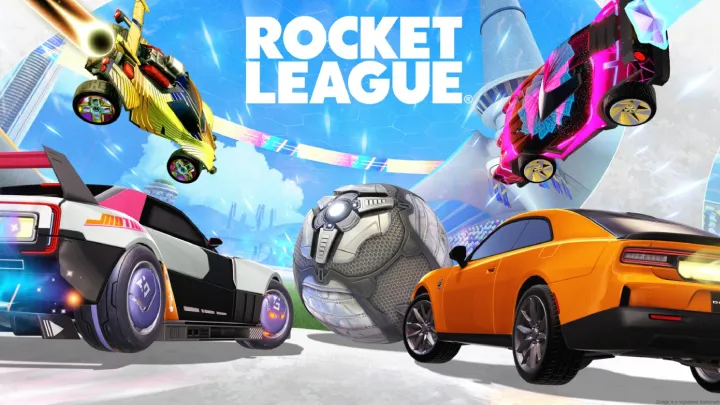
At its core, Rocket League® is built on a simple yet addictive gameplay loop that combines driving and soccer mechanics. Players control rocket-powered cars in an arena, aiming to score goals by hitting a large ball into the opposing team's net. Key components of the gameplay include:
- Driving Dynamics: The game features fluid driving mechanics that allow players to accelerate, steer, and jump with precision. Mastering these controls is essential for effective ball handling and positioning.
- Aerial Maneuvers: One of the defining features of Rocket League® is the ability to perform aerial maneuvers. Players can use their rocket boost to launch their cars into the air, enabling them to hit the ball at various angles and heights. This mechanic adds a layer of skill and depth to the gameplay, rewarding players who invest time in mastering it.
- Boost Management: Players must strategically manage their boost, which is essential for speed and aerial maneuvers. Boost pads are scattered throughout the arena, and players must decide when to collect them and how to use their boost effectively during gameplay.
- Team Play: Rocket League® emphasizes teamwork, as players work together to score goals and defend their net. Communication and coordination with teammates are vital for success, especially in competitive matches.
Game Modes
Rocket League® offers a variety of game modes to cater to different play styles:
- Casual Matches: These matches provide a relaxed environment for players to practice and enjoy the game without the pressure of competitive rankings.
- Competitive Matches: Ranked play introduces a competitive ladder system, where players can earn ranks based on their performance. This mode encourages players to improve their skills and climb the ranks.
- Extra Modes: The game includes several unique modes, such as Rumble (with power-ups), Hoops (basketball-style), and Dropshot (a variant where players break the floor to score). These modes add variety and keep the gameplay fresh.
Visuals and Art Style
Graphics
Rocket League® features vibrant graphics that enhance the overall gaming experience. The art style is colorful and cartoonish, creating an inviting atmosphere that appeals to a wide audience. Key visual elements include:
- Arena Design: The arenas are creatively designed, with distinct themes and layouts that influence gameplay. From urban settings to futuristic landscapes, each arena offers a unique visual experience.
- Car Customization: Players can customize their vehicles with a wide range of decals, wheels, and rocket boosts. This level of personalization allows players to express their individuality and adds depth to the gameplay.
User Interface
The user interface (UI) in Rocket League® is intuitive and easy to navigate. Players can quickly access their inventory, view match statistics, and customize their cars without feeling overwhelmed. The UI complements the game's vibrant aesthetic, ensuring a seamless experience.
Audio Design
Sound Effects
The audio design in Rocket League® plays a crucial role in creating an immersive experience. Key sound elements include:
- Impact Sounds: Each collision between the ball and cars produces satisfying sound effects, enhancing the thrill of gameplay. The distinct sounds for different actions, such as scoring or boosting, contribute to the overall enjoyment.
- Ambient Sounds: The background sounds of the arenas, including crowd noise and environmental effects, create a lively atmosphere that immerses players in the action.
Music
The game features an upbeat soundtrack that complements the fast-paced nature of Rocket League®. The music is energetic and catchy, enhancing the excitement during matches. Players can also customize their playlists, adding a personal touch to their gaming experience.
Community Aspects
One of the standout features of Rocket League® is its thriving community. The game encourages social interaction and collaboration among players:
Online Play
Rocket League® offers robust online multiplayer options, allowing players to team up with friends or compete against others worldwide. The matchmaking system ensures that players are paired with opponents of similar skill levels, promoting fair competition.
eSports Scene
The competitive scene for Rocket League® has grown significantly since its release. Major tournaments, such as the Rocket League Championship Series (RLCS), attract top-tier talent and offer substantial prize pools. This eSports presence has fostered a dedicated fanbase and elevated the game’s status within the competitive gaming community.
Community Engagement
Psyonix actively engages with the community through regular updates, events, and seasonal content. The developers listen to player feedback, implementing changes and improvements based on community input. This commitment to community engagement enhances the overall player experience and keeps the game feeling fresh.
Challenges and Tension
While Rocket League® offers an exhilarating experience, it also presents challenges that can test players' skills and patience:
Skill Ceiling
The game's mechanics, particularly aerial maneuvers and advanced techniques, create a high skill ceiling. While this can be rewarding for dedicated players, newcomers may find it challenging to compete at higher levels. The learning curve can be steep, but practice and perseverance lead to improvement.
Competitive Pressure
In ranked matches, the competitive nature can lead to pressure and frustration, especially when players are striving to climb the ranks. The desire to win can sometimes overshadow the enjoyment of the game, causing stress for some players.
Technical Issues
Like many online games, Rocket League® can experience technical issues, including server problems and latency. While these occurrences are relatively infrequent, they can disrupt gameplay and detract from the overall experience.
Criticisms and Areas for Improvement
Monetization
While Rocket League® offers a free-to-play model, some players have voiced concerns about monetization strategies, particularly regarding cosmetic items and loot boxes. Balancing monetization with player satisfaction is crucial for maintaining a positive community.
Limited Single-Player Content
The game primarily focuses on multiplayer experiences, which may leave some players wishing for more single-player content or a deeper story mode. Expanding the single-player offerings could attract a broader audience.
Matchmaking Improvements
Although the matchmaking system is generally effective, some players have encountered issues with unbalanced matches. Continuous improvements to matchmaking algorithms could enhance the competitive experience.
Future Prospects
Updates and Expansions
Given the game's ongoing popularity, there is potential for future updates and expansions that could introduce new features, gameplay modes, and vehicles. Psyonix has a history of implementing player feedback, so further enhancements are likely.
Community Events
Encouraging community-driven events and collaborations can foster engagement and excitement. Seasonal events, limited-time game modes, and collaborations with other franchises could keep the player base active and engaged.
Conclusion
Rocket League® stands as a testament to innovative game design, successfully merging soccer and vehicular gameplay into an exhilarating experience. Its engaging mechanics, vibrant visuals, and strong community support create a dynamic environment that appeals to players of all skill levels. While there are areas for improvement, such as monetization and matchmaking, the game continues to thrive as a beloved title in the gaming landscape.
As players soar through the air, execute breathtaking maneuvers, and collaborate with teammates to score goals, they experience the thrill of competition and the joy of gaming at its finest. Rocket League® has cemented its place in the hearts of gamers and is poised for continued success in the ever-evolving gaming landscape.
Final Thoughts
In summary, Rocket League® offers a unique blend of fast-paced action and strategic gameplay that keeps players engaged. With its commitment to community involvement and ongoing updates, the game is likely to remain a favorite among fans for years to come. Whether you're a seasoned veteran or a newcomer to the game, Rocket League® promises an exhilarating ride that is not to be missed.
Get Game Links
All trademarks belong to their respective owners.
Latest Reviews

Gorilla Tag
When Gorilla Tag was first released by developer Another Axiom in early access back in early 2021, few could have predicted the meteoric rise it would enjoy. The concept was almost childishly simple: you play as a gorilla in VR, using only your arms to move, jump, and climb, and the core game mode is… tag. That’s it. No complicated weapon systems. No sprawling maps with scripted events. No ultra-realistic graphics or heavy lore drops. Instead, it’s an unapologetically low-poly, physics-driven playground where movement is the mechanic.And yet, this stripped-down design has transformed Gorilla Tag from an experimental indie project into one of the most popular VR multiplayer games of all time. It’s a case study in how constraints can inspire innovation — and how social interaction, player creativity, and unconventional mechanics can create a phenomenon that defies traditional AAA wisdom.In this review, I’ll dissect Gorilla Tag from the perspective of a games analyst, covering its movement system, game design philosophy, social dynamics, competitive meta, community growth, technical execution, monetization strategy, and the future potential of the title. I’ll also touch on its cultural footprint and what it means for the VR industry as a whole.

Bloody Finger Jump
Is your finger faster then the others? Will your finger crush other enemies? Take up the challenge, compete and check how fast your fingers are. You can be sure that there will be blood...
Grand Theft Auto V
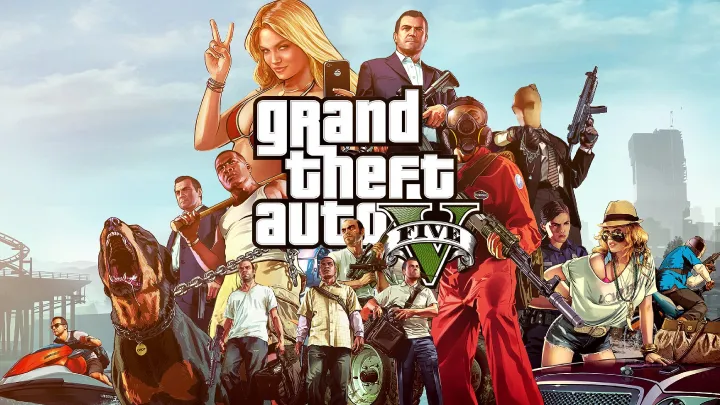
Grand Theft Auto V isn't simply a game; it is an economic, social, and cultural document of the 21st century. Taking the familiar chaotic sandbox of its predecessors, it expands it into a living, breathing world of San Andreas—teeming with meticulous detail and a biting, satirical wit. Whether you are pulled into its high-stakes criminal economy or its deep social simulation, GTA V delivers a profound and unforgettable masterclass in open-world design.
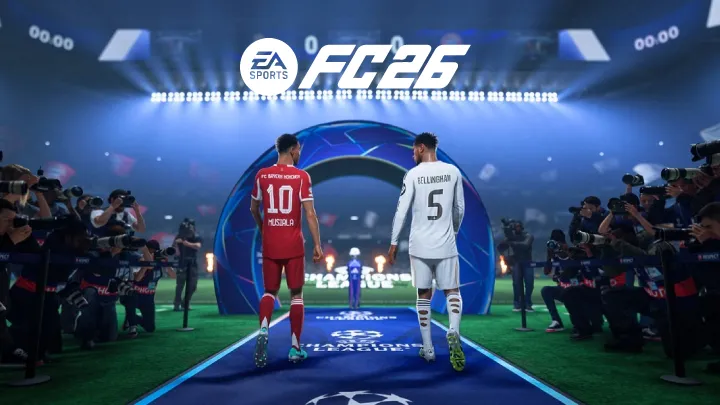
EA SPORTS FC™ 26
EA SPORTS FC™ 26 marks the third installment in the EA Sports FC era and is poised for release in September 2025. Developed by EA Vancouver and EA Romania, the game continues to showcase realism, player expression, and fidelity that fans expect—now with deeper gameplay variety and tactical richness. Covering multiple platforms—from next-gen consoles to PCs and even the new Nintendo Switch 2—FC 26 seeks to refine core mechanics while layering in strategic and narrative depth.

My Voice Zoo
MyVoiceZoo is a voice-focused platform/app designed to help users work with audio and voice-related tasks in a convenient, easy-to-use way. Instead of making everything complicated, MyVoiceZoo typically follows a simple workflow where users can get results faster, adjust key options, and reuse the tool for different voice needs. If you’re searching for a voice tool that feels practical and customization-friendly, MyVoiceZoo is worth considering.