Screenshot








































Summary
IntroductionRust, developed by Facepunch Studios, has become synonymous with survival gaming since its early access release in 2013. This multiplayer game plunges players into a harsh, post-apocalyptic world where the primary objective is survival—against both the environment and other players. Ever since its full release in early 2018, Rust has continued to evolve, introducing new content, gameplay mechanics, and improvements that keep its fanbase engaged. In this review, we'll conduct an in-depth analysis of Rust's gameplay mechanics, visual design, audio experience, community dynamics, strengths, weaknesses, and future potential.Gameplay MechanicsCore Gameplay LoopThe heart of Rust lies in its relentless survival loop. Players must gather resources, build shelters, craft equipment, and fend off threats from wildlife and other players. The core gameplay includes several interconnected systems that create a challenging environment.Resource Gathering:Players begin with nothing but a rock and a torch. Resources like wood, stone, and metal must be gathered to craft tools, weapons, and building materials. The world is filled with resources, but they are not easily accessible, requiring exploration and sometimes combat to acquire them.Building Mechanics:Building plays a crucial role in Rust. Players can construct bases using gathered materials, allowing for shelter and a secure location to store loot. The building system is flexible, enabling players to create intricate structures, traps, and defenses. However, the complexity also means that building can be time-consuming and resource-intensive.Crafting System:The extensive crafting system allows players to create a wide variety of tools, weapons, and armor. Crafting requires specific resources and blueprints, which adds a strategic element to resource gathering. Players must decide whether to prioritize crafting weapons for defense or tools to enhance resource collection.Combat Mechanics:Combat is a significant aspect of Rust. Players can engage in both ranged and melee combat, using weapons ranging from bows and crossbows to firearms. Gunplay is influenced by weapon types, bullet drop, and player skill, requiring practice to master. It’s a high-stakes environment where the threat of ambush is constant.Survival Elements:Players must manage their health, hunger, and hydration levels. Finding food and water can be challenging, requiring players to hunt animals, gather crops, or scavenge from other players. Negative effects from neglecting these needs can lead to death, adding a layer of urgency to gameplay.Unique FeaturesEnvironmental Hazards:Rust immerses players in a world filled with environmental challenges, including radiation zones, wildlife predators, and weather conditions. This dynamic environment shapes player strategies and promotes exploration.Day/Night Cycle:The game features a realistic day/night cycle, which affects gameplay. Nighttime introduces darkness and increased danger, making it critical for players to find shelter or build secure bases.Social Dynamics:Players can form alliances, trade, or engage in ruthless rivalry. Communication through in-game voice chat or text allows for social interaction, leading to unique player-driven stories and conflicts.Visuals and Art StyleGraphicsRust boasts a distinct visual style characterized by:Realistic Environments:The game features a richly detailed world filled with diverse biomes, including forests, mountains, and deserts. The environmental design immerses players in a believable post-apocalyptic landscape.Character Models:Character models are well-designed, with customization options allowing players to personalize their appearance. This adds a layer of identity and individuality to the individual characters in the game.Lighting Effects:The game utilizes advanced lighting techniques, enhancing the atmosphere during the day/night cycle. Firelight, shadows, and reflections play a significant role in creating an immersive experience that feels alive.User ExperienceThe user interface (UI) in Rust is functional but can be overwhelming for new players. The inventory management, crafting menus, and map navigation require a learning curve. However, experienced players will find that these systems become intuitive over time.Audio DesignSoundtrack and EffectsThe audio experience in Rust contributes significantly to immersion:Dynamic Sound Effects:Environmental sounds—such as rustling leaves, gunfire, and animal calls—bring the world to life. The game's audio cues provide important information about nearby threats and activities.Atmospheric Sound Design:The sound design captures the harshness of the environment. Wind howling through trees and distant gunfire evoke a sense of tension and urgency, enhancing the survival experience.Voice Acting and CommunicationIn-game voice chat enables players to communicate in real time. This feature allows for both cooperation and deception, heightening the social dynamics and interactions between players. The ability to speak with others enhances immersion, as it mimics a real-life survival scenario.Narrative DepthWhile Rust does not feature a traditional narrative, players create their own stories through interactions, alliances, and conflicts. Each player’s journey is unique, shaped by their decisions and experiences in the game world. This emergent storytelling is a hallmark of the Rust experience and contributes to its significant replayability.Community AspectsOnline FeaturesRust thrives on its online community. The game is predominantly multiplayer, where interactions with other players are central to the experience. Players can join servers that align with their preferred playstyle, whether it be PvP-focused, role-playing, or cooperative gameplay.Developer EngagementFacepunch Studios actively engages with its player base through regular updates and patches. Listening to community feedback helps improve gameplay, fix bugs, and introduce new content. Events and seasonal activities keep players returning for fresh experiences.Social FeaturesPlayers often share their experiences through platforms like Reddit and YouTube, discussing strategies, base designs, and game highlights. The community-driven content adds to the allure of Rust, as it fosters a shared understanding of gameplay dynamics.Strengths and WeaknessesStrengthsDeeply Immersive Gameplay: The combination of survival mechanics, resource management, and social interactions creates a rich gameplay experience.Dynamic Environment: Realistic environments and weather conditions enhance immersion and require players to adapt their strategies.Player-Driven Stories: The emergent storytelling aspect lets players create unique experiences through their actions and interactions.Regular Updates: Continuous developer support ensures a fresh and evolving gameplay experience.WeaknessesSteep Learning Curve: New players may find the game overwhelming due to its complexity and lack of clear tutorials.Toxicity in Multiplayer: The open nature of the game can lead to toxic behavior, including harassment and camping, which may deter some players.Performance Issues: Some players have reported lag and bugs that can impact gameplay, especially on lower-end systems.Time Investment: The time required to gather resources, build bases, and progress can be considerable, which may not appeal to casual gamers.Future ProspectsUpdates and ExpansionsGiven its ongoing popularity, Rust is likely to continue evolving. Future updates could introduce new content, improved mechanics, and expanded maps that offer fresh experiences for players.Community EngagementEmphasizing community-driven events and competitions could foster a stronger sense of belonging among players. Introducing systems that reward cooperative gameplay could also enhance the social aspects of the game.ConclusionRust remains a titan in the survival genre, offering an unparalleled experience marked by intense competition, resource management, and the ever-present struggle for survival. Its combination of realistic gameplay mechanics, engaging visuals, and a vibrant community ensures that it stands out in the crowded landscape of multiplayer gaming.Final ThoughtsIn conclusion, Rust is more than just a game; it's a test of survival instincts and social dynamics. Whether you're a lone wolf looking to scavenge and thrive in a harsh world or part of a larger clan seeking dominance, Rust delivers a compelling and immersive experience. Its commitment to realism, player-driven narratives, and continuous development make it a must-play for fans of the survival genre. As players continue to forge their own paths in this unforgiving landscape, the stories born within Rust will surely resonate, creating a lasting impact in the gaming world.
Rating
Introduction
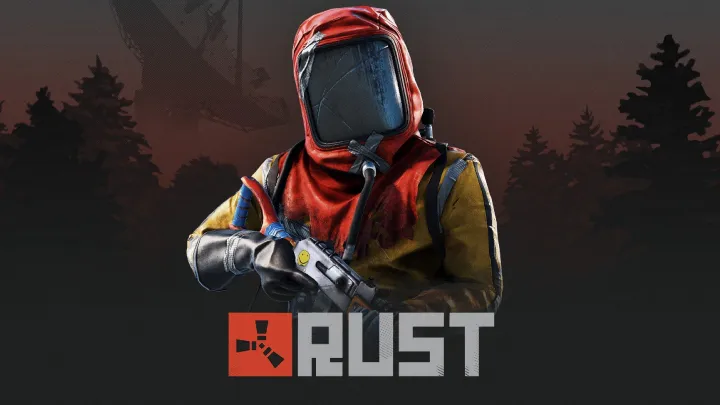
Rust, developed by Facepunch Studios, has become synonymous with survival gaming since its early access release in 2013. This multiplayer game plunges players into a harsh, post-apocalyptic world where the primary objective is survival—against both the environment and other players. Ever since its full release in early 2018, Rust has continued to evolve, introducing new content, gameplay mechanics, and improvements that keep its fanbase engaged. In this review, we'll conduct an in-depth analysis of Rust's gameplay mechanics, visual design, audio experience, community dynamics, strengths, weaknesses, and future potential.
Gameplay Mechanics
Core Gameplay Loop
The heart of Rust lies in its relentless survival loop. Players must gather resources, build shelters, craft equipment, and fend off threats from wildlife and other players. The core gameplay includes several interconnected systems that create a challenging environment.
- Resource Gathering:
- Players begin with nothing but a rock and a torch. Resources like wood, stone, and metal must be gathered to craft tools, weapons, and building materials. The world is filled with resources, but they are not easily accessible, requiring exploration and sometimes combat to acquire them.
- Building Mechanics:
- Building plays a crucial role in Rust. Players can construct bases using gathered materials, allowing for shelter and a secure location to store loot. The building system is flexible, enabling players to create intricate structures, traps, and defenses. However, the complexity also means that building can be time-consuming and resource-intensive.
- Crafting System:
- The extensive crafting system allows players to create a wide variety of tools, weapons, and armor. Crafting requires specific resources and blueprints, which adds a strategic element to resource gathering. Players must decide whether to prioritize crafting weapons for defense or tools to enhance resource collection.
- Combat Mechanics:
- Combat is a significant aspect of Rust. Players can engage in both ranged and melee combat, using weapons ranging from bows and crossbows to firearms. Gunplay is influenced by weapon types, bullet drop, and player skill, requiring practice to master. It’s a high-stakes environment where the threat of ambush is constant.
- Survival Elements:
- Players must manage their health, hunger, and hydration levels. Finding food and water can be challenging, requiring players to hunt animals, gather crops, or scavenge from other players. Negative effects from neglecting these needs can lead to death, adding a layer of urgency to gameplay.
Unique Features
- Environmental Hazards:
- Rust immerses players in a world filled with environmental challenges, including radiation zones, wildlife predators, and weather conditions. This dynamic environment shapes player strategies and promotes exploration.
- Day/Night Cycle:
- The game features a realistic day/night cycle, which affects gameplay. Nighttime introduces darkness and increased danger, making it critical for players to find shelter or build secure bases.
- Social Dynamics:
- Players can form alliances, trade, or engage in ruthless rivalry. Communication through in-game voice chat or text allows for social interaction, leading to unique player-driven stories and conflicts.
Visuals and Art Style
Graphics
Rust boasts a distinct visual style characterized by:
- Realistic Environments:
- The game features a richly detailed world filled with diverse biomes, including forests, mountains, and deserts. The environmental design immerses players in a believable post-apocalyptic landscape.
- Character Models:
- Character models are well-designed, with customization options allowing players to personalize their appearance. This adds a layer of identity and individuality to the individual characters in the game.
- Lighting Effects:
- The game utilizes advanced lighting techniques, enhancing the atmosphere during the day/night cycle. Firelight, shadows, and reflections play a significant role in creating an immersive experience that feels alive.
User Experience
The user interface (UI) in Rust is functional but can be overwhelming for new players. The inventory management, crafting menus, and map navigation require a learning curve. However, experienced players will find that these systems become intuitive over time.
Audio Design
Soundtrack and Effects
The audio experience in Rust contributes significantly to immersion:
- Dynamic Sound Effects:
- Environmental sounds—such as rustling leaves, gunfire, and animal calls—bring the world to life. The game's audio cues provide important information about nearby threats and activities.
- Atmospheric Sound Design:
- The sound design captures the harshness of the environment. Wind howling through trees and distant gunfire evoke a sense of tension and urgency, enhancing the survival experience.
Voice Acting and Communication
In-game voice chat enables players to communicate in real time. This feature allows for both cooperation and deception, heightening the social dynamics and interactions between players. The ability to speak with others enhances immersion, as it mimics a real-life survival scenario.
Narrative Depth
While Rust does not feature a traditional narrative, players create their own stories through interactions, alliances, and conflicts. Each player’s journey is unique, shaped by their decisions and experiences in the game world. This emergent storytelling is a hallmark of the Rust experience and contributes to its significant replayability.
Community Aspects
Online Features
Rust thrives on its online community. The game is predominantly multiplayer, where interactions with other players are central to the experience. Players can join servers that align with their preferred playstyle, whether it be PvP-focused, role-playing, or cooperative gameplay.
Developer Engagement
Facepunch Studios actively engages with its player base through regular updates and patches. Listening to community feedback helps improve gameplay, fix bugs, and introduce new content. Events and seasonal activities keep players returning for fresh experiences.
Social Features
Players often share their experiences through platforms like Reddit and YouTube, discussing strategies, base designs, and game highlights. The community-driven content adds to the allure of Rust, as it fosters a shared understanding of gameplay dynamics.
Strengths and Weaknesses
Strengths
- Deeply Immersive Gameplay: The combination of survival mechanics, resource management, and social interactions creates a rich gameplay experience.
- Dynamic Environment: Realistic environments and weather conditions enhance immersion and require players to adapt their strategies.
- Player-Driven Stories: The emergent storytelling aspect lets players create unique experiences through their actions and interactions.
- Regular Updates: Continuous developer support ensures a fresh and evolving gameplay experience.
Weaknesses
- Steep Learning Curve: New players may find the game overwhelming due to its complexity and lack of clear tutorials.
- Toxicity in Multiplayer: The open nature of the game can lead to toxic behavior, including harassment and camping, which may deter some players.
- Performance Issues: Some players have reported lag and bugs that can impact gameplay, especially on lower-end systems.
- Time Investment: The time required to gather resources, build bases, and progress can be considerable, which may not appeal to casual gamers.
Future Prospects
Updates and Expansions
Given its ongoing popularity, Rust is likely to continue evolving. Future updates could introduce new content, improved mechanics, and expanded maps that offer fresh experiences for players.
Community Engagement
Emphasizing community-driven events and competitions could foster a stronger sense of belonging among players. Introducing systems that reward cooperative gameplay could also enhance the social aspects of the game.
Conclusion
Rust remains a titan in the survival genre, offering an unparalleled experience marked by intense competition, resource management, and the ever-present struggle for survival. Its combination of realistic gameplay mechanics, engaging visuals, and a vibrant community ensures that it stands out in the crowded landscape of multiplayer gaming.
Final Thoughts
In conclusion, Rust is more than just a game; it's a test of survival instincts and social dynamics. Whether you're a lone wolf looking to scavenge and thrive in a harsh world or part of a larger clan seeking dominance, Rust delivers a compelling and immersive experience. Its commitment to realism, player-driven narratives, and continuous development make it a must-play for fans of the survival genre. As players continue to forge their own paths in this unforgiving landscape, the stories born within Rust will surely resonate, creating a lasting impact in the gaming world.
Get Game Links
All trademarks belong to their respective owners.
Latest Reviews

Mad Day Special
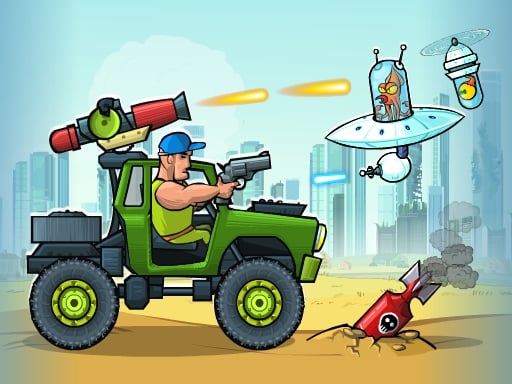
A Pet-Rescue Revenge Journey In Mad Day, you play as Bob, an ex-marine enjoying a peaceful life with his pet octopus, Fluffy. However, his quiet days are ruined when a cunning alien fleet suddenly invades and kidnaps Fluffy. Unable to sit back and watch his little friend get taken away, Bob decides to pull his dusty armored truck out of the garage, arm it to the teeth, and embark on a journey to wipe out the alien legion.Vibrant and Explosive Art Style Visually, the game features an incredibly vibrant and colorful 2D cartoon graphics style. Despite the cute artwork, the combat effects in the game are extremely epic. Rocket barrages, flashing lasers, enemies blowing up, and obstacles getting destroyed are all rendered very smoothly and vividly. Combined with a fast-paced and fun background soundtrack, Mad Day truly creates an explosive combat atmosphere, urging players to constantly push forward.
Resident Evil Requiem
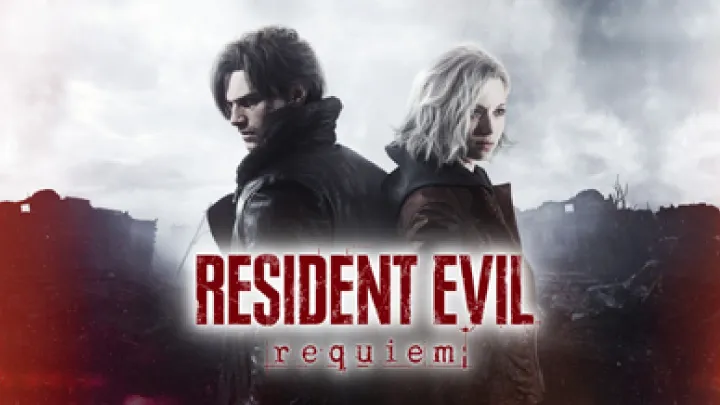
IntroductionResident Evil Requiem is the latest installment in the iconic survival horror series from Capcom. Building upon the franchise's legacy, this title combines chilling atmospheres, engaging storytelling, and intense gameplay mechanics that fans have come to love. With enhanced graphics and refined gameplay, it seeks to deliver a terrifying experience that appeals to both longtime fans and newcomers alike.Core FeaturesEngaging StorylineIntriguing Plot: The narrative continues the overarching story of the Resident Evil universe while introducing new characters and conflicts that deepen the lore.Character Development: Players encounter familiar faces and new allies, each contributing to the emotional weight of the story.Enhanced Gameplay MechanicsTactical Combat: The game features improved mechanics for combat, allowing for strategic decisions in weapon selection and resource management.Exploration: Players can explore richly detailed environments filled with puzzles, hidden items, and lore, enhancing the immersion.Horror Elements: Classic survival horror elements return, including jump scares, atmospheric tension, and resource scarcity, creating a truly frightening experience.Stunning Visuals and AudioGraphics: Utilizing advanced graphics technology, the game boasts breathtaking visuals that bring the terrifying world of Resident Evil to life.Sound Design: An immersive soundtrack and realistic sound effects heighten suspense and contribute to the game's chilling atmosphere.Multiplayer FeaturesCooperative Modes: Players can team up with friends in co-op modes to tackle challenges together, adding a social element.Competitive Elements: Challenges and leaderboard features provide competitive players with additional goals to strive for.Strengths and WeaknessesStrengthsRich Storytelling: Engaging plot and character development keep players invested in the experience.Refined Gameplay: Improved combat mechanics and exploration provide a satisfying gameplay experience.High Production Value: Stunning graphics and immersive audio contribute to the overall horror experience.Variety of Gameplay: Multiple modes, including cooperative gameplay, cater to different player preferences.Nostalgic Elements: Classic Resident Evil features that fans love are thoughtfully integrated.WeaknessesPacing Issues: Some players may find the pacing uneven, with lulls in action that can break immersion.Limited Innovation: Critics may argue that it doesn't offer enough new mechanics compared to previous titles.Difficulty Spikes: Certain sections may present steep difficulty spikes that can frustrate players.Resource Management: The scarcity of resources might feel overly punishing for some players, especially those new to the franchise.Multiplayer Balance: Cooperative modes might lack balance, leading to potential issues in gameplay experience.ConclusionResident Evil Requiem successfully brings the series into a new era while honoring its rich history. With an engaging narrative, improved gameplay mechanics, and breathtaking visuals, it promises to deliver a thrilling experience for fans of survival horror.Final ThoughtsFor players who appreciate intense horror, intricate storytelling, and cooperative gameplay, Resident Evil Requiem is a must-try. Dive into the chilling world filled with danger and suspense, and experience the latest chapter in this legendary franchise!

plinko ball lucky win cash
IntroductionPlinko Ball - Lucky Win Cash is a casual mobile game built around the classic “drop-the-ball” Plinko mechanic. The concept is simple: players drop balls from the top of a board filled with pegs, hoping they land in high-reward slots at the bottom.The game markets itself as a fun arcade experience with the added appeal of earning rewards through gameplay. However, like many “earn money” mobile games, it comes with both entertainment value and some concerns worth noting.Gameplay OverviewSimple and Addictive MechanicsPlayers drop balls that bounce randomly through pegs and land in reward slots. The randomness makes each round unpredictable and engaging.Multiple Reward SystemsThe game includes several ways to earn in-game rewards:Daily check-insGacha/spin systemsMissions and challengesJackpot ElementsSome slots promise higher rewards or “jackpots,” encouraging repeated play and giving players a sense of progression and excitement.StrengthsEasy to Play – Simple mechanics make it accessible to all players.Addictive Gameplay Loop – The randomness keeps players coming back for more.Multiple Reward Features – Daily bonuses and missions add variety.Lightweight Casual Game – Runs smoothly on most devices.Quick Sessions – Ideal for short play sessions anytime.WeaknessesExcessive Ads – Frequent ads can interrupt the gameplay experience.Questionable Reward System – Payout reliability may not always meet expectations.Repetitive Gameplay – Limited mechanics can become boring over time.High Reliance on Luck – Outcomes are mostly random with little strategy involved.Trust Concerns – Some players may feel uncertain about reward transparency.ConclusionPlinko Ball - Lucky Win Cash delivers a simple and entertaining casual experience based on a well-known game concept. While it succeeds in providing quick fun and addictive gameplay, its heavy reliance on ads and unclear reward system may limit long-term enjoyment.Final ThoughtsIf you’re looking for a light, luck-based game to pass time, this title can be enjoyable. However, if your goal is to earn real money, you should approach with caution and treat it primarily as entertainment rather than a reliable reward platform.
melon sandbox
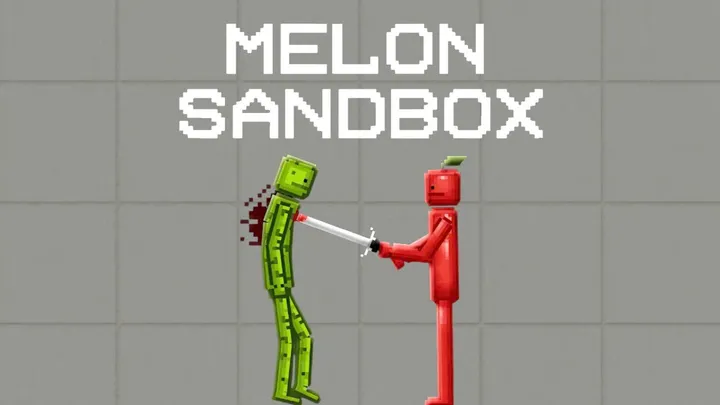
Melon Sandbox is a chaotic, physics-based sandbox game where creativity meets destruction. While it’s primarily known as a single-player playground, you can imagine it as a chaotic, physics-based multiplayer co-op game (up to 4 players) focused on emergency response, developed by ArtDock—a concept that reflects the game’s unpredictable and experimental nature. In reality, it offers a free-form environment where players build, test, and destroy without limits using ragdoll physics and a wide range of tools.Core FeaturesOverall GameplayOpen-ended sandbox with no missions, rules, or objectivesFocus on experimentation, creativity, and physics-based interactionsRagdoll characters that react realistically to damage and environmentGame FeaturesMassive arsenal of weapons, tools, explosives, and vehiclesDrag-and-drop system to create custom scenarios easilyMultiple maps (city, desert, lab, etc.) for different experimentsRealistic physics engine with dynamic reactions and chain effectsModding and customization options for extended creativityStrengthsExtremely high creative freedom with no restrictionsFun and unpredictable physics interactionsWide variety of items and tools to experiment withEasy-to-use interface suitable for casual playHigh replayability due to endless possibilitiesWeaknessesLack of structured gameplay (no story, missions, or progression)Can become repetitive after extended play sessionsContains violent/gore elements not suitable for all playersPerformance issues or lag on some devicesAds and monetization can affect user experience (reported by players)ConclusionMelon Sandbox delivers a wildly creative and chaotic playground where players are free to experiment without limits. Its physics-based interactions and diverse toolset make it highly entertaining, especially for those who enjoy sandbox-style games. However, the lack of structured objectives and occasional performance issues may reduce long-term engagement. Overall, it’s a fun, creativity-driven experience best suited for casual play and experimentation rather than goal-oriented gameplay.