Screenshot

















Slay the Spire 2 Summary
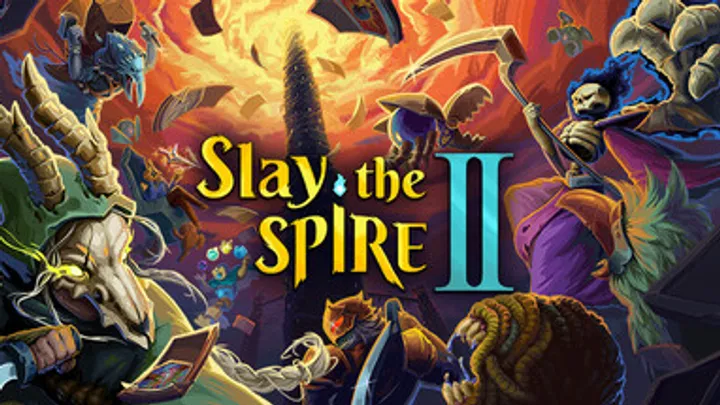
IntroductionSlay the Spire 2 builds on the core formula that made the original a modern roguelike classic: you climb floor-by-floor, draft cards that shape your build, and survive enemies with tight, turn-based strategy. The “2” suggests an evolution in mechanics, variety, and pacing—keeping the same addictive loop while pushing deeper customization and encounter diversity.Core FeaturesCard-Drafting CombatYou form your deck card-by-card, meaning every run feels personal.Runs reward planning (synergy) but still allow flexibility as you adapt to what the game offers.Roguelike Run StructureRandomized enemies and encounters ensure replayability.Decision-heavy choices (routes, relics, cards) make each climb feel meaningful.Build DiversityDifferent classes/styles (and evolving mechanics) encourage radically different strategies.Small build changes can completely alter how you win fights (damage burst, control, defense, scaling, etc.).Progression & MasteryEven after losing, you gain knowledge: better drafting priorities, better route planning, and better understanding of enemy patterns.The game’s challenge remains fair but demanding—mistakes are punished, but learning is always rewarding.StrengthsExtremely replayable thanks to deck RNG + route RNG + encounter variety.Strategy that feels deep—you’re not just “rolling dice,” you’re making real choices.Deckbuilding satisfaction: finding synergies is one of the most addictive parts of the genre.Tactical combat tempo: fights are tense, with clear windows for optimization.Learning curve that pays off: the more you understand enemy behaviors and card value, the more consistent you become.WeaknessesLearning curve can be rough for newcomers (drafting decisions are non-trivial).Runs can feel swingy if early card/relic options don’t align with your intended strategy.Some players may prefer fewer RNG layers, since card availability and encounters can heavily influence outcomes.Time-consuming for completionists: mastering difficulty tiers can take many attempts.ConclusionSlay the Spire 2 is a must-play for anyone who loves roguelikes and strategic deckbuilding. It’s the kind of game where every run teaches you something, and where “one more run” quickly becomes a problem. If you enjoy turn-based tactical combat, drafting, and building powerful synergies, this is exactly your lane.Final ThoughtsIf you want a game that combines deck creativity + high-stakes decisions + long-term mastery, Slay the Spire 2 is a strong choice. Just be ready for challenge, RNG-driven momentum shifts, and a very addictive loop.
Rating
Introduction
Slay the Spire 2 builds on the core formula that made the original a modern roguelike classic: you climb floor-by-floor, draft cards that shape your build, and survive enemies with tight, turn-based strategy. The “2” suggests an evolution in mechanics, variety, and pacing—keeping the same addictive loop while pushing deeper customization and encounter diversity.
Core Features
Card-Drafting Combat
- You form your deck card-by-card, meaning every run feels personal.
- Runs reward planning (synergy) but still allow flexibility as you adapt to what the game offers.
Roguelike Run Structure
- Randomized enemies and encounters ensure replayability.
- Decision-heavy choices (routes, relics, cards) make each climb feel meaningful.
Build Diversity
- Different classes/styles (and evolving mechanics) encourage radically different strategies.
- Small build changes can completely alter how you win fights (damage burst, control, defense, scaling, etc.).
Progression & Mastery
- Even after losing, you gain knowledge: better drafting priorities, better route planning, and better understanding of enemy patterns.
- The game’s challenge remains fair but demanding—mistakes are punished, but learning is always rewarding.
Strengths
- Extremely replayable thanks to deck RNG + route RNG + encounter variety.
- Strategy that feels deep—you’re not just “rolling dice,” you’re making real choices.
- Deckbuilding satisfaction: finding synergies is one of the most addictive parts of the genre.
- Tactical combat tempo: fights are tense, with clear windows for optimization.
- Learning curve that pays off: the more you understand enemy behaviors and card value, the more consistent you become.
Weaknesses
- Learning curve can be rough for newcomers (drafting decisions are non-trivial).
- Runs can feel swingy if early card/relic options don’t align with your intended strategy.
- Some players may prefer fewer RNG layers, since card availability and encounters can heavily influence outcomes.
- Time-consuming for completionists: mastering difficulty tiers can take many attempts.
Conclusion
Slay the Spire 2 is a must-play for anyone who loves roguelikes and strategic deckbuilding. It’s the kind of game where every run teaches you something, and where “one more run” quickly becomes a problem. If you enjoy turn-based tactical combat, drafting, and building powerful synergies, this is exactly your lane.
Final Thoughts
If you want a game that combines deck creativity + high-stakes decisions + long-term mastery, Slay the Spire 2 is a strong choice. Just be ready for challenge, RNG-driven momentum shifts, and a very addictive loop.
Get Game Links
All trademarks belong to their respective owners.
Latest Reviews
Gorilla Tag
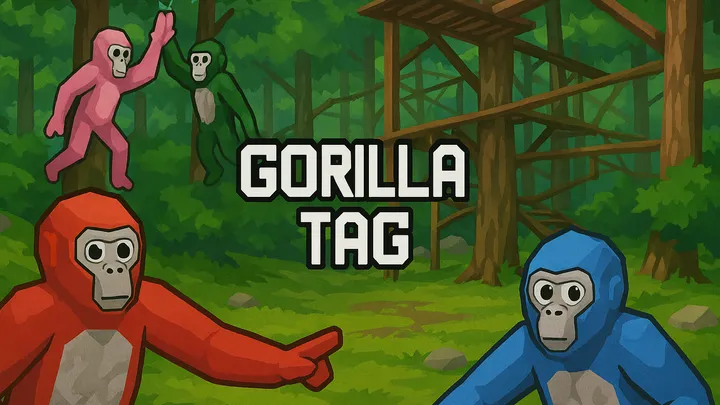
When Gorilla Tag was first released by developer Another Axiom in early access back in early 2021, few could have predicted the meteoric rise it would enjoy. The concept was almost childishly simple: you play as a gorilla in VR, using only your arms to move, jump, and climb, and the core game mode is… tag. That’s it. No complicated weapon systems. No sprawling maps with scripted events. No ultra-realistic graphics or heavy lore drops. Instead, it’s an unapologetically low-poly, physics-driven playground where movement is the mechanic.And yet, this stripped-down design has transformed Gorilla Tag from an experimental indie project into one of the most popular VR multiplayer games of all time. It’s a case study in how constraints can inspire innovation — and how social interaction, player creativity, and unconventional mechanics can create a phenomenon that defies traditional AAA wisdom.In this review, I’ll dissect Gorilla Tag from the perspective of a games analyst, covering its movement system, game design philosophy, social dynamics, competitive meta, community growth, technical execution, monetization strategy, and the future potential of the title. I’ll also touch on its cultural footprint and what it means for the VR industry as a whole.

Bloody Finger Jump
Is your finger faster then the others? Will your finger crush other enemies? Take up the challenge, compete and check how fast your fingers are. You can be sure that there will be blood...
Grand Theft Auto V
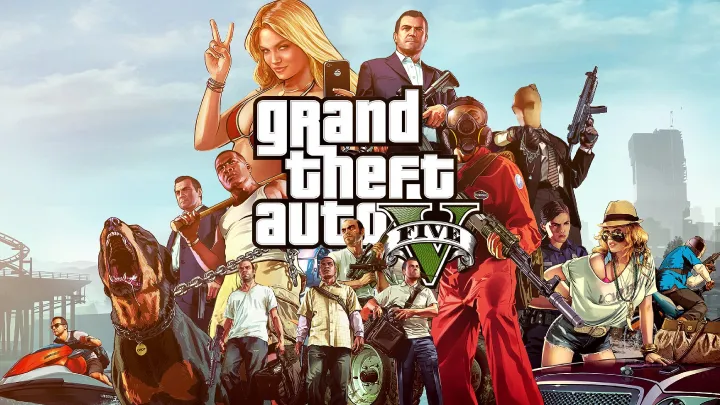
Grand Theft Auto V isn't simply a game; it is an economic, social, and cultural document of the 21st century. Taking the familiar chaotic sandbox of its predecessors, it expands it into a living, breathing world of San Andreas—teeming with meticulous detail and a biting, satirical wit. Whether you are pulled into its high-stakes criminal economy or its deep social simulation, GTA V delivers a profound and unforgettable masterclass in open-world design.

EA SPORTS FC™ 26
EA SPORTS FC™ 26 marks the third installment in the EA Sports FC era and is poised for release in September 2025. Developed by EA Vancouver and EA Romania, the game continues to showcase realism, player expression, and fidelity that fans expect—now with deeper gameplay variety and tactical richness. Covering multiple platforms—from next-gen consoles to PCs and even the new Nintendo Switch 2—FC 26 seeks to refine core mechanics while layering in strategic and narrative depth.
My Voice Zoo
MyVoiceZoo is a voice-focused platform/app designed to help users work with audio and voice-related tasks in a convenient, easy-to-use way. Instead of making everything complicated, MyVoiceZoo typically follows a simple workflow where users can get results faster, adjust key options, and reuse the tool for different voice needs. If you’re searching for a voice tool that feels practical and customization-friendly, MyVoiceZoo is worth considering.