Screenshot















Sonic Racing: CrossWorlds Summary
IntroductionFew franchises in gaming have carried the same iconic weight as Sonic the Hedgehog. For decades, Sonic has been a cultural mascot representing speed, energy, and arcade-style excitement. In recent years, Sega has experimented with racing spinoffs—some successful, some less so. Sonic Racing: CrossWorlds is the newest and most ambitious attempt to fuse high-speed kart racing with narrative depth, combining the best aspects of Sonic’s fast-paced action with a new competitive racing universe.Unlike Team Sonic Racing, which leaned heavily on cooperative team mechanics, CrossWorlds takes inspiration from both kart racers and story-driven titles. Sega promises not just thrilling arcade races but also a narrative campaign, world-building elements, and crossover content. By introducing new characters alongside the classic Sonic cast, this entry attempts to expand the Sonic racing formula into a broader experience. The question is: does it succeed in standing out in an increasingly competitive racing genre, or does it fall into the trap of being another gimmick?Narrative & CharactersFor the first time in Sonic’s racing history, CrossWorlds introduces a narrative arc designed to tie together its competitive gameplay. Players step into a storyline where Sonic and friends are pulled into a mysterious interdimensional racing tournament. The “CrossWorlds” serve as both a battleground and a narrative device, blending universes into one massive championship.Protagonists: The game features the core Sonic cast—Sonic, Tails, Knuckles, Amy, and Shadow—as well as lesser-used characters like Blaze, Silver, and Vector. Additionally, Sega has introduced new original racers created specifically for this game. These fresh faces not only broaden the roster but also serve as narrative anchors to explore the mysteries of the CrossWorlds.Themes: The story revolves around unity, rivalry, and the ethics of competition. While lighthearted in tone, it attempts to weave meaningful dynamics between characters, such as Sonic’s rivalry with Shadow or Tails’ growth into a more confident leader.Campaign Structure: The single-player campaign is divided into racing “chapters,” each unlocking cutscenes and rival challenges. Instead of being just filler between races, these segments aim to push the story forward while giving context to the competition.Although the narrative is not groundbreaking, it is a step forward for Sonic racing games, which traditionally have lacked cohesive storytelling.World & AtmosphereWhere most kart racers rely on nostalgia-heavy tracks, CrossWorlds leans into a more ambitious vision: interconnected worlds that combine Sonic’s classic zones with new interdimensional landscapes.Environments: Players race through reimagined locations like Green Hill Zone, Chemical Plant, and Casino Night, but each has been “distorted” by the CrossWorlds concept. This results in hybrid tracks—imagine racing through a loop-de-loop that transitions into a neon-lit city from another dimension.Atmosphere: The game balances Sonic’s bright, energetic art style with experimental visuals. The result is a universe that feels both familiar and strange, drawing on fan nostalgia while offering fresh sights.Dynamic Track Design: Tracks shift mid-race, altering shortcuts or hazards. For example, a course may begin as a sunny seaside sprint before collapsing into a flooded alternate dimension. This unpredictability makes races feel alive and keeps players engaged.The atmosphere is vibrant, colorful, and chaotic in the best way—a perfect fit for Sonic’s identity as a franchise.Gameplay SystemsAt its heart, Sonic Racing: CrossWorlds is still an arcade racing game—but Sega has layered on new mechanics to separate it from both Mario Kart and its own predecessors.Core Racing Mechanics: True to Sonic’s identity, the game emphasizes speed above all else. Drifting, boosting, and loop-de-loop sections are designed to maintain momentum. Controls are tighter than in Team Sonic Racing, giving the game a smoother competitive feel.Abilities & Items: Instead of generic kart weapons, the game introduces ability-based power-ups tied to characters. Sonic gains temporary super-speed boosts, Knuckles delivers seismic ground slams, while Tails deploys gadgets. This makes item usage feel more character-driven and strategic.CrossWorlds Mode: A new feature where dimensional anomalies appear during races, altering physics or track structure. Gravity flips, time distortions, or warp zones can change the flow of competition in unpredictable ways.Customization: Players can modify their vehicles’ handling, acceleration, and visuals. This not only adds depth but also personalization, encouraging experimentation.Perhaps the boldest addition is the Campaign-Race Hybrid Mode, where races are tied to narrative objectives. Instead of simply finishing first, some challenges involve defending a teammate, collecting dimension fragments, or surviving track hazards for extended periods.Technical AmbitionSega has clearly pushed the technical envelope with CrossWorlds, especially compared to earlier Sonic racing titles.Graphics: While not photorealistic, the visual design is polished and full of detail. Character models are expressive, and track design features multiple layers of animation—from cheering crowds to collapsing platforms.Performance: The game runs at a stable frame rate on most modern consoles, though the more dynamic tracks occasionally cause dips in busy sections.Sound Design: High-energy music is a mix of remixed Sonic classics and new tracks, contributing to the adrenaline-fueled atmosphere. Voice acting returns, with the cast delivering light but charming performances.Online Play: Cross-platform multiplayer is supported, allowing players to race with friends regardless of system. The netcode is relatively stable, though large lobbies sometimes suffer from latency.Technically, CrossWorlds may not rival AAA racing sims like Forza Motorsport, but as an arcade racer, it excels in presenting fluid gameplay and high-energy spectacle.StrengthsExpanded Narrative Campaign: For the first time, Sonic racing has a proper story mode, giving context and depth.Creative Track Design: Interdimensional mechanics keep races dynamic and fresh.Character-Driven Abilities: Power-ups tied to each racer add strategy and personality.Cross-Platform Multiplayer: Accessible to a wide player base without platform barriers.Vibrant Presentation: A colorful, chaotic style that perfectly fits Sonic’s identity.WeaknessesInconsistent Balancing: Some character abilities feel overpowered compared to others.Learning Curve: Dynamic track shifts can overwhelm new players.Performance Drops: Busy races with multiple visual effects sometimes cause stutters.Narrative Depth: While a step forward, the story still feels shallow compared to fully narrative-driven games.Repetitive Objectives: Campaign challenges risk feeling like reskinned versions of standard races.Community Reception & AnticipationSince its reveal, Sonic Racing: CrossWorlds has been met with curiosity and excitement. Fans appreciate Sega’s attempt to blend Sonic’s charm with deeper mechanics and storytelling. Many praise the boldness of the CrossWorlds concept and its potential for endless creative tracks.However, there is also skepticism. Some fans worry that Sega’s ambition may overcomplicate what should be a straightforward arcade racer. Others express concern about balancing issues in multiplayer, fearing certain abilities could dominate the meta.Still, the overall reception has been positive. Many see it as Sega’s best chance to finally create a Sonic racer that can stand alongside genre leaders like Mario Kart 8 Deluxe.Final VerdictSonic Racing: CrossWorlds is Sega’s most ambitious racing project yet, blending Sonic’s speed with creative mechanics and a surprisingly narrative-driven campaign. While it doesn’t reinvent the racing genre entirely, it does enough to set itself apart from both Team Sonic Racing and its competitors. With vibrant presentation, dynamic track design, and character-driven systems, it offers a fun, chaotic, and stylish experience.For fans of Sonic or casual arcade racing, it’s a strong entry worth diving into. For those seeking a polished, balanced competitive racer, there are still kinks to be ironed out.
Rating
Introduction
Few franchises in gaming have carried the same iconic weight as Sonic the Hedgehog. For decades, Sonic has been a cultural mascot representing speed, energy, and arcade-style excitement. In recent years, Sega has experimented with racing spinoffs—some successful, some less so. Sonic Racing: CrossWorlds is the newest and most ambitious attempt to fuse high-speed kart racing with narrative depth, combining the best aspects of Sonic’s fast-paced action with a new competitive racing universe.
Unlike Team Sonic Racing, which leaned heavily on cooperative team mechanics, CrossWorlds takes inspiration from both kart racers and story-driven titles. Sega promises not just thrilling arcade races but also a narrative campaign, world-building elements, and crossover content. By introducing new characters alongside the classic Sonic cast, this entry attempts to expand the Sonic racing formula into a broader experience. The question is: does it succeed in standing out in an increasingly competitive racing genre, or does it fall into the trap of being another gimmick?
Narrative & Characters
For the first time in Sonic’s racing history, CrossWorlds introduces a narrative arc designed to tie together its competitive gameplay. Players step into a storyline where Sonic and friends are pulled into a mysterious interdimensional racing tournament. The “CrossWorlds” serve as both a battleground and a narrative device, blending universes into one massive championship.
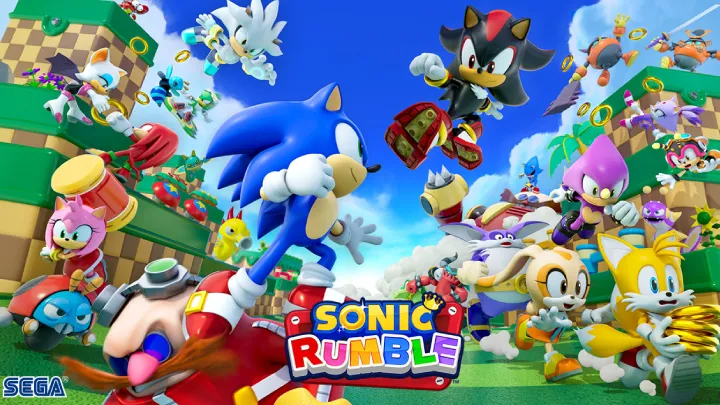
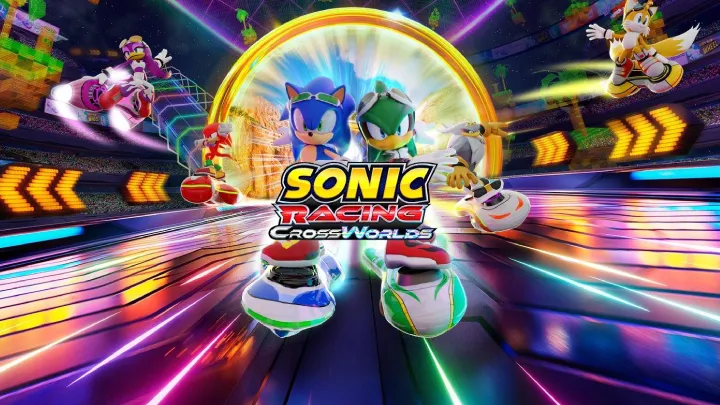
- Protagonists: The game features the core Sonic cast—Sonic, Tails, Knuckles, Amy, and Shadow—as well as lesser-used characters like Blaze, Silver, and Vector. Additionally, Sega has introduced new original racers created specifically for this game. These fresh faces not only broaden the roster but also serve as narrative anchors to explore the mysteries of the CrossWorlds.
- Themes: The story revolves around unity, rivalry, and the ethics of competition. While lighthearted in tone, it attempts to weave meaningful dynamics between characters, such as Sonic’s rivalry with Shadow or Tails’ growth into a more confident leader.
- Campaign Structure: The single-player campaign is divided into racing “chapters,” each unlocking cutscenes and rival challenges. Instead of being just filler between races, these segments aim to push the story forward while giving context to the competition.
Although the narrative is not groundbreaking, it is a step forward for Sonic racing games, which traditionally have lacked cohesive storytelling.
World & Atmosphere
Where most kart racers rely on nostalgia-heavy tracks, CrossWorlds leans into a more ambitious vision: interconnected worlds that combine Sonic’s classic zones with new interdimensional landscapes.
- Environments: Players race through reimagined locations like Green Hill Zone, Chemical Plant, and Casino Night, but each has been “distorted” by the CrossWorlds concept. This results in hybrid tracks—imagine racing through a loop-de-loop that transitions into a neon-lit city from another dimension.
- Atmosphere: The game balances Sonic’s bright, energetic art style with experimental visuals. The result is a universe that feels both familiar and strange, drawing on fan nostalgia while offering fresh sights.
- Dynamic Track Design: Tracks shift mid-race, altering shortcuts or hazards. For example, a course may begin as a sunny seaside sprint before collapsing into a flooded alternate dimension. This unpredictability makes races feel alive and keeps players engaged.
The atmosphere is vibrant, colorful, and chaotic in the best way—a perfect fit for Sonic’s identity as a franchise.
Gameplay Systems
At its heart, Sonic Racing: CrossWorlds is still an arcade racing game—but Sega has layered on new mechanics to separate it from both Mario Kart and its own predecessors.
- Core Racing Mechanics: True to Sonic’s identity, the game emphasizes speed above all else. Drifting, boosting, and loop-de-loop sections are designed to maintain momentum. Controls are tighter than in Team Sonic Racing, giving the game a smoother competitive feel.
- Abilities & Items: Instead of generic kart weapons, the game introduces ability-based power-ups tied to characters. Sonic gains temporary super-speed boosts, Knuckles delivers seismic ground slams, while Tails deploys gadgets. This makes item usage feel more character-driven and strategic.
- CrossWorlds Mode: A new feature where dimensional anomalies appear during races, altering physics or track structure. Gravity flips, time distortions, or warp zones can change the flow of competition in unpredictable ways.
- Customization: Players can modify their vehicles’ handling, acceleration, and visuals. This not only adds depth but also personalization, encouraging experimentation.
Perhaps the boldest addition is the Campaign-Race Hybrid Mode, where races are tied to narrative objectives. Instead of simply finishing first, some challenges involve defending a teammate, collecting dimension fragments, or surviving track hazards for extended periods.
Technical Ambition
Sega has clearly pushed the technical envelope with CrossWorlds, especially compared to earlier Sonic racing titles.
- Graphics: While not photorealistic, the visual design is polished and full of detail. Character models are expressive, and track design features multiple layers of animation—from cheering crowds to collapsing platforms.
- Performance: The game runs at a stable frame rate on most modern consoles, though the more dynamic tracks occasionally cause dips in busy sections.
- Sound Design: High-energy music is a mix of remixed Sonic classics and new tracks, contributing to the adrenaline-fueled atmosphere. Voice acting returns, with the cast delivering light but charming performances.
- Online Play: Cross-platform multiplayer is supported, allowing players to race with friends regardless of system. The netcode is relatively stable, though large lobbies sometimes suffer from latency.
Technically, CrossWorlds may not rival AAA racing sims like Forza Motorsport, but as an arcade racer, it excels in presenting fluid gameplay and high-energy spectacle.
Strengths
- Expanded Narrative Campaign: For the first time, Sonic racing has a proper story mode, giving context and depth.
- Creative Track Design: Interdimensional mechanics keep races dynamic and fresh.
- Character-Driven Abilities: Power-ups tied to each racer add strategy and personality.
- Cross-Platform Multiplayer: Accessible to a wide player base without platform barriers.
- Vibrant Presentation: A colorful, chaotic style that perfectly fits Sonic’s identity.
Weaknesses
- Inconsistent Balancing: Some character abilities feel overpowered compared to others.
- Learning Curve: Dynamic track shifts can overwhelm new players.
- Performance Drops: Busy races with multiple visual effects sometimes cause stutters.
- Narrative Depth: While a step forward, the story still feels shallow compared to fully narrative-driven games.
- Repetitive Objectives: Campaign challenges risk feeling like reskinned versions of standard races.
Community Reception & Anticipation
Since its reveal, Sonic Racing: CrossWorlds has been met with curiosity and excitement. Fans appreciate Sega’s attempt to blend Sonic’s charm with deeper mechanics and storytelling. Many praise the boldness of the CrossWorlds concept and its potential for endless creative tracks.
However, there is also skepticism. Some fans worry that Sega’s ambition may overcomplicate what should be a straightforward arcade racer. Others express concern about balancing issues in multiplayer, fearing certain abilities could dominate the meta.
Still, the overall reception has been positive. Many see it as Sega’s best chance to finally create a Sonic racer that can stand alongside genre leaders like Mario Kart 8 Deluxe.
Final Verdict
Sonic Racing: CrossWorlds is Sega’s most ambitious racing project yet, blending Sonic’s speed with creative mechanics and a surprisingly narrative-driven campaign. While it doesn’t reinvent the racing genre entirely, it does enough to set itself apart from both Team Sonic Racing and its competitors. With vibrant presentation, dynamic track design, and character-driven systems, it offers a fun, chaotic, and stylish experience.
For fans of Sonic or casual arcade racing, it’s a strong entry worth diving into. For those seeking a polished, balanced competitive racer, there are still kinks to be ironed out.
Get Game Links
All trademarks belong to their respective owners.
Latest Reviews
Gorilla Tag
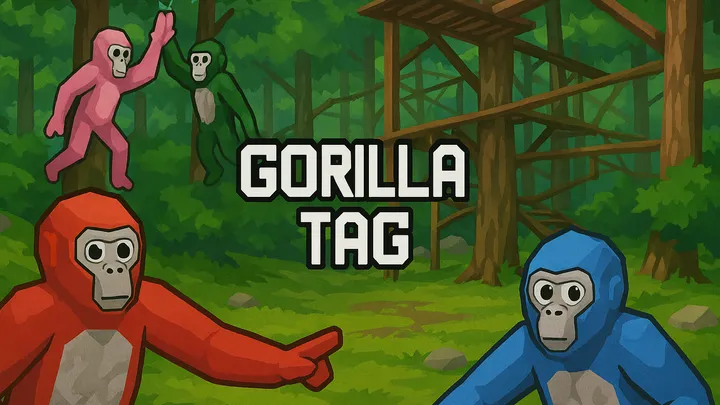
When Gorilla Tag was first released by developer Another Axiom in early access back in early 2021, few could have predicted the meteoric rise it would enjoy. The concept was almost childishly simple: you play as a gorilla in VR, using only your arms to move, jump, and climb, and the core game mode is… tag. That’s it. No complicated weapon systems. No sprawling maps with scripted events. No ultra-realistic graphics or heavy lore drops. Instead, it’s an unapologetically low-poly, physics-driven playground where movement is the mechanic.And yet, this stripped-down design has transformed Gorilla Tag from an experimental indie project into one of the most popular VR multiplayer games of all time. It’s a case study in how constraints can inspire innovation — and how social interaction, player creativity, and unconventional mechanics can create a phenomenon that defies traditional AAA wisdom.In this review, I’ll dissect Gorilla Tag from the perspective of a games analyst, covering its movement system, game design philosophy, social dynamics, competitive meta, community growth, technical execution, monetization strategy, and the future potential of the title. I’ll also touch on its cultural footprint and what it means for the VR industry as a whole.

Bloody Finger Jump
Is your finger faster then the others? Will your finger crush other enemies? Take up the challenge, compete and check how fast your fingers are. You can be sure that there will be blood...
Grand Theft Auto V
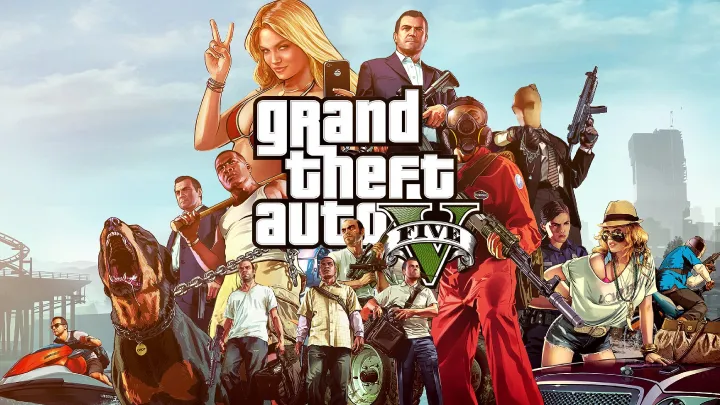
Grand Theft Auto V isn't simply a game; it is an economic, social, and cultural document of the 21st century. Taking the familiar chaotic sandbox of its predecessors, it expands it into a living, breathing world of San Andreas—teeming with meticulous detail and a biting, satirical wit. Whether you are pulled into its high-stakes criminal economy or its deep social simulation, GTA V delivers a profound and unforgettable masterclass in open-world design.
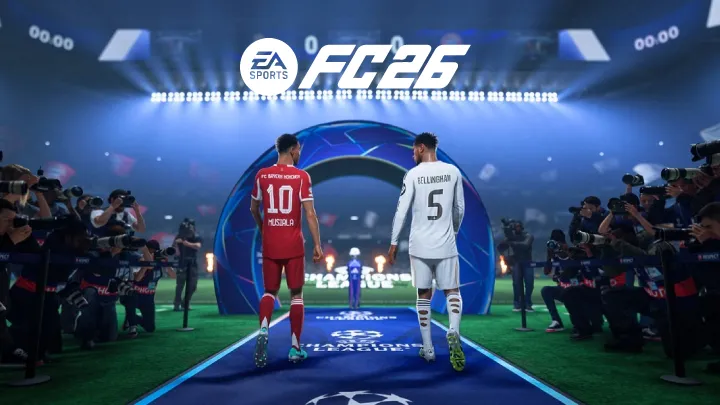
EA SPORTS FC™ 26
EA SPORTS FC™ 26 marks the third installment in the EA Sports FC era and is poised for release in September 2025. Developed by EA Vancouver and EA Romania, the game continues to showcase realism, player expression, and fidelity that fans expect—now with deeper gameplay variety and tactical richness. Covering multiple platforms—from next-gen consoles to PCs and even the new Nintendo Switch 2—FC 26 seeks to refine core mechanics while layering in strategic and narrative depth.
My Voice Zoo
MyVoiceZoo is a voice-focused platform/app designed to help users work with audio and voice-related tasks in a convenient, easy-to-use way. Instead of making everything complicated, MyVoiceZoo typically follows a simple workflow where users can get results faster, adjust key options, and reuse the tool for different voice needs. If you’re searching for a voice tool that feels practical and customization-friendly, MyVoiceZoo is worth considering.