Screenshot





















Summary
Introduction: A Sonic Boom in the Mobile MarketThe announcement of Sonic Rumble marks a pivotal moment in gaming history—the first major collaborative effort between Sega and Rovio Entertainment since the latter was acquired for $776 million. While the "Party Royale" genre has been dominated by titles like Fall Guys and Stumble Guys, Sonic Rumble enters the fray with something those titles lack: a legacy of high-speed momentum and a roster of world-famous icons.Set to launch globally on iOS, Android, and PC, Sonic Rumble isn't just a simple spin-off. It is a sophisticated, 32-player competitive experience that seeks to blend the chaotic fun of party games with the precision platforming that has defined the Sonic franchise for over three decades. By leveraging Rovio's expertise in mobile live-ops and Sega’s creative mastery, this title aims to become the definitive multiplayer experience for the "Blue Blur" community.Narrative Design: Dr. Eggman’s Miniature MayhemIn a refreshing departure from the darker, more serious storylines found in titles like Sonic Frontiers, Sonic Rumble embraces a playful, meta-narrative. The premise is brilliantly simple: the villainous Dr. Eggman has constructed an elaborate, digital "Toy Box" world. Within this realm, the characters we know and love are actually sentient toy replicas—Toy Figures—pitted against one another in a series of gauntlets designed for Eggman’s amusement.This "Toy-Core" aesthetic allows the developers to break the rules of traditional Sonic physics and geography. Since the characters are toys, the stakes are about "Rumble Crowns" and bragging rights rather than world destruction. This narrative choice also fuels the game's cosmetic-heavy progression system, as players are essentially collectors building the ultimate digital display case of Sonic figurines.Core Gameplay: The Holy Trinity of Speed, Strategy, and SurvivalThe gameplay of Sonic Rumble is structured into three distinct phases that test different facets of a player's skill. Unlike its competitors, which often feel floaty or sluggish, Sonic Rumble retains the "momentum-based" movement that fans expect.The Match StructurePhase 1: The High-Speed Qualifiers: A 32-player sprint through obstacle-laden courses. Here, the goal is simple: don't be in the bottom half.Phase 2: Tactical Survival: The remaining 16 players engage in objective-based rounds. This could involve staying within a shrinking "Safe Zone" or avoiding giant mechanical mallets.Phase 3: The Final Rumble: The top 8 players face off in a high-intensity arena. Victory is determined by either being the last toy standing or reaching a final goal under extreme pressure.On-Field Mechanics: Mastering the Homing Attack and DashWhat separates a "Pro Rumbler" from a casual player is the mastery of On-Field Mechanics. Sega has implemented a refined version of the Homing Attack, allowing players to chain jumps off enemies and environmental objects to skip entire sections of a track.Essential Power-Up CatalogSpeed Sneakers: Provides a massive velocity boost, allowing players to clear gaps that would otherwise require platforming.Lightning Shield: A fan-favorite mechanic that creates a magnetic field, automatically pulling in nearby Rings.Invincibility Star: Renders the player immune to hazards and player-induced knockbacks for a limited window.Fire Shield: Allows for a "Fire Dash" that destroys obstacles in the player's path without losing momentum.Character Customization: The Art of the Toy FigureThe collaboration with Rovio is most evident in the game’s Character Customization and monetization strategy. Since every character is a toy, players can modify their figures with various "finishes"—such as matte plastic, metallic chrome, or even a translucent "glitch" effect.Character Tier Breakdown:RarityRepresentative CharactersUnique AttributesLegendarySuper Sonic, ShadowUnique trail effects and victory animations.EpicSilver the Hedgehog, BlazeCustom particle effects during Homing Attacks.RareKnuckles, Rogue the BatAlternative "Classic" or "Modern" skins.CommonChao, Moto BugStandard skins with basic color swaps.Environmental Design: Reimagining Iconic ZonesSonic Rumble features maps that are love letters to the franchise's history. These aren't just 1:1 recreations; they are "Toy-ified" versions of classic locales, often featuring oversized everyday objects like thimbles, pencils, and toy blocks integrated into the architecture.Featured Map Types:Green Hill Toy Zone: Features the iconic loops but adds "wind-up" obstacles and plastic springs.Casino Night Funhouse: A vertical-heavy map filled with bumpers and flippers that can either help or hinder your progress.Scrap Brain Factory: A hazardous industrial zone where players must time their jumps across moving conveyor belts and avoid crushing pistons.Technical Execution: Seamless Performance and Cross-PlayFrom a technical standpoint, Sonic Rumble is a marvel of optimization. Developing a game that handles 32 players moving at supersonic speeds on a mobile processor is no small feat. Thanks to Rovio's proprietary server technology, the game features minimal latency, which is crucial for a game where a millisecond of lag can result in a missed jump.Platform Availability and OptimizationThe game is built on a custom engine that scales beautifully from older iPhones to high-end gaming PCs. On PC, players can enjoy 4K resolution and uncapped frame rates, while the mobile version is locked to a stable 60 FPS to ensure competitive fairness. Cross-progression is also a key feature, allowing you to grind your Battle Pass on the train via your phone and finish the session at home on your PC.Progression and Monetization: The "Rumble Pass" SystemAs a free-to-play title, Sonic Rumble relies on a seasonal Rumble Pass. Sega has been careful to avoid "Pay-to-Win" mechanics. While you can purchase "Ability Tokens" to slightly tweak a character's stats (such as acceleration or grip), these can also be earned through consistent play.Seasonal Content StrategySega and Rovio have committed to an 8-week seasonal cycle. Each season introduces:New Toy Sets: Collections of skins based on specific themes (e.g., "Sonic Adventure Retro" or "Holiday 2026").Limited Time Modes (LTMs): Modes like "Team Ring Grab" or "Boss Rush" where all 32 players cooperate to take down a giant Eggman robot.Ranked Ladders: A dedicated competitive track for those seeking to reach the "Ultimate Rumbler" tier.Comprehensive Analysis: Pros, Cons, and RatingAfter extensive testing during the Pre-Launch phases, it is clear that Sonic Rumble is a formidable entry into the multiplayer space, though it isn't without its growing pains.Conclusion: The Future of the Sonic FranchiseSonic Rumble represents more than just a new game; it represents a new strategy for Sega. By combining the star power of Sonic with the mobile expertise of Rovio, they have created a "Party Royale" that actually feels unique. It respects the player's time, offers deep customization, and most importantly, it feels like a Sonic game.Whether you are a casual fan looking for a quick 5-minute distraction or a hardcore competitor aiming for the top of the leaderboards, Sonic Rumble offers a polished, high-octane experience that is hard to put down. It is a triumphant start to the Sega-Rovio partnership.
Rating
Introduction: A Sonic Boom in the Mobile Market
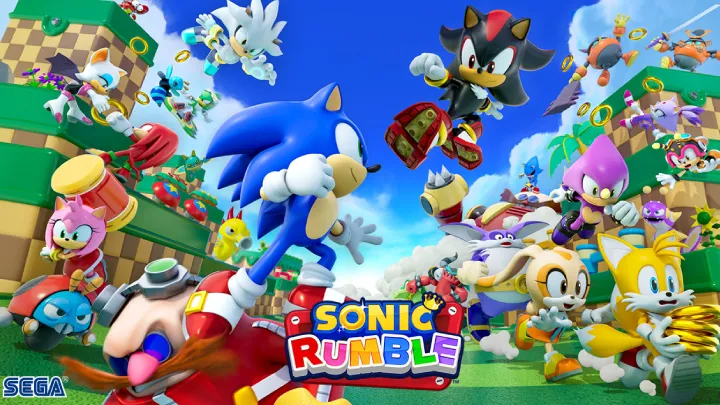
The announcement of Sonic Rumble marks a pivotal moment in gaming history—the first major collaborative effort between Sega and Rovio Entertainment since the latter was acquired for $776 million. While the "Party Royale" genre has been dominated by titles like Fall Guys and Stumble Guys, Sonic Rumble enters the fray with something those titles lack: a legacy of high-speed momentum and a roster of world-famous icons.
Set to launch globally on iOS, Android, and PC, Sonic Rumble isn't just a simple spin-off. It is a sophisticated, 32-player competitive experience that seeks to blend the chaotic fun of party games with the precision platforming that has defined the Sonic franchise for over three decades. By leveraging Rovio's expertise in mobile live-ops and Sega’s creative mastery, this title aims to become the definitive multiplayer experience for the "Blue Blur" community.
Narrative Design: Dr. Eggman’s Miniature Mayhem
In a refreshing departure from the darker, more serious storylines found in titles like Sonic Frontiers, Sonic Rumble embraces a playful, meta-narrative. The premise is brilliantly simple: the villainous Dr. Eggman has constructed an elaborate, digital "Toy Box" world. Within this realm, the characters we know and love are actually sentient toy replicas—Toy Figures—pitted against one another in a series of gauntlets designed for Eggman’s amusement.
This "Toy-Core" aesthetic allows the developers to break the rules of traditional Sonic physics and geography. Since the characters are toys, the stakes are about "Rumble Crowns" and bragging rights rather than world destruction. This narrative choice also fuels the game's cosmetic-heavy progression system, as players are essentially collectors building the ultimate digital display case of Sonic figurines.
Core Gameplay: The Holy Trinity of Speed, Strategy, and Survival
The gameplay of Sonic Rumble is structured into three distinct phases that test different facets of a player's skill. Unlike its competitors, which often feel floaty or sluggish, Sonic Rumble retains the "momentum-based" movement that fans expect.
The Match Structure
- Phase 1: The High-Speed Qualifiers: A 32-player sprint through obstacle-laden courses. Here, the goal is simple: don't be in the bottom half.
- Phase 2: Tactical Survival: The remaining 16 players engage in objective-based rounds. This could involve staying within a shrinking "Safe Zone" or avoiding giant mechanical mallets.
- Phase 3: The Final Rumble: The top 8 players face off in a high-intensity arena. Victory is determined by either being the last toy standing or reaching a final goal under extreme pressure.
On-Field Mechanics: Mastering the Homing Attack and Dash
What separates a "Pro Rumbler" from a casual player is the mastery of On-Field Mechanics. Sega has implemented a refined version of the Homing Attack, allowing players to chain jumps off enemies and environmental objects to skip entire sections of a track.
Essential Power-Up Catalog
- Speed Sneakers: Provides a massive velocity boost, allowing players to clear gaps that would otherwise require platforming.
- Lightning Shield: A fan-favorite mechanic that creates a magnetic field, automatically pulling in nearby Rings.
- Invincibility Star: Renders the player immune to hazards and player-induced knockbacks for a limited window.
- Fire Shield: Allows for a "Fire Dash" that destroys obstacles in the player's path without losing momentum.
Character Customization: The Art of the Toy Figure
The collaboration with Rovio is most evident in the game’s Character Customization and monetization strategy. Since every character is a toy, players can modify their figures with various "finishes"—such as matte plastic, metallic chrome, or even a translucent "glitch" effect.
Character Tier Breakdown:
Rarity
Representative Characters
Unique Attributes
Legendary
Super Sonic, Shadow
Unique trail effects and victory animations.
Epic
Silver the Hedgehog, Blaze
Custom particle effects during Homing Attacks.
Rare
Knuckles, Rogue the Bat
Alternative "Classic" or "Modern" skins.
Common
Chao, Moto Bug
Standard skins with basic color swaps.
Environmental Design: Reimagining Iconic Zones
Sonic Rumble features maps that are love letters to the franchise's history. These aren't just 1:1 recreations; they are "Toy-ified" versions of classic locales, often featuring oversized everyday objects like thimbles, pencils, and toy blocks integrated into the architecture.
Featured Map Types:
- Green Hill Toy Zone: Features the iconic loops but adds "wind-up" obstacles and plastic springs.
- Casino Night Funhouse: A vertical-heavy map filled with bumpers and flippers that can either help or hinder your progress.
- Scrap Brain Factory: A hazardous industrial zone where players must time their jumps across moving conveyor belts and avoid crushing pistons.
Technical Execution: Seamless Performance and Cross-Play
From a technical standpoint, Sonic Rumble is a marvel of optimization. Developing a game that handles 32 players moving at supersonic speeds on a mobile processor is no small feat. Thanks to Rovio's proprietary server technology, the game features minimal latency, which is crucial for a game where a millisecond of lag can result in a missed jump.
Platform Availability and Optimization
The game is built on a custom engine that scales beautifully from older iPhones to high-end gaming PCs. On PC, players can enjoy 4K resolution and uncapped frame rates, while the mobile version is locked to a stable 60 FPS to ensure competitive fairness. Cross-progression is also a key feature, allowing you to grind your Battle Pass on the train via your phone and finish the session at home on your PC.
Progression and Monetization: The "Rumble Pass" System
As a free-to-play title, Sonic Rumble relies on a seasonal Rumble Pass. Sega has been careful to avoid "Pay-to-Win" mechanics. While you can purchase "Ability Tokens" to slightly tweak a character's stats (such as acceleration or grip), these can also be earned through consistent play.
Seasonal Content Strategy
Sega and Rovio have committed to an 8-week seasonal cycle. Each season introduces:
- New Toy Sets: Collections of skins based on specific themes (e.g., "Sonic Adventure Retro" or "Holiday 2026").
- Limited Time Modes (LTMs): Modes like "Team Ring Grab" or "Boss Rush" where all 32 players cooperate to take down a giant Eggman robot.
- Ranked Ladders: A dedicated competitive track for those seeking to reach the "Ultimate Rumbler" tier.
Comprehensive Analysis: Pros, Cons, and Rating
After extensive testing during the Pre-Launch phases, it is clear that Sonic Rumble is a formidable entry into the multiplayer space, though it isn't without its growing pains.
Conclusion: The Future of the Sonic Franchise
Sonic Rumble represents more than just a new game; it represents a new strategy for Sega. By combining the star power of Sonic with the mobile expertise of Rovio, they have created a "Party Royale" that actually feels unique. It respects the player's time, offers deep customization, and most importantly, it feels like a Sonic game.
Whether you are a casual fan looking for a quick 5-minute distraction or a hardcore competitor aiming for the top of the leaderboards, Sonic Rumble offers a polished, high-octane experience that is hard to put down. It is a triumphant start to the Sega-Rovio partnership.
Get Game Links
All trademarks belong to their respective owners.
Latest Reviews
Gorilla Tag
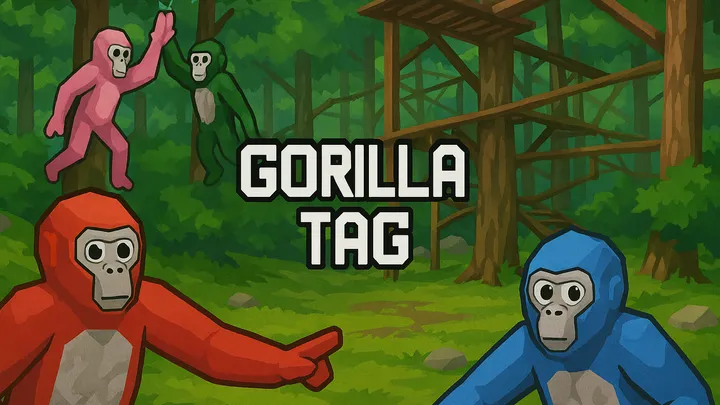
When Gorilla Tag was first released by developer Another Axiom in early access back in early 2021, few could have predicted the meteoric rise it would enjoy. The concept was almost childishly simple: you play as a gorilla in VR, using only your arms to move, jump, and climb, and the core game mode is… tag. That’s it. No complicated weapon systems. No sprawling maps with scripted events. No ultra-realistic graphics or heavy lore drops. Instead, it’s an unapologetically low-poly, physics-driven playground where movement is the mechanic.And yet, this stripped-down design has transformed Gorilla Tag from an experimental indie project into one of the most popular VR multiplayer games of all time. It’s a case study in how constraints can inspire innovation — and how social interaction, player creativity, and unconventional mechanics can create a phenomenon that defies traditional AAA wisdom.In this review, I’ll dissect Gorilla Tag from the perspective of a games analyst, covering its movement system, game design philosophy, social dynamics, competitive meta, community growth, technical execution, monetization strategy, and the future potential of the title. I’ll also touch on its cultural footprint and what it means for the VR industry as a whole.

Bloody Finger Jump
Is your finger faster then the others? Will your finger crush other enemies? Take up the challenge, compete and check how fast your fingers are. You can be sure that there will be blood...
Grand Theft Auto V
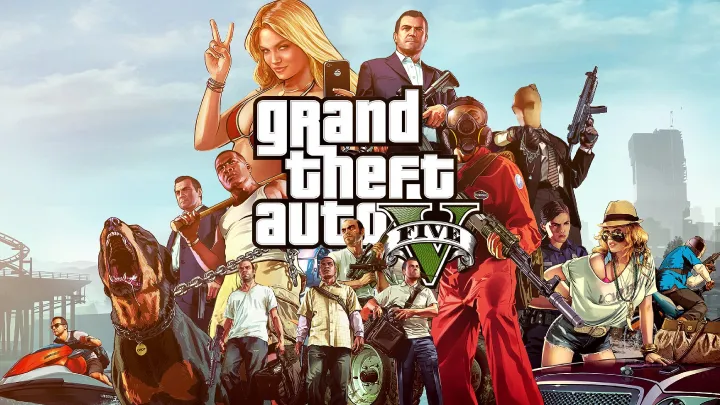
Grand Theft Auto V isn't simply a game; it is an economic, social, and cultural document of the 21st century. Taking the familiar chaotic sandbox of its predecessors, it expands it into a living, breathing world of San Andreas—teeming with meticulous detail and a biting, satirical wit. Whether you are pulled into its high-stakes criminal economy or its deep social simulation, GTA V delivers a profound and unforgettable masterclass in open-world design.
EA SPORTS FC™ 26
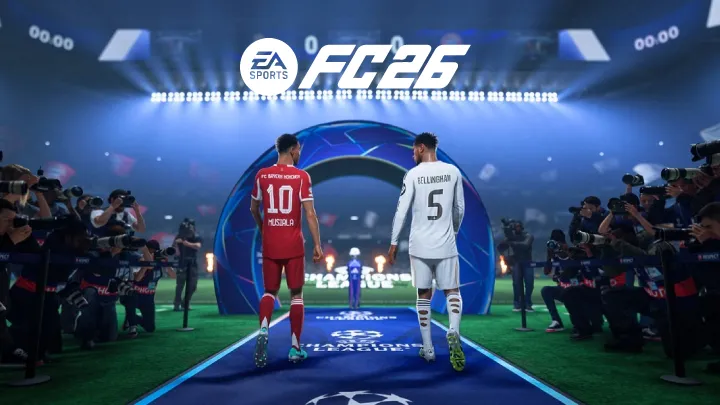
EA SPORTS FC™ 26 marks the third installment in the EA Sports FC era and is poised for release in September 2025. Developed by EA Vancouver and EA Romania, the game continues to showcase realism, player expression, and fidelity that fans expect—now with deeper gameplay variety and tactical richness. Covering multiple platforms—from next-gen consoles to PCs and even the new Nintendo Switch 2—FC 26 seeks to refine core mechanics while layering in strategic and narrative depth.
My Voice Zoo
MyVoiceZoo is a voice-focused platform/app designed to help users work with audio and voice-related tasks in a convenient, easy-to-use way. Instead of making everything complicated, MyVoiceZoo typically follows a simple workflow where users can get results faster, adjust key options, and reuse the tool for different voice needs. If you’re searching for a voice tool that feels practical and customization-friendly, MyVoiceZoo is worth considering.