Screenshot





























Summary
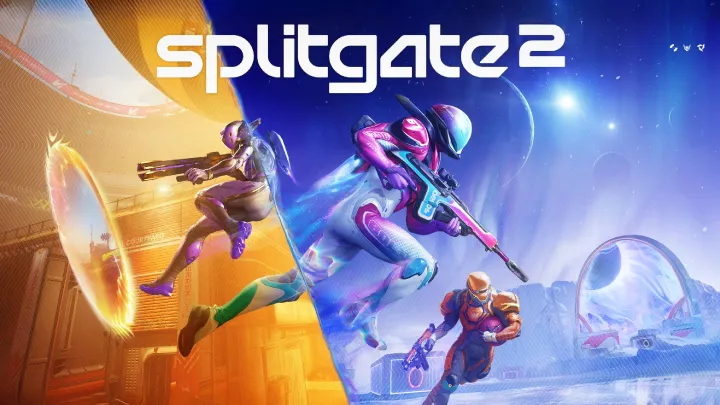
Introduction: The Rebirth of the Portal ShooterWhen 1047 Games first released the original Splitgate, it was hailed as "Halo meets Portal," a brilliant concept that captured the hearts of millions. However, as an indie project, it eventually hit a ceiling. Enter Splitgate 2—a complete ground-up rebuild in Unreal Engine 5 that shifts the focus from a pure arena shooter to a sophisticated 4v4 Class-Based Tactical Shooter. Published and developed by 1047 Games, this sequel is designed to compete with the giants of the genre by adding depth, lore, and specialized roles.Launched in 2025 across PC, PlayStation 5, Xbox Series X/S, and Steam Deck, Splitgate 2 abandons the simplicity of the past to embrace a multi-faction system. It is no longer just about who has the best aim; it is about how your team synchronizes portal placement with class-specific abilities. This article explores whether this ambitious sequel manages to keep the "magic" of the original while adding the complexity modern gamers crave.The Narrative Framework: Welcome to the Sol Splitgate LeagueThe lore of Splitgate 2 is vastly expanded compared to its predecessor. The game is set in a future where portal combat has become the world’s most popular spectator sport: the Sol Splitgate League. Players take on the role of "Aces," elite athletes representing different corporate and social factions. This "sport-ified" setting allows the developers to create vibrant, high-stakes arenas that feel like Olympic stadiums of the future.The Three FactionsThe narrative is driven by the rivalry between three distinct factions, each representing a different philosophy of combat:Aeros: The speedsters who value agility and rapid-fire engagement.Meridian: The technologists who focus on map manipulation and support.Sabrask: The heavy hitters who believe in raw power and area denial.Core Gameplay: The 4v4 Tactical ShiftThe most significant change in Splitgate 2 is the move to a 4v4 format. By reducing the player count and introducing classes, 1047 Games has turned the "chaos" of the first game into "calculated strategy." You can no longer just place portals randomly; you must coordinate with your team to create "portal lanes" that allow your Sabrask tanks to flank while your Meridian supports provide overwatch.Fundamental Gameplay Pillars:Portal Mastery: The ability to place two portals on specific surfaces to create instant travel paths or "peek holes" for sniping.Class Synergy: Combining the abilities of different factions to overcome the enemy team.Verticality: Using jetpacks and portals to control the "high ground," which is more vital here than in any other shooter.On-Field Mechanics: Class Abilities and GadgetsEach Ace in Splitgate 2 comes equipped with a unique kit. Unlike the first game where everyone had the same stats, your choice of faction radically changes your On-Field Mechanics.The Ability Matrix:Aeros Abilities: Includes a "Dash" mechanic that allows for mid-air redirects and a "Time Warp" that speeds up reload and movement for the squad.Meridian Abilities: Features a "Hypersight" pulse to see enemies through walls and a "Healing Link" to sustain teammates during a push.Sabrask Abilities: Focuses on "Smart Walls" (one-way transparent shields) and explosive ordnance to flush enemies out of portal loops.World & Environments: Unreal Engine 5 MasteryThe jump to Unreal Engine 5 is immediately apparent in the environmental design. The maps in Splitgate 2 are not just "boxes with portal walls"; they are living, breathing arenas with incredible lighting and material physics. From the neon-soaked streets of futuristic cities to clean, high-tech training facilities, the visual variety is stunning.Interactive Arena Elements:Portal-Permeable Surfaces: Specifically marked walls that allow portal placement.Kinetic Launchers: Pads that fling players across the map, perfect for mid-air portal shots.Dynamic Objective Zones: Areas that shift and move throughout the match, forcing players to rethink their portal networks constantly.Game Modes: Beyond Team DeathmatchWhile Team Deathmatch remains a staple, Splitgate 2 focuses heavily on objective-based modes that utilize the class system. The game avoids the "Battle Royale" trend, sticking instead to tight, competitive arena formats.Primary Game Modes:Hotzone: A "King of the Hill" style mode where the zone moves frequently, requiring rapid portal redeployment.Search and Deploy: A high-stakes, no-respawn mode where tactical portal placement is a matter of life and death.Nexus Control: Teams fight to capture and hold three different points simultaneously to earn points.Technical Execution: Stability and Performance1047 Games learned from the server meltdowns of the first game's launch. Splitgate 2 features a robust backend designed to handle hundreds of thousands of concurrent players. The "Portal Physics" have been optimized to prevent "visual hall-of-mirrors" lag, ensuring that looking through a portal is as seamless as looking through a window.Technical Performance Metrics:Resolution/FPS: 4K at 60FPS on consoles; up to 240Hz support on PC.Input Latency: Virtually zero, with specialized "NVIDIA Reflex" integration for PC players.Cross-Play/Cross-Progression: Fully supported from day one, allowing friends on different platforms to form squads easily.Progression & Customization: The Ace JourneyThe progression system in Splitgate 2 is deep and rewarding. Players earn "Faction XP" to unlock specific Ace skins, weapon wraps, and portal effects. The Battle Pass is strictly cosmetic, ensuring that the competitive integrity of the Sol Splitgate League remains intact.Customization Categories:Weapon Skins: From sleek carbon fiber to glowing animated neon.Portal Outlines: Customize the color and shape of your portal edges.Emotes & Jetpack Trails: Personalize how you look while flying through the air.Community Feedback: The Expert AnalysisSince the community playtests and the 2024 Summer Game Fest reveal, the feedback has been polarized but generally positive. Veterans of the first game occasionally miss the "everyone is equal" simplicity, but the broader competitive community has embraced the tactical depth of the 4v4 class system.Final Verdict: A New King of Arena Shooters?Splitgate 2 is a massive achievement. It successfully evolves a "gimmick" (portals) into a deep, competitive tactical ecosystem. By focusing on 4v4 combat and distinct factions, 1047 Games has carved out a niche that sits perfectly between Overwatch and Halo. It is a polished, high-performance shooter that rewards intelligence just as much as twitch reflexes.
Rating
Introduction: The Rebirth of the Portal Shooter
When 1047 Games first released the original Splitgate, it was hailed as "Halo meets Portal," a brilliant concept that captured the hearts of millions. However, as an indie project, it eventually hit a ceiling. Enter Splitgate 2—a complete ground-up rebuild in Unreal Engine 5 that shifts the focus from a pure arena shooter to a sophisticated 4v4 Class-Based Tactical Shooter. Published and developed by 1047 Games, this sequel is designed to compete with the giants of the genre by adding depth, lore, and specialized roles.
Launched in 2025 across PC, PlayStation 5, Xbox Series X/S, and Steam Deck, Splitgate 2 abandons the simplicity of the past to embrace a multi-faction system. It is no longer just about who has the best aim; it is about how your team synchronizes portal placement with class-specific abilities. This article explores whether this ambitious sequel manages to keep the "magic" of the original while adding the complexity modern gamers crave.
The Narrative Framework: Welcome to the Sol Splitgate League
The lore of Splitgate 2 is vastly expanded compared to its predecessor. The game is set in a future where portal combat has become the world’s most popular spectator sport: the Sol Splitgate League. Players take on the role of "Aces," elite athletes representing different corporate and social factions. This "sport-ified" setting allows the developers to create vibrant, high-stakes arenas that feel like Olympic stadiums of the future.
The Three Factions
The narrative is driven by the rivalry between three distinct factions, each representing a different philosophy of combat:
- Aeros: The speedsters who value agility and rapid-fire engagement.
- Meridian: The technologists who focus on map manipulation and support.
- Sabrask: The heavy hitters who believe in raw power and area denial.
Core Gameplay: The 4v4 Tactical Shift
The most significant change in Splitgate 2 is the move to a 4v4 format. By reducing the player count and introducing classes, 1047 Games has turned the "chaos" of the first game into "calculated strategy." You can no longer just place portals randomly; you must coordinate with your team to create "portal lanes" that allow your Sabrask tanks to flank while your Meridian supports provide overwatch.
Fundamental Gameplay Pillars:
- Portal Mastery: The ability to place two portals on specific surfaces to create instant travel paths or "peek holes" for sniping.
- Class Synergy: Combining the abilities of different factions to overcome the enemy team.
- Verticality: Using jetpacks and portals to control the "high ground," which is more vital here than in any other shooter.
On-Field Mechanics: Class Abilities and Gadgets
Each Ace in Splitgate 2 comes equipped with a unique kit. Unlike the first game where everyone had the same stats, your choice of faction radically changes your On-Field Mechanics.
The Ability Matrix:
- Aeros Abilities: Includes a "Dash" mechanic that allows for mid-air redirects and a "Time Warp" that speeds up reload and movement for the squad.
- Meridian Abilities: Features a "Hypersight" pulse to see enemies through walls and a "Healing Link" to sustain teammates during a push.
- Sabrask Abilities: Focuses on "Smart Walls" (one-way transparent shields) and explosive ordnance to flush enemies out of portal loops.
World & Environments: Unreal Engine 5 Mastery
The jump to Unreal Engine 5 is immediately apparent in the environmental design. The maps in Splitgate 2 are not just "boxes with portal walls"; they are living, breathing arenas with incredible lighting and material physics. From the neon-soaked streets of futuristic cities to clean, high-tech training facilities, the visual variety is stunning.
Interactive Arena Elements:
- Portal-Permeable Surfaces: Specifically marked walls that allow portal placement.
- Kinetic Launchers: Pads that fling players across the map, perfect for mid-air portal shots.
- Dynamic Objective Zones: Areas that shift and move throughout the match, forcing players to rethink their portal networks constantly.
Game Modes: Beyond Team Deathmatch
While Team Deathmatch remains a staple, Splitgate 2 focuses heavily on objective-based modes that utilize the class system. The game avoids the "Battle Royale" trend, sticking instead to tight, competitive arena formats.
Primary Game Modes:
- Hotzone: A "King of the Hill" style mode where the zone moves frequently, requiring rapid portal redeployment.
- Search and Deploy: A high-stakes, no-respawn mode where tactical portal placement is a matter of life and death.
- Nexus Control: Teams fight to capture and hold three different points simultaneously to earn points.
Technical Execution: Stability and Performance
1047 Games learned from the server meltdowns of the first game's launch. Splitgate 2 features a robust backend designed to handle hundreds of thousands of concurrent players. The "Portal Physics" have been optimized to prevent "visual hall-of-mirrors" lag, ensuring that looking through a portal is as seamless as looking through a window.
Technical Performance Metrics:
- Resolution/FPS: 4K at 60FPS on consoles; up to 240Hz support on PC.
- Input Latency: Virtually zero, with specialized "NVIDIA Reflex" integration for PC players.
- Cross-Play/Cross-Progression: Fully supported from day one, allowing friends on different platforms to form squads easily.
Progression & Customization: The Ace Journey
The progression system in Splitgate 2 is deep and rewarding. Players earn "Faction XP" to unlock specific Ace skins, weapon wraps, and portal effects. The Battle Pass is strictly cosmetic, ensuring that the competitive integrity of the Sol Splitgate League remains intact.
Customization Categories:
- Weapon Skins: From sleek carbon fiber to glowing animated neon.
- Portal Outlines: Customize the color and shape of your portal edges.
- Emotes & Jetpack Trails: Personalize how you look while flying through the air.
Community Feedback: The Expert Analysis
Since the community playtests and the 2024 Summer Game Fest reveal, the feedback has been polarized but generally positive. Veterans of the first game occasionally miss the "everyone is equal" simplicity, but the broader competitive community has embraced the tactical depth of the 4v4 class system.
Final Verdict: A New King of Arena Shooters?
Splitgate 2 is a massive achievement. It successfully evolves a "gimmick" (portals) into a deep, competitive tactical ecosystem. By focusing on 4v4 combat and distinct factions, 1047 Games has carved out a niche that sits perfectly between Overwatch and Halo. It is a polished, high-performance shooter that rewards intelligence just as much as twitch reflexes.
Get Game Links
All trademarks belong to their respective owners.
Latest Reviews

Gorilla Tag
When Gorilla Tag was first released by developer Another Axiom in early access back in early 2021, few could have predicted the meteoric rise it would enjoy. The concept was almost childishly simple: you play as a gorilla in VR, using only your arms to move, jump, and climb, and the core game mode is… tag. That’s it. No complicated weapon systems. No sprawling maps with scripted events. No ultra-realistic graphics or heavy lore drops. Instead, it’s an unapologetically low-poly, physics-driven playground where movement is the mechanic.And yet, this stripped-down design has transformed Gorilla Tag from an experimental indie project into one of the most popular VR multiplayer games of all time. It’s a case study in how constraints can inspire innovation — and how social interaction, player creativity, and unconventional mechanics can create a phenomenon that defies traditional AAA wisdom.In this review, I’ll dissect Gorilla Tag from the perspective of a games analyst, covering its movement system, game design philosophy, social dynamics, competitive meta, community growth, technical execution, monetization strategy, and the future potential of the title. I’ll also touch on its cultural footprint and what it means for the VR industry as a whole.

Bloody Finger Jump
Is your finger faster then the others? Will your finger crush other enemies? Take up the challenge, compete and check how fast your fingers are. You can be sure that there will be blood...
Grand Theft Auto V
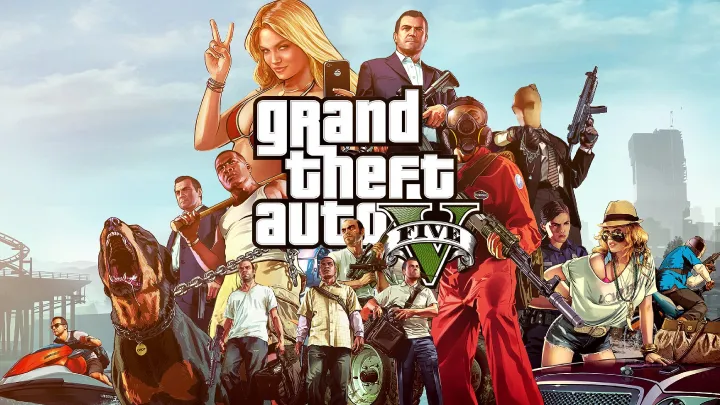
Grand Theft Auto V isn't simply a game; it is an economic, social, and cultural document of the 21st century. Taking the familiar chaotic sandbox of its predecessors, it expands it into a living, breathing world of San Andreas—teeming with meticulous detail and a biting, satirical wit. Whether you are pulled into its high-stakes criminal economy or its deep social simulation, GTA V delivers a profound and unforgettable masterclass in open-world design.
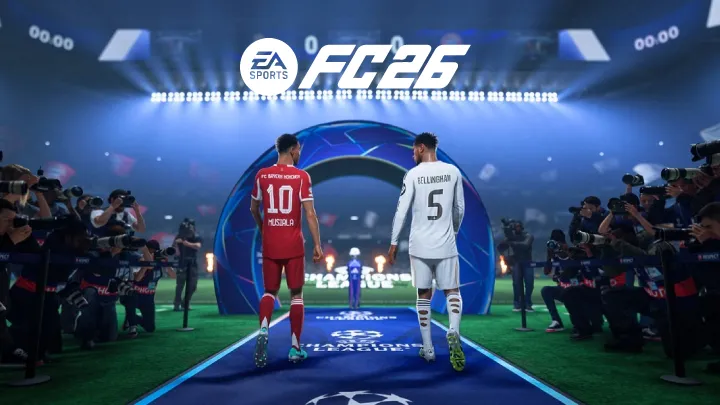
EA SPORTS FC™ 26
EA SPORTS FC™ 26 marks the third installment in the EA Sports FC era and is poised for release in September 2025. Developed by EA Vancouver and EA Romania, the game continues to showcase realism, player expression, and fidelity that fans expect—now with deeper gameplay variety and tactical richness. Covering multiple platforms—from next-gen consoles to PCs and even the new Nintendo Switch 2—FC 26 seeks to refine core mechanics while layering in strategic and narrative depth.
My Voice Zoo
MyVoiceZoo is a voice-focused platform/app designed to help users work with audio and voice-related tasks in a convenient, easy-to-use way. Instead of making everything complicated, MyVoiceZoo typically follows a simple workflow where users can get results faster, adjust key options, and reuse the tool for different voice needs. If you’re searching for a voice tool that feels practical and customization-friendly, MyVoiceZoo is worth considering.