Screenshot




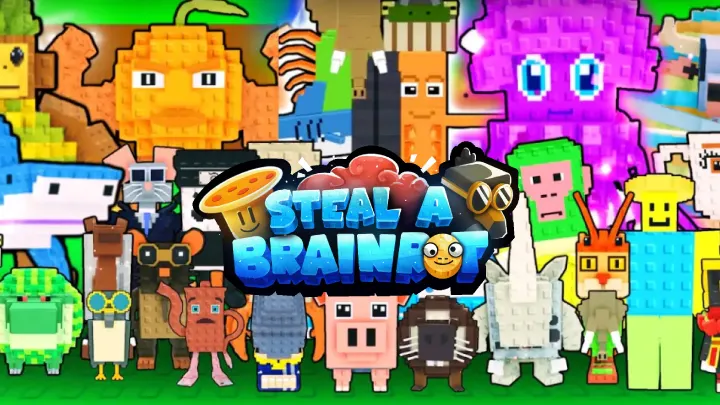











Steal a Brainrot Roblox Summary
Overview & PopularityRoblox Phenomenon: Steal a Brainrot is one of the most popular titles on Roblox, frequently ranking in the top 2 for concurrent players.Developer & Publisher: The game is developed by an independent creator (indie developer) and published directly on the Roblox platform, which allows individuals and small studios to reach millions of players worldwide.Peak Engagement: At peak times, the game can reach millions of players simultaneously.Genre Fusion: It combines tycoon, simulator, and PvP mechanics, resulting in a chaotic yet highly competitive experience.Core Mechanics & Gameplay LoopBuy or Steal: Players can purchase brainrots from their base’s conveyor belt or steal them from other players’ bases once unlocked.Income Generation: Brainrots generate continuous cash flow while kept in your base.Defensive Mechanics: Bases are automatically locked for 30 seconds upon joining, with lock duration increasing after each rebirth.Progression & Development SystemsRebirth System: Each rebirth resets progress but grants bonuses such as higher income multipliers, longer lock times, or additional brainrot slots.Base Expansion: Each rebirth unlocks more space and additional floors, eventually allowing up to 22 brainrots.Brainrot Rarity & ValueRarity Tiers: Common, Rare, Epic, Legendary, Mythic, Brainrot God, and Secret.Spawn Timers:Legendary: every 5 minutesMythic: every 15 minutesBrainrot God: appears at specific milestonesSecret Brainrots: Extremely rare, offering massive income potential and high prestige within the community.Mutations, Traits & Special EventsMutations: Brainrots can have multipliers such as Gold (×1.25), Diamond (×1.5), Lava (×6), or Rainbow (×10).Event Traits: Special events introduce exclusive traits with unique visual effects and income boosts.Fusion: Combine 4 brainrots in the Fuse Machine to create rarer and more valuable versions.Monetization & Emotional ImpactItems & Gear: Purchasable with in-game currency to defend your base or disrupt opponents.Robux Transactions: Players can spend real money to acquire powerful items, introducing a pay-to-win element.Emotional Stakes: Losing a rare brainrot can be highly frustrating—especially for younger players—making it a key driver of the game’s viral appeal.Community & CultureSocial Strategy: Bases are fully visible, allowing players to scout targets and plan raids strategically.Viral Content: Intense raids and reactions are easily shared on TikTok and YouTube, fueling rapid growth.Player Identity: The game acts as both entertainment and a competitive battlefield, encouraging rivalry and status chasing.ConclusionSteal a Brainrot stands out as a major Roblox phenomenon, blending strategy, competition, and chaotic fun. Its theft mechanic creates strong emotional highs and lows—from the thrill of a successful raid to the frustration of losing valuable brainrots. This emotional loop is a key factor behind its viral success. However, its pay-to-win elements and emotional intensity may raise concerns for younger players.Final VerdictA chaotic and addictive tycoon experience that thrives on social interaction and emotional investment—both a playground and a battlefield for Roblox players.
Rating
Overview & Popularity
Roblox Phenomenon: Steal a Brainrot is one of the most popular titles on Roblox, frequently ranking in the top 2 for concurrent players.
Developer & Publisher: The game is developed by an independent creator (indie developer) and published directly on the Roblox platform, which allows individuals and small studios to reach millions of players worldwide.
Peak Engagement: At peak times, the game can reach millions of players simultaneously.
Genre Fusion: It combines tycoon, simulator, and PvP mechanics, resulting in a chaotic yet highly competitive experience.
Core Mechanics & Gameplay Loop
Buy or Steal: Players can purchase brainrots from their base’s conveyor belt or steal them from other players’ bases once unlocked.
Income Generation: Brainrots generate continuous cash flow while kept in your base.
Defensive Mechanics: Bases are automatically locked for 30 seconds upon joining, with lock duration increasing after each rebirth.
Progression & Development Systems
Rebirth System: Each rebirth resets progress but grants bonuses such as higher income multipliers, longer lock times, or additional brainrot slots.
Base Expansion: Each rebirth unlocks more space and additional floors, eventually allowing up to 22 brainrots.
Brainrot Rarity & Value
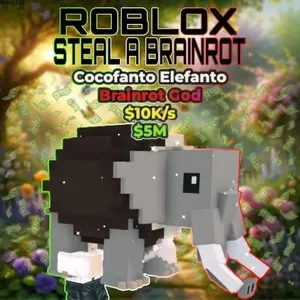
Rarity Tiers: Common, Rare, Epic, Legendary, Mythic, Brainrot God, and Secret.
Spawn Timers:
- Legendary: every 5 minutes
- Mythic: every 15 minutes
- Brainrot God: appears at specific milestones
Secret Brainrots: Extremely rare, offering massive income potential and high prestige within the community.
Mutations, Traits & Special Events
Mutations: Brainrots can have multipliers such as Gold (×1.25), Diamond (×1.5), Lava (×6), or Rainbow (×10).
Event Traits: Special events introduce exclusive traits with unique visual effects and income boosts.
Fusion: Combine 4 brainrots in the Fuse Machine to create rarer and more valuable versions.
Monetization & Emotional Impact
Items & Gear: Purchasable with in-game currency to defend your base or disrupt opponents.
Robux Transactions: Players can spend real money to acquire powerful items, introducing a pay-to-win element.
Emotional Stakes: Losing a rare brainrot can be highly frustrating—especially for younger players—making it a key driver of the game’s viral appeal.
Community & Culture
Social Strategy: Bases are fully visible, allowing players to scout targets and plan raids strategically.
Viral Content: Intense raids and reactions are easily shared on TikTok and YouTube, fueling rapid growth.
Player Identity: The game acts as both entertainment and a competitive battlefield, encouraging rivalry and status chasing.
Conclusion
Steal a Brainrot stands out as a major Roblox phenomenon, blending strategy, competition, and chaotic fun. Its theft mechanic creates strong emotional highs and lows—from the thrill of a successful raid to the frustration of losing valuable brainrots. This emotional loop is a key factor behind its viral success. However, its pay-to-win elements and emotional intensity may raise concerns for younger players.
Final Verdict
A chaotic and addictive tycoon experience that thrives on social interaction and emotional investment—both a playground and a battlefield for Roblox players.
Get Game Links
All trademarks belong to their respective owners.
Latest Reviews
Gorilla Tag
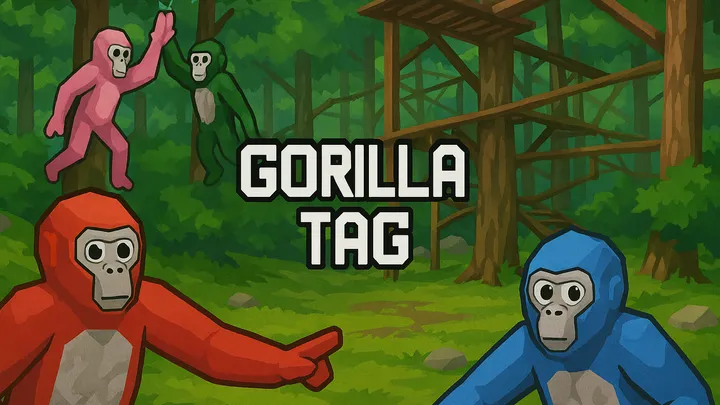
When Gorilla Tag was first released by developer Another Axiom in early access back in early 2021, few could have predicted the meteoric rise it would enjoy. The concept was almost childishly simple: you play as a gorilla in VR, using only your arms to move, jump, and climb, and the core game mode is… tag. That’s it. No complicated weapon systems. No sprawling maps with scripted events. No ultra-realistic graphics or heavy lore drops. Instead, it’s an unapologetically low-poly, physics-driven playground where movement is the mechanic.And yet, this stripped-down design has transformed Gorilla Tag from an experimental indie project into one of the most popular VR multiplayer games of all time. It’s a case study in how constraints can inspire innovation — and how social interaction, player creativity, and unconventional mechanics can create a phenomenon that defies traditional AAA wisdom.In this review, I’ll dissect Gorilla Tag from the perspective of a games analyst, covering its movement system, game design philosophy, social dynamics, competitive meta, community growth, technical execution, monetization strategy, and the future potential of the title. I’ll also touch on its cultural footprint and what it means for the VR industry as a whole.

Bloody Finger Jump
Is your finger faster then the others? Will your finger crush other enemies? Take up the challenge, compete and check how fast your fingers are. You can be sure that there will be blood...
Grand Theft Auto V
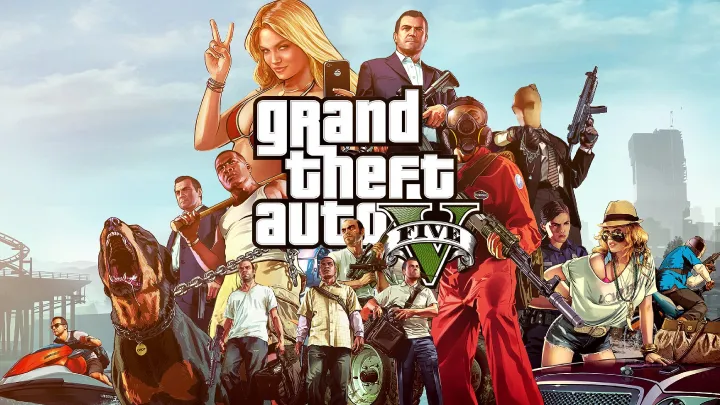
Grand Theft Auto V isn't simply a game; it is an economic, social, and cultural document of the 21st century. Taking the familiar chaotic sandbox of its predecessors, it expands it into a living, breathing world of San Andreas—teeming with meticulous detail and a biting, satirical wit. Whether you are pulled into its high-stakes criminal economy or its deep social simulation, GTA V delivers a profound and unforgettable masterclass in open-world design.
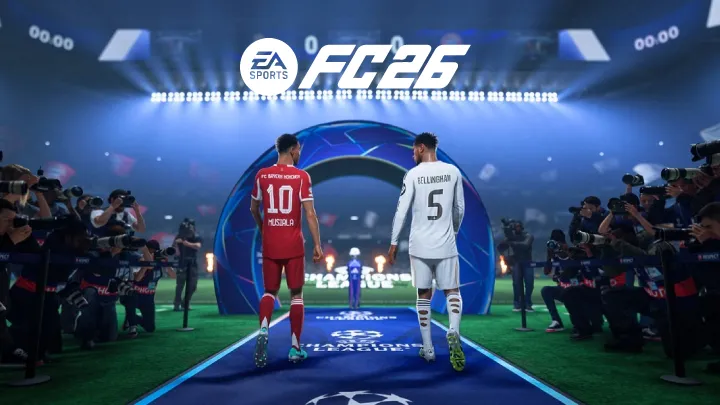
EA SPORTS FC™ 26
EA SPORTS FC™ 26 marks the third installment in the EA Sports FC era and is poised for release in September 2025. Developed by EA Vancouver and EA Romania, the game continues to showcase realism, player expression, and fidelity that fans expect—now with deeper gameplay variety and tactical richness. Covering multiple platforms—from next-gen consoles to PCs and even the new Nintendo Switch 2—FC 26 seeks to refine core mechanics while layering in strategic and narrative depth.
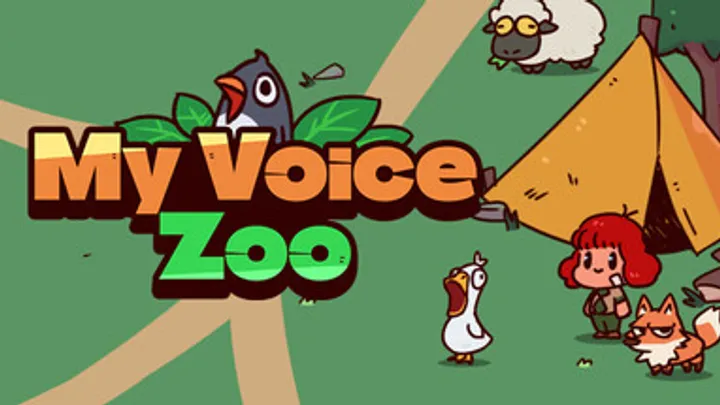
My Voice Zoo
MyVoiceZoo is a voice-focused platform/app designed to help users work with audio and voice-related tasks in a convenient, easy-to-use way. Instead of making everything complicated, MyVoiceZoo typically follows a simple workflow where users can get results faster, adjust key options, and reuse the tool for different voice needs. If you’re searching for a voice tool that feels practical and customization-friendly, MyVoiceZoo is worth considering.