Screenshot










































Subway Surfers Summary
IntroductionSubway Surfers, developed by Kiloo and SYBO Games and released on May 24, 2012, for iOS, Android, and later additional platforms, stands as a pioneering endless runner that has captivated players worldwide. This mobile title introduces players to the role of Jake, a graffiti artist fleeing a relentless inspector and his dog through subway tracks, collecting coins and power-ups along the way. Priced as a free-to-play game with in-app purchases ranging from $0.99 to $99.99, it gained massive popularity through its accessible gameplay and frequent updates, including the World Tour feature. Early feedback highlighted its addictive nature and vibrant design, though concerns about in-app purchases and ad frequency have persisted. This review explores its narrative, world, gameplay, and technical execution to evaluate its enduring appeal as a mobile gaming classic.Narrative & StorytellingSubway Surfers crafts its narrative through a simple yet engaging premise rather than a deep campaign. Players embody Jake—or other unlockable characters—caught in the act of tagging a subway train, sparking a chase that forms the game’s core story. The narrative unfolds through brief cutscenes and character backstories, revealed as players unlock new figures like Tricky or Fresh, hinting at their motivations and personalities. Seasonal events, such as Halloween or World Tour stops, add thematic layers, with limited-time characters and missions enhancing the storytelling experience.However, the lack of a structured storyline might leave some wanting a richer plot, as the experience relies on the repetitive chase to drive its narrative—epic escapes or high-score milestones—that evolve with player skill. The storytelling shines in its lighthearted tone and cultural nods through World Tour locations, though its depth depends on the player’s investment in unlocking content, making it a fun, emergent tale for casual players.World & EnvironmentsThe world of Subway Surfers centers on a dynamic subway network, featuring tracks lined with urban landscapes that shift with each World Tour update—vibrant streets of Tokyo, historic alleys of London, or tropical vibes of Rio. These environments are rendered with bright, cartoonish visuals, enhanced by dynamic obstacles like trains, barriers, and seasonal decorations, creating a constantly evolving backdrop. Sound design, with upbeat music, train horns, and crowd cheers, builds an energetic atmosphere, while weather effects like rain or snow add visual variety.Yet, the reliance on linear tracks might limit environmental depth over time, as the focus remains on forward motion rather than expansive exploration. The design prioritizes a fast-paced, changing aesthetic, which could feel repetitive for players seeking diverse settings. Community feedback celebrates the colorful updates and weather effects, though some note the lack of interactive elements, suggesting a world that excels in energy but may benefit from added interactivity to sustain engagement.Gameplay MechanicsCore LoopThe core loop revolves around endless runs, where players dodge obstacles and collect rewards within 5-15 minute sessions, offering a quick, addictive rhythm. The cycle of running, upgrading, and chasing high scores drives a compelling flow, encouraging repeated attempts.On-Field MechanicsThe gameplay hinges on intuitive swipe controls, allowing players to jump, slide, or switch lanes to avoid trains, barriers, and other hazards, with speed increasing over time. Power-ups like jetpacks, hoverboards, and coin magnets add tactical depth, while character abilities—such as double jumps—introduce variety, though balance issues with difficulty spikes can challenge flow. The mechanics reward reflexes and timing, demanding practice to master their pace.Mode-Specific FeaturesThe primary mode focuses on endless running, with missions and events like Word Hunts or Season Challenges providing goals, such as collecting letters or achieving distances. The shop system enables character and board unlocks with coins or keys, offering progression, while daily challenges add fresh tasks. The variety of objectives caters to different playstyles, but balance adjustments for event difficulty and reward rates lag, a point raised in early feedback.Progression & MultiplayerProgression includes earning coins, keys, and character unlocks, balancing grind with cosmetic rewards in a system that feels satisfying based on initial play. The game lacks traditional multiplayer, but its competitive edge shines through leaderboards and shared high scores, though the absence of co-op limits social play. The progression system thrives on individual achievement, requiring refinement to enhance accessibility.Technical ExecutionSubway Surfers delivers a visually appealing experience with its cartoonish graphics, detailed characters, and dynamic environments, though older devices might face lag during crowded runs. Post-launch updates have addressed stability, but occasional crashes during events persist. Audio impresses with catchy tracks and sound effects, though repetitive loops can detract over long sessions.Controls are responsive with precise swiping, offering a natural feel across touchscreens, though the lack of controller support limits versatility. Ongoing updates are refining core systems, but initial technical hiccups suggest continued optimization is needed. The execution supports the runner focus, with visuals and audio as strengths amid polish challenges.Community FeedbackSubway Surfers has cultivated a passionate community, with early praise for its addictive gameplay, World Tour updates, and character variety, though concerns about ads, microtransactions, and moderation surface from player discussions. Excitement for seasonal events and high-score chases is widespread, but frustration with in-app purchase pressure and ad frequency persists. Community feedback drives development, sustaining interest, and player retention remains strong, fueled by the game’s dedicated fanbase.Criticism centers on technical stability and monetization, with players noting crashes and a desire for less intrusive ads, alongside debates over event fairness. The community’s active input shapes updates, reflecting a group eager to see the game evolve into a balanced experience.Final VerdictSubway Surfers delivers a thrilling endless runner with its vibrant updates and addictive mechanics, celebrating the joy of high-speed chases. Its dynamic world and power-up variety shine, though ad frequency and technical issues pose challenges. It’s a must-play for casual gamers, with patience required as updates refine the experience.
Rating
Introduction
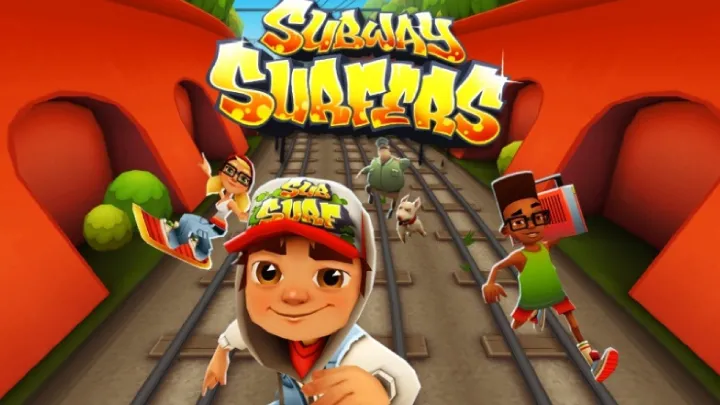
Subway Surfers, developed by Kiloo and SYBO Games and released on May 24, 2012, for iOS, Android, and later additional platforms, stands as a pioneering endless runner that has captivated players worldwide. This mobile title introduces players to the role of Jake, a graffiti artist fleeing a relentless inspector and his dog through subway tracks, collecting coins and power-ups along the way. Priced as a free-to-play game with in-app purchases ranging from $0.99 to $99.99, it gained massive popularity through its accessible gameplay and frequent updates, including the World Tour feature. Early feedback highlighted its addictive nature and vibrant design, though concerns about in-app purchases and ad frequency have persisted. This review explores its narrative, world, gameplay, and technical execution to evaluate its enduring appeal as a mobile gaming classic.
Narrative & Storytelling
Subway Surfers crafts its narrative through a simple yet engaging premise rather than a deep campaign. Players embody Jake—or other unlockable characters—caught in the act of tagging a subway train, sparking a chase that forms the game’s core story. The narrative unfolds through brief cutscenes and character backstories, revealed as players unlock new figures like Tricky or Fresh, hinting at their motivations and personalities. Seasonal events, such as Halloween or World Tour stops, add thematic layers, with limited-time characters and missions enhancing the storytelling experience.
However, the lack of a structured storyline might leave some wanting a richer plot, as the experience relies on the repetitive chase to drive its narrative—epic escapes or high-score milestones—that evolve with player skill. The storytelling shines in its lighthearted tone and cultural nods through World Tour locations, though its depth depends on the player’s investment in unlocking content, making it a fun, emergent tale for casual players.
World & Environments
The world of Subway Surfers centers on a dynamic subway network, featuring tracks lined with urban landscapes that shift with each World Tour update—vibrant streets of Tokyo, historic alleys of London, or tropical vibes of Rio. These environments are rendered with bright, cartoonish visuals, enhanced by dynamic obstacles like trains, barriers, and seasonal decorations, creating a constantly evolving backdrop. Sound design, with upbeat music, train horns, and crowd cheers, builds an energetic atmosphere, while weather effects like rain or snow add visual variety.
Yet, the reliance on linear tracks might limit environmental depth over time, as the focus remains on forward motion rather than expansive exploration. The design prioritizes a fast-paced, changing aesthetic, which could feel repetitive for players seeking diverse settings. Community feedback celebrates the colorful updates and weather effects, though some note the lack of interactive elements, suggesting a world that excels in energy but may benefit from added interactivity to sustain engagement.
Gameplay Mechanics
Core Loop
The core loop revolves around endless runs, where players dodge obstacles and collect rewards within 5-15 minute sessions, offering a quick, addictive rhythm. The cycle of running, upgrading, and chasing high scores drives a compelling flow, encouraging repeated attempts.
On-Field Mechanics
The gameplay hinges on intuitive swipe controls, allowing players to jump, slide, or switch lanes to avoid trains, barriers, and other hazards, with speed increasing over time. Power-ups like jetpacks, hoverboards, and coin magnets add tactical depth, while character abilities—such as double jumps—introduce variety, though balance issues with difficulty spikes can challenge flow. The mechanics reward reflexes and timing, demanding practice to master their pace.
Mode-Specific Features
The primary mode focuses on endless running, with missions and events like Word Hunts or Season Challenges providing goals, such as collecting letters or achieving distances. The shop system enables character and board unlocks with coins or keys, offering progression, while daily challenges add fresh tasks. The variety of objectives caters to different playstyles, but balance adjustments for event difficulty and reward rates lag, a point raised in early feedback.
Progression & Multiplayer
Progression includes earning coins, keys, and character unlocks, balancing grind with cosmetic rewards in a system that feels satisfying based on initial play. The game lacks traditional multiplayer, but its competitive edge shines through leaderboards and shared high scores, though the absence of co-op limits social play. The progression system thrives on individual achievement, requiring refinement to enhance accessibility.
Technical Execution
Subway Surfers delivers a visually appealing experience with its cartoonish graphics, detailed characters, and dynamic environments, though older devices might face lag during crowded runs. Post-launch updates have addressed stability, but occasional crashes during events persist. Audio impresses with catchy tracks and sound effects, though repetitive loops can detract over long sessions.
Controls are responsive with precise swiping, offering a natural feel across touchscreens, though the lack of controller support limits versatility. Ongoing updates are refining core systems, but initial technical hiccups suggest continued optimization is needed. The execution supports the runner focus, with visuals and audio as strengths amid polish challenges.
Community Feedback
Subway Surfers has cultivated a passionate community, with early praise for its addictive gameplay, World Tour updates, and character variety, though concerns about ads, microtransactions, and moderation surface from player discussions. Excitement for seasonal events and high-score chases is widespread, but frustration with in-app purchase pressure and ad frequency persists. Community feedback drives development, sustaining interest, and player retention remains strong, fueled by the game’s dedicated fanbase.
Criticism centers on technical stability and monetization, with players noting crashes and a desire for less intrusive ads, alongside debates over event fairness. The community’s active input shapes updates, reflecting a group eager to see the game evolve into a balanced experience.
Final Verdict
Subway Surfers delivers a thrilling endless runner with its vibrant updates and addictive mechanics, celebrating the joy of high-speed chases. Its dynamic world and power-up variety shine, though ad frequency and technical issues pose challenges. It’s a must-play for casual gamers, with patience required as updates refine the experience.
Get Game Links
All trademarks belong to their respective owners.
Latest Reviews
Gorilla Tag
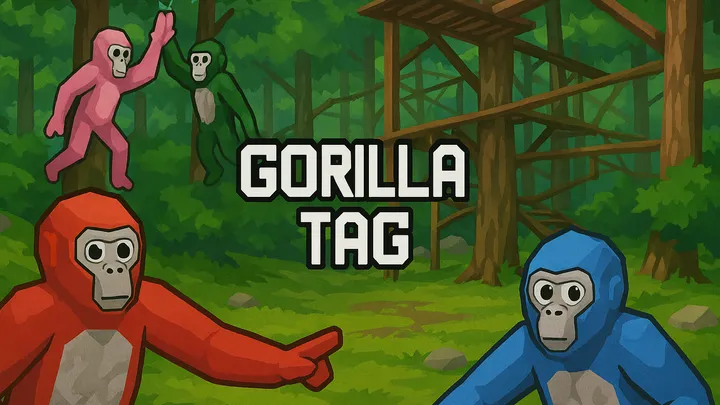
When Gorilla Tag was first released by developer Another Axiom in early access back in early 2021, few could have predicted the meteoric rise it would enjoy. The concept was almost childishly simple: you play as a gorilla in VR, using only your arms to move, jump, and climb, and the core game mode is… tag. That’s it. No complicated weapon systems. No sprawling maps with scripted events. No ultra-realistic graphics or heavy lore drops. Instead, it’s an unapologetically low-poly, physics-driven playground where movement is the mechanic.And yet, this stripped-down design has transformed Gorilla Tag from an experimental indie project into one of the most popular VR multiplayer games of all time. It’s a case study in how constraints can inspire innovation — and how social interaction, player creativity, and unconventional mechanics can create a phenomenon that defies traditional AAA wisdom.In this review, I’ll dissect Gorilla Tag from the perspective of a games analyst, covering its movement system, game design philosophy, social dynamics, competitive meta, community growth, technical execution, monetization strategy, and the future potential of the title. I’ll also touch on its cultural footprint and what it means for the VR industry as a whole.

Bloody Finger Jump
Is your finger faster then the others? Will your finger crush other enemies? Take up the challenge, compete and check how fast your fingers are. You can be sure that there will be blood...
Grand Theft Auto V
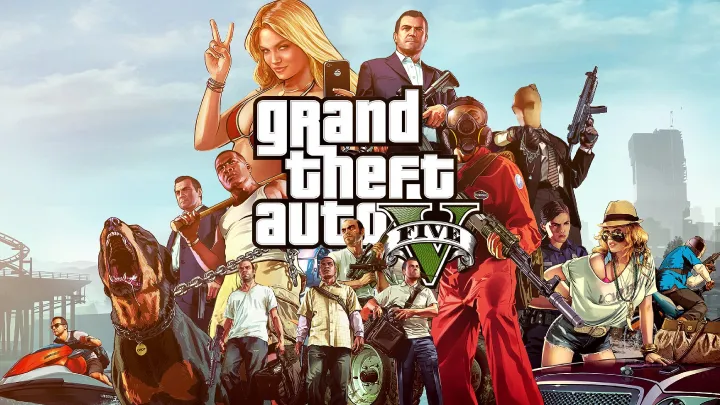
Grand Theft Auto V isn't simply a game; it is an economic, social, and cultural document of the 21st century. Taking the familiar chaotic sandbox of its predecessors, it expands it into a living, breathing world of San Andreas—teeming with meticulous detail and a biting, satirical wit. Whether you are pulled into its high-stakes criminal economy or its deep social simulation, GTA V delivers a profound and unforgettable masterclass in open-world design.

EA SPORTS FC™ 26
EA SPORTS FC™ 26 marks the third installment in the EA Sports FC era and is poised for release in September 2025. Developed by EA Vancouver and EA Romania, the game continues to showcase realism, player expression, and fidelity that fans expect—now with deeper gameplay variety and tactical richness. Covering multiple platforms—from next-gen consoles to PCs and even the new Nintendo Switch 2—FC 26 seeks to refine core mechanics while layering in strategic and narrative depth.
My Voice Zoo
MyVoiceZoo is a voice-focused platform/app designed to help users work with audio and voice-related tasks in a convenient, easy-to-use way. Instead of making everything complicated, MyVoiceZoo typically follows a simple workflow where users can get results faster, adjust key options, and reuse the tool for different voice needs. If you’re searching for a voice tool that feels practical and customization-friendly, MyVoiceZoo is worth considering.