Screenshot
































Tavern Keeper Summary
IntroductionTavern Keeper- a simulation and management sandbox game (Early Access released on November 4, 2025), developed and published by indie studio Greenheart Games, is a simulation and management game that immerses players in a vibrant fantasy world as a tavern owner. Players design and decorate their taverns, manage staff and customer interactions, and navigate dynamic, sometimes chaotic events. Combining sandbox creativity, deep system interactions, and emergent storytelling, Tavern Keeper transforms the simple act of running a tavern into an unpredictable and endlessly engaging experience. This review explores the game’s mechanics, world, audiovisual design, narrative, and reception among players.Gameplay MechanicsCore Gameplay LoopAt its core, Tavern Keeper revolves around building, operating, and responding to a living, interactive system. Players:Construct and decorate the tavern freelyServe diverse guests with unique behaviors and needsManage staff efficiently to maintain operationsHandle dynamic events such as fires, rowdy patrons, or surprise questsUnlike prior reviews that described a “resource gathering loop with adventurers,” the core loop here is sandbox management and system interaction, emphasizing emergent chaos and creativity rather than repetitive farming.Mode-Specific FeaturesSandbox Customization: Place items, furniture, and decorations almost anywhere. The tavern can range from cozy and welcoming to chaotic and unpredictable.Guest Interaction: Guests’ actions are influenced by environment, other guests, and tavern layout.Staff Management: Assign tasks, train staff, and optimize workflow to meet customer needs.Dynamic Events: Random occurrences keep gameplay unpredictable, from heroic visitors to environmental hazards.World & VisualsTavern & EnvironmentTavern Keeper’s world is vibrant and detailed:3D stylized, isometric perspectiveInteractive tavern elements (furniture, decorations, utilities)Living ecosystem where guest behavior and environment dynamically influence each otherChange from old review:Removed “pixel art” referenceRemoved “adventurer/resource gathering” mechanicsUser InterfaceIntuitive menus for layout design and menu managementReal-time feedback for guest satisfaction and staff efficiencySeamless customization options for maximum creative freedomAudio DesignSound EffectsAmbient tavern sounds: chatter, clinking glasses, sizzling foodInteraction sounds: serving drinks, moving furniture, responding to eventsMusicLighthearted, whimsical soundtrackDynamic tempo responding to busy or quiet tavern periodsChange from old review: emphasis on subtle immersion rather than generic “gaming sound effects”.Narrative & LoreEmergent storytelling arises from guest interactions, random events, and quest completionNarrative is humorous and charming, highlighting the whimsical and unpredictable tavern lifeLore hints at a larger fantasy world, but story progression depends on sandbox play rather than fixed plotChange from old review:Highlighted emergent narrative as core storytelling instead of generic “story-driven quest line”Removed simplified RPG-like missionsChallenges & TensionTime management is key: serving guests and managing events efficientlyGuest and environment behaviors can create complex chain reactions, requiring adaptive strategiesSandbox freedom introduces unpredictable challenges, adding replayabilityTechnical ExecutionOptimized for PC (Steam) with 3D stylized graphicsControls are intuitive, especially for mouse and keyboardMinor technical issues possible, typical for indie releases, but core systems are stableCommunity FeedbackPlayers praise sandbox freedom, chaotic emergent gameplay, and creative customizationCriticisms focus on AI behavior (occasionally suboptimal) and limited content variety at early stagesCommunity excitement grows around updates adding new items, quests, or guest typesChange from old review: community focus shifted from “pixel art aesthetic and resource loops” to sandbox creativity and chaos-driven gameplayFinal VerdictTavern Keeper delivers a unique simulation experience:A sandbox-driven tavern management gameA complex system where guests, staff, and environment interact dynamicallyA whimsical and chaotic emergent narrativeIf you enjoy creative freedom, deep simulation, and unpredictable gameplay, Tavern Keeper is a must-play.In short: You are not just running a tavern—you are managing a miniature living world, where chaos and creativity collide.
Rating
Introduction
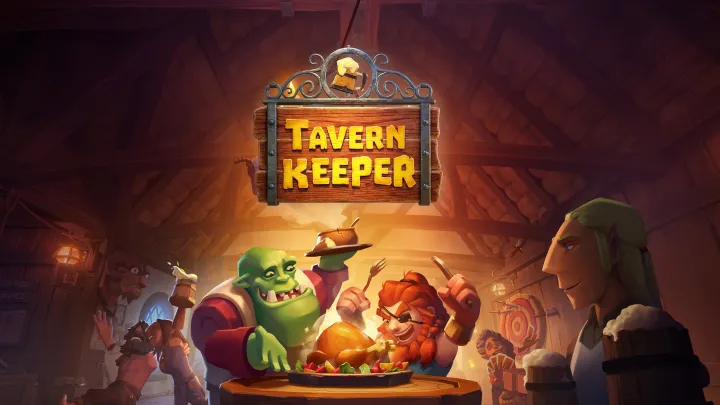
Tavern Keeper- a simulation and management sandbox game (Early Access released on November 4, 2025), developed and published by indie studio Greenheart Games, is a simulation and management game that immerses players in a vibrant fantasy world as a tavern owner. Players design and decorate their taverns, manage staff and customer interactions, and navigate dynamic, sometimes chaotic events. Combining sandbox creativity, deep system interactions, and emergent storytelling, Tavern Keeper transforms the simple act of running a tavern into an unpredictable and endlessly engaging experience. This review explores the game’s mechanics, world, audiovisual design, narrative, and reception among players.
Gameplay Mechanics
Core Gameplay Loop
At its core, Tavern Keeper revolves around building, operating, and responding to a living, interactive system. Players:
Construct and decorate the tavern freely
Serve diverse guests with unique behaviors and needs
Manage staff efficiently to maintain operations
Handle dynamic events such as fires, rowdy patrons, or surprise quests
Unlike prior reviews that described a “resource gathering loop with adventurers,” the core loop here is sandbox management and system interaction, emphasizing emergent chaos and creativity rather than repetitive farming.
Mode-Specific Features
Sandbox Customization: Place items, furniture, and decorations almost anywhere. The tavern can range from cozy and welcoming to chaotic and unpredictable.
Guest Interaction: Guests’ actions are influenced by environment, other guests, and tavern layout.
Staff Management: Assign tasks, train staff, and optimize workflow to meet customer needs.
Dynamic Events: Random occurrences keep gameplay unpredictable, from heroic visitors to environmental hazards.
World & Visuals
Tavern & Environment
Tavern Keeper’s world is vibrant and detailed:
3D stylized, isometric perspective
Interactive tavern elements (furniture, decorations, utilities)
Living ecosystem where guest behavior and environment dynamically influence each other
Change from old review:
Removed “pixel art” reference
Removed “adventurer/resource gathering” mechanics
User Interface
Intuitive menus for layout design and menu management
Real-time feedback for guest satisfaction and staff efficiency
Seamless customization options for maximum creative freedom
Audio Design
Sound Effects
Ambient tavern sounds: chatter, clinking glasses, sizzling food
Interaction sounds: serving drinks, moving furniture, responding to events
Music
Lighthearted, whimsical soundtrack
Dynamic tempo responding to busy or quiet tavern periods
Change from old review: emphasis on subtle immersion rather than generic “gaming sound effects”.
Narrative & Lore
Emergent storytelling arises from guest interactions, random events, and quest completion
Narrative is humorous and charming, highlighting the whimsical and unpredictable tavern life
Lore hints at a larger fantasy world, but story progression depends on sandbox play rather than fixed plot
Change from old review:
Highlighted emergent narrative as core storytelling instead of generic “story-driven quest line”
Removed simplified RPG-like missions
Challenges & Tension
Time management is key: serving guests and managing events efficiently
Guest and environment behaviors can create complex chain reactions, requiring adaptive strategies
Sandbox freedom introduces unpredictable challenges, adding replayability
Technical Execution
Optimized for PC (Steam) with 3D stylized graphics
Controls are intuitive, especially for mouse and keyboard
Minor technical issues possible, typical for indie releases, but core systems are stable
Community Feedback
Players praise sandbox freedom, chaotic emergent gameplay, and creative customization
Criticisms focus on AI behavior (occasionally suboptimal) and limited content variety at early stages
Community excitement grows around updates adding new items, quests, or guest types
Change from old review: community focus shifted from “pixel art aesthetic and resource loops” to sandbox creativity and chaos-driven gameplay
Final Verdict
Tavern Keeper delivers a unique simulation experience:
A sandbox-driven tavern management game
A complex system where guests, staff, and environment interact dynamically
A whimsical and chaotic emergent narrative
If you enjoy creative freedom, deep simulation, and unpredictable gameplay, Tavern Keeper is a must-play.
In short: You are not just running a tavern—you are managing a miniature living world, where chaos and creativity collide.
Get Game Links
All trademarks belong to their respective owners.
Latest Reviews

Gorilla Tag
When Gorilla Tag was first released by developer Another Axiom in early access back in early 2021, few could have predicted the meteoric rise it would enjoy. The concept was almost childishly simple: you play as a gorilla in VR, using only your arms to move, jump, and climb, and the core game mode is… tag. That’s it. No complicated weapon systems. No sprawling maps with scripted events. No ultra-realistic graphics or heavy lore drops. Instead, it’s an unapologetically low-poly, physics-driven playground where movement is the mechanic.And yet, this stripped-down design has transformed Gorilla Tag from an experimental indie project into one of the most popular VR multiplayer games of all time. It’s a case study in how constraints can inspire innovation — and how social interaction, player creativity, and unconventional mechanics can create a phenomenon that defies traditional AAA wisdom.In this review, I’ll dissect Gorilla Tag from the perspective of a games analyst, covering its movement system, game design philosophy, social dynamics, competitive meta, community growth, technical execution, monetization strategy, and the future potential of the title. I’ll also touch on its cultural footprint and what it means for the VR industry as a whole.

Bloody Finger Jump
Is your finger faster then the others? Will your finger crush other enemies? Take up the challenge, compete and check how fast your fingers are. You can be sure that there will be blood...
Grand Theft Auto V
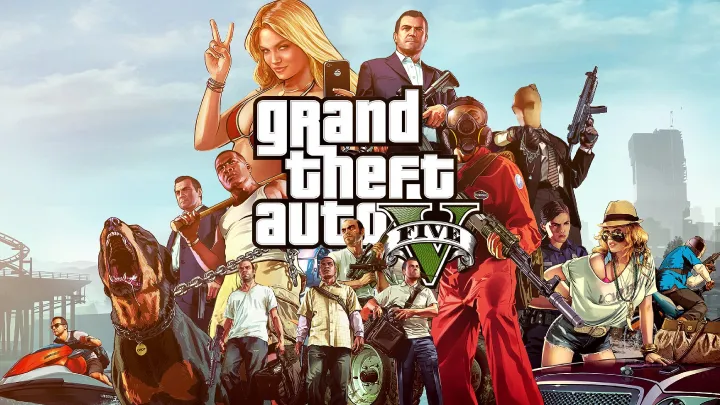
Grand Theft Auto V isn't simply a game; it is an economic, social, and cultural document of the 21st century. Taking the familiar chaotic sandbox of its predecessors, it expands it into a living, breathing world of San Andreas—teeming with meticulous detail and a biting, satirical wit. Whether you are pulled into its high-stakes criminal economy or its deep social simulation, GTA V delivers a profound and unforgettable masterclass in open-world design.

EA SPORTS FC™ 26
EA SPORTS FC™ 26 marks the third installment in the EA Sports FC era and is poised for release in September 2025. Developed by EA Vancouver and EA Romania, the game continues to showcase realism, player expression, and fidelity that fans expect—now with deeper gameplay variety and tactical richness. Covering multiple platforms—from next-gen consoles to PCs and even the new Nintendo Switch 2—FC 26 seeks to refine core mechanics while layering in strategic and narrative depth.
My Voice Zoo
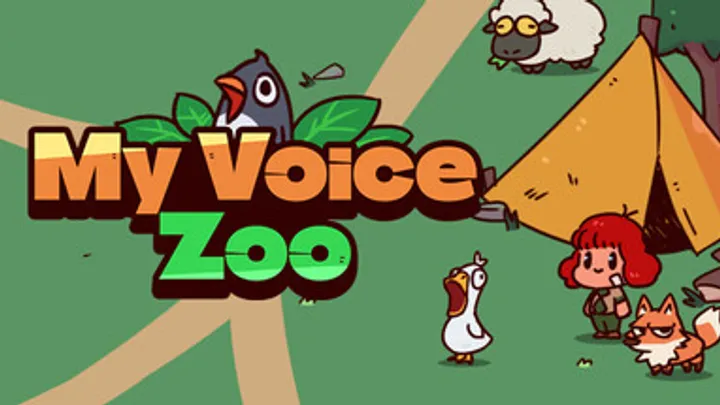
MyVoiceZoo is a voice-focused platform/app designed to help users work with audio and voice-related tasks in a convenient, easy-to-use way. Instead of making everything complicated, MyVoiceZoo typically follows a simple workflow where users can get results faster, adjust key options, and reuse the tool for different voice needs. If you’re searching for a voice tool that feels practical and customization-friendly, MyVoiceZoo is worth considering.