Screenshot













The Legend of Zelda Summary
IntroductionFew franchises in gaming history carry as much cultural and critical weight as The Legend of Zelda. First released in 1986 by Nintendo, the series has consistently reinvented itself across decades while retaining a core identity: exploration, puzzle-solving, and the timeless struggle between Link, Zelda, and Ganon (or Ganondorf). From its humble 8-bit beginnings on the NES to the sweeping open-world mastery of Breath of the Wild and Tears of the Kingdom, Zelda has become synonymous with innovation in game design and emotional storytelling through gameplay rather than words.This review examines the franchise as a whole, with particular focus on its most transformative entries.Core Gameplay DNAExploration: Zelda games thrive on discovery. Whether it’s uncovering a hidden grotto in Ocarina of Time or experimenting with physics in Tears of the Kingdom, exploration is never passive — it’s the heartbeat of the series.Puzzle-Solving: Dungeons and shrines are structured around puzzles that blend logic, timing, and mechanics. Zelda set the gold standard for environmental puzzle design.Combat: Sword-and-shield combat is iconic but evolves with each title, from simple slash mechanics in 2D entries to lock-on targeting and combo systems in 3D.Progression Through Tools: Items like bombs, bows, hookshots, and more recently, the Sheikah Slate and Zonai abilities, serve dual roles — weapons and puzzle keys.Major Evolutionary MilestonesThe Legend of Zelda (1986): Introduced nonlinear exploration, a sense of adventure previously unseen in home consoles.A Link to the Past (1991): Defined the blueprint — overworld + dungeons, dual worlds (Light/Dark), and deeper narrative structure.Ocarina of Time (1998): Revolutionized 3D adventure gaming with Z-targeting combat, cinematic storytelling, and immersive world-building. Often hailed as one of the greatest games ever made.Wind Waker (2002): Initially divisive due to cel-shaded visuals, but later praised for its timeless art direction and bold ocean-based exploration.Breath of the Wild (2017): A complete reinvention. Open-world freedom, systemic gameplay, and physics-driven puzzles transformed Zelda into the template for modern exploration games.Tears of the Kingdom (2023): Expanded BOTW’s systems with sky islands, underground exploration, and Ultrahand crafting mechanics — arguably the most player-driven sandbox design Nintendo has ever built.Narrative & ThemesEternal Cycle: Each game revisits the struggle between courage (Link), wisdom (Zelda), and power (Ganon). This mythological loop gives the franchise both familiarity and flexibility.Silent Protagonist, Loud World: Link rarely speaks, yet Zelda’s storytelling shines through environmental design, music, and symbolism rather than exposition-heavy dialogue.Emotional Resonance: From the tragedy of Majora’s Mask to the serenity of Breath of the Wild, Zelda often explores existential themes beneath its adventurous exterior.Art & PresentationDistinctive Styles: Zelda rarely sticks to one art style — pixel art (Link’s Awakening), painterly cel-shading (Wind Waker), dark realism (Twilight Princess), and stylized semi-realism (BOTW). Each reflects its era and theme.Music as Identity: From Koji Kondo’s unforgettable Overworld Theme to BOTW’s minimalist piano, Zelda’s music is inseparable from its emotional impact.Cultural Iconography: The Triforce, Master Sword, and Hyrule Castle are among the most recognizable symbols in gaming.StrengthsConsistent Innovation: Each major entry redefines adventure game design.Cultural Longevity: Nearly 40 years of critical acclaim and fan devotion.Systemic Freedom (BOTW/TOTK): Player creativity defines the experience.Narrative Archetypes: Mythic storytelling accessible across generations.Art & Music: Timeless presentation ensures entries never feel dated.WeaknessesFormula Fatigue: Pre-BOTW titles sometimes felt too rigid with “go to dungeon → get item → beat boss” loops.Accessibility vs Challenge: Some puzzle designs may frustrate newcomers.Narrative Ambiguity: The timeline lore can be confusing and inconsistent.Hardware Constraints: Certain ambitious ideas (like Skyward Sword’s motion controls) were limited by Nintendo’s hardware.Community & Cultural ImpactSpeedrunning: Zelda games are central to the speedrunning community, with players breaking sequences and exploiting physics in endlessly creative ways.Fan Creations: From mods to fan art, Zelda inspires one of the most active creative communities in gaming.Influence: Entire genres owe debts to Zelda, from action-adventure titles to open-world exploration (e.g., Elden Ring, Horizon, Genshin Impact).Esports & Legacy: While not competitive in the esports sense, Zelda thrives as a single-player mastery experience that drives viral clips and cultural moments.Final VerdictThe Legend of Zelda is more than a franchise — it is a blueprint for adventure gaming itself. Across nearly four decades, it has managed to stay relevant by embracing innovation while never losing sight of its mythological roots. From the groundbreaking Ocarina of Time to the freedom of Breath of the Wild, Zelda has continually raised the standard for what video games can achieve in world-building, storytelling, and interactivity.
Rating
Introduction
Few franchises in gaming history carry as much cultural and critical weight as The Legend of Zelda. First released in 1986 by Nintendo, the series has consistently reinvented itself across decades while retaining a core identity: exploration, puzzle-solving, and the timeless struggle between Link, Zelda, and Ganon (or Ganondorf). From its humble 8-bit beginnings on the NES to the sweeping open-world mastery of Breath of the Wild and Tears of the Kingdom, Zelda has become synonymous with innovation in game design and emotional storytelling through gameplay rather than words.
This review examines the franchise as a whole, with particular focus on its most transformative entries.
Core Gameplay DNA
- Exploration: Zelda games thrive on discovery. Whether it’s uncovering a hidden grotto in Ocarina of Time or experimenting with physics in Tears of the Kingdom, exploration is never passive — it’s the heartbeat of the series.
- Puzzle-Solving: Dungeons and shrines are structured around puzzles that blend logic, timing, and mechanics. Zelda set the gold standard for environmental puzzle design.
- Combat: Sword-and-shield combat is iconic but evolves with each title, from simple slash mechanics in 2D entries to lock-on targeting and combo systems in 3D.
- Progression Through Tools: Items like bombs, bows, hookshots, and more recently, the Sheikah Slate and Zonai abilities, serve dual roles — weapons and puzzle keys.
Major Evolutionary Milestones
- The Legend of Zelda (1986): Introduced nonlinear exploration, a sense of adventure previously unseen in home consoles.
- A Link to the Past (1991): Defined the blueprint — overworld + dungeons, dual worlds (Light/Dark), and deeper narrative structure.
- Ocarina of Time (1998): Revolutionized 3D adventure gaming with Z-targeting combat, cinematic storytelling, and immersive world-building. Often hailed as one of the greatest games ever made.
- Wind Waker (2002): Initially divisive due to cel-shaded visuals, but later praised for its timeless art direction and bold ocean-based exploration.
- Breath of the Wild (2017): A complete reinvention. Open-world freedom, systemic gameplay, and physics-driven puzzles transformed Zelda into the template for modern exploration games.
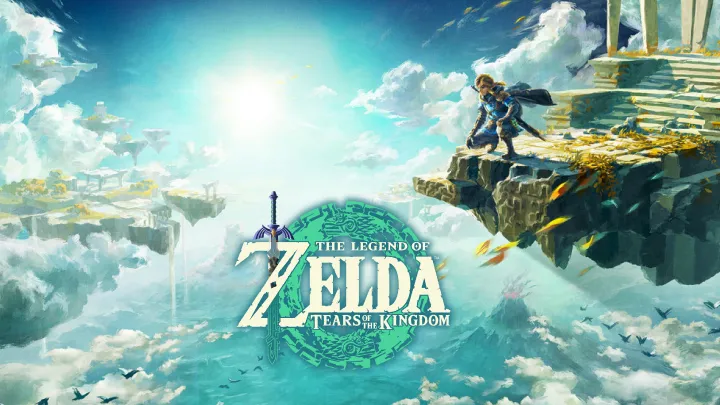
- Tears of the Kingdom (2023): Expanded BOTW’s systems with sky islands, underground exploration, and Ultrahand crafting mechanics — arguably the most player-driven sandbox design Nintendo has ever built.
Narrative & Themes
- Eternal Cycle: Each game revisits the struggle between courage (Link), wisdom (Zelda), and power (Ganon). This mythological loop gives the franchise both familiarity and flexibility.
- Silent Protagonist, Loud World: Link rarely speaks, yet Zelda’s storytelling shines through environmental design, music, and symbolism rather than exposition-heavy dialogue.
- Emotional Resonance: From the tragedy of Majora’s Mask to the serenity of Breath of the Wild, Zelda often explores existential themes beneath its adventurous exterior.
Art & Presentation
- Distinctive Styles: Zelda rarely sticks to one art style — pixel art (Link’s Awakening), painterly cel-shading (Wind Waker), dark realism (Twilight Princess), and stylized semi-realism (BOTW). Each reflects its era and theme.
- Music as Identity: From Koji Kondo’s unforgettable Overworld Theme to BOTW’s minimalist piano, Zelda’s music is inseparable from its emotional impact.
- Cultural Iconography: The Triforce, Master Sword, and Hyrule Castle are among the most recognizable symbols in gaming.
Strengths
- Consistent Innovation: Each major entry redefines adventure game design.
- Cultural Longevity: Nearly 40 years of critical acclaim and fan devotion.
- Systemic Freedom (BOTW/TOTK): Player creativity defines the experience.
- Narrative Archetypes: Mythic storytelling accessible across generations.
- Art & Music: Timeless presentation ensures entries never feel dated.
Weaknesses
- Formula Fatigue: Pre-BOTW titles sometimes felt too rigid with “go to dungeon → get item → beat boss” loops.
- Accessibility vs Challenge: Some puzzle designs may frustrate newcomers.
- Narrative Ambiguity: The timeline lore can be confusing and inconsistent.
- Hardware Constraints: Certain ambitious ideas (like Skyward Sword’s motion controls) were limited by Nintendo’s hardware.
Community & Cultural Impact
- Speedrunning: Zelda games are central to the speedrunning community, with players breaking sequences and exploiting physics in endlessly creative ways.
- Fan Creations: From mods to fan art, Zelda inspires one of the most active creative communities in gaming.
- Influence: Entire genres owe debts to Zelda, from action-adventure titles to open-world exploration (e.g., Elden Ring, Horizon, Genshin Impact).
- Esports & Legacy: While not competitive in the esports sense, Zelda thrives as a single-player mastery experience that drives viral clips and cultural moments.
Final Verdict
The Legend of Zelda is more than a franchise — it is a blueprint for adventure gaming itself. Across nearly four decades, it has managed to stay relevant by embracing innovation while never losing sight of its mythological roots. From the groundbreaking Ocarina of Time to the freedom of Breath of the Wild, Zelda has continually raised the standard for what video games can achieve in world-building, storytelling, and interactivity.
Get Game Links
All trademarks belong to their respective owners.
Latest Reviews
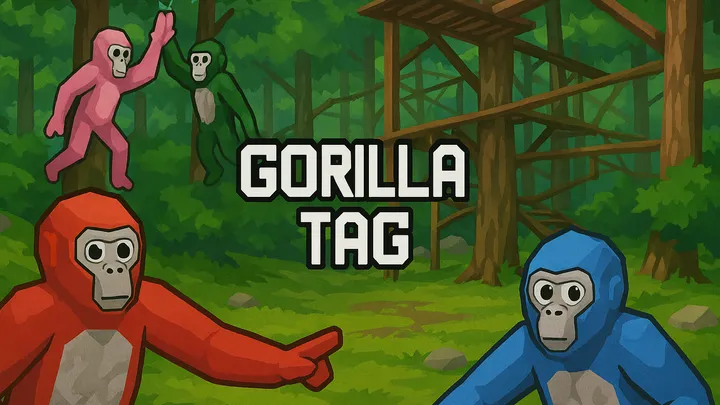
Gorilla Tag
When Gorilla Tag was first released by developer Another Axiom in early access back in early 2021, few could have predicted the meteoric rise it would enjoy. The concept was almost childishly simple: you play as a gorilla in VR, using only your arms to move, jump, and climb, and the core game mode is… tag. That’s it. No complicated weapon systems. No sprawling maps with scripted events. No ultra-realistic graphics or heavy lore drops. Instead, it’s an unapologetically low-poly, physics-driven playground where movement is the mechanic.And yet, this stripped-down design has transformed Gorilla Tag from an experimental indie project into one of the most popular VR multiplayer games of all time. It’s a case study in how constraints can inspire innovation — and how social interaction, player creativity, and unconventional mechanics can create a phenomenon that defies traditional AAA wisdom.In this review, I’ll dissect Gorilla Tag from the perspective of a games analyst, covering its movement system, game design philosophy, social dynamics, competitive meta, community growth, technical execution, monetization strategy, and the future potential of the title. I’ll also touch on its cultural footprint and what it means for the VR industry as a whole.

Bloody Finger Jump
Is your finger faster then the others? Will your finger crush other enemies? Take up the challenge, compete and check how fast your fingers are. You can be sure that there will be blood...
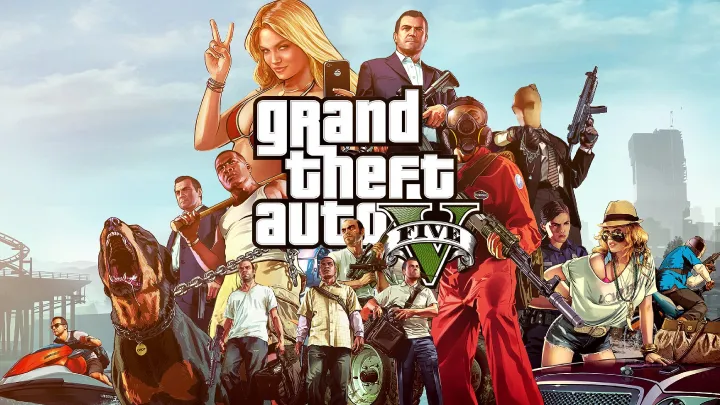
Grand Theft Auto V
Grand Theft Auto V isn't simply a game; it is an economic, social, and cultural document of the 21st century. Taking the familiar chaotic sandbox of its predecessors, it expands it into a living, breathing world of San Andreas—teeming with meticulous detail and a biting, satirical wit. Whether you are pulled into its high-stakes criminal economy or its deep social simulation, GTA V delivers a profound and unforgettable masterclass in open-world design.
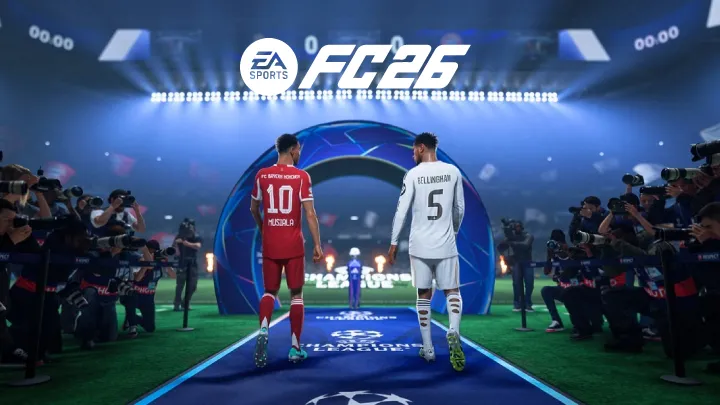
EA SPORTS FC™ 26
EA SPORTS FC™ 26 marks the third installment in the EA Sports FC era and is poised for release in September 2025. Developed by EA Vancouver and EA Romania, the game continues to showcase realism, player expression, and fidelity that fans expect—now with deeper gameplay variety and tactical richness. Covering multiple platforms—from next-gen consoles to PCs and even the new Nintendo Switch 2—FC 26 seeks to refine core mechanics while layering in strategic and narrative depth.
My Voice Zoo
MyVoiceZoo is a voice-focused platform/app designed to help users work with audio and voice-related tasks in a convenient, easy-to-use way. Instead of making everything complicated, MyVoiceZoo typically follows a simple workflow where users can get results faster, adjust key options, and reuse the tool for different voice needs. If you’re searching for a voice tool that feels practical and customization-friendly, MyVoiceZoo is worth considering.