Screenshot









































The Wandering Village Summary
IntroductionThe Wandering Village is an innovative simulation and city-building game developed by Stray Fawn Studio. Set in a post-apocalyptic world overrun by spores, the game introduces a unique twist on the genre by allowing players to build their settlements on the back of a giant wandering creature named "ONBU." This concept not only provides a fresh perspective on city-building mechanics but also challenges players to navigate the complexities of symbiosis, sustainability, and survival.In this review, we will delve into the gameplay mechanics, visual and audio design, narrative depth, community engagement, and the strengths and weaknesses of The Wandering Village.Concept and Gameplay MechanicsCore Gameplay LoopAt its core, The Wandering Village revolves around the idea of establishing a thriving community while maintaining the health of ONBU, your giant mobile partner. Players must balance resource management, building, and exploration to create a sustainable settlement.Settlement Building:Players begin by placing structures on ONBU's back, choosing from various building types such as homes, farms, and workshops. Each building serves a specific purpose and contributes to the overall welfare of the settlement.The placement of buildings is strategic, as the architecture must consider how people interact with ONBU's movement and the availability of resources.Resource Management:Gathering resources is vital for survival. Players need to manage food, materials, and other resources while keeping the population of settlers satisfied and healthy.As the settlement grows, resource demands increase. Players must develop efficient systems for harvesting and storing materials, ensuring they can withstand the challenges of their environment.Symbiotic Relationship with ONBU:ONBU is not just a mobile platform; it is a living creature that requires care and attention. Players must monitor its health, hunger, and overall well-being.Certain actions can either benefit or harm ONBU. For instance, overharvesting resources can lead to ill effects on its health, which in turn impacts the player’s settlement.Exploration and Adaptation:Players are encouraged to send scouts to explore the surrounding areas, gathering resources and uncovering secrets that can aid in their survival.The environment is dynamic, filled with spores and obstacles that demand careful navigation. Players must adapt their strategies to changing conditions, such as weather and terrain.Unique FeaturesNomadic Lifestyle:The game’s premise of establishing a settlement on a moving creature introduces a unique nomadic aspect, where players must adapt to an ever-changing environment rather than being rooted to a single location.Event-driven Gameplay:Random events and challenges occur throughout gameplay, such as adverse weather conditions or sickness outbreaks, forcing players to make quick decisions that will impact their settlement.Research and Development:The game features a research system, enabling players to unlock new technologies and upgrade their buildings. This progression system encourages players to continually strive for improvement and adaptation.Visuals and Art StyleGraphicsThe Wandering Village boasts a charming and unique art style that sets it apart from other games in the genre:Stylized Aesthetics:The game features a colorful, hand-drawn aesthetic that creates a whimsical atmosphere. The art direction contributes to the immersion, allowing players to feel connected to the world and its characters.Dynamic Environments:The landscapes are beautifully rendered, showcasing a variety of biomes that players can explore. From lush forests to barren wastelands, each area presents unique resources and challenges.Character Design:Settlers and creatures are designed with a whimsical flair, enhancing the overall tone of the game. Their animations are smooth, contributing to the lively atmosphere.User ExperienceThe user interface is intuitive, with menus and controls that are easy to navigate. Information is presented clearly, allowing players to focus on building their settlements without feeling overwhelmed by complexity.Audio DesignSoundtrack and EffectsThe audio experience in The Wandering Village enhances immersion and emotional engagement:Soothing Soundtrack:The game features a calming soundtrack that complements the gameplay, creating a peaceful atmosphere ideal for exploration and building.Ambient Sound Effects:Environmental sounds, such as rustling leaves and distant animal calls, add a layer of realism and immersiveness, helping to create a living world.Character Sounds:The settlers produce various sounds that reflect their activities, from working to expressing satisfaction or dissatisfaction, adding depth to the simulation.Narrative DepthStoryline and ThemesWhile The Wandering Village is primarily focused on gameplay mechanics, it explores meaningful themes related to survival and coexistence:Symbiosis and Coexistence:The relationship between the settlers and ONBU emphasizes themes of cooperation and reliance on one another for survival, highlighting the importance of balance in nature.Environmental Challenges:The spores and post-apocalyptic setting reflect contemporary environmental issues, encouraging players to think critically about sustainability and the impact of their actions.Character DevelopmentAlthough the game does not center around character-driven narratives, the settlers have distinct personalities and needs, contributing to the overall depth and engagement of the experience. Players become invested in their well-being and progress.Community AspectsOnline FeaturesThe Wandering Village fosters community engagement in several ways:Sharing Experiences:Players often share their settlements, strategies, and tips online, creating a vibrant community of enthusiasts who can learn from each other.Developer Interaction:The developers actively engage with the community through social media and forums, responding to feedback and sharing updates, which cultivates a loyal player base.Community-Generated ContentPlayers may create and share mods or custom scenarios, enhancing the game’s longevity and allowing for individualized experiences that extend beyond the developers’ original scope.Strengths and WeaknessesStrengthsUnique Gameplay Concept: The idea of building a settlement on a mobile creature combines the city-building genre with adventure and exploration.Visual and Aesthetic Appeal: The charming art style and vibrant environments create an engaging and inviting atmosphere.Dynamic Resource Management: Players must balance various resource demands while managing ONBU’s health, adding depth to gameplay.Engaging Themes: Themes of symbiosis and environmental sustainability encourage players to think critically about their choices.Active Community Engagement: The developers’ responsiveness and the active player community enhance the overall experience.WeaknessesComplex Resource Management: New players may find the resource management system challenging, especially when balancing ONBU’s health and the settlement’s needs.Pacing Issues: Some players might find progress slow, particularly when waiting for resources to be harvested or buildings to be constructed.Limited Narrative Depth: While the themes are meaningful, the game lacks a strong narrative focus, which may deter players seeking a more story-driven experience.Potential for Repetition: Tasks may become repetitive over time, especially in extended play sessions, which could impact long-term engagement.Technical Issues: Some players may encounter bugs or performance problems, particularly in early access stages.Future ProspectsUpdates and ExpansionsThe developers have expressed intentions to expand the game with additional content, such as new biomes, creatures, and technologies. These updates can enrich the gameplay experience and provide fresh challenges for players.Community FeaturesFurther integration of community-generated content, such as player-created scenarios or cooperative events, could enhance player engagement and allow for a diverse range of experiences.Enhanced Narrative ElementsFuture updates might introduce more elaborate story arcs or character development options, appealing to players who desire a stronger narrative involvement.ConclusionThe Wandering Village successfully reimagines the city-building genre by combining exploration and resource management with unique gameplay mechanics centered around a moving creature. The innovative concept, charming visuals, and engaging themes create a compelling experience for players.Final ThoughtsIn summary, The Wandering Village is a delightful game that invites players to balance survival, exploration, and coexistence in a whimsical world. While it may present challenges in resource management and pacing, its strengths in artistic design, community engagement, and thematic depth make it a noteworthy entry in simulation gaming. For those seeking a fresh and immersive experience that encourages creativity and critical thinking, The Wandering Village is a journey worth embarking upon—so gather your resources, nurture your relationship with ONBU, and explore the wonders of an ever-changing world!
Rating
Introduction
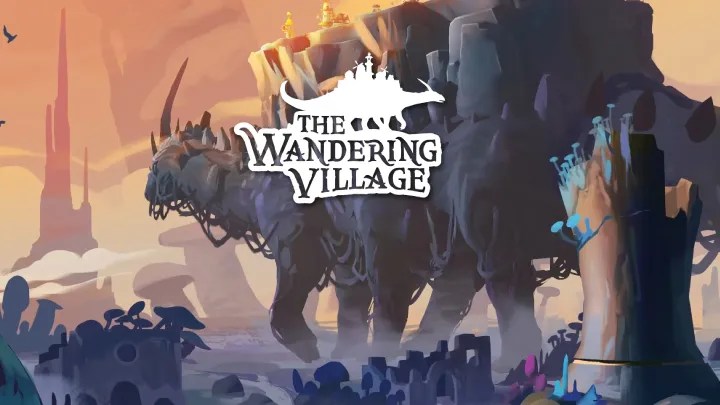
The Wandering Village is an innovative simulation and city-building game developed by Stray Fawn Studio. Set in a post-apocalyptic world overrun by spores, the game introduces a unique twist on the genre by allowing players to build their settlements on the back of a giant wandering creature named "ONBU." This concept not only provides a fresh perspective on city-building mechanics but also challenges players to navigate the complexities of symbiosis, sustainability, and survival.
In this review, we will delve into the gameplay mechanics, visual and audio design, narrative depth, community engagement, and the strengths and weaknesses of The Wandering Village.
Concept and Gameplay Mechanics
Core Gameplay Loop
At its core, The Wandering Village revolves around the idea of establishing a thriving community while maintaining the health of ONBU, your giant mobile partner. Players must balance resource management, building, and exploration to create a sustainable settlement.
- Settlement Building:
- Players begin by placing structures on ONBU's back, choosing from various building types such as homes, farms, and workshops. Each building serves a specific purpose and contributes to the overall welfare of the settlement.
- The placement of buildings is strategic, as the architecture must consider how people interact with ONBU's movement and the availability of resources.
- Resource Management:
- Gathering resources is vital for survival. Players need to manage food, materials, and other resources while keeping the population of settlers satisfied and healthy.
- As the settlement grows, resource demands increase. Players must develop efficient systems for harvesting and storing materials, ensuring they can withstand the challenges of their environment.
- Symbiotic Relationship with ONBU:
- ONBU is not just a mobile platform; it is a living creature that requires care and attention. Players must monitor its health, hunger, and overall well-being.
- Certain actions can either benefit or harm ONBU. For instance, overharvesting resources can lead to ill effects on its health, which in turn impacts the player’s settlement.
- Exploration and Adaptation:
- Players are encouraged to send scouts to explore the surrounding areas, gathering resources and uncovering secrets that can aid in their survival.
- The environment is dynamic, filled with spores and obstacles that demand careful navigation. Players must adapt their strategies to changing conditions, such as weather and terrain.
Unique Features
- Nomadic Lifestyle:
- The game’s premise of establishing a settlement on a moving creature introduces a unique nomadic aspect, where players must adapt to an ever-changing environment rather than being rooted to a single location.
- Event-driven Gameplay:
- Random events and challenges occur throughout gameplay, such as adverse weather conditions or sickness outbreaks, forcing players to make quick decisions that will impact their settlement.
- Research and Development:
- The game features a research system, enabling players to unlock new technologies and upgrade their buildings. This progression system encourages players to continually strive for improvement and adaptation.
Visuals and Art Style
Graphics
The Wandering Village boasts a charming and unique art style that sets it apart from other games in the genre:
- Stylized Aesthetics:
- The game features a colorful, hand-drawn aesthetic that creates a whimsical atmosphere. The art direction contributes to the immersion, allowing players to feel connected to the world and its characters.
- Dynamic Environments:
- The landscapes are beautifully rendered, showcasing a variety of biomes that players can explore. From lush forests to barren wastelands, each area presents unique resources and challenges.
- Character Design:
- Settlers and creatures are designed with a whimsical flair, enhancing the overall tone of the game. Their animations are smooth, contributing to the lively atmosphere.
User Experience
The user interface is intuitive, with menus and controls that are easy to navigate. Information is presented clearly, allowing players to focus on building their settlements without feeling overwhelmed by complexity.
Audio Design
Soundtrack and Effects
The audio experience in The Wandering Village enhances immersion and emotional engagement:
- Soothing Soundtrack:
- The game features a calming soundtrack that complements the gameplay, creating a peaceful atmosphere ideal for exploration and building.
- Ambient Sound Effects:
- Environmental sounds, such as rustling leaves and distant animal calls, add a layer of realism and immersiveness, helping to create a living world.
- Character Sounds:
- The settlers produce various sounds that reflect their activities, from working to expressing satisfaction or dissatisfaction, adding depth to the simulation.
Narrative Depth
Storyline and Themes
While The Wandering Village is primarily focused on gameplay mechanics, it explores meaningful themes related to survival and coexistence:
- Symbiosis and Coexistence:
- The relationship between the settlers and ONBU emphasizes themes of cooperation and reliance on one another for survival, highlighting the importance of balance in nature.
- Environmental Challenges:
- The spores and post-apocalyptic setting reflect contemporary environmental issues, encouraging players to think critically about sustainability and the impact of their actions.
Character Development
Although the game does not center around character-driven narratives, the settlers have distinct personalities and needs, contributing to the overall depth and engagement of the experience. Players become invested in their well-being and progress.
Community Aspects
Online Features
The Wandering Village fosters community engagement in several ways:
- Sharing Experiences:
- Players often share their settlements, strategies, and tips online, creating a vibrant community of enthusiasts who can learn from each other.
- Developer Interaction:
- The developers actively engage with the community through social media and forums, responding to feedback and sharing updates, which cultivates a loyal player base.
Community-Generated Content
Players may create and share mods or custom scenarios, enhancing the game’s longevity and allowing for individualized experiences that extend beyond the developers’ original scope.
Strengths and Weaknesses
Strengths
- Unique Gameplay Concept: The idea of building a settlement on a mobile creature combines the city-building genre with adventure and exploration.
- Visual and Aesthetic Appeal: The charming art style and vibrant environments create an engaging and inviting atmosphere.
- Dynamic Resource Management: Players must balance various resource demands while managing ONBU’s health, adding depth to gameplay.
- Engaging Themes: Themes of symbiosis and environmental sustainability encourage players to think critically about their choices.
- Active Community Engagement: The developers’ responsiveness and the active player community enhance the overall experience.
Weaknesses
- Complex Resource Management: New players may find the resource management system challenging, especially when balancing ONBU’s health and the settlement’s needs.
- Pacing Issues: Some players might find progress slow, particularly when waiting for resources to be harvested or buildings to be constructed.
- Limited Narrative Depth: While the themes are meaningful, the game lacks a strong narrative focus, which may deter players seeking a more story-driven experience.
- Potential for Repetition: Tasks may become repetitive over time, especially in extended play sessions, which could impact long-term engagement.
- Technical Issues: Some players may encounter bugs or performance problems, particularly in early access stages.
Future Prospects
Updates and Expansions
The developers have expressed intentions to expand the game with additional content, such as new biomes, creatures, and technologies. These updates can enrich the gameplay experience and provide fresh challenges for players.
Community Features
Further integration of community-generated content, such as player-created scenarios or cooperative events, could enhance player engagement and allow for a diverse range of experiences.
Enhanced Narrative Elements
Future updates might introduce more elaborate story arcs or character development options, appealing to players who desire a stronger narrative involvement.
Conclusion
The Wandering Village successfully reimagines the city-building genre by combining exploration and resource management with unique gameplay mechanics centered around a moving creature. The innovative concept, charming visuals, and engaging themes create a compelling experience for players.
Final Thoughts
In summary, The Wandering Village is a delightful game that invites players to balance survival, exploration, and coexistence in a whimsical world. While it may present challenges in resource management and pacing, its strengths in artistic design, community engagement, and thematic depth make it a noteworthy entry in simulation gaming. For those seeking a fresh and immersive experience that encourages creativity and critical thinking, The Wandering Village is a journey worth embarking upon—so gather your resources, nurture your relationship with ONBU, and explore the wonders of an ever-changing world!
Get Game Links
All trademarks belong to their respective owners.
Latest Reviews

Gorilla Tag
When Gorilla Tag was first released by developer Another Axiom in early access back in early 2021, few could have predicted the meteoric rise it would enjoy. The concept was almost childishly simple: you play as a gorilla in VR, using only your arms to move, jump, and climb, and the core game mode is… tag. That’s it. No complicated weapon systems. No sprawling maps with scripted events. No ultra-realistic graphics or heavy lore drops. Instead, it’s an unapologetically low-poly, physics-driven playground where movement is the mechanic.And yet, this stripped-down design has transformed Gorilla Tag from an experimental indie project into one of the most popular VR multiplayer games of all time. It’s a case study in how constraints can inspire innovation — and how social interaction, player creativity, and unconventional mechanics can create a phenomenon that defies traditional AAA wisdom.In this review, I’ll dissect Gorilla Tag from the perspective of a games analyst, covering its movement system, game design philosophy, social dynamics, competitive meta, community growth, technical execution, monetization strategy, and the future potential of the title. I’ll also touch on its cultural footprint and what it means for the VR industry as a whole.

Bloody Finger Jump
Is your finger faster then the others? Will your finger crush other enemies? Take up the challenge, compete and check how fast your fingers are. You can be sure that there will be blood...
Grand Theft Auto V
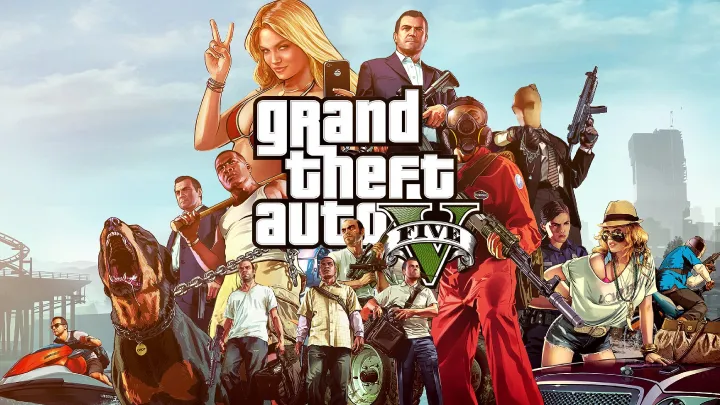
Grand Theft Auto V isn't simply a game; it is an economic, social, and cultural document of the 21st century. Taking the familiar chaotic sandbox of its predecessors, it expands it into a living, breathing world of San Andreas—teeming with meticulous detail and a biting, satirical wit. Whether you are pulled into its high-stakes criminal economy or its deep social simulation, GTA V delivers a profound and unforgettable masterclass in open-world design.

EA SPORTS FC™ 26
EA SPORTS FC™ 26 marks the third installment in the EA Sports FC era and is poised for release in September 2025. Developed by EA Vancouver and EA Romania, the game continues to showcase realism, player expression, and fidelity that fans expect—now with deeper gameplay variety and tactical richness. Covering multiple platforms—from next-gen consoles to PCs and even the new Nintendo Switch 2—FC 26 seeks to refine core mechanics while layering in strategic and narrative depth.
My Voice Zoo
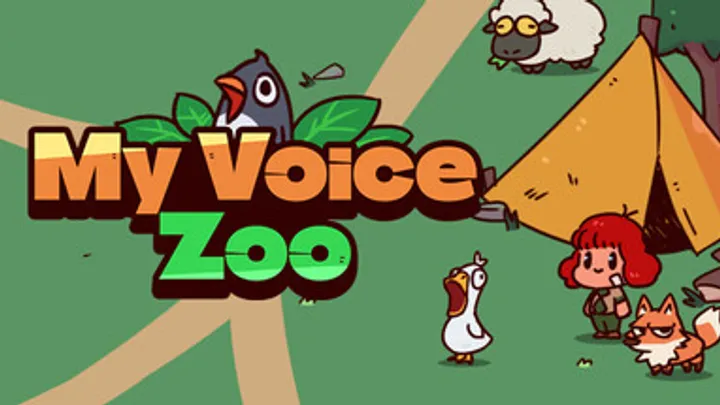
MyVoiceZoo is a voice-focused platform/app designed to help users work with audio and voice-related tasks in a convenient, easy-to-use way. Instead of making everything complicated, MyVoiceZoo typically follows a simple workflow where users can get results faster, adjust key options, and reuse the tool for different voice needs. If you’re searching for a voice tool that feels practical and customization-friendly, MyVoiceZoo is worth considering.