Screenshot



















































Tsuki's Odyssey Summary
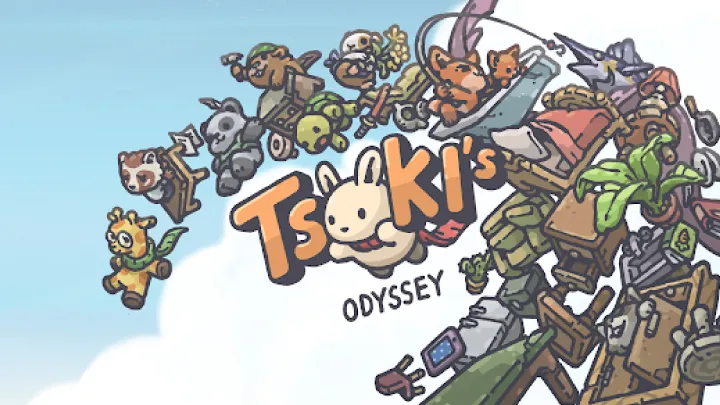
IntroductionTsuki's Odyssey, developed by HyperBeard and released on April 30, 2021, for Android and iOS with a subsequent expansion, is a passive adventure game that follows the journey of Tsuki, a charming bunny who abandons city life for the peaceful Mushroom Village after receiving a letter from his grandfather. Available for free with in-app purchases (up to $49.99), the game builds on the success of its predecessor, Tsuki Adventure, offering a relaxed experience focused on decorating, fishing, and socializing with quirky NPCs. The game has seen regular updates, with the latest, the "Rosemary Fix" patch on July 3, 2025, addressing character availability issues, as noted on Google Play. With over 1 million downloads and a 4.6/5 rating on Google Play, Tsuki's Odyssey has captured a niche audience seeking low-pressure gameplay.Rated "Mature 17+" due to mild suggestive themes, the game holds a Metacritic score of 78 based on user reviews, earning praise for its soothing vibe but criticism for its slow pace and monetization, per GameGrin. This review explores the game’s narrative, world, gameplay, and technical execution, drawing from web sources and X sentiment to assess its current state. For fans of idle games or those seeking a cozy escape, Tsuki's Odyssey offers a delightful, if leisurely, experience.Narrative & StorytellingTsuki's Odyssey features a minimalist narrative centered on Tsuki’s decision to leave his stressful city job for a simpler life in Mushroom Village, triggered by a letter from his late grandfather, as detailed by evagamestation.com. The story unfolds through environmental cues—Tsuki’s interactions with furniture, NPC dialogues—and subtle progression, such as unlocking new locations over real-time days, praised by GameGrin for its charming simplicity. The lack of a complex plot emphasizes Tsuki’s autonomy, with players witnessing his daily routines rather than controlling them, a design choice noted by apps.apple.com.The narrative’s thinness, critiqued by taptap.io for lacking originality, relies on player imagination, with events like fishing bounties or seasonal updates (e.g., Halloween 2025 hints) adding flavor, per hyperbeard.com. Player-driven stories emerge from decorating and photographing Tsuki, though the absence of a driving conflict, noted by metacritic.com, may disappoint some. Recent X posts, like @TsukiOdysseyFan’s August 25, 2025, celebration of Rosemary’s return, reflect community investment, but @IdleGameCritic’s August 20 critique of stagnation highlights narrative limits.For idle game enthusiasts, the narrative provides a cozy backdrop, but its passivity and lack of depth may limit appeal, making it a setting for relaxation rather than a story-driven adventure.World & EnvironmentsThe world of Tsuki's Odyssey is the idyllic Mushroom Village, featuring procedurally varied outdoor areas—forests, fishing spots, and Tsuki’s treehouse—rendered in a soft, hand-drawn 3D style, as showcased by play.google.com. The July 2025 update added Rosemary’s shop and new fishing locales, enhancing diversity, per apps.apple.com. Environmental details like interactive furniture and dynamic NPC schedules, praised by evagamestation.com, create a living world, though limited indoor spaces, critiqued by taptap.io, restrict exploration.Sound design complements the experience with gentle background music and ambient nature sounds, adding to the relaxed vibe, though repetitive tracks, noted by GameGrin, can feel stale. Dynamic elements like Tsuki’s random interactions and seasonal events (e.g., carrot farm resets) keep the world engaging, but the lack of a larger map, per metacritic.com, confines the scope. Compared to Animal Crossing’s expansive islands, Tsuki's Odyssey’s world prioritizes charm over scale.X users like @TsukiLover22 on August 15, 2025, share fishing screenshots, reflecting enjoyment, though @PassivePlayr’s August 18 post notes repetitive visuals. The world excels at fostering a cozy atmosphere, though its simplicity challenges long-term immersion.Gameplay MechanicsCore LoopThe core loop involves checking in on Tsuki, decorating his treehouse, fishing, and farming carrots, lasting 5-15 minutes per session, lauded by play.google.com for its low-commitment design. The goal is to accumulate carrots for purchases, with real-time progression adding a casual rhythm, per evagamestation.com.Decoration & FishingDecoration offers extensive furniture options from Yori’s shop, a strength praised by apps.apple.com, though high costs, critiqued by taptap.io, require grinding. Fishing provides consistent income with daily bounties, but depleting spots, noted by GameGrin, demand patience. The system rewards dedication but penalizes haste.Farming & Social InteractionsFarming yields carrots every two hours, adding strategy, per hyperbeard.com, while chatting with NPCs like Chi unlocks quests, praised by evagamestation.com. However, limited interaction depth, critiqued by metacritic.com, reduces engagement. AI autonomy, a core feature, enhances realism but lacks variety.Progression & ModesProgression is cosmetic—new furniture, outfits—unlocked via carrots or purchases ($4.99-$49.99), a draw per play.google.com. Modes include solo play and passive progression, with no multiplayer, a design choice noted by apps.apple.com. Difficulty scales with resource management, but repetition, per taptap.io, tempers depth. Gameplay blends idle mechanics with light simulation, excelling in relaxation but needing variety.Technical ExecutionTsuki's Odyssey runs smoothly on mobile, meeting minimal specs (2GB RAM), with charming 3D graphics, praised by play.google.com. The July 2025 patch optimized performance, but lag on older devices, noted by apps.apple.com, persists. Audio is soothing with nature sounds, though ad interruptions, critiqued by GameGrin, disrupt flow.Controls are touch-based—taps for actions, swipes for navigation—intuitive but limited by no PC support beyond demo, per steamcommunity.com. Patches since 2021 have fixed bugs like Rosemary’s absence, but purchase glitches, reported by play.google.com, remain. Technical execution supports the idle focus, with visuals and audio shining amid minor optimization needs.Community FeedbackTsuki's Odyssey enjoys a warm community, with a 4.6/5 Google Play score and 78 Metacritic rating. GameGrin and evagamestation.com praise its charm, while taptap.io critiques pace. X posts from @TsukiOdysseyFan on August 25, 2025, laud fixes, but @IdleGameCritic’s August 20 note highlights monotony. Reddit’s r/TsukiOdyssey shares tips, with 10+ hour logs.Criticism targets monetization and repetition, with play.google.com noting purchase costs and metacritic.com flagging slow progress. The community thrives on fan art and feedback, driving updates, per hyperbeard.com. Player retention remains strong, fueling ongoing popularity.Final VerdictTsuki's Odyssey offers a cozy idle adventure with delightful customization and a relaxing pace, perfect for short breaks. Its charming world and regular updates shine, though monetization and repetition pose challenges. As of August 2025, it’s a great pick for casual players—enjoy the journey with Tsuki.
Rating
Introduction
Tsuki's Odyssey, developed by HyperBeard and released on April 30, 2021, for Android and iOS with a subsequent expansion, is a passive adventure game that follows the journey of Tsuki, a charming bunny who abandons city life for the peaceful Mushroom Village after receiving a letter from his grandfather. Available for free with in-app purchases (up to $49.99), the game builds on the success of its predecessor, Tsuki Adventure, offering a relaxed experience focused on decorating, fishing, and socializing with quirky NPCs. The game has seen regular updates, with the latest, the "Rosemary Fix" patch on July 3, 2025, addressing character availability issues, as noted on Google Play. With over 1 million downloads and a 4.6/5 rating on Google Play, Tsuki's Odyssey has captured a niche audience seeking low-pressure gameplay.
Rated "Mature 17+" due to mild suggestive themes, the game holds a Metacritic score of 78 based on user reviews, earning praise for its soothing vibe but criticism for its slow pace and monetization, per GameGrin. This review explores the game’s narrative, world, gameplay, and technical execution, drawing from web sources and X sentiment to assess its current state. For fans of idle games or those seeking a cozy escape, Tsuki's Odyssey offers a delightful, if leisurely, experience.
Narrative & Storytelling
Tsuki's Odyssey features a minimalist narrative centered on Tsuki’s decision to leave his stressful city job for a simpler life in Mushroom Village, triggered by a letter from his late grandfather, as detailed by evagamestation.com. The story unfolds through environmental cues—Tsuki’s interactions with furniture, NPC dialogues—and subtle progression, such as unlocking new locations over real-time days, praised by GameGrin for its charming simplicity. The lack of a complex plot emphasizes Tsuki’s autonomy, with players witnessing his daily routines rather than controlling them, a design choice noted by apps.apple.com.
The narrative’s thinness, critiqued by taptap.io for lacking originality, relies on player imagination, with events like fishing bounties or seasonal updates (e.g., Halloween 2025 hints) adding flavor, per hyperbeard.com. Player-driven stories emerge from decorating and photographing Tsuki, though the absence of a driving conflict, noted by metacritic.com, may disappoint some. Recent X posts, like @TsukiOdysseyFan’s August 25, 2025, celebration of Rosemary’s return, reflect community investment, but @IdleGameCritic’s August 20 critique of stagnation highlights narrative limits.
For idle game enthusiasts, the narrative provides a cozy backdrop, but its passivity and lack of depth may limit appeal, making it a setting for relaxation rather than a story-driven adventure.
World & Environments
The world of Tsuki's Odyssey is the idyllic Mushroom Village, featuring procedurally varied outdoor areas—forests, fishing spots, and Tsuki’s treehouse—rendered in a soft, hand-drawn 3D style, as showcased by play.google.com. The July 2025 update added Rosemary’s shop and new fishing locales, enhancing diversity, per apps.apple.com. Environmental details like interactive furniture and dynamic NPC schedules, praised by evagamestation.com, create a living world, though limited indoor spaces, critiqued by taptap.io, restrict exploration.
Sound design complements the experience with gentle background music and ambient nature sounds, adding to the relaxed vibe, though repetitive tracks, noted by GameGrin, can feel stale. Dynamic elements like Tsuki’s random interactions and seasonal events (e.g., carrot farm resets) keep the world engaging, but the lack of a larger map, per metacritic.com, confines the scope. Compared to Animal Crossing’s expansive islands, Tsuki's Odyssey’s world prioritizes charm over scale.
X users like @TsukiLover22 on August 15, 2025, share fishing screenshots, reflecting enjoyment, though @PassivePlayr’s August 18 post notes repetitive visuals. The world excels at fostering a cozy atmosphere, though its simplicity challenges long-term immersion.
Gameplay Mechanics
Core Loop
The core loop involves checking in on Tsuki, decorating his treehouse, fishing, and farming carrots, lasting 5-15 minutes per session, lauded by play.google.com for its low-commitment design. The goal is to accumulate carrots for purchases, with real-time progression adding a casual rhythm, per evagamestation.com.
Decoration & Fishing
Decoration offers extensive furniture options from Yori’s shop, a strength praised by apps.apple.com, though high costs, critiqued by taptap.io, require grinding. Fishing provides consistent income with daily bounties, but depleting spots, noted by GameGrin, demand patience. The system rewards dedication but penalizes haste.
Farming & Social Interactions
Farming yields carrots every two hours, adding strategy, per hyperbeard.com, while chatting with NPCs like Chi unlocks quests, praised by evagamestation.com. However, limited interaction depth, critiqued by metacritic.com, reduces engagement. AI autonomy, a core feature, enhances realism but lacks variety.
Progression & Modes
Progression is cosmetic—new furniture, outfits—unlocked via carrots or purchases ($4.99-$49.99), a draw per play.google.com. Modes include solo play and passive progression, with no multiplayer, a design choice noted by apps.apple.com. Difficulty scales with resource management, but repetition, per taptap.io, tempers depth. Gameplay blends idle mechanics with light simulation, excelling in relaxation but needing variety.
Technical Execution
Tsuki's Odyssey runs smoothly on mobile, meeting minimal specs (2GB RAM), with charming 3D graphics, praised by play.google.com. The July 2025 patch optimized performance, but lag on older devices, noted by apps.apple.com, persists. Audio is soothing with nature sounds, though ad interruptions, critiqued by GameGrin, disrupt flow.
Controls are touch-based—taps for actions, swipes for navigation—intuitive but limited by no PC support beyond demo, per steamcommunity.com. Patches since 2021 have fixed bugs like Rosemary’s absence, but purchase glitches, reported by play.google.com, remain. Technical execution supports the idle focus, with visuals and audio shining amid minor optimization needs.
Community Feedback
Tsuki's Odyssey enjoys a warm community, with a 4.6/5 Google Play score and 78 Metacritic rating. GameGrin and evagamestation.com praise its charm, while taptap.io critiques pace. X posts from @TsukiOdysseyFan on August 25, 2025, laud fixes, but @IdleGameCritic’s August 20 note highlights monotony. Reddit’s r/TsukiOdyssey shares tips, with 10+ hour logs.
Criticism targets monetization and repetition, with play.google.com noting purchase costs and metacritic.com flagging slow progress. The community thrives on fan art and feedback, driving updates, per hyperbeard.com. Player retention remains strong, fueling ongoing popularity.
Final Verdict
Tsuki's Odyssey offers a cozy idle adventure with delightful customization and a relaxing pace, perfect for short breaks. Its charming world and regular updates shine, though monetization and repetition pose challenges. As of August 2025, it’s a great pick for casual players—enjoy the journey with Tsuki.
Get Game Links
All trademarks belong to their respective owners.
Latest Reviews

Gorilla Tag
When Gorilla Tag was first released by developer Another Axiom in early access back in early 2021, few could have predicted the meteoric rise it would enjoy. The concept was almost childishly simple: you play as a gorilla in VR, using only your arms to move, jump, and climb, and the core game mode is… tag. That’s it. No complicated weapon systems. No sprawling maps with scripted events. No ultra-realistic graphics or heavy lore drops. Instead, it’s an unapologetically low-poly, physics-driven playground where movement is the mechanic.And yet, this stripped-down design has transformed Gorilla Tag from an experimental indie project into one of the most popular VR multiplayer games of all time. It’s a case study in how constraints can inspire innovation — and how social interaction, player creativity, and unconventional mechanics can create a phenomenon that defies traditional AAA wisdom.In this review, I’ll dissect Gorilla Tag from the perspective of a games analyst, covering its movement system, game design philosophy, social dynamics, competitive meta, community growth, technical execution, monetization strategy, and the future potential of the title. I’ll also touch on its cultural footprint and what it means for the VR industry as a whole.

Bloody Finger Jump
Is your finger faster then the others? Will your finger crush other enemies? Take up the challenge, compete and check how fast your fingers are. You can be sure that there will be blood...

Grand Theft Auto V
Grand Theft Auto V isn't simply a game; it is an economic, social, and cultural document of the 21st century. Taking the familiar chaotic sandbox of its predecessors, it expands it into a living, breathing world of San Andreas—teeming with meticulous detail and a biting, satirical wit. Whether you are pulled into its high-stakes criminal economy or its deep social simulation, GTA V delivers a profound and unforgettable masterclass in open-world design.

EA SPORTS FC™ 26
EA SPORTS FC™ 26 marks the third installment in the EA Sports FC era and is poised for release in September 2025. Developed by EA Vancouver and EA Romania, the game continues to showcase realism, player expression, and fidelity that fans expect—now with deeper gameplay variety and tactical richness. Covering multiple platforms—from next-gen consoles to PCs and even the new Nintendo Switch 2—FC 26 seeks to refine core mechanics while layering in strategic and narrative depth.
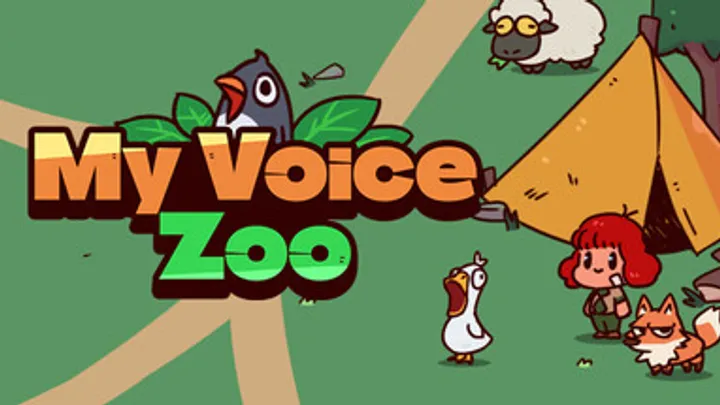
My Voice Zoo
MyVoiceZoo is a voice-focused platform/app designed to help users work with audio and voice-related tasks in a convenient, easy-to-use way. Instead of making everything complicated, MyVoiceZoo typically follows a simple workflow where users can get results faster, adjust key options, and reuse the tool for different voice needs. If you’re searching for a voice tool that feels practical and customization-friendly, MyVoiceZoo is worth considering.