Screenshot












Summary
IntroductionReleased by Riot Games in 2020, Valorant is a tactical first-person shooter that blends classic Counter-Strike–style precision gunplay with Overwatch-inspired hero abilities. This hybrid approach created a new competitive ecosystem almost overnight, establishing Valorant as one of the most prominent esports shooters in the world. Riot leveraged its deep experience in esports infrastructure (League of Legends) and combined it with a fresh FPS identity, appealing to both traditional tactical shooter veterans and younger players raised on ability-driven action.Core Gameplay LoopAttack vs. Defense: Two teams of five players face off in best-of-24 rounds, with one side planting a spike (bomb) and the other defending.Economy System: A round-based economy controls weapon and ability purchases, rewarding strategic resource management.Precision Shooting: The gunplay emphasizes accuracy, recoil control, and pre-aiming — mechanics familiar to CS:GO players.Abilities as Supplements: Unlike traditional shooters, each Agent has signature abilities that provide tactical depth — smoke walls, recon tools, healing, teleportation, and more.Agents & AbilitiesRole Archetypes:Duelists (entry fraggers like Jett, Reyna).Initiators (map control and intel, like Sova, Skye).Sentinels (defense and support, like Sage, Killjoy).Controllers (area denial, like Omen, Viper).Balancing Act: Abilities are powerful but designed not to replace raw shooting skill. They are meant to create opportunities, not guarantee kills.Evolving Meta: Frequent patches and new Agent releases shift team compositions and strategies, keeping the game fresh but also demanding adaptation from competitive players.Maps & Design PhilosophyTactical Geometry: Maps are built with clear lanes, choke points, and verticality, forcing teams to commit to deliberate strategies.Unique Map Mechanics: Some maps introduce special elements — Bind’s teleporters, Split’s ropes, Lotus’ rotating doors — diversifying tactical possibilities.Competitive Integrity: Riot carefully balances maps for fairness, but each map has distinct “personality” and favored strategies.Esports & Competitive SceneValorant Champions Tour (VCT): Riot’s structured global competitive circuit includes regional leagues, Masters tournaments, and the year-ending Valorant Champions event.Franchise Model: Similar to League of Legends, Riot created franchise slots for major esports organizations, ensuring stability and investment in the scene.Spectator Experience: Valorant’s bright visuals, clear ability indicators, and strong broadcast tools make it one of the most watchable FPS esports.Global Growth: Valorant has particularly strong competitive communities in North America, Europe, Brazil, and Southeast Asia.StrengthsUnique Hybrid Formula: Blends CS:GO precision with hero abilities.Balanced Accessibility: Easy to pick up, but deep enough for hardcore players.Strong Esports Infrastructure: Riot’s experience ensures well-organized tournaments and global reach.Constant Updates: New Agents, maps, and seasonal content keep the game evolving.Free-to-Play Model: Broad accessibility across global markets.WeaknessesSteep Learning Curve: New players may struggle with both shooter mechanics and ability meta simultaneously.Agent Overload: With every new Agent, balance becomes harder to maintain.Toxicity Issues: Like many competitive titles, ranked play can foster negative player behavior.High Pressure: The competitive scene is unforgiving, which can intimidate casual players.Cultural & Community ImpactEsports Popularity: Valorant quickly became a tier-one esport, rivaling CS:GO in global reach.Streaming Ecosystem: Twitch and YouTube streaming communities thrive, especially during VCT events.Cosmetics & Monetization: Weapon skins (especially premium melee knives and bundles) are highly sought after — Riot’s monetization strategy leans heavily into aspirational cosmetics without pay-to-win mechanics.Crossover Appeal: Valorant’s clean art direction and youthful style resonate with a wide demographic, bridging PC shooter veterans and new Gen Z gamers.Final VerdictValorant is Riot Games’ bold attempt to redefine the tactical FPS genre — and it has succeeded. By combining precise gunplay with unique Agents, it brings both strategic depth and spectacle. Its rapid esports adoption, constant updates, and free-to-play accessibility have cemented its position as a global competitive powerhouse. While balance challenges and a demanding skill ceiling remain, the game thrives as both a serious esport and a mainstream cultural touchstone.
Rating
Introduction
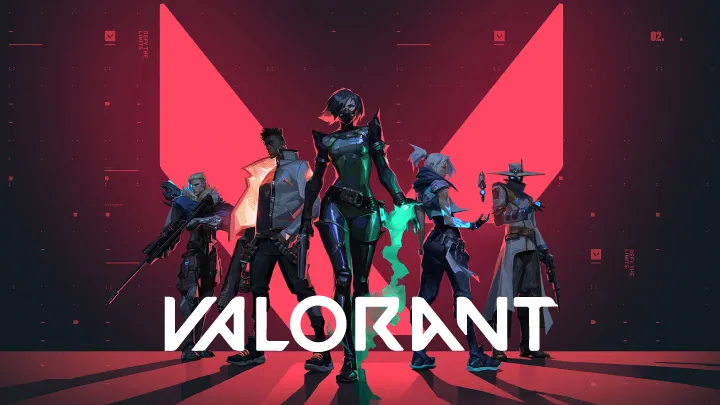
Released by Riot Games in 2020, Valorant is a tactical first-person shooter that blends classic Counter-Strike–style precision gunplay with Overwatch-inspired hero abilities. This hybrid approach created a new competitive ecosystem almost overnight, establishing Valorant as one of the most prominent esports shooters in the world. Riot leveraged its deep experience in esports infrastructure (League of Legends) and combined it with a fresh FPS identity, appealing to both traditional tactical shooter veterans and younger players raised on ability-driven action.
Core Gameplay Loop
- Attack vs. Defense: Two teams of five players face off in best-of-24 rounds, with one side planting a spike (bomb) and the other defending.
- Economy System: A round-based economy controls weapon and ability purchases, rewarding strategic resource management.
- Precision Shooting: The gunplay emphasizes accuracy, recoil control, and pre-aiming — mechanics familiar to CS:GO players.
- Abilities as Supplements: Unlike traditional shooters, each Agent has signature abilities that provide tactical depth — smoke walls, recon tools, healing, teleportation, and more.
Agents & Abilities
- Role Archetypes:
- Duelists (entry fraggers like Jett, Reyna).
- Initiators (map control and intel, like Sova, Skye).
- Sentinels (defense and support, like Sage, Killjoy).
- Controllers (area denial, like Omen, Viper).
- Balancing Act: Abilities are powerful but designed not to replace raw shooting skill. They are meant to create opportunities, not guarantee kills.
- Evolving Meta: Frequent patches and new Agent releases shift team compositions and strategies, keeping the game fresh but also demanding adaptation from competitive players.
Maps & Design Philosophy
- Tactical Geometry: Maps are built with clear lanes, choke points, and verticality, forcing teams to commit to deliberate strategies.
- Unique Map Mechanics: Some maps introduce special elements — Bind’s teleporters, Split’s ropes, Lotus’ rotating doors — diversifying tactical possibilities.
- Competitive Integrity: Riot carefully balances maps for fairness, but each map has distinct “personality” and favored strategies.
Esports & Competitive Scene
- Valorant Champions Tour (VCT): Riot’s structured global competitive circuit includes regional leagues, Masters tournaments, and the year-ending Valorant Champions event.
- Franchise Model: Similar to League of Legends, Riot created franchise slots for major esports organizations, ensuring stability and investment in the scene.
- Spectator Experience: Valorant’s bright visuals, clear ability indicators, and strong broadcast tools make it one of the most watchable FPS esports.
- Global Growth: Valorant has particularly strong competitive communities in North America, Europe, Brazil, and Southeast Asia.
Strengths
- Unique Hybrid Formula: Blends CS:GO precision with hero abilities.
- Balanced Accessibility: Easy to pick up, but deep enough for hardcore players.
- Strong Esports Infrastructure: Riot’s experience ensures well-organized tournaments and global reach.
- Constant Updates: New Agents, maps, and seasonal content keep the game evolving.
- Free-to-Play Model: Broad accessibility across global markets.
Weaknesses
- Steep Learning Curve: New players may struggle with both shooter mechanics and ability meta simultaneously.
- Agent Overload: With every new Agent, balance becomes harder to maintain.
- Toxicity Issues: Like many competitive titles, ranked play can foster negative player behavior.
- High Pressure: The competitive scene is unforgiving, which can intimidate casual players.
Cultural & Community Impact
- Esports Popularity: Valorant quickly became a tier-one esport, rivaling CS:GO in global reach.
- Streaming Ecosystem: Twitch and YouTube streaming communities thrive, especially during VCT events.
- Cosmetics & Monetization: Weapon skins (especially premium melee knives and bundles) are highly sought after — Riot’s monetization strategy leans heavily into aspirational cosmetics without pay-to-win mechanics.
- Crossover Appeal: Valorant’s clean art direction and youthful style resonate with a wide demographic, bridging PC shooter veterans and new Gen Z gamers.
Final Verdict
Valorant is Riot Games’ bold attempt to redefine the tactical FPS genre — and it has succeeded. By combining precise gunplay with unique Agents, it brings both strategic depth and spectacle. Its rapid esports adoption, constant updates, and free-to-play accessibility have cemented its position as a global competitive powerhouse. While balance challenges and a demanding skill ceiling remain, the game thrives as both a serious esport and a mainstream cultural touchstone.
Get Game Links
All trademarks belong to their respective owners.
Latest Reviews
Gorilla Tag
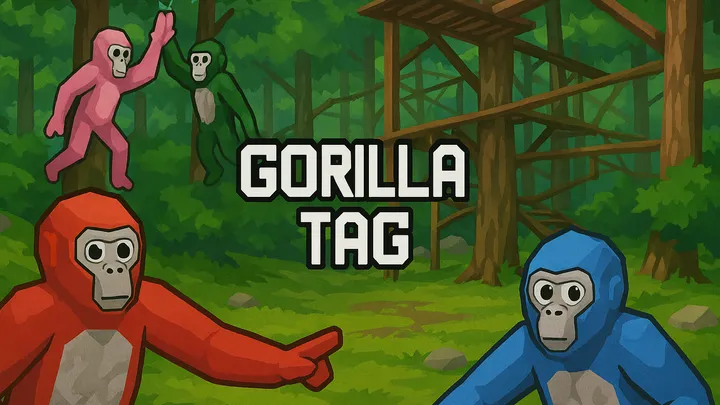
When Gorilla Tag was first released by developer Another Axiom in early access back in early 2021, few could have predicted the meteoric rise it would enjoy. The concept was almost childishly simple: you play as a gorilla in VR, using only your arms to move, jump, and climb, and the core game mode is… tag. That’s it. No complicated weapon systems. No sprawling maps with scripted events. No ultra-realistic graphics or heavy lore drops. Instead, it’s an unapologetically low-poly, physics-driven playground where movement is the mechanic.And yet, this stripped-down design has transformed Gorilla Tag from an experimental indie project into one of the most popular VR multiplayer games of all time. It’s a case study in how constraints can inspire innovation — and how social interaction, player creativity, and unconventional mechanics can create a phenomenon that defies traditional AAA wisdom.In this review, I’ll dissect Gorilla Tag from the perspective of a games analyst, covering its movement system, game design philosophy, social dynamics, competitive meta, community growth, technical execution, monetization strategy, and the future potential of the title. I’ll also touch on its cultural footprint and what it means for the VR industry as a whole.

Bloody Finger Jump
Is your finger faster then the others? Will your finger crush other enemies? Take up the challenge, compete and check how fast your fingers are. You can be sure that there will be blood...
Grand Theft Auto V
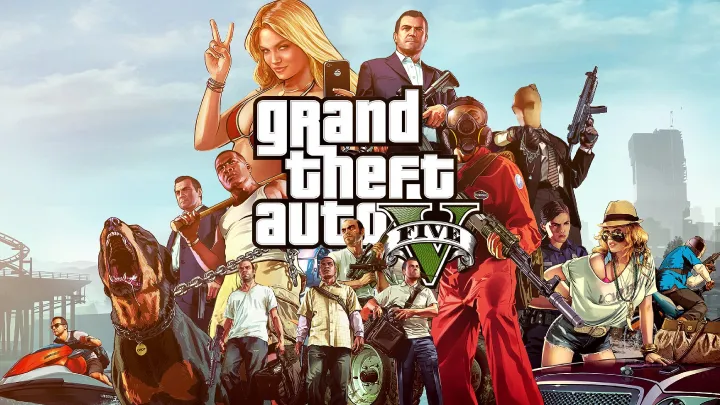
Grand Theft Auto V isn't simply a game; it is an economic, social, and cultural document of the 21st century. Taking the familiar chaotic sandbox of its predecessors, it expands it into a living, breathing world of San Andreas—teeming with meticulous detail and a biting, satirical wit. Whether you are pulled into its high-stakes criminal economy or its deep social simulation, GTA V delivers a profound and unforgettable masterclass in open-world design.
EA SPORTS FC™ 26
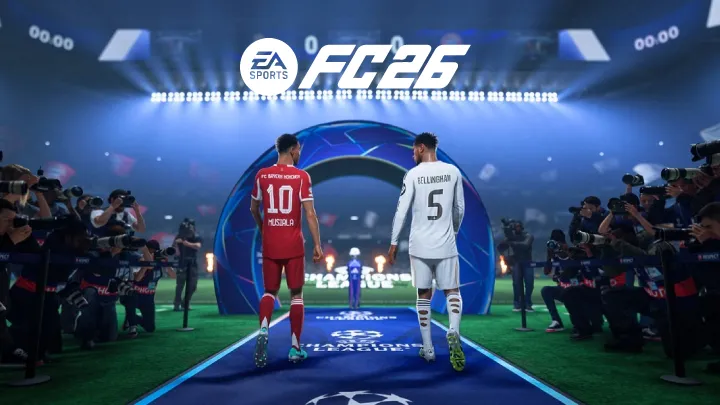
EA SPORTS FC™ 26 marks the third installment in the EA Sports FC era and is poised for release in September 2025. Developed by EA Vancouver and EA Romania, the game continues to showcase realism, player expression, and fidelity that fans expect—now with deeper gameplay variety and tactical richness. Covering multiple platforms—from next-gen consoles to PCs and even the new Nintendo Switch 2—FC 26 seeks to refine core mechanics while layering in strategic and narrative depth.
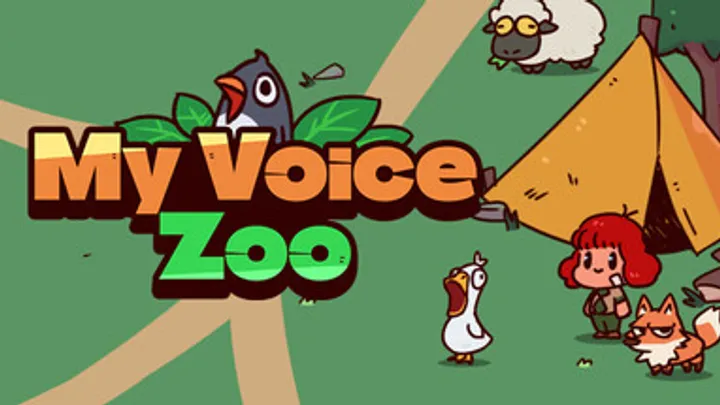
My Voice Zoo
MyVoiceZoo is a voice-focused platform/app designed to help users work with audio and voice-related tasks in a convenient, easy-to-use way. Instead of making everything complicated, MyVoiceZoo typically follows a simple workflow where users can get results faster, adjust key options, and reuse the tool for different voice needs. If you’re searching for a voice tool that feels practical and customization-friendly, MyVoiceZoo is worth considering.