

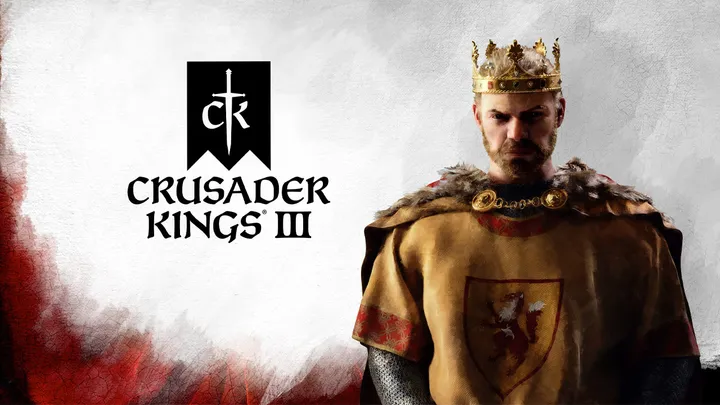
Crusader Kings III
Introduction"Crusader Kings III" is a grand strategy game developed by Paradox Interactive, released in September 2020 as a successor to the critically acclaimed "Crusader Kings II." Set in the medieval period, this game allows players to guide their dynasties through intricate political landscapes, engage in warfare, and navigate the complexities of feudal society. With its deep gameplay mechanics, rich storytelling, and innovative features, "Crusader Kings III" has captured the hearts of strategy enthusiasts and history buffs alike. This review aims to provide a comprehensive analysis of the game’s mechanics, visuals, audio design, narrative depth, and its overall impact on the strategy game genre.Gameplay MechanicsCore Gameplay LoopAt its core, "Crusader Kings III" revolves around the management of a dynasty rather than just a nation. The gameplay loop consists of several key components:Dynasty Management: Players begin by selecting a character from a wide array of historical figures, each with unique traits, titles, and claims. The primary objective is to expand the dynasty's influence by acquiring titles and lands through various means, including warfare, diplomacy, and marriage.Character Relationships: The game emphasizes relationships, requiring players to manage alliances, rivalries, and family dynamics. Characters have traits that affect their behavior and interactions, leading to nuanced gameplay where decisions must consider personal relationships.Feudal Politics: Players engage in complex political maneuvers, balancing the interests of vassals, nobles, and the church. This involves managing opinion, hosting feasts, granting titles, and navigating the intricate web of feudal loyalties.Warfare: Military engagement is a crucial aspect of the game. Players can raise armies, lead them into battle, and strategize on the battlefield. Warfare is influenced by various factors, including terrain, troop composition, and leadership skills.Innovations and Features"Crusader Kings III" introduces several innovations that enhance the gameplay experience:Character Customization: Players can customize their characters using a detailed character creator, allowing for a wide range of personalities and backgrounds. Each character’s traits and skills can significantly influence gameplay, leading to diverse strategies.Lifestyle System: This new feature allows players to choose a lifestyle path for their character, such as Diplomacy, Martial, Stewardship, Intrigue, or Learning. Each path offers unique bonuses and abilities, providing players with the opportunity to shape their character’s development.Culture and Religion: The game features a robust culture and religion system, allowing players to influence and change cultural identities and religious beliefs within their realm. This adds layers to the gameplay, as cultural and religious differences can affect alliances and loyalty.Events and DecisionsOne of the standout aspects of "Crusader Kings III" is its dynamic event system. Players encounter a variety of events that can lead to significant consequences for their dynasty. Key elements include:Random Events: The game features numerous random events that can occur based on character traits, relationships, and circumstances. These events often present players with choices that can dramatically alter the course of their dynasty.Decision-Making: Players can make significant decisions that impact their realm, such as declaring wars, forming alliances, or changing laws. The consequences of these decisions add depth and complexity to the gameplay.Visuals and Art StyleGraphics"Crusader Kings III" boasts stunning graphics that enhance the immersion of the medieval setting. The art style blends realism with a slightly stylized approach, creating a visually appealing experience. Key elements include:Map Design: The game features a beautifully rendered map of Europe, the Middle East, and North Africa, complete with detailed landscapes, cities, and borders. Players can zoom in to see individual regions or zoom out for a broader perspective.Character Portraits: The character models are intricately designed, with unique portraits that reflect their traits and backgrounds. The animations during interactions add life to the characters, enhancing the overall experience.User InterfaceThe user interface (UI) is designed to be user-friendly and intuitive, providing players with easy access to critical information. Key features include:Information Display: The UI presents essential information clearly, such as character stats, realm management, and diplomatic relations, allowing players to make informed decisions quickly.Customization Options: Players can easily access customization options for characters, kingdoms, and armies, enhancing user experience and engagement.Audio DesignSound EffectsThe audio design in "Crusader Kings III" plays a significant role in creating an immersive experience. Well-crafted sound effects enhance gameplay, providing auditory feedback for various actions and interactions.Ambient Sounds: The game features ambient sounds that reflect the medieval setting, such as the bustle of a court, the sounds of battle, and the quiet of the countryside. These sounds contribute to the overall atmosphere, immersing players in the game world.Character Interactions: The sound effects during character interactions, such as conversations and events, add depth to the storytelling, enhancing player engagement.MusicThe soundtrack of "Crusader Kings III" is orchestral and atmospheric, perfectly complementing the medieval theme. The music dynamically changes based on the situation, building tension during conflicts and providing a more subdued tone during peaceful moments.Narrative Depth"Crusader Kings III" excels in narrative depth, allowing players to create their own stories through the lives of their characters. Key narrative elements include:Character-Driven Stories: The game’s focus on characters means that players experience personal stories intertwined with historical events. Each character has their motivations, ambitions, and conflicts, contributing to a rich narrative tapestry.Dynamic Storytelling: The combination of random events, character interactions, and decisions creates a dynamic storytelling experience where no two playthroughs are the same. Players can forge their paths through alliances, betrayals, and personal triumphs.Challenges and Tension"Crusader Kings III" provides a balanced mix of challenges and rewards, creating an engaging experience:Political Intrigue: Players must navigate complex political landscapes, managing relationships and ensuring loyalty among vassals and allies. The potential for betrayal and shifting loyalties adds tension to the gameplay.Dynasty Management: The pressure of maintaining a successful dynasty, dealing with succession crises, and ensuring heirs are well-prepared creates a sense of urgency and investment in the game.Criticisms and Areas for ImprovementSteep Learning CurveOne of the primary criticisms of "Crusader Kings III" is its steep learning curve. New players may find the mechanics overwhelming, especially given the depth and complexity of the systems. While the game offers tutorials, a more comprehensive onboarding experience could help ease newcomers into the gameplay.AI BehaviorSome players have reported issues with AI behavior, particularly regarding vassal management and decision-making. Improving AI responsiveness and decision-making could enhance realism and player experience.Performance IssuesAs with many complex strategy games, players may encounter occasional technical glitches or performance issues, especially in larger campaigns. Ensuring a smooth and stable gaming experience is crucial for maintaining player satisfaction.Future ProspectsUpdates and ExpansionsThe potential for future updates and expansions is promising. Paradox Interactive has a history of supporting its games with additional content, and players can look forward to new features, mechanics, and storylines that further enrich the experience.Community EngagementEncouraging community engagement through events, contests, or seasonal updates could enhance player investment and foster a sense of belonging among fans. The active modding community could also contribute to the game’s longevity, offering fresh experiences and enhancements.Conclusion"Crusader Kings III" is a masterful blend of strategy, storytelling, and character management that successfully builds upon the legacy of its predecessor. Its intricate mechanics, rich narrative depth, and stunning visuals create an immersive experience that appeals to both strategy enthusiasts and history buffs. While there are areas for improvement, such as learning curve and AI behavior, the game stands as a significant entry in the grand strategy genre.As players navigate the complexities of medieval politics, warfare, and family dynamics, they will discover a rich tapestry of stories and opportunities for strategic gameplay. "Crusader Kings III" not only offers an engaging gameplay experience but also invites players to reflect on the intricate nature of power, loyalty, and legacy in a way that few other games can match. Whether you are a seasoned strategist or new to the genre, "Crusader Kings III" promises an unforgettable journey through the annals of history.
Popular Now



Introduction
"Crusader Kings III" is a grand strategy game developed by Paradox Interactive, released in September 2020 as a successor to the critically acclaimed "Crusader Kings II." Set in the medieval period, this game allows players to guide their dynasties through intricate political landscapes, engage in warfare, and navigate the complexities of feudal society. With its deep gameplay mechanics, rich storytelling, and innovative features, "Crusader Kings III" has captured the hearts of strategy enthusiasts and history buffs alike. This review aims to provide a comprehensive analysis of the game’s mechanics, visuals, audio design, narrative depth, and its overall impact on the strategy game genre.
Gameplay Mechanics
Core Gameplay Loop
At its core, "Crusader Kings III" revolves around the management of a dynasty rather than just a nation. The gameplay loop consists of several key components:
- Dynasty Management: Players begin by selecting a character from a wide array of historical figures, each with unique traits, titles, and claims. The primary objective is to expand the dynasty's influence by acquiring titles and lands through various means, including warfare, diplomacy, and marriage.
- Character Relationships: The game emphasizes relationships, requiring players to manage alliances, rivalries, and family dynamics. Characters have traits that affect their behavior and interactions, leading to nuanced gameplay where decisions must consider personal relationships.
- Feudal Politics: Players engage in complex political maneuvers, balancing the interests of vassals, nobles, and the church. This involves managing opinion, hosting feasts, granting titles, and navigating the intricate web of feudal loyalties.
- Warfare: Military engagement is a crucial aspect of the game. Players can raise armies, lead them into battle, and strategize on the battlefield. Warfare is influenced by various factors, including terrain, troop composition, and leadership skills.
Innovations and Features
"Crusader Kings III" introduces several innovations that enhance the gameplay experience:
- Character Customization: Players can customize their characters using a detailed character creator, allowing for a wide range of personalities and backgrounds. Each character’s traits and skills can significantly influence gameplay, leading to diverse strategies.
- Lifestyle System: This new feature allows players to choose a lifestyle path for their character, such as Diplomacy, Martial, Stewardship, Intrigue, or Learning. Each path offers unique bonuses and abilities, providing players with the opportunity to shape their character’s development.
- Culture and Religion: The game features a robust culture and religion system, allowing players to influence and change cultural identities and religious beliefs within their realm. This adds layers to the gameplay, as cultural and religious differences can affect alliances and loyalty.
Events and Decisions
One of the standout aspects of "Crusader Kings III" is its dynamic event system. Players encounter a variety of events that can lead to significant consequences for their dynasty. Key elements include:
- Random Events: The game features numerous random events that can occur based on character traits, relationships, and circumstances. These events often present players with choices that can dramatically alter the course of their dynasty.
- Decision-Making: Players can make significant decisions that impact their realm, such as declaring wars, forming alliances, or changing laws. The consequences of these decisions add depth and complexity to the gameplay.
Visuals and Art Style
Graphics
"Crusader Kings III" boasts stunning graphics that enhance the immersion of the medieval setting. The art style blends realism with a slightly stylized approach, creating a visually appealing experience. Key elements include:
- Map Design: The game features a beautifully rendered map of Europe, the Middle East, and North Africa, complete with detailed landscapes, cities, and borders. Players can zoom in to see individual regions or zoom out for a broader perspective.
- Character Portraits: The character models are intricately designed, with unique portraits that reflect their traits and backgrounds. The animations during interactions add life to the characters, enhancing the overall experience.
User Interface
The user interface (UI) is designed to be user-friendly and intuitive, providing players with easy access to critical information. Key features include:
- Information Display: The UI presents essential information clearly, such as character stats, realm management, and diplomatic relations, allowing players to make informed decisions quickly.
- Customization Options: Players can easily access customization options for characters, kingdoms, and armies, enhancing user experience and engagement.
Audio Design
Sound Effects
The audio design in "Crusader Kings III" plays a significant role in creating an immersive experience. Well-crafted sound effects enhance gameplay, providing auditory feedback for various actions and interactions.
- Ambient Sounds: The game features ambient sounds that reflect the medieval setting, such as the bustle of a court, the sounds of battle, and the quiet of the countryside. These sounds contribute to the overall atmosphere, immersing players in the game world.
- Character Interactions: The sound effects during character interactions, such as conversations and events, add depth to the storytelling, enhancing player engagement.
Music
The soundtrack of "Crusader Kings III" is orchestral and atmospheric, perfectly complementing the medieval theme. The music dynamically changes based on the situation, building tension during conflicts and providing a more subdued tone during peaceful moments.
Narrative Depth
"Crusader Kings III" excels in narrative depth, allowing players to create their own stories through the lives of their characters. Key narrative elements include:
- Character-Driven Stories: The game’s focus on characters means that players experience personal stories intertwined with historical events. Each character has their motivations, ambitions, and conflicts, contributing to a rich narrative tapestry.
- Dynamic Storytelling: The combination of random events, character interactions, and decisions creates a dynamic storytelling experience where no two playthroughs are the same. Players can forge their paths through alliances, betrayals, and personal triumphs.
Challenges and Tension
"Crusader Kings III" provides a balanced mix of challenges and rewards, creating an engaging experience:
- Political Intrigue: Players must navigate complex political landscapes, managing relationships and ensuring loyalty among vassals and allies. The potential for betrayal and shifting loyalties adds tension to the gameplay.
- Dynasty Management: The pressure of maintaining a successful dynasty, dealing with succession crises, and ensuring heirs are well-prepared creates a sense of urgency and investment in the game.
Criticisms and Areas for Improvement
Steep Learning Curve
One of the primary criticisms of "Crusader Kings III" is its steep learning curve. New players may find the mechanics overwhelming, especially given the depth and complexity of the systems. While the game offers tutorials, a more comprehensive onboarding experience could help ease newcomers into the gameplay.
AI Behavior
Some players have reported issues with AI behavior, particularly regarding vassal management and decision-making. Improving AI responsiveness and decision-making could enhance realism and player experience.
Performance Issues
As with many complex strategy games, players may encounter occasional technical glitches or performance issues, especially in larger campaigns. Ensuring a smooth and stable gaming experience is crucial for maintaining player satisfaction.
Future Prospects
Updates and Expansions
The potential for future updates and expansions is promising. Paradox Interactive has a history of supporting its games with additional content, and players can look forward to new features, mechanics, and storylines that further enrich the experience.
Community Engagement
Encouraging community engagement through events, contests, or seasonal updates could enhance player investment and foster a sense of belonging among fans. The active modding community could also contribute to the game’s longevity, offering fresh experiences and enhancements.
Conclusion
"Crusader Kings III" is a masterful blend of strategy, storytelling, and character management that successfully builds upon the legacy of its predecessor. Its intricate mechanics, rich narrative depth, and stunning visuals create an immersive experience that appeals to both strategy enthusiasts and history buffs. While there are areas for improvement, such as learning curve and AI behavior, the game stands as a significant entry in the grand strategy genre.
As players navigate the complexities of medieval politics, warfare, and family dynamics, they will discover a rich tapestry of stories and opportunities for strategic gameplay. "Crusader Kings III" not only offers an engaging gameplay experience but also invites players to reflect on the intricate nature of power, loyalty, and legacy in a way that few other games can match. Whether you are a seasoned strategist or new to the genre, "Crusader Kings III" promises an unforgettable journey through the annals of history.
Latest Reviews

Gorilla Tag
When Gorilla Tag was first released by developer Another Axiom in early access back in early 2021, few could have predicted the meteoric rise it would enjoy. The concept was almost childishly simple: you play as a gorilla in VR, using only your arms to move, jump, and climb, and the core game mode is… tag. That’s it. No complicated weapon systems. No sprawling maps with scripted events. No ultra-realistic graphics or heavy lore drops. Instead, it’s an unapologetically low-poly, physics-driven playground where movement is the mechanic.And yet, this stripped-down design has transformed Gorilla Tag from an experimental indie project into one of the most popular VR multiplayer games of all time. It’s a case study in how constraints can inspire innovation — and how social interaction, player creativity, and unconventional mechanics can create a phenomenon that defies traditional AAA wisdom.In this review, I’ll dissect Gorilla Tag from the perspective of a games analyst, covering its movement system, game design philosophy, social dynamics, competitive meta, community growth, technical execution, monetization strategy, and the future potential of the title. I’ll also touch on its cultural footprint and what it means for the VR industry as a whole.

Bloody Finger Jump
Is your finger faster then the others? Will your finger crush other enemies? Take up the challenge, compete and check how fast your fingers are. You can be sure that there will be blood...
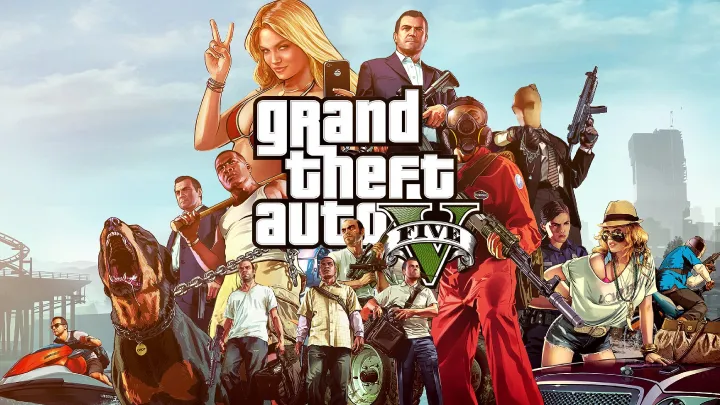
Grand Theft Auto V
Grand Theft Auto V isn't simply a game; it is an economic, social, and cultural document of the 21st century. Taking the familiar chaotic sandbox of its predecessors, it expands it into a living, breathing world of San Andreas—teeming with meticulous detail and a biting, satirical wit. Whether you are pulled into its high-stakes criminal economy or its deep social simulation, GTA V delivers a profound and unforgettable masterclass in open-world design.