ZEPETO
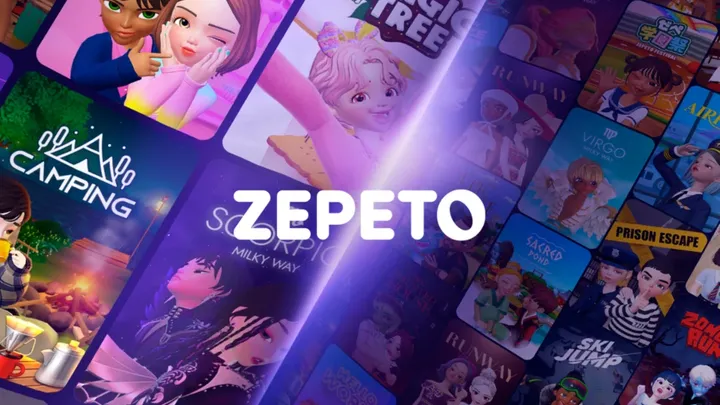
IntroductionZEPETO is a popular 3D avatar-based social platform owned by Naver Z, widely recognized across Asia for blending social networking, gaming, and digital fashion. Rather than a traditional game, it functions as a metaverse where players create avatars, explore virtual worlds, and interact with others globally. Its strong focus on identity, creativity, and social connection makes it especially appealing to younger audiences.Core Features3D Avatar Creation and CustomizationCreate a personalized avatar using selfies or manual customization.Access a massive catalog of outfits, hairstyles, and accessories.Virtual Worlds and ExplorationExplore thousands of user-created worlds with themes like fashion, K-pop, and roleplay.Participate in mini-games, events, and social activities.Social Interaction SystemChat with friends, join communities, and post on social feeds.Includes live streaming and real-time avatar interactions.Creator EconomyDesign and sell clothing or items through ZEPETO Studio.Players can even create entire worlds and monetize content.Metaverse Lifestyle ExperienceCombines gaming, fashion, and social media into one platform.Often collaborates with brands and pop culture trends.StrengthsHighly customizable avatars – Deep personalization options allow strong self-expression.Massive content variety – Thousands of worlds and activities keep the experience fresh.Strong social features – Easy to connect with global users and communities.Creative opportunities – Users can design items and earn from their creations.Cultural appeal – Strong ties to K-pop, fashion, and Asian digital trends.WeaknessesHeavy monetization – Many premium outfits and items require in-app purchases.Inconsistent content quality – User-generated worlds vary widely in design and polish.Safety concerns – Open chat systems may expose users to inappropriate interactions.Performance demands – Can be resource-heavy on lower-end devices.Not gameplay-focused – Lacks structured objectives compared to traditional games.ConclusionZEPETO stands out as a hybrid between a social network and a virtual world, offering players a space to express themselves through avatars and creativity. While it may not appeal to those seeking structured gameplay, its strong community features and customization systems make it a compelling metaverse platform—especially for users interested in fashion, social interaction, and digital identity.ZEPETO Heavy quality Many premium outfits and items require in-app purchasesUser-generated worlds vary widely in design and polish.Open chat systems may expose users to inappropriate interactions.
Popular Now
Introduction
ZEPETO is a popular 3D avatar-based social platform owned by Naver Z, widely recognized across Asia for blending social networking, gaming, and digital fashion. Rather than a traditional game, it functions as a metaverse where players create avatars, explore virtual worlds, and interact with others globally. Its strong focus on identity, creativity, and social connection makes it especially appealing to younger audiences.
Core Features
- 3D Avatar Creation and Customization
- Create a personalized avatar using selfies or manual customization.
- Access a massive catalog of outfits, hairstyles, and accessories.
- Virtual Worlds and Exploration
- Explore thousands of user-created worlds with themes like fashion, K-pop, and roleplay.
- Participate in mini-games, events, and social activities.
- Social Interaction System
- Chat with friends, join communities, and post on social feeds.
- Includes live streaming and real-time avatar interactions.
- Creator Economy
- Design and sell clothing or items through ZEPETO Studio.
- Players can even create entire worlds and monetize content.
- Metaverse Lifestyle Experience
- Combines gaming, fashion, and social media into one platform.
- Often collaborates with brands and pop culture trends.
Strengths
- Highly customizable avatars – Deep personalization options allow strong self-expression.
- Massive content variety – Thousands of worlds and activities keep the experience fresh.
- Strong social features – Easy to connect with global users and communities.
- Creative opportunities – Users can design items and earn from their creations.
- Cultural appeal – Strong ties to K-pop, fashion, and Asian digital trends.
Weaknesses
- Heavy monetization – Many premium outfits and items require in-app purchases.
- Inconsistent content quality – User-generated worlds vary widely in design and polish.
- Safety concerns – Open chat systems may expose users to inappropriate interactions.
- Performance demands – Can be resource-heavy on lower-end devices.
- Not gameplay-focused – Lacks structured objectives compared to traditional games.
Conclusion
ZEPETO stands out as a hybrid between a social network and a virtual world, offering players a space to express themselves through avatars and creativity. While it may not appeal to those seeking structured gameplay, its strong community features and customization systems make it a compelling metaverse platform—especially for users interested in fashion, social interaction, and digital identity.
Latest Reviews
Gorilla Tag
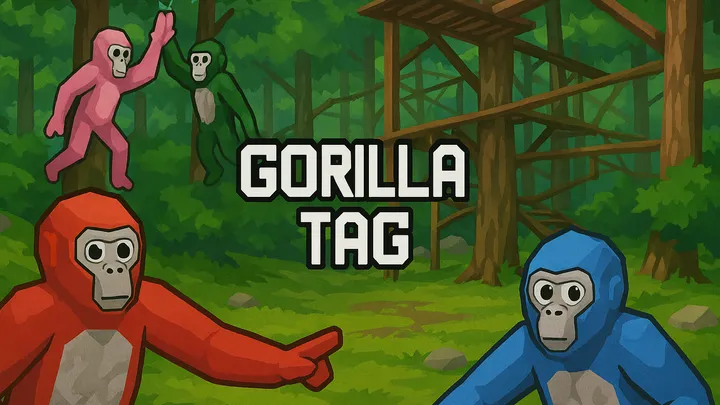
When Gorilla Tag was first released by developer Another Axiom in early access back in early 2021, few could have predicted the meteoric rise it would enjoy. The concept was almost childishly simple: you play as a gorilla in VR, using only your arms to move, jump, and climb, and the core game mode is… tag. That’s it. No complicated weapon systems. No sprawling maps with scripted events. No ultra-realistic graphics or heavy lore drops. Instead, it’s an unapologetically low-poly, physics-driven playground where movement is the mechanic.And yet, this stripped-down design has transformed Gorilla Tag from an experimental indie project into one of the most popular VR multiplayer games of all time. It’s a case study in how constraints can inspire innovation — and how social interaction, player creativity, and unconventional mechanics can create a phenomenon that defies traditional AAA wisdom.In this review, I’ll dissect Gorilla Tag from the perspective of a games analyst, covering its movement system, game design philosophy, social dynamics, competitive meta, community growth, technical execution, monetization strategy, and the future potential of the title. I’ll also touch on its cultural footprint and what it means for the VR industry as a whole.

Bloody Finger Jump
Is your finger faster then the others? Will your finger crush other enemies? Take up the challenge, compete and check how fast your fingers are. You can be sure that there will be blood...
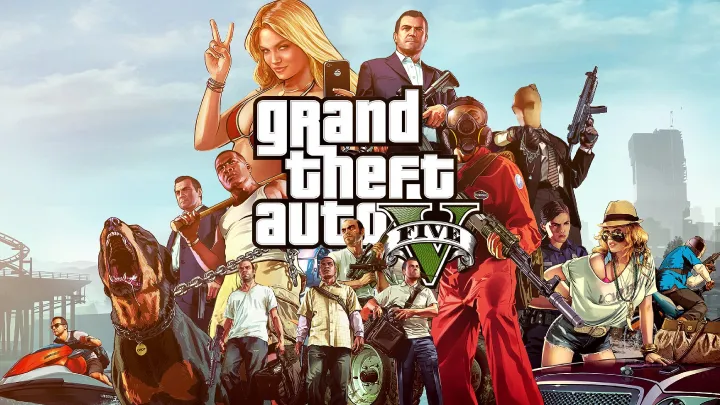
Grand Theft Auto V
Grand Theft Auto V isn't simply a game; it is an economic, social, and cultural document of the 21st century. Taking the familiar chaotic sandbox of its predecessors, it expands it into a living, breathing world of San Andreas—teeming with meticulous detail and a biting, satirical wit. Whether you are pulled into its high-stakes criminal economy or its deep social simulation, GTA V delivers a profound and unforgettable masterclass in open-world design.