








Five Nights at Freddy's
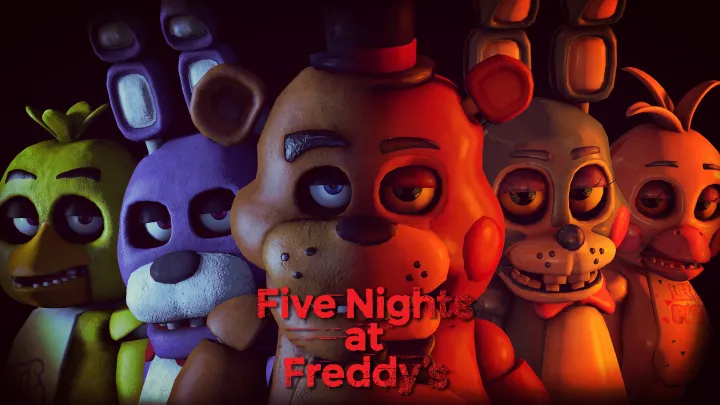
IntroductionFive Nights at Freddy's, (FNaF) crafted by indie developer Scott Cawthon and released on August 8, 2014, for PC via Desura, introduced a groundbreaking survival horror experience set within the eerie confines of Freddy Fazbear's Pizza. Players take on the role of a night security guard tasked with surviving five nights from midnight to 6 AM, fending off animatronic characters that roam the pizzeria after hours. Priced at an accessible $4.99, the game quickly gained traction following its surprise launch, fueled by player-shared jump scare videos and Cawthon’s innovative use of limited resources. Early feedback lauded its tense atmosphere and unique premise, though some criticized its short duration and repetitive gameplay. This review delves into its narrative, world, gameplay, and technical execution to evaluate its lasting impact as a horror classic.Narrative & StorytellingFive Nights at Freddy's weaves its narrative through a minimalist yet haunting storyline delivered via phone calls and environmental clues. Players embody a nameless security guard receiving nightly messages from a predecessor, hinting at a dark history involving missing children and malfunctioning animatronics. The narrative arc centers on enduring each night, with key moments—such as the first animatronic sighting or the power outage tension—adding a sense of escalating dread. These moments foster a blend of isolation and suspense, evolving from cautious monitoring to desperate survival.However, the lack of an explicit plot might leave some wanting a more defined story, as the experience relies on implied lore—phone call snippets, subtle visual cues, or player interpretation—that depends on individual curiosity. The storytelling excels in its psychological tension and mystery, though its depth hinges on the participant’s willingness to piece together the fragmented tale, making it a chilling narrative for those who embrace its ambiguity.World & EnvironmentsThe world of Five Nights at Freddy's centers on the confined yet menacing Freddy Fazbear's Pizzeria, featuring key areas like the security office, dining area, and backstage, rendered with a simplistic yet effective pixelated aesthetic. The environments shift subtly with each night—animatronic movements, flickering lights, or power depletion—enhanced by interactive elements like security cameras, doors, and lights, creating a claustrophobic backdrop. Sound design, with silence broken by footsteps, animatronic hums, and sudden jumpscare noises, builds an immersive atmosphere, while visual effects like static cameras or dim lighting add tactical variety.Yet, the focus on a single location might limit environmental evolution over time, as the emphasis remains on a static setting rather than dynamic changes. The design prioritizes a tense, evolving tension, which could feel restrictive for players seeking broader exploration. Community feedback at launch celebrated the eerie atmosphere and sound design, though some noted the lack of visual variety, suggesting a world that thrives in horror but may benefit from expanded scope to sustain engagement.Gameplay MechanicsCore LoopThe core loop revolves around monitoring and survival, where players manage cameras and power within 8-9 minute sessions per night, offering a nerve-wracking rhythm. The cycle of checking cameras, closing doors, and conserving power drives a compelling flow, encouraging meticulous play.On-Field MechanicsThe gameplay hinges on survival horror mechanics, where players use limited camera views, door controls, and light switches to survive, with tactical depth added by power management and animatronic patterns. Single-player focus introduces variety, though balance issues with difficulty can disrupt flow. The mechanics reward observation and timing, demanding mastery to overcome their intense challenge.Mode-Specific FeaturesThe primary mode includes the Five Nights campaign, with objectives like surviving each night or unlocking Custom Night providing goals. Side activities like adjusting animatronic difficulty add variety, while the Custom Night offers replayability. The range of activities caters to different playstyles, but balance adjustments for difficulty progression lag, a point raised in early feedback.Progression & MultiplayerProgression includes surviving nights and unlocking Custom Night settings, balancing effort with challenge and replay rewards in a system that feels rewarding based on initial play. The game lacks multiplayer, focusing on solo survival, though limited save options limit flexibility. The progression elements thrive on skill mastery, requiring no further refinement due to its concise design.Technical ExecutionFive Nights at Freddy's delivers a visually striking experience with its pixel art, smooth animatronic movements, and jump scare effects, optimized across PC with minimal requirements. Post-launch updates addressed stability, with patches like the August 2014 bug fixes adding content, though occasional glitches like rare crashes or input lag persisted. Audio impresses with a chilling silence and sudden sound cues, though repetitive loops can detract over multiple playthroughs.Controls are responsive with precise mouse inputs, offering a natural feel on PC, though the lack of alternative control schemes limits versatility. The execution, completed at launch, supports the horror focus, with visuals and audio as strengths amid its polished yet basic design.Community FeedbackFive Nights at Freddy's ignited an enthusiastic community, with early praise for its atmosphere, jump scares, and innovative horror, though concerns about duration, difficulty, and content depth surfaced from player discussions. Excitement for the Custom Night and lore speculation was widespread, but frustration with steep learning curves and technical quirks persisted. Community feedback drove development, sustaining interest, and player retention remained strong, fueled by its low price and cultural impact.Criticism centered on gameplay repetition and accessibility, with players noting the short campaign and a desire for easier modes, alongside debates over animatronic balance. The community’s active input shaped updates and inspired a franchise, reflecting a group eager to see the game’s legacy grow, with initial reviews showing an overwhelmingly positive reception.Final VerdictFive Nights at Freddy's delivers a groundbreaking survival horror experience with its tense atmosphere and innovative mechanics, celebrating a unique animatronic twist. Its mood and simplicity shine, though its brevity and difficulty pose challenges. It’s a must-play for horror fans, standing as a timeless indie classic with no need for further updates.
Popular Now



Introduction
Five Nights at Freddy's, (FNaF) crafted by indie developer Scott Cawthon and released on August 8, 2014, for PC via Desura, introduced a groundbreaking survival horror experience set within the eerie confines of Freddy Fazbear's Pizza. Players take on the role of a night security guard tasked with surviving five nights from midnight to 6 AM, fending off animatronic characters that roam the pizzeria after hours. Priced at an accessible $4.99, the game quickly gained traction following its surprise launch, fueled by player-shared jump scare videos and Cawthon’s innovative use of limited resources. Early feedback lauded its tense atmosphere and unique premise, though some criticized its short duration and repetitive gameplay. This review delves into its narrative, world, gameplay, and technical execution to evaluate its lasting impact as a horror classic.
Narrative & Storytelling
Five Nights at Freddy's weaves its narrative through a minimalist yet haunting storyline delivered via phone calls and environmental clues. Players embody a nameless security guard receiving nightly messages from a predecessor, hinting at a dark history involving missing children and malfunctioning animatronics. The narrative arc centers on enduring each night, with key moments—such as the first animatronic sighting or the power outage tension—adding a sense of escalating dread. These moments foster a blend of isolation and suspense, evolving from cautious monitoring to desperate survival.
However, the lack of an explicit plot might leave some wanting a more defined story, as the experience relies on implied lore—phone call snippets, subtle visual cues, or player interpretation—that depends on individual curiosity. The storytelling excels in its psychological tension and mystery, though its depth hinges on the participant’s willingness to piece together the fragmented tale, making it a chilling narrative for those who embrace its ambiguity.
World & Environments
The world of Five Nights at Freddy's centers on the confined yet menacing Freddy Fazbear's Pizzeria, featuring key areas like the security office, dining area, and backstage, rendered with a simplistic yet effective pixelated aesthetic. The environments shift subtly with each night—animatronic movements, flickering lights, or power depletion—enhanced by interactive elements like security cameras, doors, and lights, creating a claustrophobic backdrop. Sound design, with silence broken by footsteps, animatronic hums, and sudden jumpscare noises, builds an immersive atmosphere, while visual effects like static cameras or dim lighting add tactical variety.
Yet, the focus on a single location might limit environmental evolution over time, as the emphasis remains on a static setting rather than dynamic changes. The design prioritizes a tense, evolving tension, which could feel restrictive for players seeking broader exploration. Community feedback at launch celebrated the eerie atmosphere and sound design, though some noted the lack of visual variety, suggesting a world that thrives in horror but may benefit from expanded scope to sustain engagement.
Gameplay Mechanics
Core Loop
The core loop revolves around monitoring and survival, where players manage cameras and power within 8-9 minute sessions per night, offering a nerve-wracking rhythm. The cycle of checking cameras, closing doors, and conserving power drives a compelling flow, encouraging meticulous play.
On-Field Mechanics
The gameplay hinges on survival horror mechanics, where players use limited camera views, door controls, and light switches to survive, with tactical depth added by power management and animatronic patterns. Single-player focus introduces variety, though balance issues with difficulty can disrupt flow. The mechanics reward observation and timing, demanding mastery to overcome their intense challenge.
Mode-Specific Features
The primary mode includes the Five Nights campaign, with objectives like surviving each night or unlocking Custom Night providing goals. Side activities like adjusting animatronic difficulty add variety, while the Custom Night offers replayability. The range of activities caters to different playstyles, but balance adjustments for difficulty progression lag, a point raised in early feedback.
Progression & Multiplayer
Progression includes surviving nights and unlocking Custom Night settings, balancing effort with challenge and replay rewards in a system that feels rewarding based on initial play. The game lacks multiplayer, focusing on solo survival, though limited save options limit flexibility. The progression elements thrive on skill mastery, requiring no further refinement due to its concise design.
Technical Execution
Five Nights at Freddy's delivers a visually striking experience with its pixel art, smooth animatronic movements, and jump scare effects, optimized across PC with minimal requirements. Post-launch updates addressed stability, with patches like the August 2014 bug fixes adding content, though occasional glitches like rare crashes or input lag persisted. Audio impresses with a chilling silence and sudden sound cues, though repetitive loops can detract over multiple playthroughs.
Controls are responsive with precise mouse inputs, offering a natural feel on PC, though the lack of alternative control schemes limits versatility. The execution, completed at launch, supports the horror focus, with visuals and audio as strengths amid its polished yet basic design.
Community Feedback
Five Nights at Freddy's ignited an enthusiastic community, with early praise for its atmosphere, jump scares, and innovative horror, though concerns about duration, difficulty, and content depth surfaced from player discussions. Excitement for the Custom Night and lore speculation was widespread, but frustration with steep learning curves and technical quirks persisted. Community feedback drove development, sustaining interest, and player retention remained strong, fueled by its low price and cultural impact.
Criticism centered on gameplay repetition and accessibility, with players noting the short campaign and a desire for easier modes, alongside debates over animatronic balance. The community’s active input shaped updates and inspired a franchise, reflecting a group eager to see the game’s legacy grow, with initial reviews showing an overwhelmingly positive reception.
Final Verdict
Five Nights at Freddy's delivers a groundbreaking survival horror experience with its tense atmosphere and innovative mechanics, celebrating a unique animatronic twist. Its mood and simplicity shine, though its brevity and difficulty pose challenges. It’s a must-play for horror fans, standing as a timeless indie classic with no need for further updates.
Latest Reviews

Gorilla Tag
When Gorilla Tag was first released by developer Another Axiom in early access back in early 2021, few could have predicted the meteoric rise it would enjoy. The concept was almost childishly simple: you play as a gorilla in VR, using only your arms to move, jump, and climb, and the core game mode is… tag. That’s it. No complicated weapon systems. No sprawling maps with scripted events. No ultra-realistic graphics or heavy lore drops. Instead, it’s an unapologetically low-poly, physics-driven playground where movement is the mechanic.And yet, this stripped-down design has transformed Gorilla Tag from an experimental indie project into one of the most popular VR multiplayer games of all time. It’s a case study in how constraints can inspire innovation — and how social interaction, player creativity, and unconventional mechanics can create a phenomenon that defies traditional AAA wisdom.In this review, I’ll dissect Gorilla Tag from the perspective of a games analyst, covering its movement system, game design philosophy, social dynamics, competitive meta, community growth, technical execution, monetization strategy, and the future potential of the title. I’ll also touch on its cultural footprint and what it means for the VR industry as a whole.

Bloody Finger Jump
Is your finger faster then the others? Will your finger crush other enemies? Take up the challenge, compete and check how fast your fingers are. You can be sure that there will be blood...

Grand Theft Auto V
Grand Theft Auto V isn't simply a game; it is an economic, social, and cultural document of the 21st century. Taking the familiar chaotic sandbox of its predecessors, it expands it into a living, breathing world of San Andreas—teeming with meticulous detail and a biting, satirical wit. Whether you are pulled into its high-stakes criminal economy or its deep social simulation, GTA V delivers a profound and unforgettable masterclass in open-world design.