House of Lost Souls
IntroductionHouse of Lost Souls, released on April 9, 2025, by Arkuda Inc. for PC via Steam, is a first-person psychological horror game that immerses players in a chilling narrative-driven experience. Developed and published by the small indie studio Arkuda Inc., the game follows Jack, a man haunted by the childhood trauma of witnessing his parents’ murder in their family home. Years later, he returns to the eerie Mount Holly Estate to uncover the truth behind the tragedy, navigating distorted memories and supernatural phenomena. Marketed as a walking simulator with elements of survival horror, it emphasizes atmospheric exploration, puzzle-solving, and a gripping story over action-heavy gameplay.The game draws inspiration from titles like What Remains of Edith Finch and P.T., blending a slow-burning narrative with unsettling visuals and sound design. Its core mechanic revolves around exploring a shapeshifting mansion, collecting key items, and piecing together Jack’s fragmented past through diary entries and ghostly encounters. Since its launch, House of Lost Souls has garnered mixed reviews, with a 65% positive rating on Steam (66 reviews) and critiques on OpenCritic highlighting both its emotional depth and technical shortcomings. Community discussions on X and Steam praise its haunting atmosphere but criticize bugs and pacing issues. This review delves into the game’s narrative, world, gameplay, and technical execution, assessing its strengths and flaws to determine its place in the horror genre. Whether you’re a fan of psychological horror or narrative-driven adventures, House of Lost Souls invites you to step into its unsettling halls—just be prepared for a bumpy journey.Narrative & StorytellingThe narrative of House of Lost Souls centers on Jack, a protagonist tormented by the memory of his parents’ brutal murder in their family home. Returning to Mount Holly Estate as an adult, Jack seeks answers to calm his inner pain, only to find the house alive with distorted memories and supernatural forces. The story unfolds through environmental storytelling—notes, diary entries, and ghostly apparitions like a zombified father or a talking doll representing an unborn sister—revealing a tragedy tied to Jack’s father and the mansion’s dark history. The plot draws heavily on psychological horror, exploring themes of grief, guilt, and the blurred line between reality and illusion, reminiscent of Layers of Fear.The game’s strength lies in its emotional weight. Diary entries and environmental clues, such as bloodied walls or a child’s drawing, create a palpable sense of loss, as noted on Metacritic. The nonlinear storytelling, where memories surface unpredictably, mirrors Jack’s fractured psyche, making each revelation feel personal. However, the narrative’s pacing falters, with some players on Steam reporting that key plot points arrive too slowly, and the multiple endings—while varied—can feel abrupt or unsatisfying without clear resolution. Community posts on X, like those from @core_xbox, praise the “heart-wrenching” story but note its reliance on repetitive jump scares, which dilutes the horror.Compared to Amnesia: The Dark Descent, the narrative lacks the same depth of lore, but it succeeds in delivering a personal, introspective tale. The talking doll and ghostly family members add unique flavor, though some dialogue, as OpenCritic notes, feels “badly delivered,” undermining emotional payoffs. For players who enjoy piecing together fragmented stories, House of Lost Souls offers a compelling, if uneven, descent into trauma.World & EnvironmentsMount Holly Estate is the centerpiece of House of Lost Souls, a decaying yet oddly pristine mansion that feels both familiar and alien. The game begins in a dark forest, guiding players to the boarded-up house, which contrasts its abandoned exterior with an interior powered by electricity and filled with valuables like plates and TVs. This juxtaposition, as highlighted in a Steam review by Sosich, creates an eerie atmosphere, as if the house is frozen in time. Rooms like the kitchen, attic, and basement are meticulously designed with realistic details—scattered trash, flickering lights, and creaking floorboards—evoking a lived-in yet haunted space.The world’s design leans heavily on psychological horror, with distorted memories manifesting as shifting layouts or ghostly visions. For example, the attic’s missing ceiling allows players to glimpse the house’s structure, adding to the sense of unreality. Sound design amplifies tension, with distant whispers, thudding footsteps, and a sparse, unsettling soundtrack that draws comparisons to Silent Hill. However, repetitive textures and limited outdoor areas, constrained by invisible walls, restrict exploration, a flaw noted on Steam’s community hub. The lack of a map exacerbates this, making navigation feel restrictive compared to open-ended horror games like Outlast.While the mansion’s atmosphere is a highlight, its small scope—primarily confined to indoor spaces—lacks the variety of larger horror titles. Free updates have promised new areas, but the base game’s world, while immersive, feels constrained. For players drawn to claustrophobic, detail-rich settings, Mount Holly delivers a chilling backdrop, though it struggles to maintain freshness over its 2-3 hour runtime.Gameplay MechanicsCore LoopHouse of Lost Souls is a walking simulator with light survival horror elements, focusing on exploration, puzzle-solving, and narrative progression. Players guide Jack through the mansion, collecting key items (e.g., keys, notes) to unlock doors and trigger story events. The core loop involves navigating the house, solving environmental puzzles, and avoiding scripted jump scares, with no combat or death mechanics, as noted in a Steam review. This simplicity keeps the focus on story and atmosphere but limits interactivity.Exploration & InteractionExploration drives gameplay, with players searching rooms for clues like diary entries or objects that reveal Jack’s past. Interactable items glow with a white outline when relevant, but unmarked objects blend into the environment, requiring close attention. The flashlight, with unlimited battery life, aids navigation, a relief compared to micromanagement-heavy horror titles. However, progression is heavily scripted, with doors remaining locked until specific events trigger, which can feel restrictive. Side activities, like reading notes to uncover backstory, add depth, but the lack of dynamic threats reduces tension, as OpenCritic points out.PuzzlesPuzzles are straightforward, involving finding keys or solving basic environmental challenges, such as activating a power switch. While accessible, they lack the complexity of games like The Witness, and some, like the attic’s ceiling puzzle, are marred by bugs, as reported on Steam. The game encourages exploration over logic, rewarding players who check every drawer or corner, but randomization is absent, making subsequent playthroughs predictable.Survival ElementsThe absence of combat or death mechanics shifts focus to psychological horror, with jump scares from ghostly family members driving tension. However, their repetitive nature diminishes impact, and a major save bug—where progress resets, forcing players to replay events—frustrates, as noted by Sosich. The game’s short length (under 2 hours) mitigates some issues, but the lack of challenge beyond exploration disappoints fans of survival horror like Dead Space.Gameplay is atmospheric but limited, appealing to fans of narrative-driven experiences but falling short for those seeking deeper mechanics or replayability. Compared to Gone Home, it excels in mood but lacks interactivity, making it a niche but evocative experience.Technical ExecutionHouse of Lost Souls’s technical execution is a mixed bag, with strong atmospheric elements undermined by persistent bugs. The game’s realistic visuals, powered by a robust engine, deliver detailed environments—boarded windows, dusty furniture, and flickering lights—that enhance immersion. However, texture issues, such as muddy indoor visuals unless settings are lowered, detract from polish, as noted on Steam. Performance is generally stable on PC, but optimization falters indoors, requiring medium or low settings for smooth play.Audio design is a highlight, with creaking doors, ghostly whispers, and a minimalistic soundtrack creating dread, though some tracks loop excessively. Translation errors, particularly in German (e.g., “Auf” instead of “An” for “On”), frustrate non-English players, as reported on Steam’s community hub. Controls are basic, with simple inputs for movement and interaction, but the lack of an inverted Y-axis option, as flagged in a demo review, limits accessibility. A major save bug, where lights and jump scares reset after reloading, disrupts immersion, and the attic’s broken geometry risks softlocks. Post-launch patches have addressed some issues, but technical flaws remain a significant hurdle.Community FeedbackHouse of Lost Souls has a polarized reception, with a 65% positive rating on Steam (66 reviews) and mixed critiques on OpenCritic. Players praise its atmosphere, with @core_xbox on X calling it “a creepy gem for horror fans,” and Reddit’s r/IndieGaming lauding its emotional storytelling. A 1streviewgame.com review highlights the haunting visuals and trading system (for swapping items like keys), though its impact is minimal. Critics from Kotaku and Metacritic commend the narrative’s emotional weight but criticize pacing and technical glitches, with OpenCritic noting “a broken door for every creepy moment.”Negative feedback focuses on bugs, with Sosich’s Steam review detailing save issues and attic glitches, echoed by community posts on Steam’s hub. The short runtime (under 2 hours) and lack of replayability disappoint some, though others appreciate its brevity for narrative focus. Translation issues and missing control options, like Y-axis inversion, are frequent complaints. Despite this, the demo’s 74% positive rating (31 reviews) suggests potential, and players on X share atmospheric screenshots, fostering a small but dedicated fanbase. The game’s community is active but divided, with calls for patches to address technical woes.Final VerdictHouse of Lost Souls is a haunting, if flawed, psychological horror experience that excels in atmosphere and emotional storytelling but stumbles with technical issues and limited gameplay depth. Its chilling mansion, gripping narrative, and unsettling sound design make it a compelling choice for fans of walking simulators like What Remains of Edith Finch. However, bugs, repetitive jump scares, and a short runtime hinder its potential, making it a niche title rather than a genre standout. For players willing to overlook technical hiccups and embrace a brief, narrative-driven descent into grief, it’s worth a visit—just play in one sitting to avoid save issues.
Popular Now

Introduction
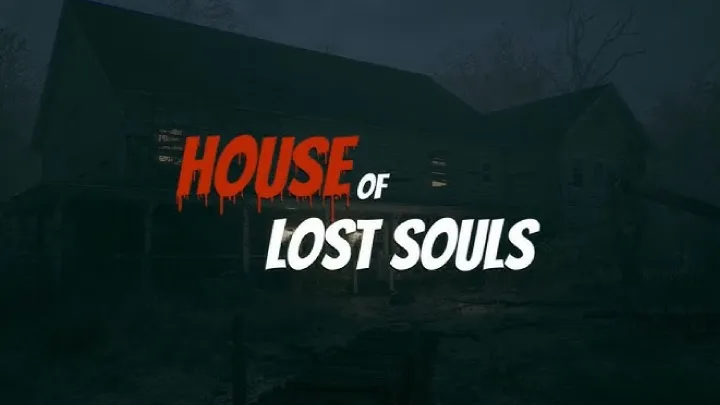
House of Lost Souls, released on April 9, 2025, by Arkuda Inc. for PC via Steam, is a first-person psychological horror game that immerses players in a chilling narrative-driven experience. Developed and published by the small indie studio Arkuda Inc., the game follows Jack, a man haunted by the childhood trauma of witnessing his parents’ murder in their family home. Years later, he returns to the eerie Mount Holly Estate to uncover the truth behind the tragedy, navigating distorted memories and supernatural phenomena. Marketed as a walking simulator with elements of survival horror, it emphasizes atmospheric exploration, puzzle-solving, and a gripping story over action-heavy gameplay.
The game draws inspiration from titles like What Remains of Edith Finch and P.T., blending a slow-burning narrative with unsettling visuals and sound design. Its core mechanic revolves around exploring a shapeshifting mansion, collecting key items, and piecing together Jack’s fragmented past through diary entries and ghostly encounters. Since its launch, House of Lost Souls has garnered mixed reviews, with a 65% positive rating on Steam (66 reviews) and critiques on OpenCritic highlighting both its emotional depth and technical shortcomings. Community discussions on X and Steam praise its haunting atmosphere but criticize bugs and pacing issues. This review delves into the game’s narrative, world, gameplay, and technical execution, assessing its strengths and flaws to determine its place in the horror genre. Whether you’re a fan of psychological horror or narrative-driven adventures, House of Lost Souls invites you to step into its unsettling halls—just be prepared for a bumpy journey.
Narrative & Storytelling
The narrative of House of Lost Souls centers on Jack, a protagonist tormented by the memory of his parents’ brutal murder in their family home. Returning to Mount Holly Estate as an adult, Jack seeks answers to calm his inner pain, only to find the house alive with distorted memories and supernatural forces. The story unfolds through environmental storytelling—notes, diary entries, and ghostly apparitions like a zombified father or a talking doll representing an unborn sister—revealing a tragedy tied to Jack’s father and the mansion’s dark history. The plot draws heavily on psychological horror, exploring themes of grief, guilt, and the blurred line between reality and illusion, reminiscent of Layers of Fear.
The game’s strength lies in its emotional weight. Diary entries and environmental clues, such as bloodied walls or a child’s drawing, create a palpable sense of loss, as noted on Metacritic. The nonlinear storytelling, where memories surface unpredictably, mirrors Jack’s fractured psyche, making each revelation feel personal. However, the narrative’s pacing falters, with some players on Steam reporting that key plot points arrive too slowly, and the multiple endings—while varied—can feel abrupt or unsatisfying without clear resolution. Community posts on X, like those from @core_xbox, praise the “heart-wrenching” story but note its reliance on repetitive jump scares, which dilutes the horror.
Compared to Amnesia: The Dark Descent, the narrative lacks the same depth of lore, but it succeeds in delivering a personal, introspective tale. The talking doll and ghostly family members add unique flavor, though some dialogue, as OpenCritic notes, feels “badly delivered,” undermining emotional payoffs. For players who enjoy piecing together fragmented stories, House of Lost Souls offers a compelling, if uneven, descent into trauma.
World & Environments
Mount Holly Estate is the centerpiece of House of Lost Souls, a decaying yet oddly pristine mansion that feels both familiar and alien. The game begins in a dark forest, guiding players to the boarded-up house, which contrasts its abandoned exterior with an interior powered by electricity and filled with valuables like plates and TVs. This juxtaposition, as highlighted in a Steam review by Sosich, creates an eerie atmosphere, as if the house is frozen in time. Rooms like the kitchen, attic, and basement are meticulously designed with realistic details—scattered trash, flickering lights, and creaking floorboards—evoking a lived-in yet haunted space.
The world’s design leans heavily on psychological horror, with distorted memories manifesting as shifting layouts or ghostly visions. For example, the attic’s missing ceiling allows players to glimpse the house’s structure, adding to the sense of unreality. Sound design amplifies tension, with distant whispers, thudding footsteps, and a sparse, unsettling soundtrack that draws comparisons to Silent Hill. However, repetitive textures and limited outdoor areas, constrained by invisible walls, restrict exploration, a flaw noted on Steam’s community hub. The lack of a map exacerbates this, making navigation feel restrictive compared to open-ended horror games like Outlast.
While the mansion’s atmosphere is a highlight, its small scope—primarily confined to indoor spaces—lacks the variety of larger horror titles. Free updates have promised new areas, but the base game’s world, while immersive, feels constrained. For players drawn to claustrophobic, detail-rich settings, Mount Holly delivers a chilling backdrop, though it struggles to maintain freshness over its 2-3 hour runtime.
Gameplay Mechanics
Core Loop
House of Lost Souls is a walking simulator with light survival horror elements, focusing on exploration, puzzle-solving, and narrative progression. Players guide Jack through the mansion, collecting key items (e.g., keys, notes) to unlock doors and trigger story events. The core loop involves navigating the house, solving environmental puzzles, and avoiding scripted jump scares, with no combat or death mechanics, as noted in a Steam review. This simplicity keeps the focus on story and atmosphere but limits interactivity.
Exploration & Interaction
Exploration drives gameplay, with players searching rooms for clues like diary entries or objects that reveal Jack’s past. Interactable items glow with a white outline when relevant, but unmarked objects blend into the environment, requiring close attention. The flashlight, with unlimited battery life, aids navigation, a relief compared to micromanagement-heavy horror titles. However, progression is heavily scripted, with doors remaining locked until specific events trigger, which can feel restrictive. Side activities, like reading notes to uncover backstory, add depth, but the lack of dynamic threats reduces tension, as OpenCritic points out.
Puzzles
Puzzles are straightforward, involving finding keys or solving basic environmental challenges, such as activating a power switch. While accessible, they lack the complexity of games like The Witness, and some, like the attic’s ceiling puzzle, are marred by bugs, as reported on Steam. The game encourages exploration over logic, rewarding players who check every drawer or corner, but randomization is absent, making subsequent playthroughs predictable.
Survival Elements
The absence of combat or death mechanics shifts focus to psychological horror, with jump scares from ghostly family members driving tension. However, their repetitive nature diminishes impact, and a major save bug—where progress resets, forcing players to replay events—frustrates, as noted by Sosich. The game’s short length (under 2 hours) mitigates some issues, but the lack of challenge beyond exploration disappoints fans of survival horror like Dead Space.
Gameplay is atmospheric but limited, appealing to fans of narrative-driven experiences but falling short for those seeking deeper mechanics or replayability. Compared to Gone Home, it excels in mood but lacks interactivity, making it a niche but evocative experience.
Technical Execution
House of Lost Souls’s technical execution is a mixed bag, with strong atmospheric elements undermined by persistent bugs. The game’s realistic visuals, powered by a robust engine, deliver detailed environments—boarded windows, dusty furniture, and flickering lights—that enhance immersion. However, texture issues, such as muddy indoor visuals unless settings are lowered, detract from polish, as noted on Steam. Performance is generally stable on PC, but optimization falters indoors, requiring medium or low settings for smooth play.
Audio design is a highlight, with creaking doors, ghostly whispers, and a minimalistic soundtrack creating dread, though some tracks loop excessively. Translation errors, particularly in German (e.g., “Auf” instead of “An” for “On”), frustrate non-English players, as reported on Steam’s community hub. Controls are basic, with simple inputs for movement and interaction, but the lack of an inverted Y-axis option, as flagged in a demo review, limits accessibility. A major save bug, where lights and jump scares reset after reloading, disrupts immersion, and the attic’s broken geometry risks softlocks. Post-launch patches have addressed some issues, but technical flaws remain a significant hurdle.
Community Feedback
House of Lost Souls has a polarized reception, with a 65% positive rating on Steam (66 reviews) and mixed critiques on OpenCritic. Players praise its atmosphere, with @core_xbox on X calling it “a creepy gem for horror fans,” and Reddit’s r/IndieGaming lauding its emotional storytelling. A 1streviewgame.com review highlights the haunting visuals and trading system (for swapping items like keys), though its impact is minimal. Critics from Kotaku and Metacritic commend the narrative’s emotional weight but criticize pacing and technical glitches, with OpenCritic noting “a broken door for every creepy moment.”
Negative feedback focuses on bugs, with Sosich’s Steam review detailing save issues and attic glitches, echoed by community posts on Steam’s hub. The short runtime (under 2 hours) and lack of replayability disappoint some, though others appreciate its brevity for narrative focus. Translation issues and missing control options, like Y-axis inversion, are frequent complaints. Despite this, the demo’s 74% positive rating (31 reviews) suggests potential, and players on X share atmospheric screenshots, fostering a small but dedicated fanbase. The game’s community is active but divided, with calls for patches to address technical woes.
Final Verdict
House of Lost Souls is a haunting, if flawed, psychological horror experience that excels in atmosphere and emotional storytelling but stumbles with technical issues and limited gameplay depth. Its chilling mansion, gripping narrative, and unsettling sound design make it a compelling choice for fans of walking simulators like What Remains of Edith Finch. However, bugs, repetitive jump scares, and a short runtime hinder its potential, making it a niche title rather than a genre standout. For players willing to overlook technical hiccups and embrace a brief, narrative-driven descent into grief, it’s worth a visit—just play in one sitting to avoid save issues.
Latest Reviews
Gorilla Tag
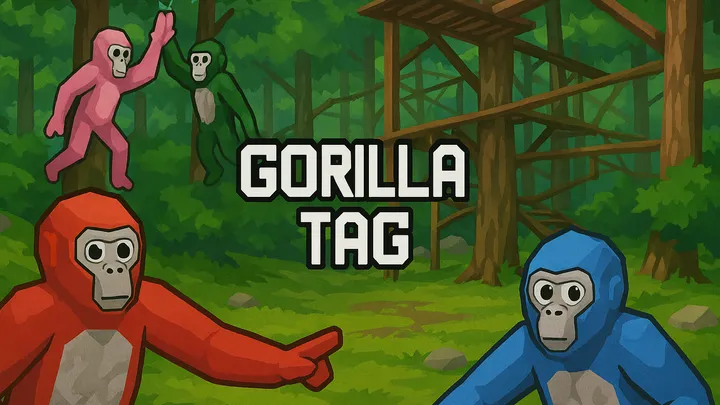
When Gorilla Tag was first released by developer Another Axiom in early access back in early 2021, few could have predicted the meteoric rise it would enjoy. The concept was almost childishly simple: you play as a gorilla in VR, using only your arms to move, jump, and climb, and the core game mode is… tag. That’s it. No complicated weapon systems. No sprawling maps with scripted events. No ultra-realistic graphics or heavy lore drops. Instead, it’s an unapologetically low-poly, physics-driven playground where movement is the mechanic.And yet, this stripped-down design has transformed Gorilla Tag from an experimental indie project into one of the most popular VR multiplayer games of all time. It’s a case study in how constraints can inspire innovation — and how social interaction, player creativity, and unconventional mechanics can create a phenomenon that defies traditional AAA wisdom.In this review, I’ll dissect Gorilla Tag from the perspective of a games analyst, covering its movement system, game design philosophy, social dynamics, competitive meta, community growth, technical execution, monetization strategy, and the future potential of the title. I’ll also touch on its cultural footprint and what it means for the VR industry as a whole.

Bloody Finger Jump
Is your finger faster then the others? Will your finger crush other enemies? Take up the challenge, compete and check how fast your fingers are. You can be sure that there will be blood...
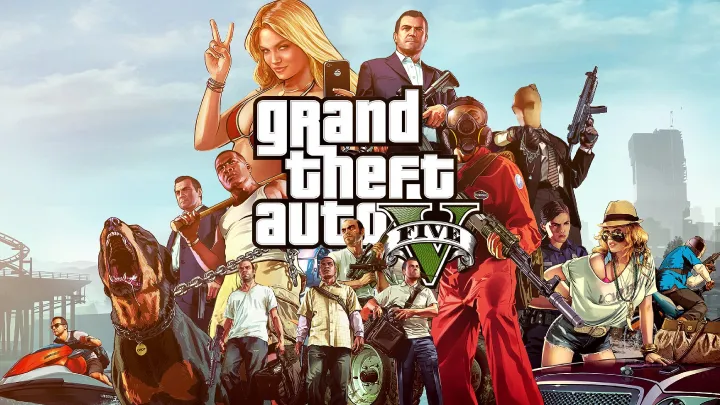
Grand Theft Auto V
Grand Theft Auto V isn't simply a game; it is an economic, social, and cultural document of the 21st century. Taking the familiar chaotic sandbox of its predecessors, it expands it into a living, breathing world of San Andreas—teeming with meticulous detail and a biting, satirical wit. Whether you are pulled into its high-stakes criminal economy or its deep social simulation, GTA V delivers a profound and unforgettable masterclass in open-world design.