League of Legends: Wild Rift
IntroductionReleased in late 2020 by Riot Games, League of Legends: Wild Rift is not a direct port of the PC classic League of Legends, but a ground-up reimagining for mobile and console. Designed to retain LoL’s competitive depth while streamlining mechanics for shorter, more accessible matches, Wild Rift serves as Riot’s entry into the already competitive mobile MOBA market — dominated by titles like Mobile Legends: Bang Bang and Arena of Valor.From an industry analyst’s perspective, Wild Rift is a hybrid product: it protects LoL’s brand integrity while adapting the formula to the realities of mobile gaming — shorter sessions, touch controls, and more casual-friendly pacing without losing core competitive identity.1. Core Gameplay StructureAt its heart, Wild Rift is still a 5v5 MOBA:Map – A reworked version of Summoner’s Rift, mirrored to balance both sides for mobile play.Roles – Baron Lane, Jungle, Mid Lane, Dragon Lane, and Support, mirroring PC LoL.Objectives – Turrets, Dragon, Baron, Rift Herald, inhibitors (reimagined as Nexus turrets).Win Condition – Destroy the enemy Nexus.The biggest adaptation: match length averages 15–20 minutes, about half of the typical PC LoL match.2. Adapting LoL to MobileRather than a stripped-down port, Riot rebuilt the game engine and systems for mobile:Twin-Stick Controls – Left thumb for movement, right for abilities and attacks.Smart Casting & Aim Assist – Optional settings make skillshots easier without removing skill expression.Streamlined Shop – Recommended builds with quick-buy buttons speed up decision-making.No Wards – Vision is simplified via ward trinkets and limited placement to reduce micromanagement.These design choices respect mobile session constraints while retaining competitive viability.3. Champion Roster and Balance PhilosophyWild Rift launched with ~40 champions and has steadily added more:Reworked Abilities – Some champions have altered kits for mobile pacing (e.g., skillshot speeds, ultimate effects).Release Cadence – New champions arrive every few weeks, catching up with PC LoL over time.Meta Differences – Mobile-focused changes mean Wild Rift has its own tier lists and balance patches, separate from PC.This ensures independent meta health rather than trying to mirror PC exactly.4. Match Flow and PacingMobile design demands high-impact action early:Gold/XP Acceleration – Faster leveling and item acquisition.Shorter Respawn Timers – Keeps players engaged.Objective Spawn Timing – Dragons and Rift Herald appear earlier, pushing team fights within the first 5 minutes.The result is a more aggressive game tempo suited for mobile esports and casual play alike.5. Visuals and PerformanceWild Rift is one of the most polished mobile MOBAs visually:High-Fidelity Models – Champion models rival PC counterparts.Animation Polish – Smooth ability transitions for clarity.Optimized Performance – Runs on mid-range devices at 60fps, with a 120fps option for flagship hardware.Readable Combat – UI and VFX tuned for small screens without clutter.The game’s aesthetic parity with PC LoL reinforces brand trust.6. Monetization ModelLike PC LoL, Wild Rift is free-to-play with cosmetic monetization:Champion Unlocks – Earnable via play or purchasable.Skins & Accessories – High-quality skins, often shared with PC versions, priced in premium currency.Events & Battle Pass – Seasonal passes with exclusive cosmetics and currency rewards.No Pay-to-Win – All competitive stats come from gameplay.Riot’s restraint here contrasts with some mobile MOBAs that sell gameplay-affecting advantages.7. Esports and Competitive PlayRiot has invested in Wild Rift esports:Wild Rift Icons Global Championship – Premier international tournament.Regional Leagues – SEA, LATAM, EMEA, and China have active circuits.Cross-Platform Ambition – Console integration could expand viewership.However, sustaining esports momentum will require player base growth in the West, where mobile MOBAs face heavier competition from PC/console titles.8. Competitive PositioningWild Rift faces a split-market challenge:Strengths – Strong IP, Riot polish, global LoL fanbase, fair monetization.Weaknesses – Smaller champion pool vs. Mobile Legends, heavier device requirements than ultra-light MOBAs.Opportunities – Crossovers with LoL esports, shared skins/events with PC version, targeting underserved console MOBA space.Threats – MLBB’s dominance in SEA, Honor of Kings in China, and mobile shooter competition.Its competitive edge lies in premium positioning, not sheer accessibility.9. Community and Player RetentionRetention strategies include:Daily/Weekly Missions – Steady rewards for casual logins.Seasonal Rank Resets – Keeps competitive ladder fresh.Frequent Champion Releases – Encourages meta exploration.Events Tied to PC LoL Lore – Builds cross-platform loyalty.Wild Rift’s social layer — friend lists, clans, and chat — mirrors PC LoL but in a more mobile-optimized package.10. Challenges and Future OutlookKey challenges ahead:Content Parity Pressure – Closing the gap with PC LoL’s champion roster.Regional Popularity Gaps – Needs deeper penetration in North America and Europe.Esports Investment ROI – Pro scene must justify spending with sustainable audiences.Future growth likely involves:Cross-Progression with PC LoL – Unified account rewards.More Console Support – Target hybrid-casual players.Expanded Casual Modes – ARAM, PvE events for broader appeal.ConclusionFrom an industry perspective, League of Legends: Wild Rift is a model adaptation of a complex PC title to mobile and console. It captures the essence of LoL — strategic depth, champion variety, team coordination — while making smart adjustments for mobile accessibility and session length.Its long-term success depends on closing regional adoption gaps, continuing its high-quality update cadence, and leveraging LoL’s global esports infrastructure to build a sustainable competitive ecosystem.Final Verdict: Wild Rift isn’t just “LoL on mobile” — it’s a carefully engineered sibling title that can stand on its own in the mobile MOBA arena.
Popular Now


Introduction
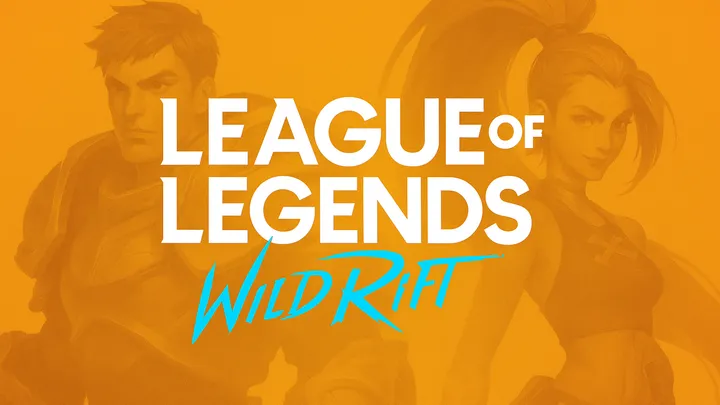
Released in late 2020 by Riot Games, League of Legends: Wild Rift is not a direct port of the PC classic League of Legends, but a ground-up reimagining for mobile and console. Designed to retain LoL’s competitive depth while streamlining mechanics for shorter, more accessible matches, Wild Rift serves as Riot’s entry into the already competitive mobile MOBA market — dominated by titles like Mobile Legends: Bang Bang and Arena of Valor.
From an industry analyst’s perspective, Wild Rift is a hybrid product: it protects LoL’s brand integrity while adapting the formula to the realities of mobile gaming — shorter sessions, touch controls, and more casual-friendly pacing without losing core competitive identity.
1. Core Gameplay Structure
At its heart, Wild Rift is still a 5v5 MOBA:
- Map – A reworked version of Summoner’s Rift, mirrored to balance both sides for mobile play.
- Roles – Baron Lane, Jungle, Mid Lane, Dragon Lane, and Support, mirroring PC LoL.
- Objectives – Turrets, Dragon, Baron, Rift Herald, inhibitors (reimagined as Nexus turrets).
- Win Condition – Destroy the enemy Nexus.
The biggest adaptation: match length averages 15–20 minutes, about half of the typical PC LoL match.
2. Adapting LoL to Mobile
Rather than a stripped-down port, Riot rebuilt the game engine and systems for mobile:
- Twin-Stick Controls – Left thumb for movement, right for abilities and attacks.
- Smart Casting & Aim Assist – Optional settings make skillshots easier without removing skill expression.
- Streamlined Shop – Recommended builds with quick-buy buttons speed up decision-making.
- No Wards – Vision is simplified via ward trinkets and limited placement to reduce micromanagement.
These design choices respect mobile session constraints while retaining competitive viability.
3. Champion Roster and Balance Philosophy
Wild Rift launched with ~40 champions and has steadily added more:
- Reworked Abilities – Some champions have altered kits for mobile pacing (e.g., skillshot speeds, ultimate effects).
- Release Cadence – New champions arrive every few weeks, catching up with PC LoL over time.
- Meta Differences – Mobile-focused changes mean Wild Rift has its own tier lists and balance patches, separate from PC.
This ensures independent meta health rather than trying to mirror PC exactly.
4. Match Flow and Pacing
Mobile design demands high-impact action early:
- Gold/XP Acceleration – Faster leveling and item acquisition.
- Shorter Respawn Timers – Keeps players engaged.
- Objective Spawn Timing – Dragons and Rift Herald appear earlier, pushing team fights within the first 5 minutes.
The result is a more aggressive game tempo suited for mobile esports and casual play alike.
5. Visuals and Performance
Wild Rift is one of the most polished mobile MOBAs visually:
- High-Fidelity Models – Champion models rival PC counterparts.
- Animation Polish – Smooth ability transitions for clarity.
- Optimized Performance – Runs on mid-range devices at 60fps, with a 120fps option for flagship hardware.
- Readable Combat – UI and VFX tuned for small screens without clutter.
The game’s aesthetic parity with PC LoL reinforces brand trust.
6. Monetization Model
Like PC LoL, Wild Rift is free-to-play with cosmetic monetization:
- Champion Unlocks – Earnable via play or purchasable.
- Skins & Accessories – High-quality skins, often shared with PC versions, priced in premium currency.
- Events & Battle Pass – Seasonal passes with exclusive cosmetics and currency rewards.
- No Pay-to-Win – All competitive stats come from gameplay.
Riot’s restraint here contrasts with some mobile MOBAs that sell gameplay-affecting advantages.
7. Esports and Competitive Play
Riot has invested in Wild Rift esports:
- Wild Rift Icons Global Championship – Premier international tournament.
- Regional Leagues – SEA, LATAM, EMEA, and China have active circuits.
- Cross-Platform Ambition – Console integration could expand viewership.
However, sustaining esports momentum will require player base growth in the West, where mobile MOBAs face heavier competition from PC/console titles.
8. Competitive Positioning
Wild Rift faces a split-market challenge:
- Strengths – Strong IP, Riot polish, global LoL fanbase, fair monetization.
- Weaknesses – Smaller champion pool vs. Mobile Legends, heavier device requirements than ultra-light MOBAs.
- Opportunities – Crossovers with LoL esports, shared skins/events with PC version, targeting underserved console MOBA space.
- Threats – MLBB’s dominance in SEA, Honor of Kings in China, and mobile shooter competition.
Its competitive edge lies in premium positioning, not sheer accessibility.
9. Community and Player Retention
Retention strategies include:
- Daily/Weekly Missions – Steady rewards for casual logins.
- Seasonal Rank Resets – Keeps competitive ladder fresh.
- Frequent Champion Releases – Encourages meta exploration.
- Events Tied to PC LoL Lore – Builds cross-platform loyalty.
Wild Rift’s social layer — friend lists, clans, and chat — mirrors PC LoL but in a more mobile-optimized package.
10. Challenges and Future Outlook
Key challenges ahead:
- Content Parity Pressure – Closing the gap with PC LoL’s champion roster.
- Regional Popularity Gaps – Needs deeper penetration in North America and Europe.
- Esports Investment ROI – Pro scene must justify spending with sustainable audiences.
Future growth likely involves:
- Cross-Progression with PC LoL – Unified account rewards.
- More Console Support – Target hybrid-casual players.
- Expanded Casual Modes – ARAM, PvE events for broader appeal.
Conclusion
From an industry perspective, League of Legends: Wild Rift is a model adaptation of a complex PC title to mobile and console. It captures the essence of LoL — strategic depth, champion variety, team coordination — while making smart adjustments for mobile accessibility and session length.
Its long-term success depends on closing regional adoption gaps, continuing its high-quality update cadence, and leveraging LoL’s global esports infrastructure to build a sustainable competitive ecosystem.
Final Verdict: Wild Rift isn’t just “LoL on mobile” — it’s a carefully engineered sibling title that can stand on its own in the mobile MOBA arena.
Latest Reviews
Gorilla Tag
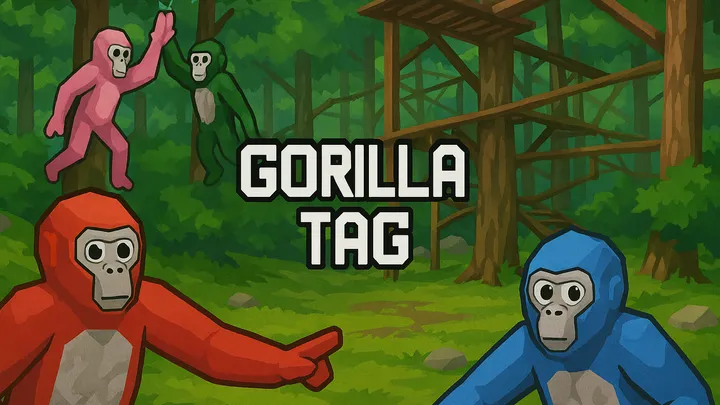
When Gorilla Tag was first released by developer Another Axiom in early access back in early 2021, few could have predicted the meteoric rise it would enjoy. The concept was almost childishly simple: you play as a gorilla in VR, using only your arms to move, jump, and climb, and the core game mode is… tag. That’s it. No complicated weapon systems. No sprawling maps with scripted events. No ultra-realistic graphics or heavy lore drops. Instead, it’s an unapologetically low-poly, physics-driven playground where movement is the mechanic.And yet, this stripped-down design has transformed Gorilla Tag from an experimental indie project into one of the most popular VR multiplayer games of all time. It’s a case study in how constraints can inspire innovation — and how social interaction, player creativity, and unconventional mechanics can create a phenomenon that defies traditional AAA wisdom.In this review, I’ll dissect Gorilla Tag from the perspective of a games analyst, covering its movement system, game design philosophy, social dynamics, competitive meta, community growth, technical execution, monetization strategy, and the future potential of the title. I’ll also touch on its cultural footprint and what it means for the VR industry as a whole.

Bloody Finger Jump
Is your finger faster then the others? Will your finger crush other enemies? Take up the challenge, compete and check how fast your fingers are. You can be sure that there will be blood...
Grand Theft Auto V
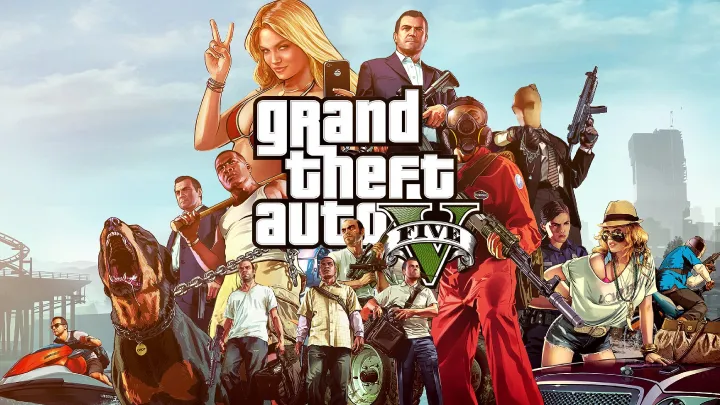
Grand Theft Auto V isn't simply a game; it is an economic, social, and cultural document of the 21st century. Taking the familiar chaotic sandbox of its predecessors, it expands it into a living, breathing world of San Andreas—teeming with meticulous detail and a biting, satirical wit. Whether you are pulled into its high-stakes criminal economy or its deep social simulation, GTA V delivers a profound and unforgettable masterclass in open-world design.