




Little Nightmares III
IntroductionLittle Nightmares III is the latest installment in the famous horror puzzle-platform series, developed by Supermassive Games and published by Bandai Namco Entertainment. Unlike previous entries created by Tarsier Studios, this new version introduces a major gameplay change: cooperative play.The game follows two new protagonists, Low and Alone, as they journey through a disturbing world known as “The Nowhere.” Players must solve environmental puzzles, avoid terrifying enemies, and survive in a dark, atmospheric setting.While the game builds upon the series’ signature puzzle-platform and horror elements, the introduction of co-op gameplay creates a major design challenge: balancing fear, pacing, and player interaction. This article explores how this shift impacts the overall gameplay experience.1. Core Gameplay Foundation of Little Nightmares IIIAt its core, Little Nightmares III remains a puzzle-platform survival horror game. Players navigate side-scrolling environments, solve puzzles, and avoid enemies rather than fighting them.The game emphasizes stealth, timing, and environmental interaction. Players must carefully observe their surroundings and use objects to progress.Core gameplay elements:Puzzle-platform traversalStealth and avoidance mechanicsEnvironmental storytellingHorror atmosphereDespite these familiar elements, a major change alters how players experience them.2. Introduction of Co-op GameplayFor the first time in the series, Little Nightmares III introduces online co-op gameplay. Players can either play with a friend or control one character while the other is handled by AI.This fundamentally changes how puzzles are designed, as they now require coordination between two characters.Co-op features:Online multiplayer supportAI companion in solo modeShared puzzle-solving mechanicsWhile innovative, this shift introduces several gameplay issues.3. Loss of Isolation in Horror ExperienceOne of the defining features of previous Little Nightmares games was the feeling of isolation. Players felt alone in a hostile and terrifying world.With co-op, this sense of loneliness is reduced. Having a partner — even an AI — can make the experience feel less tense.Impact on horror:Reduced psychological pressureLess fear of being aloneShared responsibility lowers tensionThis change weakens one of the series’ strongest elements.4. Puzzle Design Becomes More Complex but Less IntuitiveThe introduction of two characters allows for more complex puzzles. Players must now coordinate actions such as pulling levers, boosting each other, or timing movements together.However, this added complexity can also make puzzles less intuitive, especially for solo players relying on AI.Puzzle challenges:Requires synchronizationDependent on AI behaviorCan slow down gameplay pacingInstead of enhancing gameplay, complexity sometimes leads to frustration.5. AI Companion LimitationsWhen playing solo, one character is controlled by AI. While this allows single-player access to co-op mechanics, it introduces technical and gameplay issues.AI companions may not always react correctly or quickly enough, disrupting puzzle flow.AI-related problems:Delayed reactionsPathfinding issuesReduced immersionThis creates inconsistency in the gameplay experience.6. Shift from Pure Survival to Cooperative StrategyIn earlier games, survival depended entirely on the player’s skill. In Little Nightmares III, survival often depends on cooperation.This changes the gameplay from individual tension to shared strategy.Gameplay shift:From solo survival → cooperative problem-solvingFrom instinct → coordinationFrom fear → teamworkWhile this adds depth, it also changes the core identity of the game.7. Environmental Interaction and Character AbilitiesEach character (Low and Alone) has unique tools or abilities that affect gameplay. This adds variety and encourages teamwork.However, it also forces players into specific roles, limiting freedom.Gameplay effects:Role-based mechanicsDependency between charactersReduced flexibility in problem-solvingPlayers must follow designed solutions rather than experiment freely.8. Pacing Issues in Co-op GameplayCo-op gameplay introduces pacing problems. If one player is slower or makes mistakes, it affects the entire experience.In solo mode, AI delays can also interrupt the flow.Pacing problems:Waiting for partner actionsRepeating sequences due to errorsSlower progressionThis contrasts with the smoother pacing of previous titles.9. Visual and Atmospheric Strength Remains StrongDespite gameplay issues, Little Nightmares III maintains its strong visual identity. The environments remain disturbing, creative, and immersive.The world design continues to deliver the eerie feeling the series is known for.Strengths:Unique art styleDisturbing enemy designStrong environmental storytellingHowever, atmosphere alone cannot compensate for gameplay limitations.10. Balancing Innovation and IdentityThe biggest challenge for Little Nightmares III is balancing innovation with the series’ original identity.Co-op gameplay is a bold step forward, but it risks changing what made the series unique.Potential improvements:Optional solo-focused designSmarter AI behaviorHybrid puzzle systems (solo + co-op friendly)Maintaining isolation in certain segmentsFinding this balance is key to the game’s long-term success.ConclusionLittle Nightmares III successfully expands the series with new mechanics, particularly the introduction of co-op gameplay. Developed by Supermassive Games and published by Bandai Namco, the game brings fresh ideas while preserving its core horror-puzzle foundation.However, this innovation comes with trade-offs. The shift toward cooperative gameplay reduces the sense of isolation, introduces pacing issues, and creates reliance on AI or other players. These changes impact the core horror experience that defined earlier entries.Ultimately, Little Nightmares III represents a bold evolution, but one that struggles to fully balance innovation with the essence of the original series.
Popular Now



Introduction
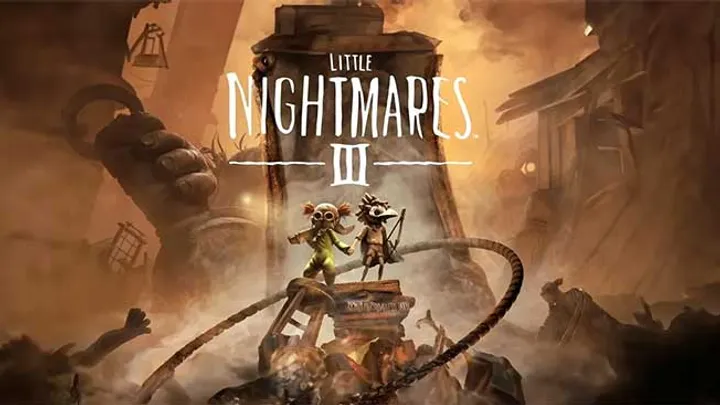
Little Nightmares III is the latest installment in the famous horror puzzle-platform series, developed by Supermassive Games and published by Bandai Namco Entertainment. Unlike previous entries created by Tarsier Studios, this new version introduces a major gameplay change: cooperative play.
The game follows two new protagonists, Low and Alone, as they journey through a disturbing world known as “The Nowhere.” Players must solve environmental puzzles, avoid terrifying enemies, and survive in a dark, atmospheric setting.
While the game builds upon the series’ signature puzzle-platform and horror elements, the introduction of co-op gameplay creates a major design challenge: balancing fear, pacing, and player interaction. This article explores how this shift impacts the overall gameplay experience.
1. Core Gameplay Foundation of Little Nightmares III
At its core, Little Nightmares III remains a puzzle-platform survival horror game. Players navigate side-scrolling environments, solve puzzles, and avoid enemies rather than fighting them.
The game emphasizes stealth, timing, and environmental interaction. Players must carefully observe their surroundings and use objects to progress.
Core gameplay elements:
- Puzzle-platform traversal
- Stealth and avoidance mechanics
- Environmental storytelling
- Horror atmosphere
Despite these familiar elements, a major change alters how players experience them.
2. Introduction of Co-op Gameplay
For the first time in the series, Little Nightmares III introduces online co-op gameplay. Players can either play with a friend or control one character while the other is handled by AI.
This fundamentally changes how puzzles are designed, as they now require coordination between two characters.
Co-op features:
- Online multiplayer support
- AI companion in solo mode
- Shared puzzle-solving mechanics
While innovative, this shift introduces several gameplay issues.
3. Loss of Isolation in Horror Experience
One of the defining features of previous Little Nightmares games was the feeling of isolation. Players felt alone in a hostile and terrifying world.
With co-op, this sense of loneliness is reduced. Having a partner — even an AI — can make the experience feel less tense.
Impact on horror:
- Reduced psychological pressure
- Less fear of being alone
- Shared responsibility lowers tension
This change weakens one of the series’ strongest elements.
4. Puzzle Design Becomes More Complex but Less Intuitive
The introduction of two characters allows for more complex puzzles. Players must now coordinate actions such as pulling levers, boosting each other, or timing movements together.
However, this added complexity can also make puzzles less intuitive, especially for solo players relying on AI.
Puzzle challenges:
- Requires synchronization
- Dependent on AI behavior
- Can slow down gameplay pacing
Instead of enhancing gameplay, complexity sometimes leads to frustration.
5. AI Companion Limitations
When playing solo, one character is controlled by AI. While this allows single-player access to co-op mechanics, it introduces technical and gameplay issues.
AI companions may not always react correctly or quickly enough, disrupting puzzle flow.
AI-related problems:
- Delayed reactions
- Pathfinding issues
- Reduced immersion
This creates inconsistency in the gameplay experience.
6. Shift from Pure Survival to Cooperative Strategy
In earlier games, survival depended entirely on the player’s skill. In Little Nightmares III, survival often depends on cooperation.
This changes the gameplay from individual tension to shared strategy.
Gameplay shift:
- From solo survival → cooperative problem-solving
- From instinct → coordination
- From fear → teamwork
While this adds depth, it also changes the core identity of the game.
7. Environmental Interaction and Character Abilities
Each character (Low and Alone) has unique tools or abilities that affect gameplay. This adds variety and encourages teamwork.
However, it also forces players into specific roles, limiting freedom.
Gameplay effects:
- Role-based mechanics
- Dependency between characters
- Reduced flexibility in problem-solving
Players must follow designed solutions rather than experiment freely.
8. Pacing Issues in Co-op Gameplay
Co-op gameplay introduces pacing problems. If one player is slower or makes mistakes, it affects the entire experience.
In solo mode, AI delays can also interrupt the flow.
Pacing problems:
- Waiting for partner actions
- Repeating sequences due to errors
- Slower progression
This contrasts with the smoother pacing of previous titles.
9. Visual and Atmospheric Strength Remains Strong
Despite gameplay issues, Little Nightmares III maintains its strong visual identity. The environments remain disturbing, creative, and immersive.
The world design continues to deliver the eerie feeling the series is known for.
Strengths:
- Unique art style
- Disturbing enemy design
- Strong environmental storytelling
However, atmosphere alone cannot compensate for gameplay limitations.
10. Balancing Innovation and Identity
The biggest challenge for Little Nightmares III is balancing innovation with the series’ original identity.
Co-op gameplay is a bold step forward, but it risks changing what made the series unique.
Potential improvements:
- Optional solo-focused design
- Smarter AI behavior
- Hybrid puzzle systems (solo + co-op friendly)
- Maintaining isolation in certain segments
Finding this balance is key to the game’s long-term success.
Conclusion
Little Nightmares III successfully expands the series with new mechanics, particularly the introduction of co-op gameplay. Developed by Supermassive Games and published by Bandai Namco, the game brings fresh ideas while preserving its core horror-puzzle foundation.
However, this innovation comes with trade-offs. The shift toward cooperative gameplay reduces the sense of isolation, introduces pacing issues, and creates reliance on AI or other players. These changes impact the core horror experience that defined earlier entries.
Ultimately, Little Nightmares III represents a bold evolution, but one that struggles to fully balance innovation with the essence of the original series.
Latest Reviews

Gorilla Tag
When Gorilla Tag was first released by developer Another Axiom in early access back in early 2021, few could have predicted the meteoric rise it would enjoy. The concept was almost childishly simple: you play as a gorilla in VR, using only your arms to move, jump, and climb, and the core game mode is… tag. That’s it. No complicated weapon systems. No sprawling maps with scripted events. No ultra-realistic graphics or heavy lore drops. Instead, it’s an unapologetically low-poly, physics-driven playground where movement is the mechanic.And yet, this stripped-down design has transformed Gorilla Tag from an experimental indie project into one of the most popular VR multiplayer games of all time. It’s a case study in how constraints can inspire innovation — and how social interaction, player creativity, and unconventional mechanics can create a phenomenon that defies traditional AAA wisdom.In this review, I’ll dissect Gorilla Tag from the perspective of a games analyst, covering its movement system, game design philosophy, social dynamics, competitive meta, community growth, technical execution, monetization strategy, and the future potential of the title. I’ll also touch on its cultural footprint and what it means for the VR industry as a whole.

Bloody Finger Jump
Is your finger faster then the others? Will your finger crush other enemies? Take up the challenge, compete and check how fast your fingers are. You can be sure that there will be blood...

Grand Theft Auto V
Grand Theft Auto V isn't simply a game; it is an economic, social, and cultural document of the 21st century. Taking the familiar chaotic sandbox of its predecessors, it expands it into a living, breathing world of San Andreas—teeming with meticulous detail and a biting, satirical wit. Whether you are pulled into its high-stakes criminal economy or its deep social simulation, GTA V delivers a profound and unforgettable masterclass in open-world design.