


Mafia: The Old Country
IntroductionMafia: The Old Country, developed by Hangar 13 and published by 2K Games, released on August 8, 2025, for PlayStation 5, Xbox Series X|S, and PC, marks a return to the gritty roots of the Mafia franchise with a prequel set in early 1900s Sicily. This third-person action-adventure game follows Enzo Favara, a young man rising through the ranks of the Torrisi crime family, blending intense combat with a cinematic narrative. Priced at $49.99 for the standard edition, it garnered attention through its authentic Sicilian setting and dramatic trailers, with early access feedback praising its storytelling and visuals, though some noted its linear design and technical hiccups. This review explores its narrative, world, gameplay, and technical execution to assess its standing as a mob epic.Narrative & StorytellingMafia: The Old Country weaves its narrative through a rich, cinematic storyline that unfolds without explicit dialogue, relying on visual cues and character interactions. Players embody Enzo Favara, a former sulfur mine worker who joins the Torrisi family after a twist of fate, navigating a world of loyalty, betrayal, and survival. The story progresses through key chapters—rural escapes, urban heists, and family rituals—revealing a tale of honor and sacrifice through abandoned letters, family crests, and Enzo’s evolving relationships. The climax delivers a poignant betrayal, tying his journey to the mafia’s origins, leaving players with a lingering sense of tragedy and reflection.However, the lack of spoken exposition might leave some wanting clearer motivations, as the experience hinges on emergent narratives—tense alliances, violent vendettas, or quiet moments of doubt—that depend on interpretation. The storytelling excels in its emotional weight and period authenticity, though its depth relies on the player’s engagement with Sicilian culture, making it a compelling saga for those who embrace its subtlety.World & EnvironmentsThe world of Mafia: The Old Country centers on a detailed Sicilian landscape, featuring rugged countryside, cobbled towns, and shadowy alleys, rendered with a gritty, historical aesthetic. The environments evolve with each chapter—vineyards, sulfur mines, and opera houses—enhanced by interactive elements like horseback paths, vintage cars, and collapsing structures, creating a dynamic backdrop. Sound design, with ambient crickets, distant gunfire, and Sicilian folk tunes, builds an immersive atmosphere, while weather effects like rain or dusk add tactical variety.Yet, the linear progression might limit environmental freedom over time, as the focus remains on mission-driven exploration rather than open-world roaming. The design prioritizes a historically rich setting, which could feel restrictive for players seeking broader landscapes. Community feedback celebrates the cultural detail and atmospheric depth, though some note the lack of side areas, suggesting a world that thrives in narrative but may benefit from expanded scope to sustain engagement.Gameplay MechanicsCore LoopThe core loop revolves around mission-based combat and stealth, where players complete objectives within 20-30 minute sessions, offering a structured rhythm. The cycle of planning, executing, and escaping drives a compelling flow, encouraging focused play.On-Field MechanicsThe gameplay hinges on tactical combat and stealth, with Enzo’s abilities—knife duels, shotgun blasts, and cover movement—adding strategic depth to evade or defeat enemies like rival mafiosi or guards. Horseback chases and car escapes introduce variety, though balance issues with enemy difficulty can disrupt flow. The mechanics reward timing and strategy, demanding skill to master their intensity.Mode-Specific FeaturesThe primary mode focuses on story missions, with chapters like the Mine Escape or Opera Heist providing goals, such as eliminating targets or securing loot. Exploration mode adds free-roam options, while the rosary bead system offers minor buffs, introducing customization. The range of activities caters to different playstyles, but balance adjustments for checkpoint placement and enemy AI lag, a point raised in early feedback.Progression & MultiplayerProgression includes earning respect, unlocking weapons, and advancing ranks, balancing grind with narrative rewards in a system that feels satisfying based on initial play. The game lacks traditional multiplayer, but its single-player focus fosters a personal journey, though the absence of co-op limits social depth. The progression system thrives on story advancement, requiring refinement to enhance replayability.Technical ExecutionMafia: The Old Country delivers a visually stunning experience with its detailed environments, lifelike character models, and period-authentic lighting, optimized for next-gen consoles but playable on PC with adjustments. Post-launch updates have addressed stability, but occasional frame drops during cutscenes persist. Audio impresses with a haunting score and environmental sounds, though repetitive combat noises can detract over long sessions.Controls are responsive with precise analog and button inputs, offering a natural feel across controllers, though the lack of touch support limits mobile versatility. Ongoing updates are refining core systems, but initial technical hiccups suggest continued optimization is needed. The execution supports the cinematic focus, with visuals and audio as strengths amid polish challenges.Community FeedbackMafia: The Old Country has cultivated an enthusiastic community, with early praise for its story, atmospheric world, and combat design, though concerns about length, difficulty, and performance surface from player discussions. Excitement for Enzo’s journey and the Sicilian setting is widespread, but frustration with abrupt difficulty spikes and occasional bugs persists. Community feedback drives development, sustaining interest, and player retention remains strong, fueled by the game’s epic appeal.Criticism centers on content length and technical stability, with players noting its brevity and a desire for more missions, alongside debates over performance on base consoles. The community’s active input shapes updates, reflecting a group eager to see the game evolve into a polished mob experience.Final VerdictMafia: The Old Country delivers a gripping action-adventure with its cinematic storytelling and intense gameplay, celebrating the mafia’s origins. Its dynamic world and combat mechanics shine, though length and technical issues pose challenges. It’s a must-play for action fans, with patience required as updates refine the experience.
Popular Now


Introduction
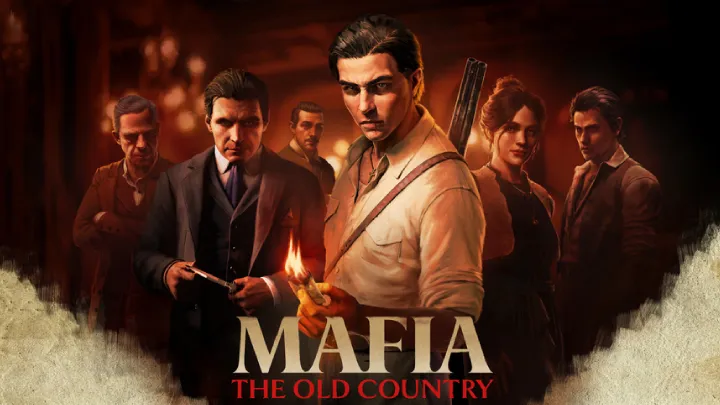
Mafia: The Old Country, developed by Hangar 13 and published by 2K Games, released on August 8, 2025, for PlayStation 5, Xbox Series X|S, and PC, marks a return to the gritty roots of the Mafia franchise with a prequel set in early 1900s Sicily. This third-person action-adventure game follows Enzo Favara, a young man rising through the ranks of the Torrisi crime family, blending intense combat with a cinematic narrative. Priced at $49.99 for the standard edition, it garnered attention through its authentic Sicilian setting and dramatic trailers, with early access feedback praising its storytelling and visuals, though some noted its linear design and technical hiccups. This review explores its narrative, world, gameplay, and technical execution to assess its standing as a mob epic.
Narrative & Storytelling
Mafia: The Old Country weaves its narrative through a rich, cinematic storyline that unfolds without explicit dialogue, relying on visual cues and character interactions. Players embody Enzo Favara, a former sulfur mine worker who joins the Torrisi family after a twist of fate, navigating a world of loyalty, betrayal, and survival. The story progresses through key chapters—rural escapes, urban heists, and family rituals—revealing a tale of honor and sacrifice through abandoned letters, family crests, and Enzo’s evolving relationships. The climax delivers a poignant betrayal, tying his journey to the mafia’s origins, leaving players with a lingering sense of tragedy and reflection.
However, the lack of spoken exposition might leave some wanting clearer motivations, as the experience hinges on emergent narratives—tense alliances, violent vendettas, or quiet moments of doubt—that depend on interpretation. The storytelling excels in its emotional weight and period authenticity, though its depth relies on the player’s engagement with Sicilian culture, making it a compelling saga for those who embrace its subtlety.
World & Environments
The world of Mafia: The Old Country centers on a detailed Sicilian landscape, featuring rugged countryside, cobbled towns, and shadowy alleys, rendered with a gritty, historical aesthetic. The environments evolve with each chapter—vineyards, sulfur mines, and opera houses—enhanced by interactive elements like horseback paths, vintage cars, and collapsing structures, creating a dynamic backdrop. Sound design, with ambient crickets, distant gunfire, and Sicilian folk tunes, builds an immersive atmosphere, while weather effects like rain or dusk add tactical variety.
Yet, the linear progression might limit environmental freedom over time, as the focus remains on mission-driven exploration rather than open-world roaming. The design prioritizes a historically rich setting, which could feel restrictive for players seeking broader landscapes. Community feedback celebrates the cultural detail and atmospheric depth, though some note the lack of side areas, suggesting a world that thrives in narrative but may benefit from expanded scope to sustain engagement.
Gameplay Mechanics
Core Loop
The core loop revolves around mission-based combat and stealth, where players complete objectives within 20-30 minute sessions, offering a structured rhythm. The cycle of planning, executing, and escaping drives a compelling flow, encouraging focused play.
On-Field Mechanics
The gameplay hinges on tactical combat and stealth, with Enzo’s abilities—knife duels, shotgun blasts, and cover movement—adding strategic depth to evade or defeat enemies like rival mafiosi or guards. Horseback chases and car escapes introduce variety, though balance issues with enemy difficulty can disrupt flow. The mechanics reward timing and strategy, demanding skill to master their intensity.
Mode-Specific Features
The primary mode focuses on story missions, with chapters like the Mine Escape or Opera Heist providing goals, such as eliminating targets or securing loot. Exploration mode adds free-roam options, while the rosary bead system offers minor buffs, introducing customization. The range of activities caters to different playstyles, but balance adjustments for checkpoint placement and enemy AI lag, a point raised in early feedback.
Progression & Multiplayer
Progression includes earning respect, unlocking weapons, and advancing ranks, balancing grind with narrative rewards in a system that feels satisfying based on initial play. The game lacks traditional multiplayer, but its single-player focus fosters a personal journey, though the absence of co-op limits social depth. The progression system thrives on story advancement, requiring refinement to enhance replayability.
Technical Execution
Mafia: The Old Country delivers a visually stunning experience with its detailed environments, lifelike character models, and period-authentic lighting, optimized for next-gen consoles but playable on PC with adjustments. Post-launch updates have addressed stability, but occasional frame drops during cutscenes persist. Audio impresses with a haunting score and environmental sounds, though repetitive combat noises can detract over long sessions.
Controls are responsive with precise analog and button inputs, offering a natural feel across controllers, though the lack of touch support limits mobile versatility. Ongoing updates are refining core systems, but initial technical hiccups suggest continued optimization is needed. The execution supports the cinematic focus, with visuals and audio as strengths amid polish challenges.
Community Feedback
Mafia: The Old Country has cultivated an enthusiastic community, with early praise for its story, atmospheric world, and combat design, though concerns about length, difficulty, and performance surface from player discussions. Excitement for Enzo’s journey and the Sicilian setting is widespread, but frustration with abrupt difficulty spikes and occasional bugs persists. Community feedback drives development, sustaining interest, and player retention remains strong, fueled by the game’s epic appeal.
Criticism centers on content length and technical stability, with players noting its brevity and a desire for more missions, alongside debates over performance on base consoles. The community’s active input shapes updates, reflecting a group eager to see the game evolve into a polished mob experience.
Final Verdict
Mafia: The Old Country delivers a gripping action-adventure with its cinematic storytelling and intense gameplay, celebrating the mafia’s origins. Its dynamic world and combat mechanics shine, though length and technical issues pose challenges. It’s a must-play for action fans, with patience required as updates refine the experience.
Latest Reviews

Gorilla Tag
When Gorilla Tag was first released by developer Another Axiom in early access back in early 2021, few could have predicted the meteoric rise it would enjoy. The concept was almost childishly simple: you play as a gorilla in VR, using only your arms to move, jump, and climb, and the core game mode is… tag. That’s it. No complicated weapon systems. No sprawling maps with scripted events. No ultra-realistic graphics or heavy lore drops. Instead, it’s an unapologetically low-poly, physics-driven playground where movement is the mechanic.And yet, this stripped-down design has transformed Gorilla Tag from an experimental indie project into one of the most popular VR multiplayer games of all time. It’s a case study in how constraints can inspire innovation — and how social interaction, player creativity, and unconventional mechanics can create a phenomenon that defies traditional AAA wisdom.In this review, I’ll dissect Gorilla Tag from the perspective of a games analyst, covering its movement system, game design philosophy, social dynamics, competitive meta, community growth, technical execution, monetization strategy, and the future potential of the title. I’ll also touch on its cultural footprint and what it means for the VR industry as a whole.

Bloody Finger Jump
Is your finger faster then the others? Will your finger crush other enemies? Take up the challenge, compete and check how fast your fingers are. You can be sure that there will be blood...
Grand Theft Auto V
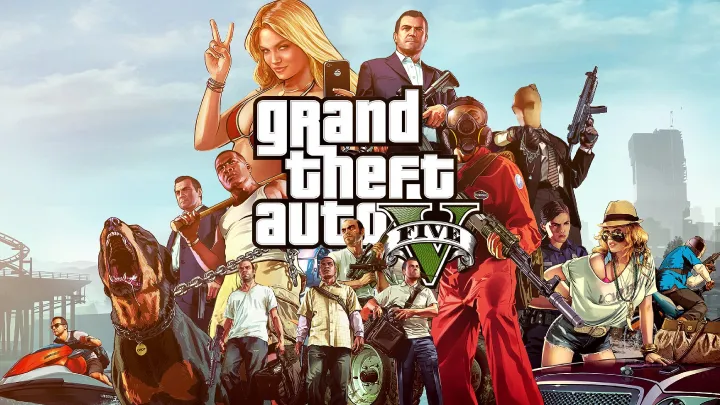
Grand Theft Auto V isn't simply a game; it is an economic, social, and cultural document of the 21st century. Taking the familiar chaotic sandbox of its predecessors, it expands it into a living, breathing world of San Andreas—teeming with meticulous detail and a biting, satirical wit. Whether you are pulled into its high-stakes criminal economy or its deep social simulation, GTA V delivers a profound and unforgettable masterclass in open-world design.