




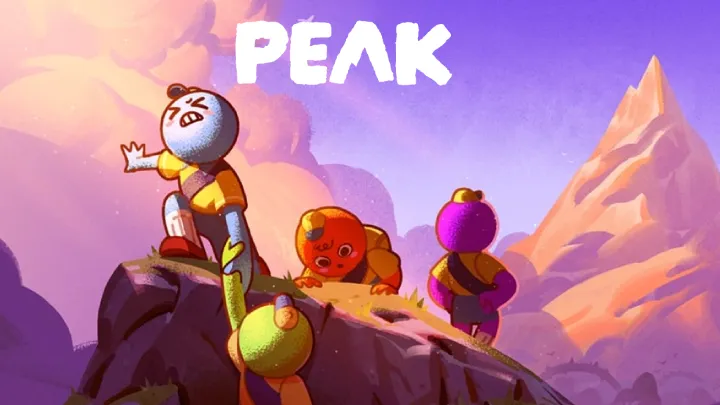
IntroductionPEAK, developed by a collaboration between Aggro Crab and Landfall Games and published by the same team, released on June 16, 2025, for PC (Steam), introduces a refreshing take on the cooperative survival genre. This indie game casts players as stranded scouts tasked with scaling a towering mountain on a mysterious island, relying on teamwork and resource management to survive. Priced at an accessible $7.99, it quickly gained traction through its charming chaos and social dynamics, showcased in player-shared climbs and community livestreams. Early feedback praised its cooperative fun and daily map changes, though some noted technical issues and a steep learning curve. This review explores its narrative, world, gameplay, and technical execution to assess its standing as a standout cooperative adventure.Narrative & StorytellingPEAK weaves its narrative through a minimalist, player-driven storyline that emerges through survival and teamwork. Players embody scouts stranded after a plane crash, with the story unfolding through environmental hints—like scattered suitcases or the Scoutmaster’s taunts—and cooperative banter via proximity chat. The narrative arc centers on the collective journey to the mountain’s peak for rescue, with key moments—such as surviving a blizzard or earning badges—adding a sense of achievement. These moments foster camaraderie and resilience, evolving from initial chaos to triumphant summits.However, the lack of a structured plot might leave some wanting deeper lore, as the experience relies on emergent narratives—team strategies, accidental falls, or badge pursuits—that depend on player interaction. The storytelling excels in its lighthearted chaos and social focus, though its depth hinges on the group’s engagement, making it a lively tale for those who thrive in cooperative spontaneity.World & EnvironmentsThe world of PEAK centers on a procedurally generated island, featuring diverse biomes—beaches, jungles, snowy peaks, and lava zones—rendered with a colorful, cartoonish aesthetic. The environments shift daily—rain-soaked vines, icy winds, or volcanic hazards—enhanced by interactive elements like ropes, climbing spikes, and loot crates, creating a dynamic backdrop. Sound design, with ambient nature sounds, proximity chat echoes, and a playful soundtrack, builds an immersive atmosphere, while weather effects like fog or storms add tactical variety.Yet, the daily reset might limit environmental permanence over time, as the focus remains on fresh challenges rather than a persistent world. The design prioritizes a lively, evolving setting, which could feel disorienting for players seeking a stable landscape. Community feedback celebrates the biome diversity and audio immersion, though some note the lack of a persistent hub, suggesting a world that thrives in variety but may benefit from a central anchor to sustain engagement.Gameplay MechanicsCore LoopThe core loop revolves around climbing and survival, where players ascend and manage resources within 30-60 minute sessions, offering a brisk rhythm. The cycle of scaling, scavenging, and reviving teammates drives a compelling flow, encouraging persistent play.On-Field MechanicsThe gameplay hinges on climbing mechanics, where players use stamina, ropes, and items like bandages, with tactical depth added by biome hazards and team coordination. Combat with environmental threats and the Scoutmaster introduces variety, though balance issues with stamina depletion can disrupt flow. The mechanics reward teamwork and quick thinking, demanding mastery to overcome their chaotic nature.Mode-Specific FeaturesThe primary mode focuses on the climb to the peak, with biomes and checkpoints providing goals, such as collecting suitcases or earning badges. Daily map changes and difficulty tiers add variety, while cosmetic unlocks offer customization. The range of activities caters to different playstyles, but balance adjustments for stamina costs and item scarcity lag, a point raised in early feedback.Progression & MultiplayerProgression includes earning badges, unlocking cosmetics, and mastering routes, balancing grind with social and visual rewards in a system that feels satisfying based on initial play. The game supports multiplayer with up to four players via friends-only co-op, with real-time collaboration and chat, though the lack of matchmaking limits accessibility. The progression and multiplayer elements thrive on team synergy, requiring refinement to enhance solo play.Technical ExecutionPEAK delivers a visually delightful experience with its cartoonish graphics, expressive animations, and seasonal effects, optimized across platforms with minimal requirements. Post-launch updates have addressed stability, but occasional glitches like server disconnects or physics bugs persist. Audio impresses with a cheerful score and proximity chat effects, though repetitive loops can detract over long sessions.Controls are responsive with precise button inputs, offering a natural feel across controllers and keyboards, though the lack of touch support limits mobile versatility. Ongoing updates are refining core systems, but initial technical hiccups suggest continued optimization is needed. The execution supports the cooperative focus, with visuals and audio as strengths amid polish challenges.Community FeedbackPEAK has fostered a vibrant community, with early praise for its cooperative fun, daily variety, and badge system, though concerns about technical issues, stamina balance, and matchmaking surface from player discussions. Excitement for team antics and new maps is widespread, but frustration with bugs and solo difficulty persists. Community feedback drives development, sustaining interest, and player retention remains strong, fueled by the game’s social appeal.Criticism centers on technical stability and accessibility, with players noting glitches and a desire for matchmaking or easier modes, alongside debates over stamina mechanics. The community’s active input shapes updates, reflecting a group eager to see the game evolve into a polished cooperative experience.Final VerdictPEAK delivers a thrilling cooperative survival adventure with its dynamic climbs and team spirit, celebrating the joy of scaling together. Its daily maps and badge system shine, though technical issues and stamina challenges pose hurdles. It’s a must-play for cooperative fans, with patience required as updates refine the experience.
Popular Now



Introduction
PEAK, developed by a collaboration between Aggro Crab and Landfall Games and published by the same team, released on June 16, 2025, for PC (Steam), introduces a refreshing take on the cooperative survival genre. This indie game casts players as stranded scouts tasked with scaling a towering mountain on a mysterious island, relying on teamwork and resource management to survive. Priced at an accessible $7.99, it quickly gained traction through its charming chaos and social dynamics, showcased in player-shared climbs and community livestreams. Early feedback praised its cooperative fun and daily map changes, though some noted technical issues and a steep learning curve. This review explores its narrative, world, gameplay, and technical execution to assess its standing as a standout cooperative adventure.
Narrative & Storytelling
PEAK weaves its narrative through a minimalist, player-driven storyline that emerges through survival and teamwork. Players embody scouts stranded after a plane crash, with the story unfolding through environmental hints—like scattered suitcases or the Scoutmaster’s taunts—and cooperative banter via proximity chat. The narrative arc centers on the collective journey to the mountain’s peak for rescue, with key moments—such as surviving a blizzard or earning badges—adding a sense of achievement. These moments foster camaraderie and resilience, evolving from initial chaos to triumphant summits.
However, the lack of a structured plot might leave some wanting deeper lore, as the experience relies on emergent narratives—team strategies, accidental falls, or badge pursuits—that depend on player interaction. The storytelling excels in its lighthearted chaos and social focus, though its depth hinges on the group’s engagement, making it a lively tale for those who thrive in cooperative spontaneity.
World & Environments
The world of PEAK centers on a procedurally generated island, featuring diverse biomes—beaches, jungles, snowy peaks, and lava zones—rendered with a colorful, cartoonish aesthetic. The environments shift daily—rain-soaked vines, icy winds, or volcanic hazards—enhanced by interactive elements like ropes, climbing spikes, and loot crates, creating a dynamic backdrop. Sound design, with ambient nature sounds, proximity chat echoes, and a playful soundtrack, builds an immersive atmosphere, while weather effects like fog or storms add tactical variety.
Yet, the daily reset might limit environmental permanence over time, as the focus remains on fresh challenges rather than a persistent world. The design prioritizes a lively, evolving setting, which could feel disorienting for players seeking a stable landscape. Community feedback celebrates the biome diversity and audio immersion, though some note the lack of a persistent hub, suggesting a world that thrives in variety but may benefit from a central anchor to sustain engagement.
Gameplay Mechanics
Core Loop
The core loop revolves around climbing and survival, where players ascend and manage resources within 30-60 minute sessions, offering a brisk rhythm. The cycle of scaling, scavenging, and reviving teammates drives a compelling flow, encouraging persistent play.
On-Field Mechanics
The gameplay hinges on climbing mechanics, where players use stamina, ropes, and items like bandages, with tactical depth added by biome hazards and team coordination. Combat with environmental threats and the Scoutmaster introduces variety, though balance issues with stamina depletion can disrupt flow. The mechanics reward teamwork and quick thinking, demanding mastery to overcome their chaotic nature.
Mode-Specific Features
The primary mode focuses on the climb to the peak, with biomes and checkpoints providing goals, such as collecting suitcases or earning badges. Daily map changes and difficulty tiers add variety, while cosmetic unlocks offer customization. The range of activities caters to different playstyles, but balance adjustments for stamina costs and item scarcity lag, a point raised in early feedback.
Progression & Multiplayer
Progression includes earning badges, unlocking cosmetics, and mastering routes, balancing grind with social and visual rewards in a system that feels satisfying based on initial play. The game supports multiplayer with up to four players via friends-only co-op, with real-time collaboration and chat, though the lack of matchmaking limits accessibility. The progression and multiplayer elements thrive on team synergy, requiring refinement to enhance solo play.
Technical Execution
PEAK delivers a visually delightful experience with its cartoonish graphics, expressive animations, and seasonal effects, optimized across platforms with minimal requirements. Post-launch updates have addressed stability, but occasional glitches like server disconnects or physics bugs persist. Audio impresses with a cheerful score and proximity chat effects, though repetitive loops can detract over long sessions.
Controls are responsive with precise button inputs, offering a natural feel across controllers and keyboards, though the lack of touch support limits mobile versatility. Ongoing updates are refining core systems, but initial technical hiccups suggest continued optimization is needed. The execution supports the cooperative focus, with visuals and audio as strengths amid polish challenges.
Community Feedback
PEAK has fostered a vibrant community, with early praise for its cooperative fun, daily variety, and badge system, though concerns about technical issues, stamina balance, and matchmaking surface from player discussions. Excitement for team antics and new maps is widespread, but frustration with bugs and solo difficulty persists. Community feedback drives development, sustaining interest, and player retention remains strong, fueled by the game’s social appeal.
Criticism centers on technical stability and accessibility, with players noting glitches and a desire for matchmaking or easier modes, alongside debates over stamina mechanics. The community’s active input shapes updates, reflecting a group eager to see the game evolve into a polished cooperative experience.
Final Verdict
PEAK delivers a thrilling cooperative survival adventure with its dynamic climbs and team spirit, celebrating the joy of scaling together. Its daily maps and badge system shine, though technical issues and stamina challenges pose hurdles. It’s a must-play for cooperative fans, with patience required as updates refine the experience.
Latest Reviews
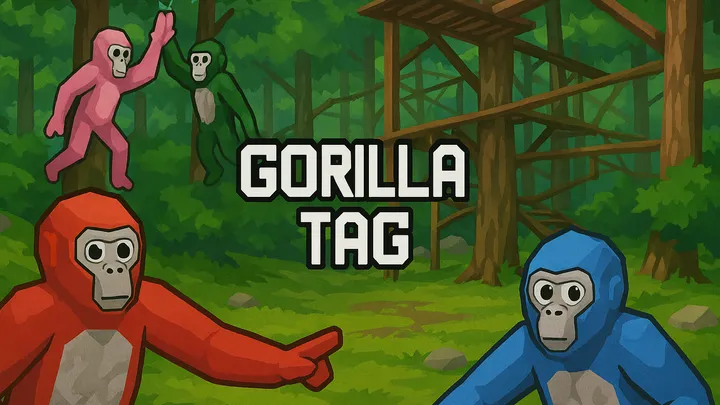
Gorilla Tag
When Gorilla Tag was first released by developer Another Axiom in early access back in early 2021, few could have predicted the meteoric rise it would enjoy. The concept was almost childishly simple: you play as a gorilla in VR, using only your arms to move, jump, and climb, and the core game mode is… tag. That’s it. No complicated weapon systems. No sprawling maps with scripted events. No ultra-realistic graphics or heavy lore drops. Instead, it’s an unapologetically low-poly, physics-driven playground where movement is the mechanic.And yet, this stripped-down design has transformed Gorilla Tag from an experimental indie project into one of the most popular VR multiplayer games of all time. It’s a case study in how constraints can inspire innovation — and how social interaction, player creativity, and unconventional mechanics can create a phenomenon that defies traditional AAA wisdom.In this review, I’ll dissect Gorilla Tag from the perspective of a games analyst, covering its movement system, game design philosophy, social dynamics, competitive meta, community growth, technical execution, monetization strategy, and the future potential of the title. I’ll also touch on its cultural footprint and what it means for the VR industry as a whole.

Bloody Finger Jump
Is your finger faster then the others? Will your finger crush other enemies? Take up the challenge, compete and check how fast your fingers are. You can be sure that there will be blood...

Grand Theft Auto V
Grand Theft Auto V isn't simply a game; it is an economic, social, and cultural document of the 21st century. Taking the familiar chaotic sandbox of its predecessors, it expands it into a living, breathing world of San Andreas—teeming with meticulous detail and a biting, satirical wit. Whether you are pulled into its high-stakes criminal economy or its deep social simulation, GTA V delivers a profound and unforgettable masterclass in open-world design.