



Quarantine Zone: The Last Check
IntroductionQuarantine Zone: The Last Check, developed by Brigada Games and published by Devolver Digital, is a 3D simulation game inspired by the decision-driven mechanics of Papers, Please. Released in 2026 for PC, the game places players in charge of a military checkpoint during a zombie outbreak. Your job is to examine refugees, detect infection, and decide who is allowed into the quarantine zone—decisions that can determine the survival of humanity. Core FeaturesCheckpoint Inspection GameplayPlayers inspect survivors arriving at a quarantine gate during a zombie pandemic.Each person must be examined for symptoms, documents, or suspicious items before being allowed in. Life-or-Death Decision SystemAfter inspection, players decide whether to admit, quarantine, or eliminate a person suspected of infection.Mistakes can allow the virus to spread beyond the checkpoint. Diagnostic Tools and ScanningUse tools such as scanners, thermometers, or inspection devices to detect hidden symptoms or contraband.Visual clues like wounds, coughing, or unusual behavior help determine infection risk. Base and Resource ManagementManage power, supplies, and facilities within the checkpoint.Earn money to upgrade defenses, housing, or equipment for better survival chances. Nighttime Zombie DefenseThe checkpoint can be attacked by zombie hordes at night.Players control defensive systems such as armed drones to protect the base. StrengthsUnique simulation concept – Combining border inspection mechanics with a zombie outbreak scenario creates a fresh gameplay idea.Meaningful moral decisions – Players constantly face difficult choices that impact survivors’ lives.Immersive atmosphere – The tense environment and realistic inspections add to the feeling of responsibility.Strategic progression – Upgrading facilities and tools provides long-term goals beyond simple inspection tasks.Strong player interest – The game gained major popularity on Steam and became a top-selling release shortly after launch. WeaknessesRepetitive gameplay loop – Inspecting survivors repeatedly can become monotonous over long sessions. Limited base management depth – Some management systems feel simplified and lack strategic complexity. Technical issues – Early versions of the game reportedly included bugs and graphical problems. Short content variety – Additional activities like defense missions exist but are relatively brief. ConclusionQuarantine Zone: The Last Check offers an intriguing blend of moral decision-making, zombie survival, and checkpoint simulation. Its core concept—screening refugees to prevent infection—creates tense and meaningful gameplay moments. While the inspection loop can become repetitive and some systems feel underdeveloped, the game still stands out as a creative indie simulator with a strong atmosphere and unique premise.
Popular Now




Introduction
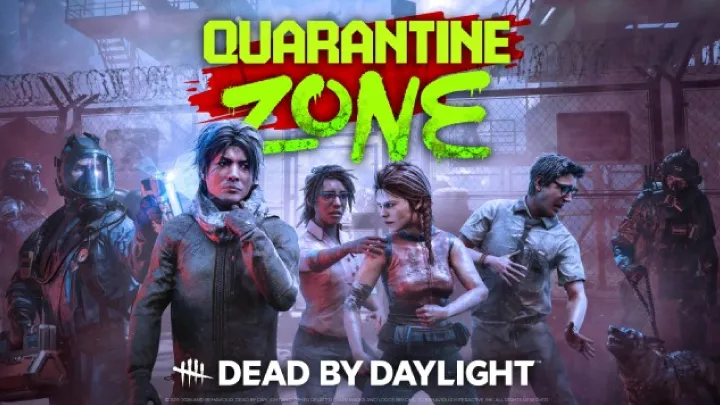
Quarantine Zone: The Last Check, developed by Brigada Games and published by Devolver Digital, is a 3D simulation game inspired by the decision-driven mechanics of Papers, Please. Released in 2026 for PC, the game places players in charge of a military checkpoint during a zombie outbreak. Your job is to examine refugees, detect infection, and decide who is allowed into the quarantine zone—decisions that can determine the survival of humanity.
Core Features
- Checkpoint Inspection Gameplay
- Players inspect survivors arriving at a quarantine gate during a zombie pandemic.
- Each person must be examined for symptoms, documents, or suspicious items before being allowed in.
- Life-or-Death Decision System
- After inspection, players decide whether to admit, quarantine, or eliminate a person suspected of infection.
- Mistakes can allow the virus to spread beyond the checkpoint.
- Diagnostic Tools and Scanning
- Use tools such as scanners, thermometers, or inspection devices to detect hidden symptoms or contraband.
- Visual clues like wounds, coughing, or unusual behavior help determine infection risk.
- Base and Resource Management
- Manage power, supplies, and facilities within the checkpoint.
- Earn money to upgrade defenses, housing, or equipment for better survival chances.
- Nighttime Zombie Defense
- The checkpoint can be attacked by zombie hordes at night.
- Players control defensive systems such as armed drones to protect the base.
Strengths
- Unique simulation concept – Combining border inspection mechanics with a zombie outbreak scenario creates a fresh gameplay idea.
- Meaningful moral decisions – Players constantly face difficult choices that impact survivors’ lives.
- Immersive atmosphere – The tense environment and realistic inspections add to the feeling of responsibility.
- Strategic progression – Upgrading facilities and tools provides long-term goals beyond simple inspection tasks.
- Strong player interest – The game gained major popularity on Steam and became a top-selling release shortly after launch.
Weaknesses
- Repetitive gameplay loop – Inspecting survivors repeatedly can become monotonous over long sessions.
- Limited base management depth – Some management systems feel simplified and lack strategic complexity.
- Technical issues – Early versions of the game reportedly included bugs and graphical problems.
- Short content variety – Additional activities like defense missions exist but are relatively brief.
Conclusion
Quarantine Zone: The Last Check offers an intriguing blend of moral decision-making, zombie survival, and checkpoint simulation. Its core concept—screening refugees to prevent infection—creates tense and meaningful gameplay moments. While the inspection loop can become repetitive and some systems feel underdeveloped, the game still stands out as a creative indie simulator with a strong atmosphere and unique premise.
Latest Reviews
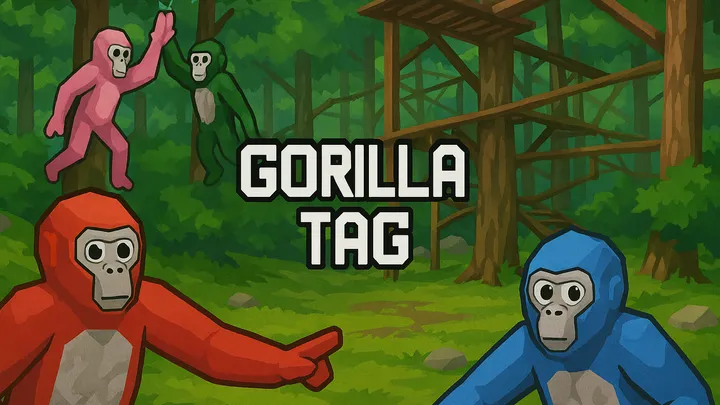
Gorilla Tag
When Gorilla Tag was first released by developer Another Axiom in early access back in early 2021, few could have predicted the meteoric rise it would enjoy. The concept was almost childishly simple: you play as a gorilla in VR, using only your arms to move, jump, and climb, and the core game mode is… tag. That’s it. No complicated weapon systems. No sprawling maps with scripted events. No ultra-realistic graphics or heavy lore drops. Instead, it’s an unapologetically low-poly, physics-driven playground where movement is the mechanic.And yet, this stripped-down design has transformed Gorilla Tag from an experimental indie project into one of the most popular VR multiplayer games of all time. It’s a case study in how constraints can inspire innovation — and how social interaction, player creativity, and unconventional mechanics can create a phenomenon that defies traditional AAA wisdom.In this review, I’ll dissect Gorilla Tag from the perspective of a games analyst, covering its movement system, game design philosophy, social dynamics, competitive meta, community growth, technical execution, monetization strategy, and the future potential of the title. I’ll also touch on its cultural footprint and what it means for the VR industry as a whole.

Bloody Finger Jump
Is your finger faster then the others? Will your finger crush other enemies? Take up the challenge, compete and check how fast your fingers are. You can be sure that there will be blood...
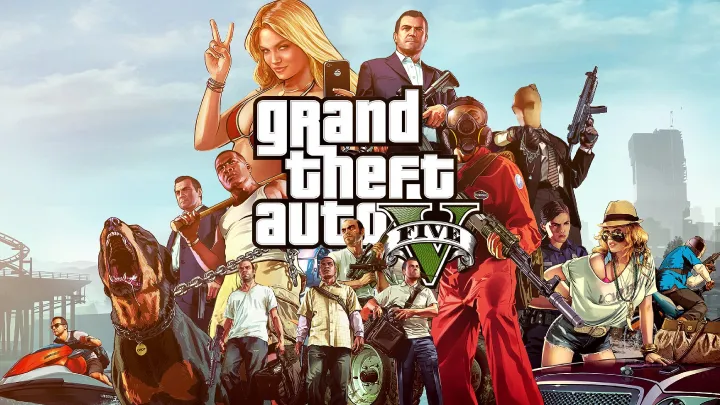
Grand Theft Auto V
Grand Theft Auto V isn't simply a game; it is an economic, social, and cultural document of the 21st century. Taking the familiar chaotic sandbox of its predecessors, it expands it into a living, breathing world of San Andreas—teeming with meticulous detail and a biting, satirical wit. Whether you are pulled into its high-stakes criminal economy or its deep social simulation, GTA V delivers a profound and unforgettable masterclass in open-world design.