Roblox: Blox Fruits
IntroductionIf you’ve spent any time on Roblox, chances are you’ve come across Blox Fruits—one of the most popular anime-inspired RPGs on the platform. With millions of active players, it blends combat, exploration, and progression into a grind-heavy but highly addictive gameplay loop.This review provides a fully accurate, up-to-date breakdown of the game’s mechanics, strengths, weaknesses, and whether it’s actually worth your time.1. Core Gameplay OverviewAt its core, Blox Fruits is an action RPG with strong grinding mechanics.Players start by choosing between two factions:PiratesMarinesWhile this choice affects early gameplay (such as spawn locations and some PvP dynamics), both sides ultimately experience very similar progression paths.Main Gameplay Loop:Accept questsDefeat enemies (NPCs or bosses)Gain experience (XP)Level upUnlock new islands👉 The progression is linear and level-gated, not a true open-world sandbox.2. The Blox Fruits System (Core Mechanic)The defining feature of the game is the Blox Fruits system, inspired by Devil Fruits from One Piece.How It Works:Each fruit grants unique abilities or powersPlayers can only equip ONE fruit at a timeFruits can be:Found in the worldBought from dealersTraded with other playersImportant Rule:If you fall into water → you take continuous damage and lose mobilityTypes of FruitsThere are three main categories:1. Paramecia (Natural)Standard abilities (damage, control, etc.)2. Zoan (Beast)Transformations into creaturesOften boosts survivability3. Logia (Elemental)Element-based powers (light, fire, etc.)Can grant damage immunity against weaker enemies👉 Logia fruits are especially powerful in early and mid-game farming.3. Combat SystemCombat in Blox Fruits is more complex than typical Roblox games.Players can use:Fruit abilitiesSwordsGunsFighting styles (martial arts)Key System: MasteryEach weapon or fruit has a mastery level:Unlocks new skillsIncreases damage outputEncourages long-term grinding👉 This system is essential and often underexplained in weaker reviews.4. World Structure & ExplorationThe game is divided into three main seas:First Sea (beginner)Second Sea (mid-game)Third Sea (endgame)Each sea contains:Multiple islandsUnique enemiesBossesQuestsImportant Clarification:The world is not fully openProgression is level-restricted👉 You cannot freely explore everything early on.5. Grinding & Progression (Critical Reality Check)This is the most important part of the game—and often misrepresented.The Truth:Blox Fruits is extremely grind-heavyTypical gameplay involves:Repeating the same questsFarming mobs for hoursLeveling mastery slowly👉 This is both:A strength (long-term engagement)A weakness (repetitiveness)6. PvP SystemAt higher levels, PvP becomes a major component.Features:Open-world player combatBounty/Honor systemSkill-based fighting (aim, combos, timing)Skill Gap:Very high at endgameRequires deep knowledge of:Fruit combosMovement mechanicsCooldown management7. Trading & EconomyThe game includes a player-driven trading system.You can trade:FruitsGame itemsThis creates:A real in-game economyValue tiers (some fruits are extremely rare and expensive)👉 This adds a meta layer beyond grinding.8. Raids & Awakening SystemAt mid-to-late game, players unlock:RaidsDungeon-style challengesRequire teamwork or strong buildsAwakeningUpgrades for certain fruitsImproves abilities significantly👉 Awakening can completely change how a fruit performs.9. Who Should Play This Game?Best for:Players who enjoy grinding RPGsAnime fans (especially One Piece)Competitive PvP playersNot ideal for:Casual playersStory-driven gamersPlayers who dislike repetitionFinal VerdictBlox Fruits is one of the most successful RPG experiences on Roblox for a reason. It offers deep mechanics, satisfying progression, and a strong community, but it comes at the cost of heavy grinding and repetition.Bottom LineIf you're looking for a long-term grind-based RPG with competitive elements, Blox Fruits is absolutely worth playing. But if you want quick rewards or varied gameplay, it may feel exhausting over time.
Popular Now
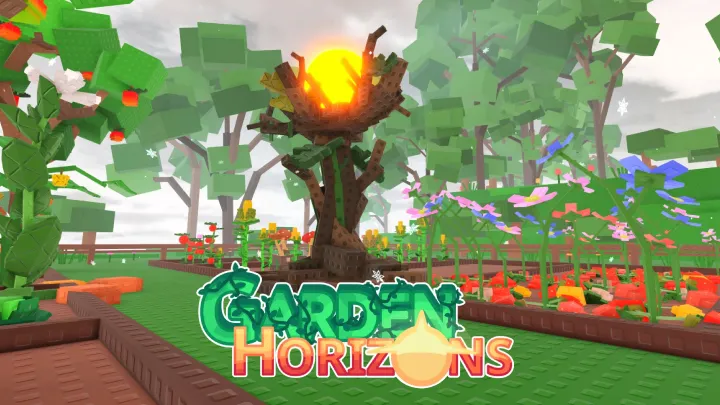



Introduction
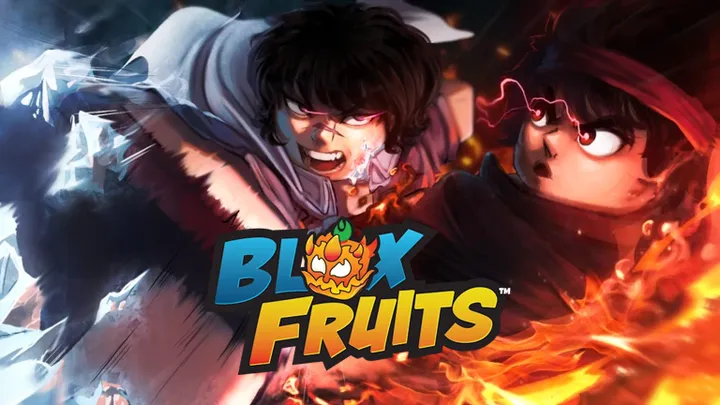
If you’ve spent any time on Roblox, chances are you’ve come across Blox Fruits—one of the most popular anime-inspired RPGs on the platform. With millions of active players, it blends combat, exploration, and progression into a grind-heavy but highly addictive gameplay loop.
This review provides a fully accurate, up-to-date breakdown of the game’s mechanics, strengths, weaknesses, and whether it’s actually worth your time.
1. Core Gameplay Overview
At its core, Blox Fruits is an action RPG with strong grinding mechanics.
Players start by choosing between two factions:
- Pirates
- Marines
While this choice affects early gameplay (such as spawn locations and some PvP dynamics), both sides ultimately experience very similar progression paths.
Main Gameplay Loop:
- Accept quests
- Defeat enemies (NPCs or bosses)
- Gain experience (XP)
- Level up
- Unlock new islands
👉 The progression is linear and level-gated, not a true open-world sandbox.
2. The Blox Fruits System (Core Mechanic)
The defining feature of the game is the Blox Fruits system, inspired by Devil Fruits from One Piece.
How It Works:
- Each fruit grants unique abilities or powers
- Players can only equip ONE fruit at a time
- Fruits can be:
- Found in the world
- Bought from dealers
- Traded with other players
Important Rule:
- If you fall into water → you take continuous damage and lose mobility
Types of Fruits
There are three main categories:
1. Paramecia (Natural)
- Standard abilities (damage, control, etc.)
2. Zoan (Beast)
- Transformations into creatures
- Often boosts survivability
3. Logia (Elemental)
- Element-based powers (light, fire, etc.)
- Can grant damage immunity against weaker enemies
👉 Logia fruits are especially powerful in early and mid-game farming.
3. Combat System
Combat in Blox Fruits is more complex than typical Roblox games.
Players can use:
- Fruit abilities
- Swords
- Guns
- Fighting styles (martial arts)
Key System: Mastery
Each weapon or fruit has a mastery level:
- Unlocks new skills
- Increases damage output
- Encourages long-term grinding
👉 This system is essential and often underexplained in weaker reviews.
4. World Structure & Exploration
The game is divided into three main seas:
- First Sea (beginner)
- Second Sea (mid-game)
- Third Sea (endgame)
Each sea contains:
- Multiple islands
- Unique enemies
- Bosses
- Quests
Important Clarification:
- The world is not fully open
- Progression is level-restricted
👉 You cannot freely explore everything early on.
5. Grinding & Progression (Critical Reality Check)
This is the most important part of the game—and often misrepresented.
The Truth:
- Blox Fruits is extremely grind-heavy
Typical gameplay involves:
- Repeating the same quests
- Farming mobs for hours
- Leveling mastery slowly
👉 This is both:
- A strength (long-term engagement)
- A weakness (repetitiveness)
6. PvP System
At higher levels, PvP becomes a major component.
Features:
- Open-world player combat
- Bounty/Honor system
- Skill-based fighting (aim, combos, timing)
Skill Gap:
- Very high at endgame
- Requires deep knowledge of:
- Fruit combos
- Movement mechanics
- Cooldown management
7. Trading & Economy
The game includes a player-driven trading system.
You can trade:
- Fruits
- Game items
This creates:
- A real in-game economy
- Value tiers (some fruits are extremely rare and expensive)
👉 This adds a meta layer beyond grinding.
8. Raids & Awakening System
At mid-to-late game, players unlock:
Raids
- Dungeon-style challenges
- Require teamwork or strong builds
Awakening
- Upgrades for certain fruits
- Improves abilities significantly
👉 Awakening can completely change how a fruit performs.
9. Who Should Play This Game?
Best for:
- Players who enjoy grinding RPGs
- Anime fans (especially One Piece)
- Competitive PvP players
Not ideal for:
- Casual players
- Story-driven gamers
- Players who dislike repetition
Final Verdict
Blox Fruits is one of the most successful RPG experiences on Roblox for a reason. It offers deep mechanics, satisfying progression, and a strong community, but it comes at the cost of heavy grinding and repetition.
Bottom Line
If you're looking for a long-term grind-based RPG with competitive elements, Blox Fruits is absolutely worth playing. But if you want quick rewards or varied gameplay, it may feel exhausting over time.
Latest Reviews
Gorilla Tag
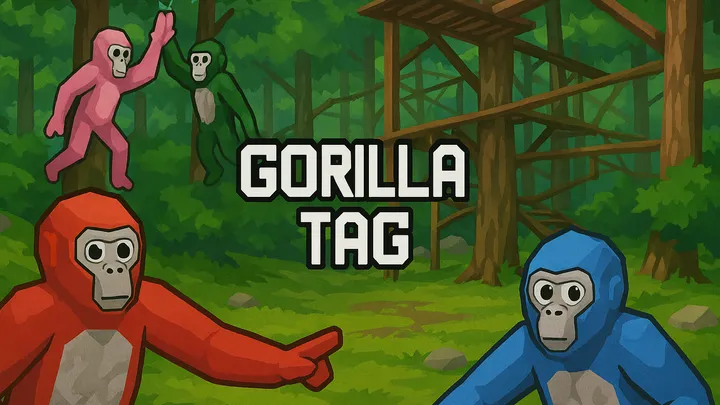
When Gorilla Tag was first released by developer Another Axiom in early access back in early 2021, few could have predicted the meteoric rise it would enjoy. The concept was almost childishly simple: you play as a gorilla in VR, using only your arms to move, jump, and climb, and the core game mode is… tag. That’s it. No complicated weapon systems. No sprawling maps with scripted events. No ultra-realistic graphics or heavy lore drops. Instead, it’s an unapologetically low-poly, physics-driven playground where movement is the mechanic.And yet, this stripped-down design has transformed Gorilla Tag from an experimental indie project into one of the most popular VR multiplayer games of all time. It’s a case study in how constraints can inspire innovation — and how social interaction, player creativity, and unconventional mechanics can create a phenomenon that defies traditional AAA wisdom.In this review, I’ll dissect Gorilla Tag from the perspective of a games analyst, covering its movement system, game design philosophy, social dynamics, competitive meta, community growth, technical execution, monetization strategy, and the future potential of the title. I’ll also touch on its cultural footprint and what it means for the VR industry as a whole.

Bloody Finger Jump
Is your finger faster then the others? Will your finger crush other enemies? Take up the challenge, compete and check how fast your fingers are. You can be sure that there will be blood...
Grand Theft Auto V
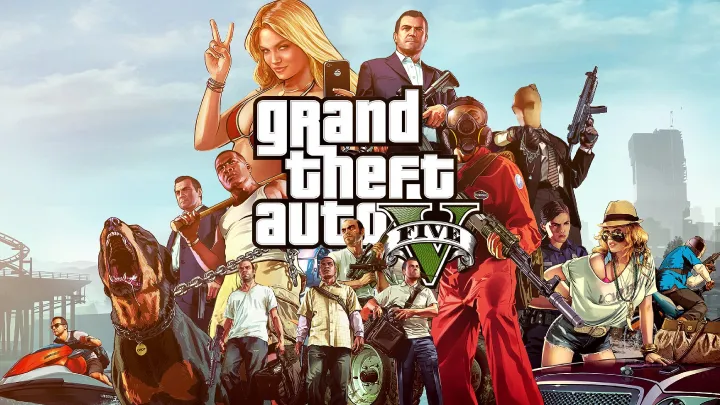
Grand Theft Auto V isn't simply a game; it is an economic, social, and cultural document of the 21st century. Taking the familiar chaotic sandbox of its predecessors, it expands it into a living, breathing world of San Andreas—teeming with meticulous detail and a biting, satirical wit. Whether you are pulled into its high-stakes criminal economy or its deep social simulation, GTA V delivers a profound and unforgettable masterclass in open-world design.