







IntroductionRoutine is a first-person sci-fi survival horror game developed by Lunar Software and published by Raw Fury. Set on an abandoned lunar base inspired by retro 1980s technology, the game focuses on exploration, survival, and uncovering a mysterious incident.Players take on the role of an unnamed protagonist navigating a deserted moon facility filled with hostile threats, primarily robotic enemies. Instead of traditional combat-heavy gameplay, Routine emphasizes tension, observation, and careful exploration.However, despite its strong atmosphere and immersive design, the game presents a critical issue: its heavy focus on immersion often limits player control and clarity, creating frustration instead of engagement. This article explores how this design choice impacts gameplay.1. Core Gameplay OverviewRoutine is built around first-person survival horror mechanics. Players explore a lunar base, gather clues, and survive encounters with hostile entities.Unlike action-oriented horror games, Routine encourages players to move slowly, observe environments, and avoid unnecessary risks.Core gameplay features:First-person explorationSurvival against robotic enemiesEnvironmental storytellingUse of the C.A.T. (Cosmonaut Assistance Tool)The simplicity of this design contributes to both its strengths and weaknesses.2. The Role of Exploration in GameplayExploration is central to Routine. Players must navigate different sectors of the moon base, including living quarters, transit systems, and abandoned facilities.There are no traditional markers or guidance systems, meaning players must rely entirely on observation.Exploration characteristics:No waypoint systemHidden paths and secretsEnvironmental cluesWhile immersive, this design can also lead to confusion.3. Lack of Direction and Player GuidanceOne of the most noticeable issues in Routine is the absence of clear direction. The game intentionally avoids giving players explicit objectives or markers.While this enhances realism, it often leaves players unsure of what to do next.Problems caused:Players get lost easilyProgression feels unclearIncreased trial-and-error gameplayThis design choice may not suit all players, especially those unfamiliar with exploration-heavy games.4. Minimal UI: Immersion vs UsabilityRoutine uses a minimal user interface to enhance immersion. Information is presented through in-game tools rather than traditional HUD elements.While this design strengthens realism, it reduces usability.UI limitations:Lack of clear status indicatorsNo map or navigation toolsImportant information can be missedThis creates a barrier between the player and the game’s systems.5. The C.A.T. Tool: Multi-Function but Limited FeedbackThe Cosmonaut Assistance Tool (C.A.T.) is the player’s primary device. It is used for interacting with the environment, accessing systems, and defending against enemies.While versatile, the tool lacks clear feedback on how to use it effectively.C.A.T. issues:Unclear functionality in certain situationsLimited combat effectivenessReliance on battery managementPlayers often struggle to understand its full potential.6. Combat System: Avoidance Over ActionRoutine does not focus on combat. Instead, players are encouraged to run, hide, or temporarily disable enemies.This design aligns with survival horror principles but can feel restrictive.Combat limitations:No traditional weaponsLimited defensive optionsRepetitive enemy encountersThe lack of variety reduces excitement over time.7. Procedural Elements and UnpredictabilitySome aspects of the environment and threats are partially procedurally generated.This adds unpredictability but also inconsistency.Effects of procedural design:Unpredictable enemy placementVariable exploration experienceInconsistent difficultyWhile replayability improves, clarity suffers.8. Pacing Issues in Slow-Burn HorrorRoutine is designed as a slow-burn horror experience. Tension builds gradually through atmosphere rather than action.However, this pacing can feel too slow for some players.Pacing challenges:Long periods without interactionSlow progressionReduced excitementPlayers expecting constant action may lose interest.9. Environmental Storytelling: Strength but Also BarrierThe game relies heavily on environmental storytelling. Players must piece together the narrative through notes, recordings, and visual clues.This approach enhances immersion but requires effort.Storytelling limitations:Easy to miss key informationNo direct narrative guidanceRequires high attention to detailSome players may feel disconnected from the story.10. Balancing Immersion and AccessibilityThe core issue in Routine lies in balancing immersion with accessibility. The game prioritizes realism and atmosphere, sometimes at the cost of player experience.Potential improvements:Optional guidance systemImproved UI feedbackBetter explanation of mechanicsAdjustable difficulty and pacingThese changes could make the game more accessible without sacrificing its identity.ConclusionRoutine stands out as a unique sci-fi horror experience with strong atmospheric design and immersive gameplay. Developed by Lunar Software and published by Raw Fury, it successfully delivers tension through exploration and minimalism.However, its heavy focus on immersion creates significant challenges. The lack of guidance, minimal UI, and unclear mechanics can lead to confusion and frustration. While these design choices enhance realism, they also limit accessibility and player satisfaction.Ultimately, Routine is a game that excels in atmosphere but struggles with usability. Balancing these elements will be key to improving the overall player experience.
Popular Now



Introduction
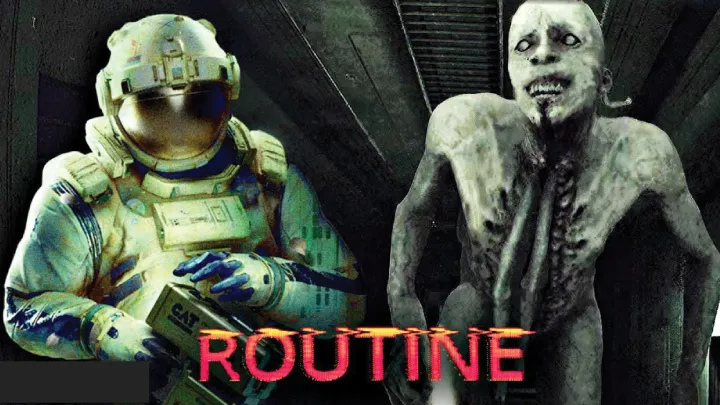
Routine is a first-person sci-fi survival horror game developed by Lunar Software and published by Raw Fury. Set on an abandoned lunar base inspired by retro 1980s technology, the game focuses on exploration, survival, and uncovering a mysterious incident.
Players take on the role of an unnamed protagonist navigating a deserted moon facility filled with hostile threats, primarily robotic enemies. Instead of traditional combat-heavy gameplay, Routine emphasizes tension, observation, and careful exploration.
However, despite its strong atmosphere and immersive design, the game presents a critical issue: its heavy focus on immersion often limits player control and clarity, creating frustration instead of engagement. This article explores how this design choice impacts gameplay.
1. Core Gameplay Overview
Routine is built around first-person survival horror mechanics. Players explore a lunar base, gather clues, and survive encounters with hostile entities.
Unlike action-oriented horror games, Routine encourages players to move slowly, observe environments, and avoid unnecessary risks.
Core gameplay features:
- First-person exploration
- Survival against robotic enemies
- Environmental storytelling
- Use of the C.A.T. (Cosmonaut Assistance Tool)
The simplicity of this design contributes to both its strengths and weaknesses.
2. The Role of Exploration in Gameplay
Exploration is central to Routine. Players must navigate different sectors of the moon base, including living quarters, transit systems, and abandoned facilities.
There are no traditional markers or guidance systems, meaning players must rely entirely on observation.
Exploration characteristics:
- No waypoint system
- Hidden paths and secrets
- Environmental clues
While immersive, this design can also lead to confusion.
3. Lack of Direction and Player Guidance
One of the most noticeable issues in Routine is the absence of clear direction. The game intentionally avoids giving players explicit objectives or markers.
While this enhances realism, it often leaves players unsure of what to do next.
Problems caused:
- Players get lost easily
- Progression feels unclear
- Increased trial-and-error gameplay
This design choice may not suit all players, especially those unfamiliar with exploration-heavy games.
4. Minimal UI: Immersion vs Usability
Routine uses a minimal user interface to enhance immersion. Information is presented through in-game tools rather than traditional HUD elements.
While this design strengthens realism, it reduces usability.
UI limitations:
- Lack of clear status indicators
- No map or navigation tools
- Important information can be missed
This creates a barrier between the player and the game’s systems.
5. The C.A.T. Tool: Multi-Function but Limited Feedback
The Cosmonaut Assistance Tool (C.A.T.) is the player’s primary device. It is used for interacting with the environment, accessing systems, and defending against enemies.
While versatile, the tool lacks clear feedback on how to use it effectively.
C.A.T. issues:
- Unclear functionality in certain situations
- Limited combat effectiveness
- Reliance on battery management
Players often struggle to understand its full potential.
6. Combat System: Avoidance Over Action
Routine does not focus on combat. Instead, players are encouraged to run, hide, or temporarily disable enemies.
This design aligns with survival horror principles but can feel restrictive.
Combat limitations:
- No traditional weapons
- Limited defensive options
- Repetitive enemy encounters
The lack of variety reduces excitement over time.
7. Procedural Elements and Unpredictability
Some aspects of the environment and threats are partially procedurally generated.
This adds unpredictability but also inconsistency.
Effects of procedural design:
- Unpredictable enemy placement
- Variable exploration experience
- Inconsistent difficulty
While replayability improves, clarity suffers.
8. Pacing Issues in Slow-Burn Horror
Routine is designed as a slow-burn horror experience. Tension builds gradually through atmosphere rather than action.
However, this pacing can feel too slow for some players.
Pacing challenges:
- Long periods without interaction
- Slow progression
- Reduced excitement
Players expecting constant action may lose interest.
9. Environmental Storytelling: Strength but Also Barrier
The game relies heavily on environmental storytelling. Players must piece together the narrative through notes, recordings, and visual clues.
This approach enhances immersion but requires effort.
Storytelling limitations:
- Easy to miss key information
- No direct narrative guidance
- Requires high attention to detail
Some players may feel disconnected from the story.
10. Balancing Immersion and Accessibility
The core issue in Routine lies in balancing immersion with accessibility. The game prioritizes realism and atmosphere, sometimes at the cost of player experience.
Potential improvements:
- Optional guidance system
- Improved UI feedback
- Better explanation of mechanics
- Adjustable difficulty and pacing
These changes could make the game more accessible without sacrificing its identity.
Conclusion
Routine stands out as a unique sci-fi horror experience with strong atmospheric design and immersive gameplay. Developed by Lunar Software and published by Raw Fury, it successfully delivers tension through exploration and minimalism.
However, its heavy focus on immersion creates significant challenges. The lack of guidance, minimal UI, and unclear mechanics can lead to confusion and frustration. While these design choices enhance realism, they also limit accessibility and player satisfaction.
Ultimately, Routine is a game that excels in atmosphere but struggles with usability. Balancing these elements will be key to improving the overall player experience.
Latest Reviews

Mad Day Special
A Pet-Rescue Revenge Journey In Mad Day, you play as Bob, an ex-marine enjoying a peaceful life with his pet octopus, Fluffy. However, his quiet days are ruined when a cunning alien fleet suddenly invades and kidnaps Fluffy. Unable to sit back and watch his little friend get taken away, Bob decides to pull his dusty armored truck out of the garage, arm it to the teeth, and embark on a journey to wipe out the alien legion.Vibrant and Explosive Art Style Visually, the game features an incredibly vibrant and colorful 2D cartoon graphics style. Despite the cute artwork, the combat effects in the game are extremely epic. Rocket barrages, flashing lasers, enemies blowing up, and obstacles getting destroyed are all rendered very smoothly and vividly. Combined with a fast-paced and fun background soundtrack, Mad Day truly creates an explosive combat atmosphere, urging players to constantly push forward.

Resident Evil Requiem
IntroductionResident Evil Requiem is the latest installment in the iconic survival horror series from Capcom. Building upon the franchise's legacy, this title combines chilling atmospheres, engaging storytelling, and intense gameplay mechanics that fans have come to love. With enhanced graphics and refined gameplay, it seeks to deliver a terrifying experience that appeals to both longtime fans and newcomers alike.Core FeaturesEngaging StorylineIntriguing Plot: The narrative continues the overarching story of the Resident Evil universe while introducing new characters and conflicts that deepen the lore.Character Development: Players encounter familiar faces and new allies, each contributing to the emotional weight of the story.Enhanced Gameplay MechanicsTactical Combat: The game features improved mechanics for combat, allowing for strategic decisions in weapon selection and resource management.Exploration: Players can explore richly detailed environments filled with puzzles, hidden items, and lore, enhancing the immersion.Horror Elements: Classic survival horror elements return, including jump scares, atmospheric tension, and resource scarcity, creating a truly frightening experience.Stunning Visuals and AudioGraphics: Utilizing advanced graphics technology, the game boasts breathtaking visuals that bring the terrifying world of Resident Evil to life.Sound Design: An immersive soundtrack and realistic sound effects heighten suspense and contribute to the game's chilling atmosphere.Multiplayer FeaturesCooperative Modes: Players can team up with friends in co-op modes to tackle challenges together, adding a social element.Competitive Elements: Challenges and leaderboard features provide competitive players with additional goals to strive for.Strengths and WeaknessesStrengthsRich Storytelling: Engaging plot and character development keep players invested in the experience.Refined Gameplay: Improved combat mechanics and exploration provide a satisfying gameplay experience.High Production Value: Stunning graphics and immersive audio contribute to the overall horror experience.Variety of Gameplay: Multiple modes, including cooperative gameplay, cater to different player preferences.Nostalgic Elements: Classic Resident Evil features that fans love are thoughtfully integrated.WeaknessesPacing Issues: Some players may find the pacing uneven, with lulls in action that can break immersion.Limited Innovation: Critics may argue that it doesn't offer enough new mechanics compared to previous titles.Difficulty Spikes: Certain sections may present steep difficulty spikes that can frustrate players.Resource Management: The scarcity of resources might feel overly punishing for some players, especially those new to the franchise.Multiplayer Balance: Cooperative modes might lack balance, leading to potential issues in gameplay experience.ConclusionResident Evil Requiem successfully brings the series into a new era while honoring its rich history. With an engaging narrative, improved gameplay mechanics, and breathtaking visuals, it promises to deliver a thrilling experience for fans of survival horror.Final ThoughtsFor players who appreciate intense horror, intricate storytelling, and cooperative gameplay, Resident Evil Requiem is a must-try. Dive into the chilling world filled with danger and suspense, and experience the latest chapter in this legendary franchise!
plinko ball lucky win cash
IntroductionPlinko Ball - Lucky Win Cash is a casual mobile game built around the classic “drop-the-ball” Plinko mechanic. The concept is simple: players drop balls from the top of a board filled with pegs, hoping they land in high-reward slots at the bottom.The game markets itself as a fun arcade experience with the added appeal of earning rewards through gameplay. However, like many “earn money” mobile games, it comes with both entertainment value and some concerns worth noting.Gameplay OverviewSimple and Addictive MechanicsPlayers drop balls that bounce randomly through pegs and land in reward slots. The randomness makes each round unpredictable and engaging.Multiple Reward SystemsThe game includes several ways to earn in-game rewards:Daily check-insGacha/spin systemsMissions and challengesJackpot ElementsSome slots promise higher rewards or “jackpots,” encouraging repeated play and giving players a sense of progression and excitement.StrengthsEasy to Play – Simple mechanics make it accessible to all players.Addictive Gameplay Loop – The randomness keeps players coming back for more.Multiple Reward Features – Daily bonuses and missions add variety.Lightweight Casual Game – Runs smoothly on most devices.Quick Sessions – Ideal for short play sessions anytime.WeaknessesExcessive Ads – Frequent ads can interrupt the gameplay experience.Questionable Reward System – Payout reliability may not always meet expectations.Repetitive Gameplay – Limited mechanics can become boring over time.High Reliance on Luck – Outcomes are mostly random with little strategy involved.Trust Concerns – Some players may feel uncertain about reward transparency.ConclusionPlinko Ball - Lucky Win Cash delivers a simple and entertaining casual experience based on a well-known game concept. While it succeeds in providing quick fun and addictive gameplay, its heavy reliance on ads and unclear reward system may limit long-term enjoyment.Final ThoughtsIf you’re looking for a light, luck-based game to pass time, this title can be enjoyable. However, if your goal is to earn real money, you should approach with caution and treat it primarily as entertainment rather than a reliable reward platform.