
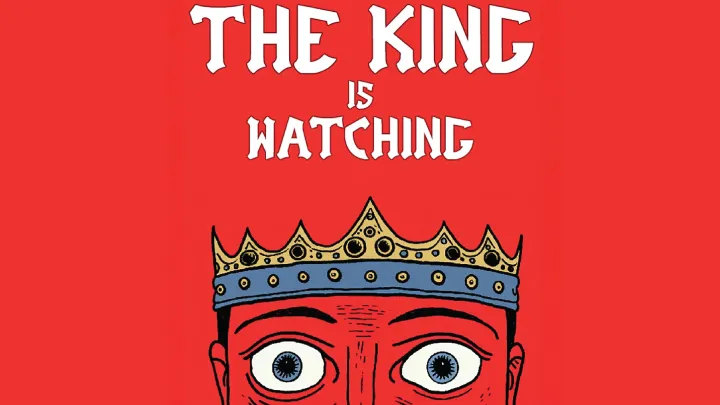
The King is Watching
IntroductionThe King is Watching is an indie narrative-driven strategy game developed by a small independent studio. Blending decision-making, resource management, and branching storytelling, the game offers a thoughtful experience centered around power, morality, and the consequences of leadership.Rather than focusing purely on action, The King is Watching challenges players to think critically about their choices, placing them in a world shaped by political tension, personal relationships, and difficult moral dilemmas.Core Gameplay Mechanics1. Gameplay Structure and Core LoopAt its core, the game revolves around decision-making and strategic management. Players take on the role of a key figure within a kingdom, where every decision influences the world around them.Choice-Driven GameplayEvery decision impacts the storyline and character relationshipsBranching narratives lead to multiple possible endingsConsequences unfold gradually, reinforcing long-term thinkingStrategic Resource ManagementPlayers must carefully manage:Political influencePublic opinionAlliances and relationshipsBalancing these elements is essential to maintaining stability and achieving success.Real-Time Pressure ElementsWhile largely strategic, the game introduces time-sensitive decisions, requiring players to:React quickly to unfolding eventsPrioritize limited resourcesAdapt strategies under pressure2. Decision-Making and Morality SystemMoral ConsequencesA core feature of the game is its morality system, which:Tracks player decisions over timeInfluences how characters respondAlters story outcomes significantlyPlayers are constantly forced to choose between:Personal gain vs. public goodLoyalty vs. betrayalShort-term survival vs. long-term stabilityDynamic StorytellingThe narrative evolves based on player choices, ensuring:High replayabilityUnique playthroughsDeep player agency3. Character Relationships and Political IntrigueRelationship SystemInteractions with characters are central to gameplay:Build alliances or create enemiesUnlock new story paths through trustExperience betrayal based on past actionsEmotional EngagementWell-written characters and meaningful dialogue help players:Connect emotionally with the storyFeel the weight of their decisionsBecome invested in the kingdom’s fateVisuals and Art StyleStylized PresentationThe game features a distinct visual identity with:Hand-painted texturesRich and atmospheric color palettesA stylized fantasy aestheticDetailed EnvironmentsEach setting is carefully crafted, including:Lively townsPolitical chambersIsolated wilderness areasThese environments enhance immersion and storytelling.Audio DesignSoundtrack and AtmosphereAdaptive Music: Shifts tone depending on narrative tensionAmbient Sound Design: Brings the world to lifeVoice Acting and EffectsStrong voice performances enhance character depthSound effects reinforce emotional and dramatic momentsNarrative Depth and WorldbuildingThemes and StorytellingThe story explores complex themes such as:Power and responsibilityMoral ambiguitySacrifice and leadershipThe plot unfolds through:Dialogue choicesKey narrative eventsPlayer-driven outcomesRich WorldbuildingDeep lore and historyInterconnected character storiesA believable and immersive kingdom settingCommunity and Player EngagementPlayer CommunityAlthough primarily single-player, the game has fostered a growing community where players:Share different endings and choicesDiscuss strategies and moral decisionsCreate fan theories and contentDeveloper InteractionThe indie developers actively support the game by:Listening to community feedbackReleasing updates and fixesEngaging with players onlineStrengths and WeaknessesStrengthsDeep Narrative Experience: Rich storytelling with meaningful choicesHigh Replayability: Multiple endings and branching pathsStrong Character Writing: Emotional and engaging relationshipsUnique Art Style: Visually distinctive and atmosphericStrategic Depth: Combines narrative with resource managementWeaknessesSlow Pacing: Dialogue-heavy sections may feel drawn outSteep Learning Curve: Systems can be complex for new playersLimited Action Gameplay: Focus on strategy may not appeal to action fansOccasional Technical Issues: Bugs may appear in certain situationsSingle-Player Focus: No multiplayer or competitive featuresFuture ProspectsPotential UpdatesThe game could expand through:New storylines and branching pathsAdditional characters and factionsExpanded gameplay systemsNarrative ExpansionFuture content may deepen:Character backstoriesPolitical conflictsAlternate endings and outcomesConclusionThe King is Watching stands out as a compelling blend of narrative storytelling and strategic gameplay. Its focus on meaningful choices and moral complexity creates an experience that is both immersive and intellectually engaging.Final ThoughtsFor players who enjoy story-driven games with strategic depth, The King is Watching offers a unique and thought-provoking journey. While it may not appeal to those seeking fast-paced action, its strengths lie in its narrative richness and the weight of its decisions.Step into a world where power comes at a cost—and every choice you make shapes the fate of a kingdom.
Popular Now


Introduction
The King is Watching is an indie narrative-driven strategy game developed by a small independent studio. Blending decision-making, resource management, and branching storytelling, the game offers a thoughtful experience centered around power, morality, and the consequences of leadership.
Rather than focusing purely on action, The King is Watching challenges players to think critically about their choices, placing them in a world shaped by political tension, personal relationships, and difficult moral dilemmas.
Core Gameplay Mechanics
1. Gameplay Structure and Core Loop
At its core, the game revolves around decision-making and strategic management. Players take on the role of a key figure within a kingdom, where every decision influences the world around them.
Choice-Driven Gameplay
- Every decision impacts the storyline and character relationships
- Branching narratives lead to multiple possible endings
- Consequences unfold gradually, reinforcing long-term thinking
Strategic Resource Management
Players must carefully manage:
- Political influence
- Public opinion
- Alliances and relationships
Balancing these elements is essential to maintaining stability and achieving success.
Real-Time Pressure Elements
While largely strategic, the game introduces time-sensitive decisions, requiring players to:
- React quickly to unfolding events
- Prioritize limited resources
- Adapt strategies under pressure
2. Decision-Making and Morality System
Moral Consequences
A core feature of the game is its morality system, which:
- Tracks player decisions over time
- Influences how characters respond
- Alters story outcomes significantly
Players are constantly forced to choose between:
- Personal gain vs. public good
- Loyalty vs. betrayal
- Short-term survival vs. long-term stability
Dynamic Storytelling
The narrative evolves based on player choices, ensuring:
- High replayability
- Unique playthroughs
- Deep player agency
3. Character Relationships and Political Intrigue
Relationship System
Interactions with characters are central to gameplay:
- Build alliances or create enemies
- Unlock new story paths through trust
- Experience betrayal based on past actions
Emotional Engagement
Well-written characters and meaningful dialogue help players:
- Connect emotionally with the story
- Feel the weight of their decisions
- Become invested in the kingdom’s fate
Visuals and Art Style
Stylized Presentation
The game features a distinct visual identity with:
- Hand-painted textures
- Rich and atmospheric color palettes
- A stylized fantasy aesthetic
Detailed Environments
Each setting is carefully crafted, including:
- Lively towns
- Political chambers
- Isolated wilderness areas
These environments enhance immersion and storytelling.
Audio Design
Soundtrack and Atmosphere
- Adaptive Music: Shifts tone depending on narrative tension
- Ambient Sound Design: Brings the world to life
Voice Acting and Effects
- Strong voice performances enhance character depth
- Sound effects reinforce emotional and dramatic moments
Narrative Depth and Worldbuilding
Themes and Storytelling
The story explores complex themes such as:
- Power and responsibility
- Moral ambiguity
- Sacrifice and leadership
The plot unfolds through:
- Dialogue choices
- Key narrative events
- Player-driven outcomes
Rich Worldbuilding
- Deep lore and history
- Interconnected character stories
- A believable and immersive kingdom setting
Community and Player Engagement
Player Community
Although primarily single-player, the game has fostered a growing community where players:
- Share different endings and choices
- Discuss strategies and moral decisions
- Create fan theories and content
Developer Interaction
The indie developers actively support the game by:
- Listening to community feedback
- Releasing updates and fixes
- Engaging with players online
Strengths and Weaknesses
Strengths
- Deep Narrative Experience: Rich storytelling with meaningful choices
- High Replayability: Multiple endings and branching paths
- Strong Character Writing: Emotional and engaging relationships
- Unique Art Style: Visually distinctive and atmospheric
- Strategic Depth: Combines narrative with resource management
Weaknesses
- Slow Pacing: Dialogue-heavy sections may feel drawn out
- Steep Learning Curve: Systems can be complex for new players
- Limited Action Gameplay: Focus on strategy may not appeal to action fans
- Occasional Technical Issues: Bugs may appear in certain situations
- Single-Player Focus: No multiplayer or competitive features
Future Prospects
Potential Updates
The game could expand through:
- New storylines and branching paths
- Additional characters and factions
- Expanded gameplay systems
Narrative Expansion
Future content may deepen:
- Character backstories
- Political conflicts
- Alternate endings and outcomes
Conclusion
The King is Watching stands out as a compelling blend of narrative storytelling and strategic gameplay. Its focus on meaningful choices and moral complexity creates an experience that is both immersive and intellectually engaging.
Final Thoughts
For players who enjoy story-driven games with strategic depth, The King is Watching offers a unique and thought-provoking journey. While it may not appeal to those seeking fast-paced action, its strengths lie in its narrative richness and the weight of its decisions.
Step into a world where power comes at a cost—and every choice you make shapes the fate of a kingdom.
Latest Reviews
Gorilla Tag
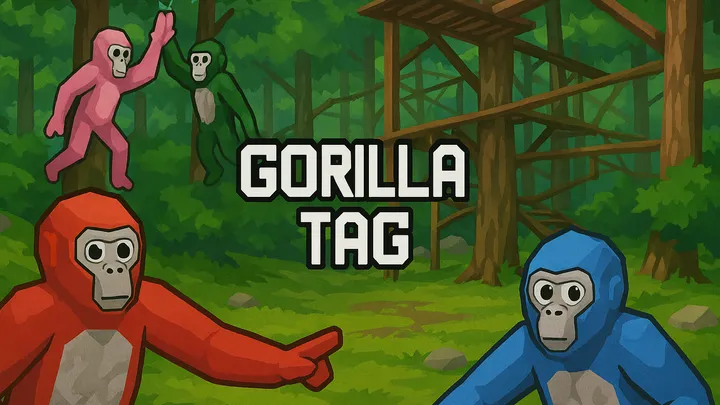
When Gorilla Tag was first released by developer Another Axiom in early access back in early 2021, few could have predicted the meteoric rise it would enjoy. The concept was almost childishly simple: you play as a gorilla in VR, using only your arms to move, jump, and climb, and the core game mode is… tag. That’s it. No complicated weapon systems. No sprawling maps with scripted events. No ultra-realistic graphics or heavy lore drops. Instead, it’s an unapologetically low-poly, physics-driven playground where movement is the mechanic.And yet, this stripped-down design has transformed Gorilla Tag from an experimental indie project into one of the most popular VR multiplayer games of all time. It’s a case study in how constraints can inspire innovation — and how social interaction, player creativity, and unconventional mechanics can create a phenomenon that defies traditional AAA wisdom.In this review, I’ll dissect Gorilla Tag from the perspective of a games analyst, covering its movement system, game design philosophy, social dynamics, competitive meta, community growth, technical execution, monetization strategy, and the future potential of the title. I’ll also touch on its cultural footprint and what it means for the VR industry as a whole.

Bloody Finger Jump
Is your finger faster then the others? Will your finger crush other enemies? Take up the challenge, compete and check how fast your fingers are. You can be sure that there will be blood...
Grand Theft Auto V
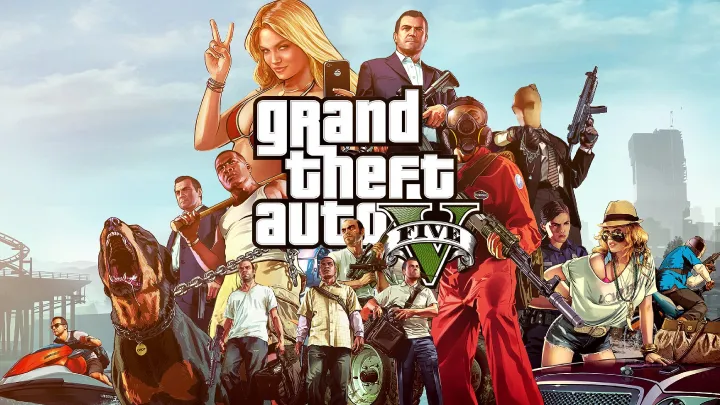
Grand Theft Auto V isn't simply a game; it is an economic, social, and cultural document of the 21st century. Taking the familiar chaotic sandbox of its predecessors, it expands it into a living, breathing world of San Andreas—teeming with meticulous detail and a biting, satirical wit. Whether you are pulled into its high-stakes criminal economy or its deep social simulation, GTA V delivers a profound and unforgettable masterclass in open-world design.