Warhammer 40,000: Speed Freeks
IntroductionWarhammer 40,000: Speed Freeks is one of the most unusual entries in the Warhammer universe—a chaotic, Ork-themed combat racer that blends high-speed driving with explosive multiplayer battles.At first glance, it’s easy to see why the game has earned strong player impressions for its gameplay. But beneath the surface lies a more complicated reality: a game that is genuinely fun, yet fundamentally limited.This review breaks down both sides—what makes the game exciting, and why it struggles to retain players.1. Core Gameplay – Chaotic, Fast, and Genuinely FunThe biggest strength of Speed Freeks is simple:👉 It’s incredibly fun moment-to-momentMatches are built around:High-speed vehicle combatObjective-based modesConstant explosions and chaosThe gameplay captures the essence of Ork culture perfectly—loud, messy, and unpredictable.Critics consistently highlight this:“Frantic multiplayer mayhem” is a core appealEach match feels intense, especially in short sessions, making it ideal for players who enjoy:Arcade-style combatLow commitment, high-energy gameplayVerdict: ✔️ One of the most entertaining combat racing experiences in short bursts2. Vehicles and Customization – Surprisingly DeepCustomization is another area where the game performs well.Players can:Modify vehiclesExperiment with different buildsAdapt playstyles (speed vs firepower vs utility)This adds a layer of tactical depth beyond simple racing.Customization is widely praised as adding meaningful varietyHowever, while builds are interesting, they don’t fully compensate for other limitations in the game.Verdict: ✔️ Strong system that adds replayability—but not enough on its own3. Game Modes and Content – The Biggest WeaknessThis is where the game starts to fall apart.Core issues:Only a small number of game modesLimited map varietyRepetitive gameplay loop over timeCritics and players consistently point out:“Lack of content” and repetition are major drawbacksEven fans admit:The game is fun—but doesn’t evolve enough to stay engaging long-termVerdict: ❌ Fun at first, but quickly becomes repetitive4. Player Base and Matchmaking – A Critical ProblemThis is the most important factor—and the one many reviews fail to emphasize enough.The reality:Very low active player countDifficulty finding full matchesFrequent reliance on botsCritics explicitly note:The game is “held back by a severely underpopulated community”Additional analysis confirms:Matchmaking often results in bot-filled lobbiesFrom the community perspective:“The game is an absolute blast… but mostly bots”👉 This creates a vicious cycle:Fewer players → worse matchesWorse matches → players leaveVerdict: ❌ The single biggest issue affecting the entire experience5. Technical Performance – Improved but Still UnevenThe game has improved since early versions, but issues remain:Reported problems:Server instabilityHit registration issuesBugs and crashesThese have been noted across reviews and player feedbackWhile not game-breaking for everyone, they add friction to an already fragile multiplayer experience.Verdict: ⚠️ Playable, but not fully polished6. Monetization and Business Model – A Mixed TransitionOriginally launched as free-to-play, the game later shifted to a paid model.Microtransactions were removed in favor of a traditional purchase modelFor a multiplayer-only game, this transition may have hurt long-term population growth.Verdict: ⚖️ Fair system—but questionable strategy7. Community Reception – “Fun But Fleeting”The overall reception can be summarized clearly:Critics:Around mid-tier (~66 score)Praise gameplay, criticize longevityPlayers:Very positive about fun factorNegative about:player countlack of depthA common sentiment:“Super fun… but I got bored after a few days”8. What the Game Gets RightHighly enjoyable core gameplayStrong Warhammer identityGood customization systemsGreat for short play sessions9. Where It Falls ShortLow player populationLimited content and modesRepetitive over timeTechnical and matchmaking issues10. Who Should Play This GameYou should try it if:You enjoy arcade combat racersYou are a Warhammer fanYou want a casual, short-session gameYou should skip it if:You want long-term progressionYou expect a large active player baseYou prefer deep, competitive multiplayerFinal VerdictWarhammer 40,000: Speed Freeks is a rare kind of game:👉 Extremely fun in the moment—but difficult to sustain over timeIt has a strong foundation:Great gameplayUnique conceptBut is held back by:Low player populationLack of depth and contentConclusionSpeed Freeks is not a bad game—it’s an incomplete one.There is real potential here, and in the right conditions (more players, more content), it could become something much bigger. But in its current state, it’s best viewed as:👉 A chaotic, entertaining experience that shines in short bursts—but struggles to last
Popular Now
Introduction
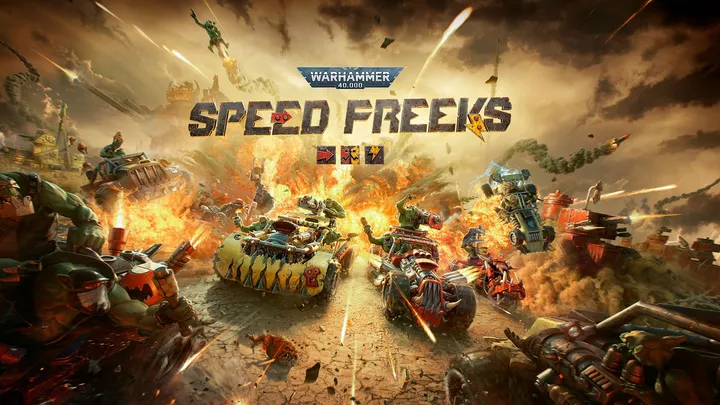
Warhammer 40,000: Speed Freeks is one of the most unusual entries in the Warhammer universe—a chaotic, Ork-themed combat racer that blends high-speed driving with explosive multiplayer battles.
At first glance, it’s easy to see why the game has earned strong player impressions for its gameplay. But beneath the surface lies a more complicated reality: a game that is genuinely fun, yet fundamentally limited.
This review breaks down both sides—what makes the game exciting, and why it struggles to retain players.
1. Core Gameplay – Chaotic, Fast, and Genuinely Fun
The biggest strength of Speed Freeks is simple:
👉 It’s incredibly fun moment-to-moment
Matches are built around:
- High-speed vehicle combat
- Objective-based modes
- Constant explosions and chaos
The gameplay captures the essence of Ork culture perfectly—loud, messy, and unpredictable.
Critics consistently highlight this:
- “Frantic multiplayer mayhem” is a core appeal
Each match feels intense, especially in short sessions, making it ideal for players who enjoy:
- Arcade-style combat
- Low commitment, high-energy gameplay
Verdict:
✔️ One of the most entertaining combat racing experiences in short bursts
2. Vehicles and Customization – Surprisingly Deep
Customization is another area where the game performs well.
Players can:
- Modify vehicles
- Experiment with different builds
- Adapt playstyles (speed vs firepower vs utility)
This adds a layer of tactical depth beyond simple racing.
- Customization is widely praised as adding meaningful variety
However, while builds are interesting, they don’t fully compensate for other limitations in the game.
Verdict:
✔️ Strong system that adds replayability—but not enough on its own
3. Game Modes and Content – The Biggest Weakness
This is where the game starts to fall apart.
Core issues:
- Only a small number of game modes
- Limited map variety
- Repetitive gameplay loop over time
Critics and players consistently point out:
- “Lack of content” and repetition are major drawbacks
Even fans admit:
The game is fun—but doesn’t evolve enough to stay engaging long-term
Verdict:
❌ Fun at first, but quickly becomes repetitive
4. Player Base and Matchmaking – A Critical Problem
This is the most important factor—and the one many reviews fail to emphasize enough.
The reality:
- Very low active player count
- Difficulty finding full matches
- Frequent reliance on bots
Critics explicitly note:
- The game is “held back by a severely underpopulated community”
Additional analysis confirms:
- Matchmaking often results in bot-filled lobbies
From the community perspective:
“The game is an absolute blast… but mostly bots”
👉 This creates a vicious cycle:
- Fewer players → worse matches
- Worse matches → players leave
Verdict:
❌ The single biggest issue affecting the entire experience
5. Technical Performance – Improved but Still Uneven
The game has improved since early versions, but issues remain:
Reported problems:
- Server instability
- Hit registration issues
- Bugs and crashes
These have been noted across reviews and player feedback
While not game-breaking for everyone, they add friction to an already fragile multiplayer experience.
Verdict:
⚠️ Playable, but not fully polished
6. Monetization and Business Model – A Mixed Transition
Originally launched as free-to-play, the game later shifted to a paid model.
Microtransactions were removed in favor of a traditional purchase model
For a multiplayer-only game, this transition may have hurt long-term population growth.
Verdict:
⚖️ Fair system—but questionable strategy
7. Community Reception – “Fun But Fleeting”
The overall reception can be summarized clearly:
Critics:
- Around mid-tier (~66 score)
- Praise gameplay, criticize longevity
Players:
- Very positive about fun factor
- Negative about:
- player count
- lack of depth
A common sentiment:
“Super fun… but I got bored after a few days”
8. What the Game Gets Right
- Highly enjoyable core gameplay
- Strong Warhammer identity
- Good customization systems
- Great for short play sessions
9. Where It Falls Short
- Low player population
- Limited content and modes
- Repetitive over time
- Technical and matchmaking issues
10. Who Should Play This Game
You should try it if:
- You enjoy arcade combat racers
- You are a Warhammer fan
- You want a casual, short-session game
You should skip it if:
- You want long-term progression
- You expect a large active player base
- You prefer deep, competitive multiplayer
Final Verdict
Warhammer 40,000: Speed Freeks is a rare kind of game:
👉 Extremely fun in the moment—but difficult to sustain over time
It has a strong foundation:
- Great gameplay
- Unique concept
But is held back by:
- Low player population
- Lack of depth and content
Conclusion
Speed Freeks is not a bad game—it’s an incomplete one.
There is real potential here, and in the right conditions (more players, more content), it could become something much bigger. But in its current state, it’s best viewed as:
👉 A chaotic, entertaining experience that shines in short bursts—but struggles to last
Latest Reviews
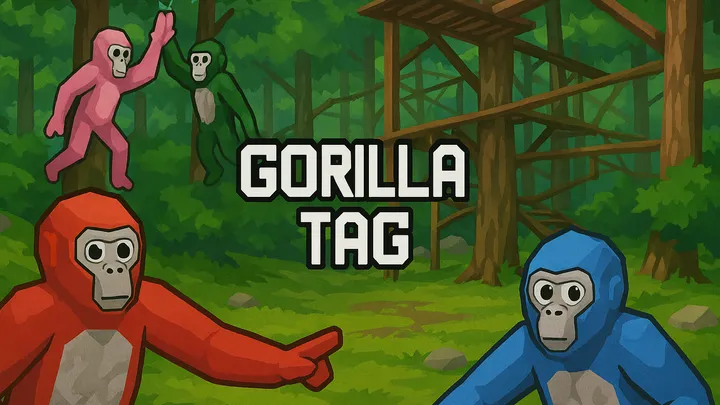
Gorilla Tag
When Gorilla Tag was first released by developer Another Axiom in early access back in early 2021, few could have predicted the meteoric rise it would enjoy. The concept was almost childishly simple: you play as a gorilla in VR, using only your arms to move, jump, and climb, and the core game mode is… tag. That’s it. No complicated weapon systems. No sprawling maps with scripted events. No ultra-realistic graphics or heavy lore drops. Instead, it’s an unapologetically low-poly, physics-driven playground where movement is the mechanic.And yet, this stripped-down design has transformed Gorilla Tag from an experimental indie project into one of the most popular VR multiplayer games of all time. It’s a case study in how constraints can inspire innovation — and how social interaction, player creativity, and unconventional mechanics can create a phenomenon that defies traditional AAA wisdom.In this review, I’ll dissect Gorilla Tag from the perspective of a games analyst, covering its movement system, game design philosophy, social dynamics, competitive meta, community growth, technical execution, monetization strategy, and the future potential of the title. I’ll also touch on its cultural footprint and what it means for the VR industry as a whole.
Bloody Finger Jump
Is your finger faster then the others? Will your finger crush other enemies? Take up the challenge, compete and check how fast your fingers are. You can be sure that there will be blood...
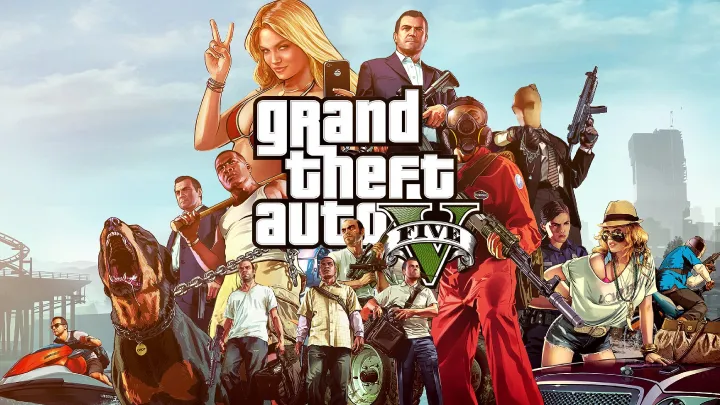
Grand Theft Auto V
Grand Theft Auto V isn't simply a game; it is an economic, social, and cultural document of the 21st century. Taking the familiar chaotic sandbox of its predecessors, it expands it into a living, breathing world of San Andreas—teeming with meticulous detail and a biting, satirical wit. Whether you are pulled into its high-stakes criminal economy or its deep social simulation, GTA V delivers a profound and unforgettable masterclass in open-world design.